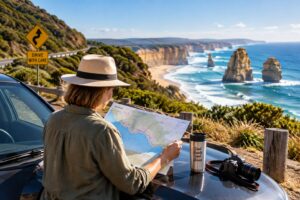
Australia’s Most Iconic Coastal Drive
Australia brings together coastal cities, tropical reefs and ancient landscapes. Our guide covers regional highlights, culture and practical tips on seasons, transport and accessibility.

Australia can mean a harbour ferry in Sydney, a rainforest walk in Queensland, an afternoon in Melbourne’s galleries or an encounter with the desert landscapes of the Red Centre. These experiences belong to the same country, but they are often separated by substantial distances. Choosing which parts of Australia matter most to you is the first step towards a rewarding trip.
Regional differences shape much more than the scenery. Climate, food, cultural traditions and travel conditions change as you move between tropical northern areas, southern cities and the dry interior. Rather than trying to cover the country in one visit, combine a few places that offer different experiences without making every second day a travel day.
Entry arrangements depend on your passport and circumstances. Use the Australian government’s visa finder to identify the relevant options before booking. Also check arrival requirements carefully: food, plant material and animal products may need to be declared under Australia’s biosecurity rules.
There is no single best season for the whole country. In southern areas, spring and autumn often suit city sightseeing, regional touring and coastal walks. Summer brings longer days and beach weather, but also busy holiday periods and potentially intense heat. Tasmania and southern coastal regions can be cool and changeable even outside winter.
Much of tropical northern Australia has wet and dry seasons. The dry season, generally May–October, is a useful starting point for planning northern outdoor trips. Wetter months can bring humidity, heavy rain and disruptions to some roads and activities. Tourism Australia’s guide to the seasons explains these regional differences. For the Red Centre, cooler months are generally more comfortable for walking and outdoor sightseeing. Whatever your route, check conditions for the particular region rather than relying on a national weather average. If your itinerary crosses several regions, pack layers and leave some flexibility so that outdoor activities can move to a more suitable day when necessary.
Sydney combines major landmarks with an everyday relationship to the water. The Opera House and Harbour Bridge introduce the city, while ferries, waterfront neighbourhoods and beaches provide different perspectives. Leave time to experience the harbour beyond the familiar photograph.
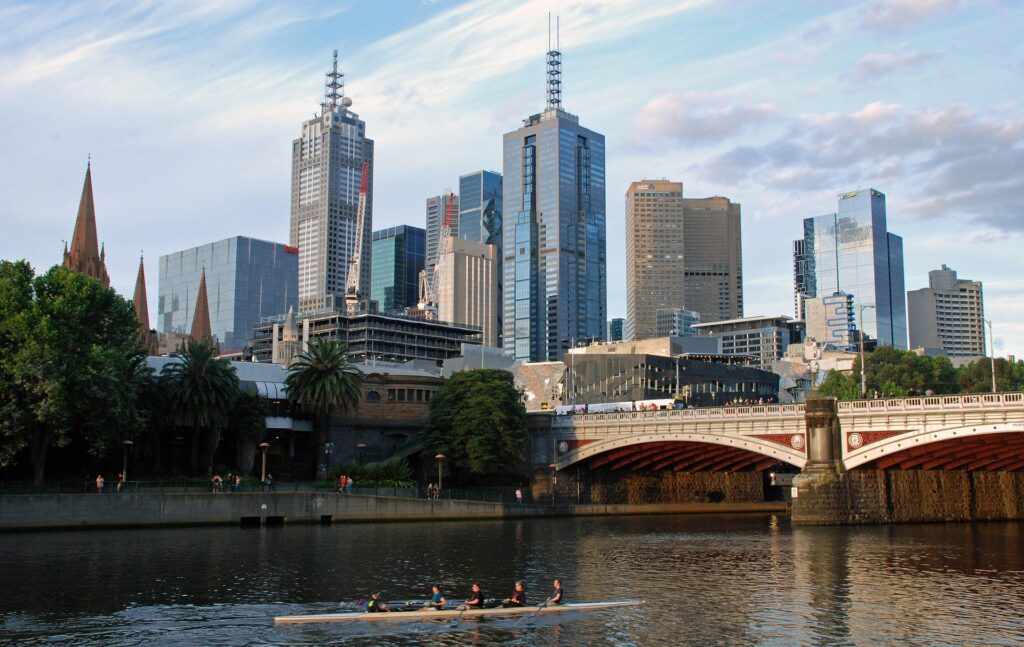
Melbourne suits travellers interested in galleries, markets, coffee and neighbourhood life. Its laneways and cultural institutions reward unhurried exploration, while regional Victoria offers opportunities to extend a city stay with coastal or countryside touring.
Brisbane offers riverside public spaces and access to southern Queensland. Cairns and Port Douglas, much farther north, are more relevant bases for reef and tropical rainforest excursions. These destinations should not be treated as interchangeable stops simply because they share the same state.
Perth provides a starting point for Western Australia, with coastal surroundings and the Swan River close to the city. Adelaide works well with nearby wine regions, while Hobart introduces Tasmania through its waterfront, food and cultural attractions. Choose cities according to the surrounding region you want to experience.

The Great Barrier Reef is an extensive marine environment, so your choice of excursion matters. Departure point, boat journey, weather and activities all affect the experience. Compare snorkelling, diving and viewing options through the official reef travel guide, especially if you prefer a shorter journey or need easier boarding.
In tropical Queensland, the Daintree adds rainforest scenery and opportunities to learn about a very different ecosystem. Elsewhere, the Blue Mountains offer forested escarpments within reach of Sydney, while Tasmania has its own combination of coastlines, mountains and walking areas. Match outings to the terrain and distances involved.
Victoria’s Great Ocean Road connects coastal towns, forest and limestone formations, including the Twelve Apostles. Allowing overnight stops gives the route more breathing room than a long return day trip from Melbourne. Wildlife encounters are another reason to travel, but sightings depend on habitat, season and patience; keep your distance and avoid feeding animals.
Aboriginal and Torres Strait Islander peoples represent many distinct cultures, languages and connections to land and sea. A locally guided experience can reveal perspectives that a general sightseeing visit misses. The Discover Aboriginal Experiences collection provides a starting point for finding cultural walks, storytelling and other guided encounters.
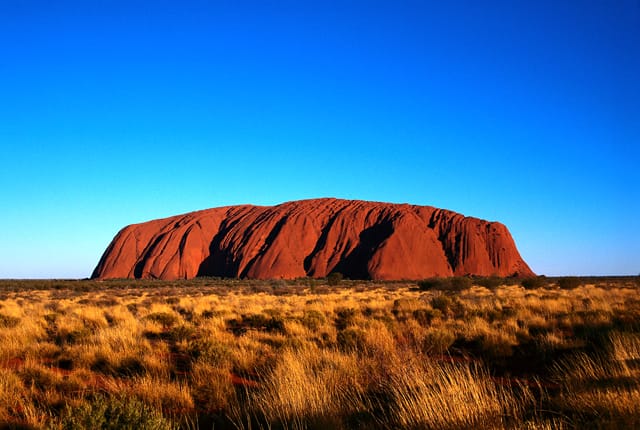
Uluru is a sacred place for Aṉangu, its Traditional Owners. Visit with time to understand its cultural significance as well as its physical presence. Climbing is permanently closed, and some areas have photography restrictions. Follow signs and local guidance, and consider beginning with the Cultural Centre before exploring the surrounding landscape.
Contemporary culture deserves a place in the itinerary too. Melbourne’s National Gallery of Victoria offers art across different periods and traditions, while ACMI explores film, television, videogames and digital culture. For a cinematic introduction before travelling, The Adventures of Priscilla, Queen of the Desert connects an Australian road journey with questions of identity and belonging. Its landscapes provide inspiration, though a film itinerary should never substitute for checking real distances and road conditions.
Australian dining reflects migration, regional produce and the continuing knowledge of First Nations communities. Asian and Mediterranean influences are especially visible in urban food scenes, alongside seafood, bakery staples and neighbourhood cafés. Markets can be a useful introduction to this variety without committing every meal to a formal restaurant.
Meat pies, lamingtons and a café breakfast offer familiar starting points, while coastal destinations provide opportunities to try local seafood. Wine regions around Adelaide, Melbourne, Perth and other centres can add a different kind of day trip. Choose according to your route rather than making a lengthy detour for a famous name.
Native ingredients such as lemon myrtle and wattleseed appear in some contemporary menus. Experiences led by Indigenous guides or food specialists can explain their cultural context and uses. Coffee culture is also part of everyday city life, making a neighbourhood café a natural pause between sightseeing stops.



Flying is often practical between widely separated regions, but airport journeys and transfers still take time. For a visit of around two weeks, selecting two or three bases is a reasonable starting point. Sydney, Melbourne and a short Victorian coastal trip form one possible combination; Sydney with tropical Queensland creates a different journey focused on the harbour, reef and rainforest.
A car helps with regional touring, but it is not necessary for every city stay. Australia drives on the left, and distances between rural services can be substantial. Read the official driving guidance, check rental restrictions and avoid assuming that an unsealed road is suitable for your vehicle.
Rail can provide an enjoyable journey on selected routes, although it will not always be the quickest connection. Compare the whole journey, including arrival times and local transport. A manageable route gives you time to experience places between transfers.
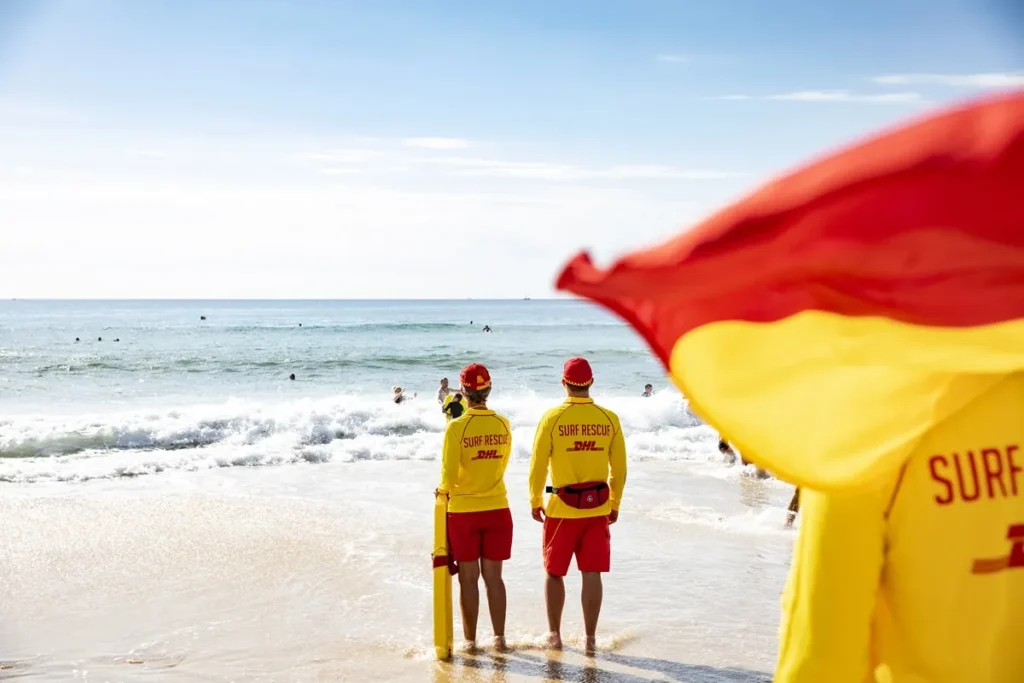
Australia’s outdoor settings require attention to local conditions. At patrolled beaches, swim between the red and yellow flags and follow lifeguard advice. Observe warnings around tropical waterways, and check park and road notices before excursions. Tourism Australia’s safety guidance covers beach visits, wildlife and remote travel.
For travellers with limited mobility, compare the details of each activity. A boat may have an accessible cabin but a difficult boarding point, while a scenic walk may include steps or uneven ground. Ask operators about transfers, toilets, walking distances and equipment storage before booking.
The accessible-travel guide can help identify options, and the Sydney Opera House offers a dedicated Mobility Access Tour. Confirm arrangements directly and give yourself recovery time after long flights. Fewer hotel changes and a mix of active outings and quieter days can make an Australian journey more comfortable and more memorable.
Australia brings together coastal cities, tropical reefs and ancient landscapes. Our guide covers regional highlights, culture and practical tips on seasons, transport and accessibility.