

A Journey Into the Heart of Imperial China

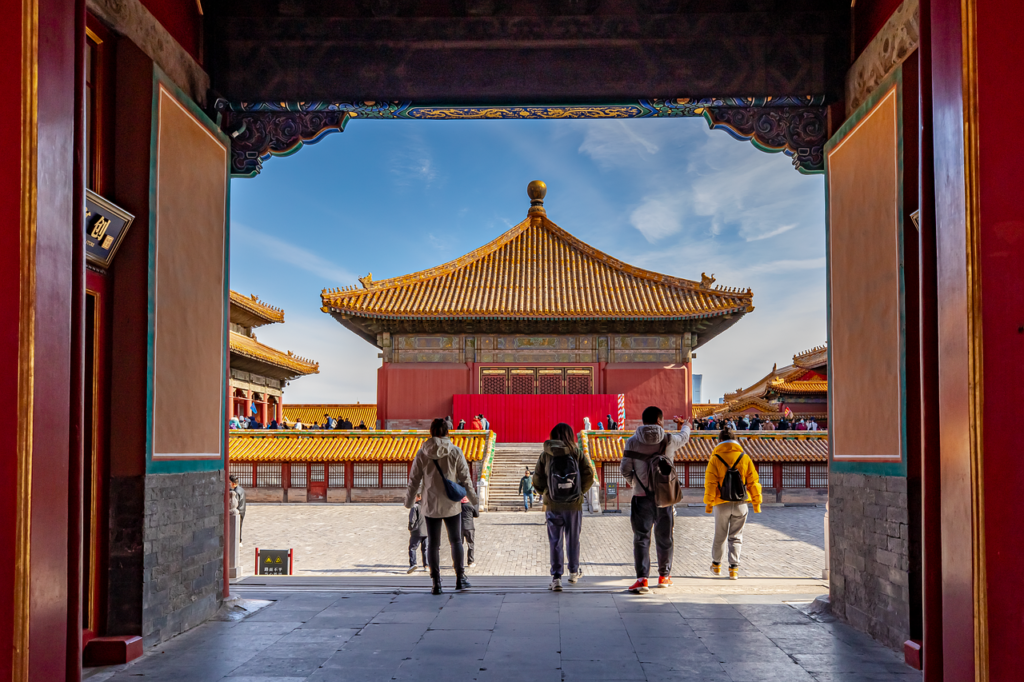
Standing as the world’s largest and best-preserved ancient wooden palace complex, the Forbidden City in Beijing is more than just a tourist attraction; it is a profound testament to China’s imperial grandeur and architectural genius. Inscribed as a UNESCO World Heritage Site in 1987, this sprawling “city within a city” served as the ceremonial and political center of the Ming and Qing dynasties for over 500 years. Covering 72 hectares and housing over 8,700 rooms, it remains a bucket-list destination for travelers seeking to walk in the footsteps of 24 emperors.

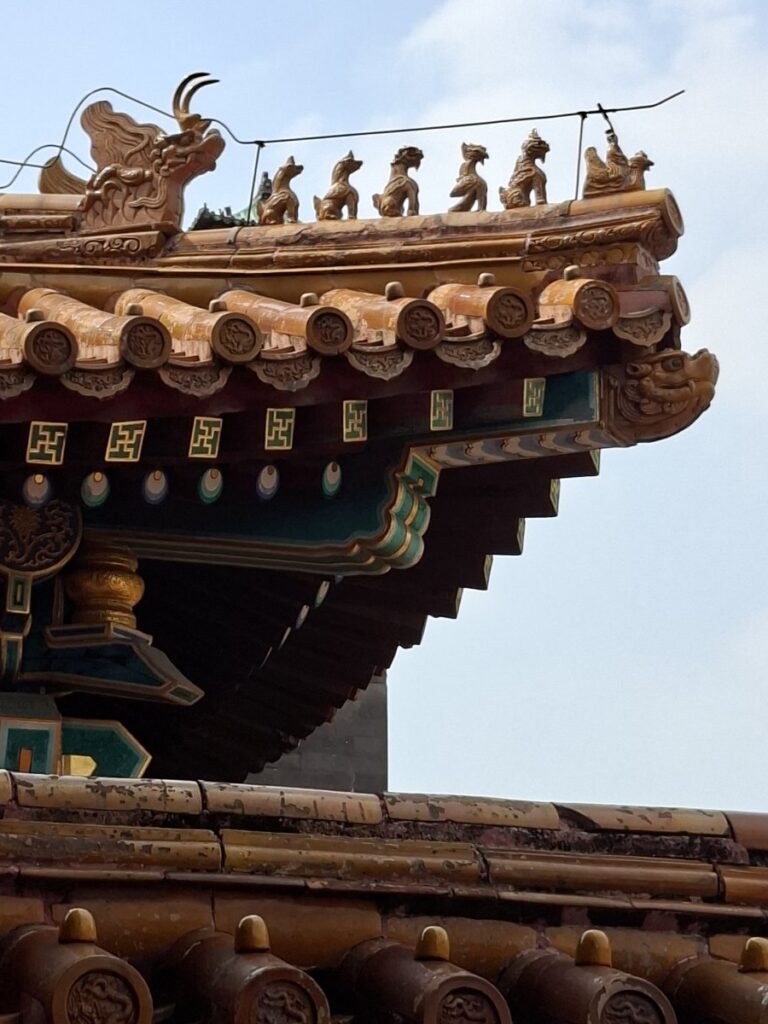
The Forbidden City houses a staggering 980 buildings, dominated by the Hall of Supreme Harmony, where emperors were enthroned. The complex is divided into the Outer Court, used for grand ceremonial purposes, and the Inner Court, where the imperial family resided. Each palace features symbolic yellow-glazed roof tiles and intricate wooden carvings. Visitors often explore the Palace of Heavenly Purity and the Six Western Palaces, which offer a glimpse into the opulent, secluded lives of China. 
Preparing for Your Visit: The Reservation Requirement

In recent years, the management of the Palace Museum (the official name of the Forbidden City) has implemented strict visitor controls to protect the delicate wooden structures. Spontaneous visits are no longer possible; advance booking is mandatory.

  • Ticket Booking: Tickets must be reserved online through the official WeChat mini-program or authorized platforms like Trip.com.
  • Daily Limits: The site currently limits visitors to 40,000 per day. During peak seasons—such as the National Day holiday in October or the Lunar New Year—tickets often sell out weeks in advance.
  • Entrance Fees: The standard adult entry fee is approximately 60 RMB during the peak season (April–October) and 40 RMB during the low season (November–March). Additional fees apply for the Treasure Gallery and the Clock Gallery.
The Logistics: Passports and Patience

Entering the Forbidden City is a multi-stage process that requires both a valid identification document and patience.

  • Passport Checks: For international travelers, your original passport is your ticket. There are no physical paper tickets; instead, your passport number is linked to your digital reservation. Expect multiple passport checks and security screenings, starting at the approach to Tiananmen Square and continuing at the Meridian Gate (Wumen), the main entrance to the palace.
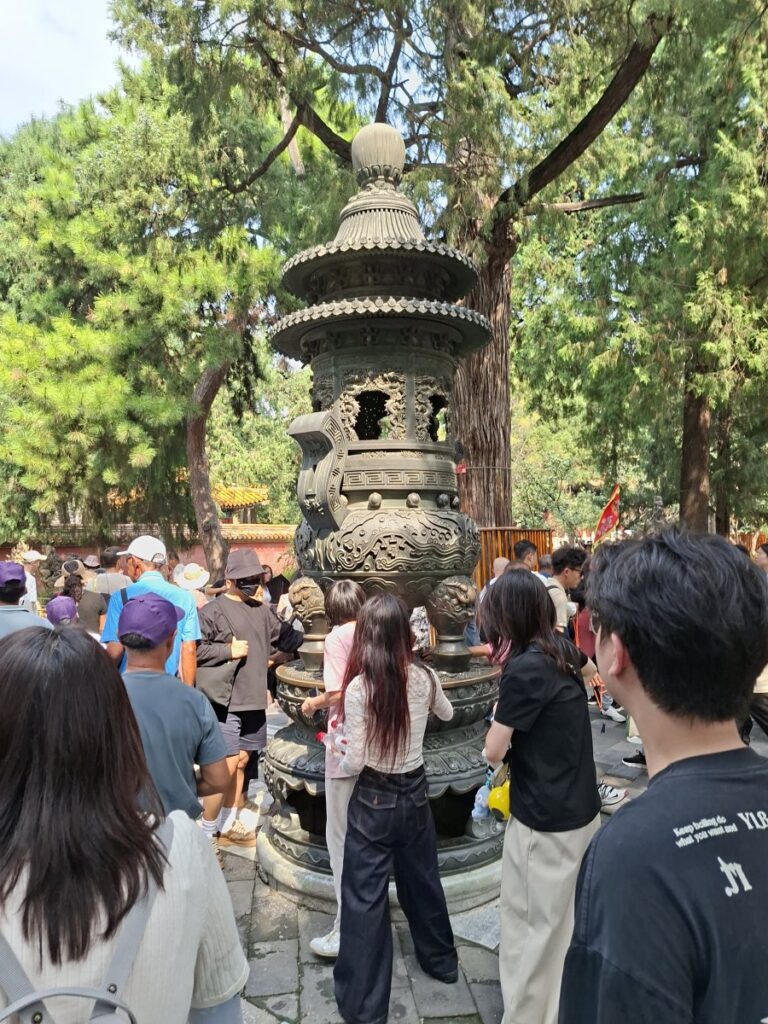
  • Long Queues: Despite the daily cap, the sheer volume of visitors means that long queues are common, especially at the security checkpoints and the main entrance gates. Arriving early in your allotted time slot is essential to navigate these crowds.
When to Go and What to See

To truly appreciate the architectural harmony of the site, timing is everything.

  • Recommended Visit Time: The best months to visit are late spring (May) and autumn (September to October) when the weather is mild and the skies are often clear. Avoid the sweltering heat of July and August or the freezing winds of January if possible.
  • The Route: Most visitors follow the Central Axis, which leads through the most important structures: the Hall of Supreme Harmony, the Hall of Central Harmony, and the Hall of Preserving Harmony. For a quieter experience, wander into the smaller courtyards of the Eastern and Western Six Palaces, where the emperors’ consorts once lived.
A Living Museum: The Costume Phenomenon

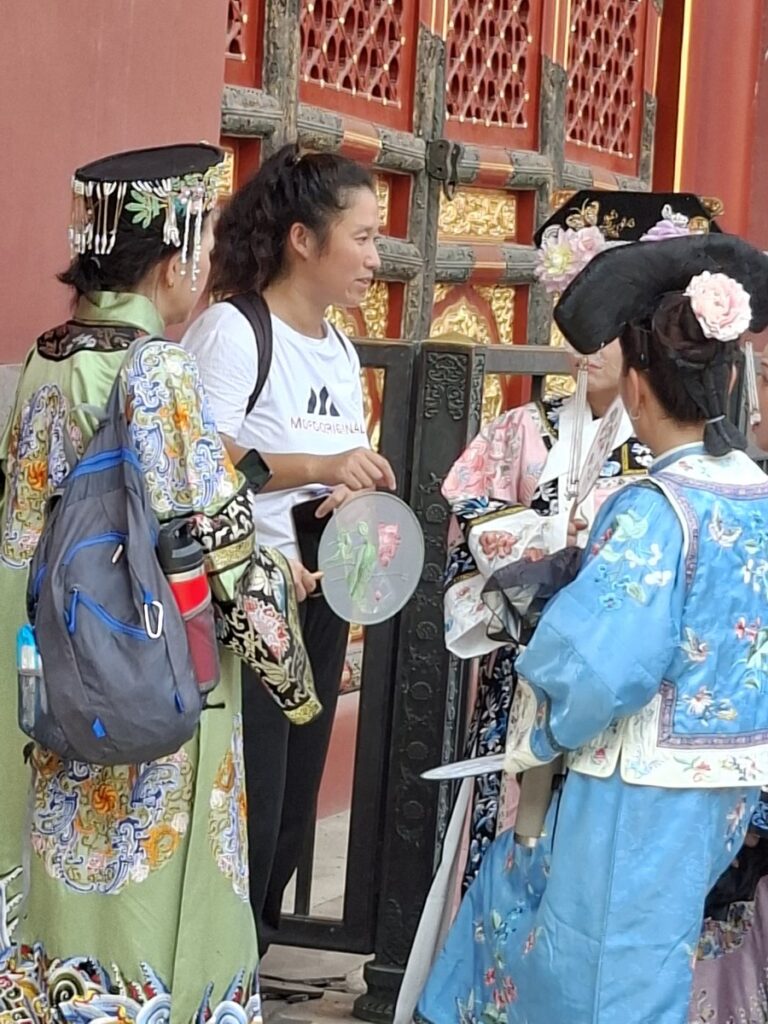
One of the most striking sights for modern visitors is the vibrant sea of “royalty” wandering the courtyards. A massive trend has emerged where tourists—both domestic and international—rent elaborate traditional Chinese costumes for their visit.

You will see “empresses” in heavy Qing Dynasty silk robes and “princesses” wearing intricate Hanfu from the Ming era, complete with ornate headpieces and traditional makeup. Dozens of photography studios near the East and West gates offer full transformation packages, allowing visitors to capture stunning social media content against the backdrop of the iconic red walls and yellow glazed tiles.

Related posts

Mekong: Soul of Southeast Asia

In 2026, a Mekong River cruise offers an intimate journey through the heart of Southeast Asia, connecting the ancient temples of Cambodia with Vietnam’s vibrant delta. Travelers experience floating markets, remote monasteries, and lush landscapes from luxury vessels, providing a profound look at the region’s rich cultural heritage.

Read More »

China: Global Power Dynamics

China offers a profound travel experience where ancient history meets futuristic innovation. In 2026, visitors can explore diverse landscapes, sample the “Eight Great Cuisines,” and travel efficiently using the world’s largest high-speed rail network. It remains an affordable destination, promising unforgettable experiences from the Great Wall to the Shanghai skyline.

Read More »

Journey Through Time and Stone

The Great Wall of China is a majestic 13,171-mile fortification spanning 2,700 years of history. In 2026, the Mutianyu section remains a top choice for its scenic views and thrilling toboggan ride, while Badaling offers high-speed train access. Visitors must book tickets in advance through official platforms to manage daily caps.

Read More »
Scroll to Top