

Angkor Wat: The Heart of the Khmer Empire

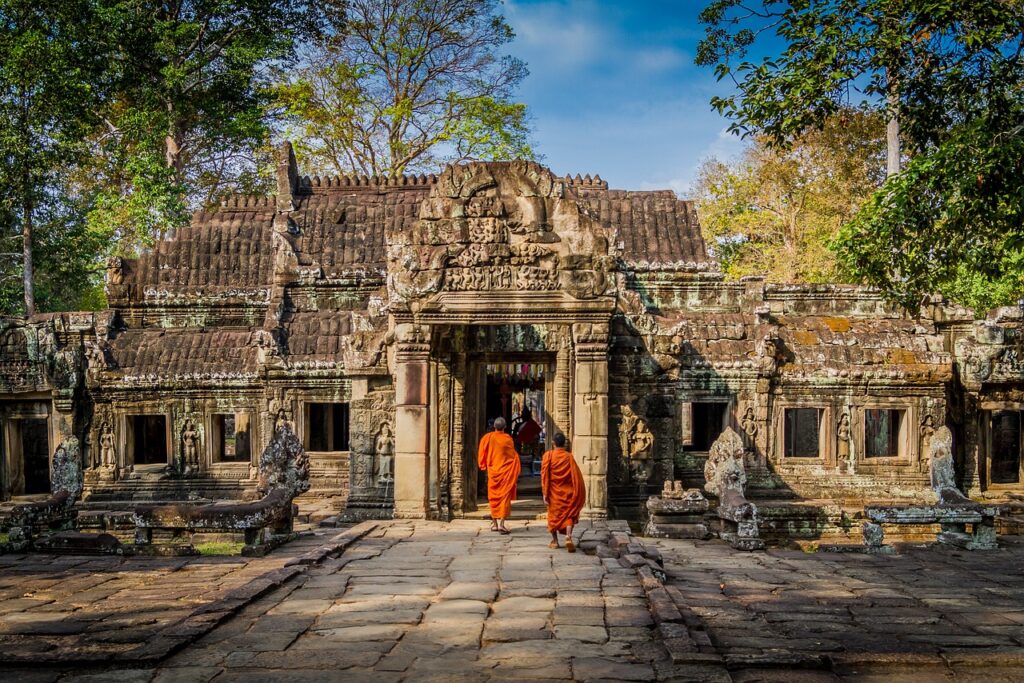
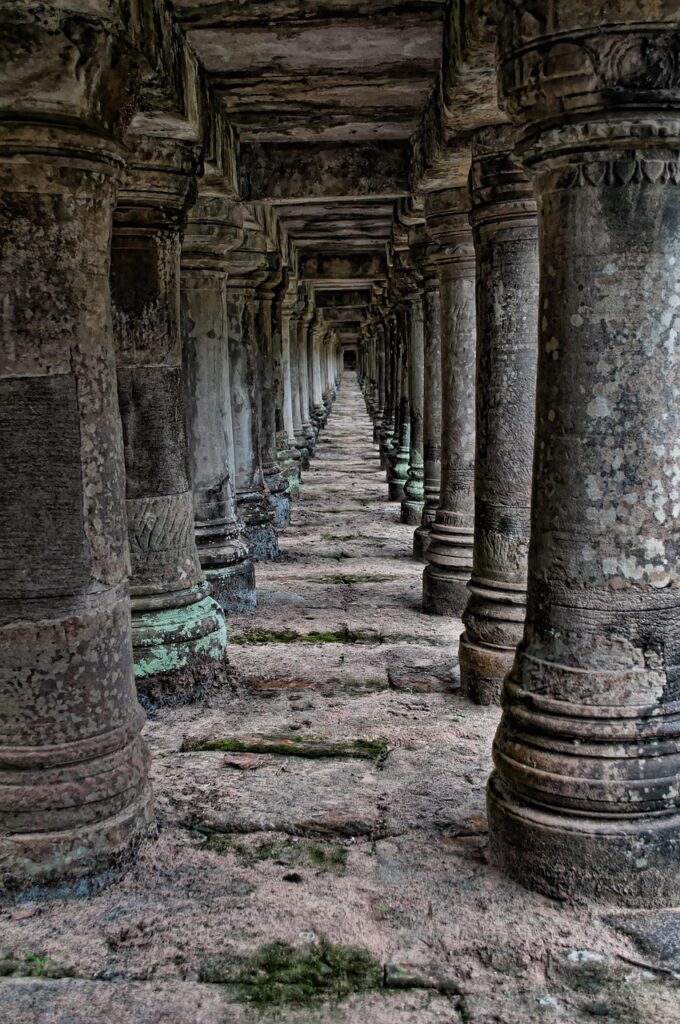
Angkor, located in northern Cambodia, is one of the most important archaeological sites in Southeast Asia. Stretching over 400 square kilometers, the Angkor Archaeological Park contains the magnificent remains of the different capitals of the Khmer Empire, from the 9th to the 15th century. It is not just a collection of ruins but a profound symbol of Cambodian soul and a masterpiece of human creativity.


A Journey Through History

The city of Angkor was the center of a powerful Hindu-Buddhist empire. Construction reached its peak in the 12th century under King Suryavarman II, who built Angkor Wat as a funerary temple dedicated to the god Vishnu. Later, King Jayavarman VII expanded the empire’s architectural glory by building the walled city of Angkor Thom. After the fall of the empire in the 15th century, the site was largely reclaimed by the jungle until it gained international fame in the late 19th century.

When to Visit

The best time to visit is during the cool, dry season (November to February), when temperatures are pleasant for walking. However, this is also peak tourist season. For those who don’t mind the humidity, the rainy season (June to October) offers lush green landscapes and fewer crowds, making the temples look even more mystical. Regardless of the season, aim to arrive at the gates by 5:00 AM to catch the sunrise—it is an experience you will never forget.


Must-Visit Temples
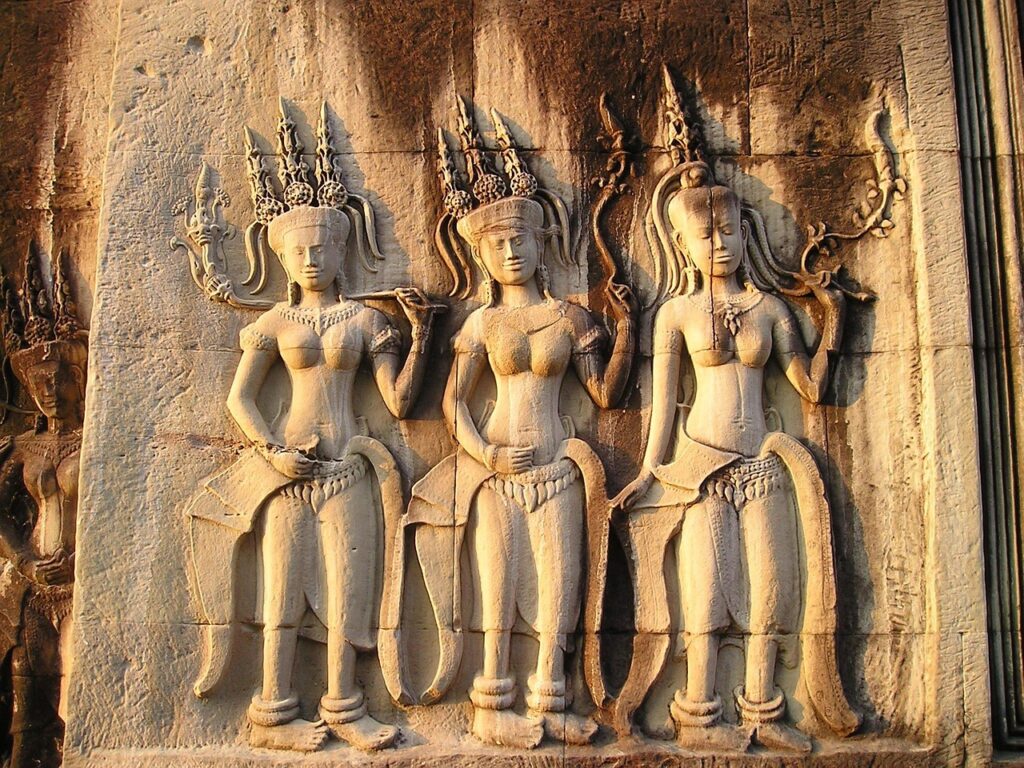
  • Angkor Wat: The crown jewel. Famous for its five lotus-like towers and incredible bas-reliefs. It is the best spot to witness a breathtaking sunrise.
  • The Bayon (Angkor Thom): Known for the hundreds of massive, serene stone faces carved into its towers.
  • Ta Prohm: Often called the “Tomb Raider Temple,” it has been left largely as it was found, with massive tree roots entwined around the ancient stone walls.
  • Banteay Srei: A bit further away, this “Citadel of Women” is famous for its intricate, pink sandstone carvings.
How to Get There

The gateway to Angkor is the city of Siem Reap.

  • By Plane: Siem Reap-Angkor International Airport (SAI) connects the city with major Asian hubs.
  • Local Transport: From Siem Reap, the most popular way to reach the temples is by tuk-tuk (around $15–$25 for a full day). You can also rent bicycles or hire a private air-conditioned car for more comfort.
Entrance Fees (2026)

The “Angkor Pass” is required for all visitors (except Cambodians). Travelers can purchase passes online through the official Angkor Enterprise website or at self-service kiosks in Siem Reap, which now provide instant digital QR codes to skip long morning ticket lines.

  • 1-Day Pass: $37
  • 3-Day Pass: $62 (valid for 10 days)
  • 7-Day Pass: $72 (valid for one month)

Related posts

Mekong: Soul of Southeast Asia

In 2026, a Mekong River cruise offers an intimate journey through the heart of Southeast Asia, connecting the ancient temples of Cambodia with Vietnam’s vibrant delta. Travelers experience floating markets, remote monasteries, and lush landscapes from luxury vessels, providing a profound look at the region’s rich cultural heritage.

Read More »
Scroll to Top