

Belgium – Chocolate, Beer,
and History
Why Visit Belgium?
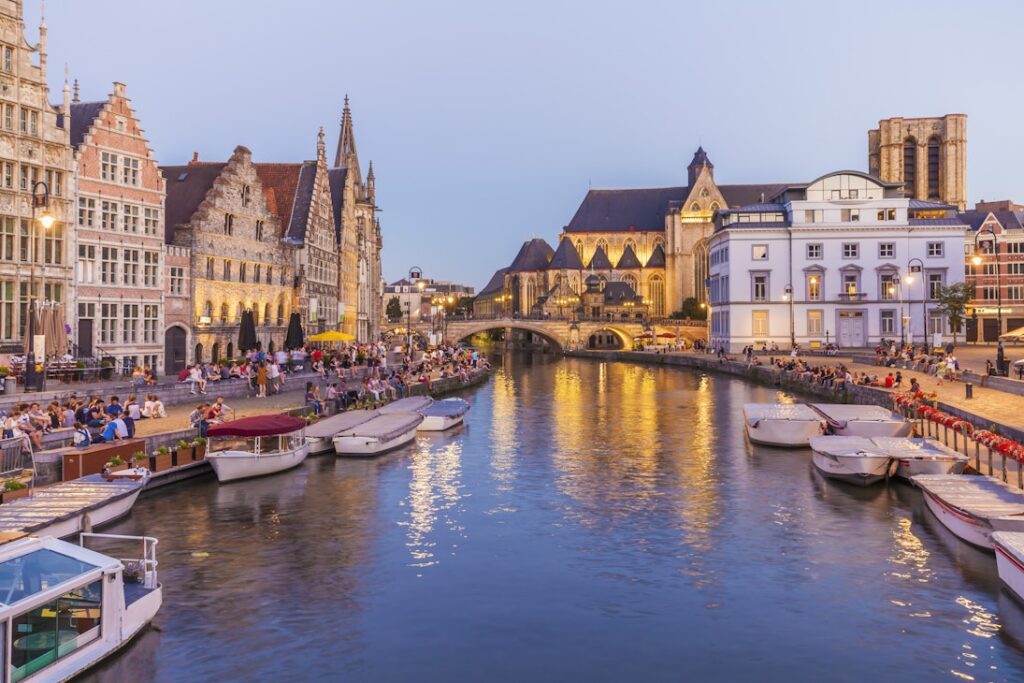
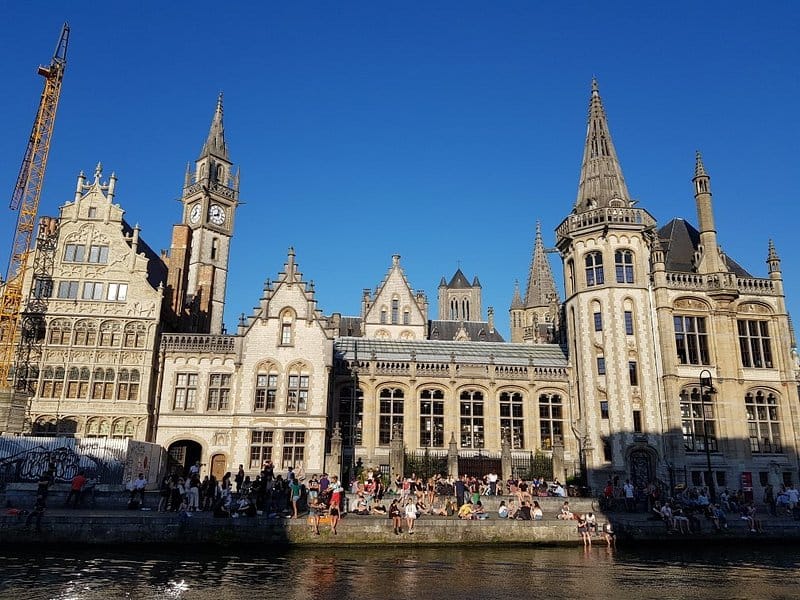
Belgium offers a compelling blend of rich history and modern charm. Visitors are drawn to the perfectly preserved medieval cities like Bruges and Ghent, where cobbled streets, tranquil canals, and stunning architecture create a fairytale atmosphere. Brussels, the vibrant capital, is a hub of European culture and an excellent base for exploring the nation’s diverse regions.
The country is a culinary powerhouse. Indulge in unparalleled chocolate, savor a golden-fried mussel-and-fries dish, or explore the world-renowned beer culture with its Trappist ales and lambics. Art lovers will appreciate masters like Rubens and Magritte, while the historical significance of Flanders Fields and the Ardennes provides a poignant experience. Belgium guarantees an enriching and delicious escape.
Fun Facts:
Belgium has the highest density of castles per square kilometer in the world, with over 3,000 historic fortresses and palaces scattered across the country. Belgium is the birthplace of legendary comic characters like Tintin and The Smurfs. Brussels even features an official “Comic Book Route” with over 50 giant murals on city buildings.
Basic Facts at a Glance
- Capital: Brussels
- Region: Western Europe
- Population: About 11.7 million
- Official languages: Dutch, French, German
- Currency: Euro (EUR)
- Time zone: CET (UTC+1), CEST (UTC+2 in summer)
- Entry requirements: Schengen Area rules apply for most visitors
Climate and Best Time to Visit:
- Spring (Apr–Jun): Mild, green, and pleasant
- Summer (Jul–Aug): Warm with festivals and longer days
- Autumn (Sep–Oct): Cooler, fewer crowds
- Winter (Nov–Mar): Cold, festive markets in December
Best time to visit: May–September
Main Attractions
Cities
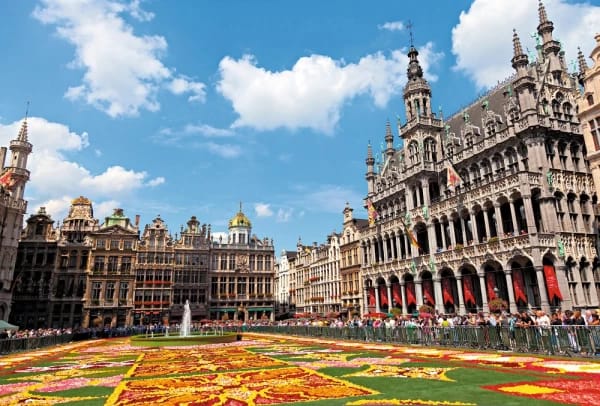
- Brussels – The capital of Belgium and the EU, known for grand squares, museums, and international atmosphere.
- Bruges – A beautifully preserved medieval city with canals and cobblestone streets.
- Ghent – A lively university city blending historic architecture with modern culture.
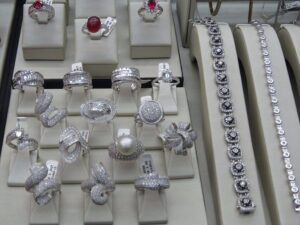
- Antwerp – A fashion and diamond centre with a vibrant port and creative scene.
- Liège – A dynamic city with French influence and strong local character.
Iconic Sights
- Grand Place (Brussels) – One of Europe’s most stunning city squares.
- Canals of Bruges – Often called the “Venice of the North.”
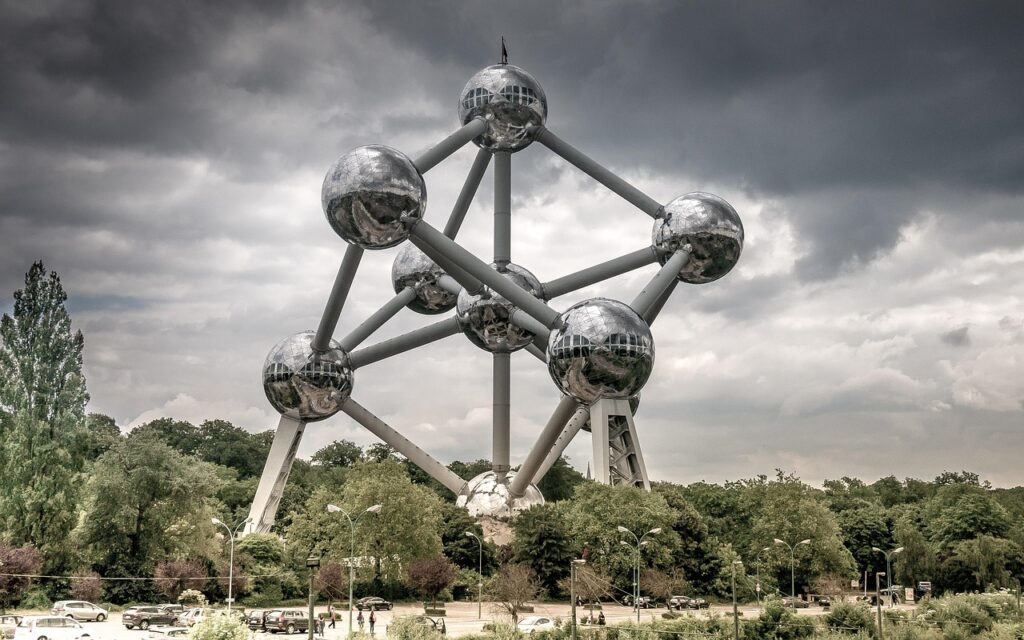
- Atomium – A futuristic landmark and symbol of Brussels.
- Flanders battlefields – Important historical sites from World War I.
- Belgian coastline – Sandy beaches and seaside resorts along the North Sea
Cuisine and Drinks
In 2026, Belgium remains a premier culinary destination where medieval tradition meets modern flair. The nation is famous for its mussels and fries (moules-frites), typically served with creamy mayonnaise. For a savory main, try Carbonnade flamande, a rich beef stew slow-cooked in dark abbey beer. Street food lovers shouldn’t miss the golden Liège waffles, distinguished by their crunchy pearl sugar, or the lighter Brussels variety.
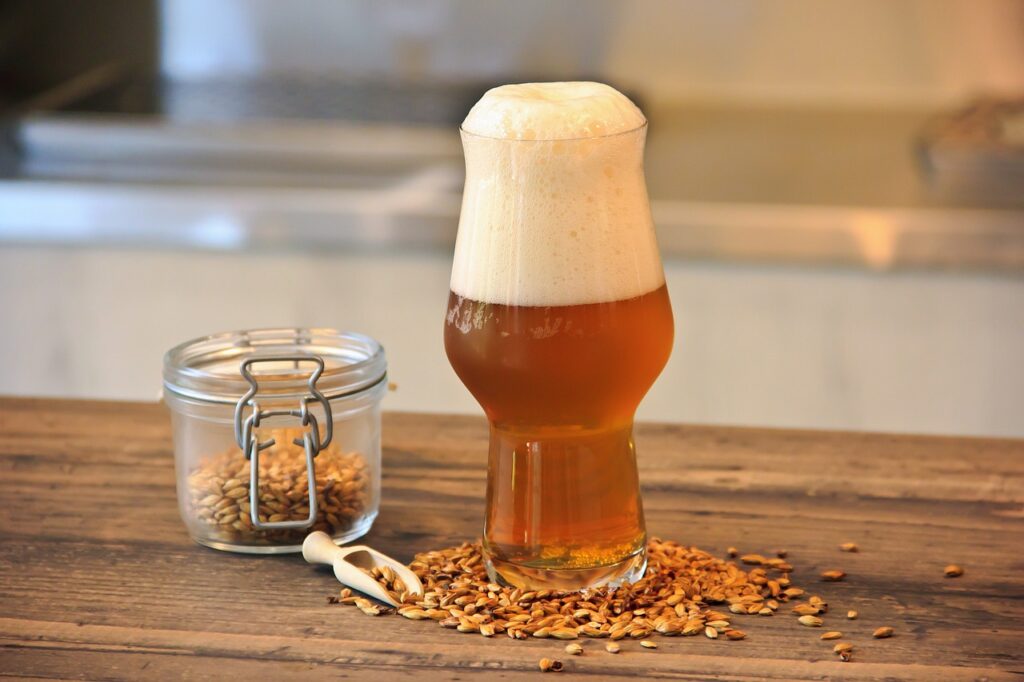
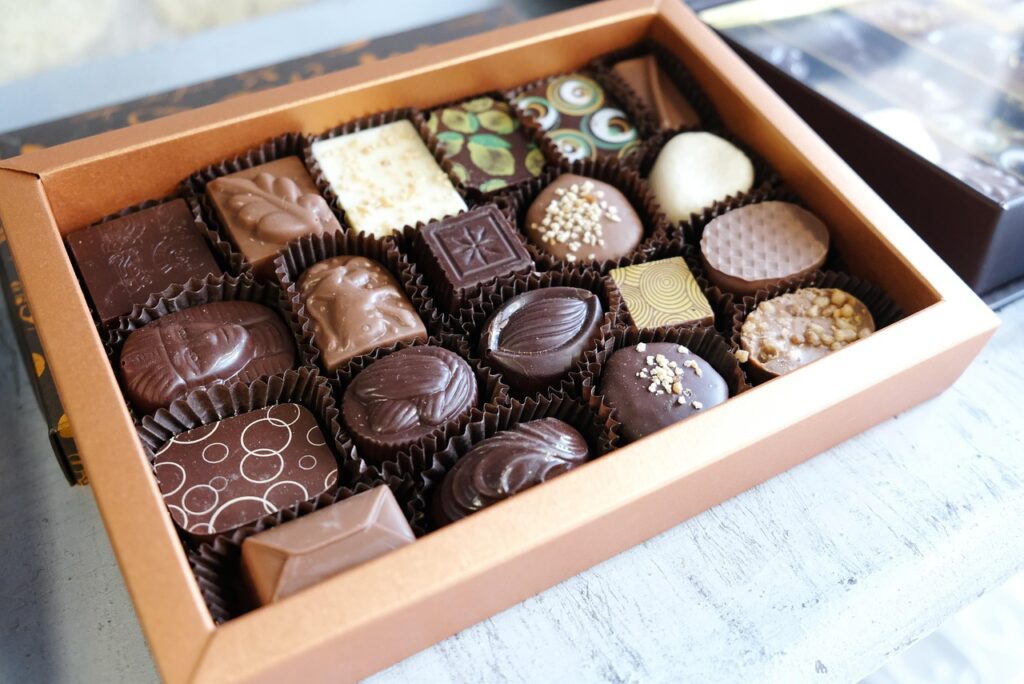
The drink culture is centered on world-renowned beer, with over 1,500 varieties ranging from rare Trappist ales brewed by monks to tart, spontaneously fermented Lambics. Conclude your journey with world-class Belgian chocolate; artisanal pralines and truffles are legendary in cities like Brussels and Bruges. In 2026, many tours offer dedicated beer and chocolate pairings to celebrate these two national icons.
Getting Around
Belgium has one of Europe’s most efficient public transport systems. Trains connect all major cities quickly, making day trips easy. Cities are compact and walkable, and cycling is popular. Car travel is convenient but not necessary for most visitors.
Costs and Budget
Belgium is moderately priced by Western European standards. Accommodation in major cities can be expensive, but food and transport offer good value. Many museums and attractions have reasonable entrance fees, and city passes can reduce costs.
Culture and Traditions
Belgium has a rich cultural mix shaped by its Dutch- and French-speaking regions. Art, architecture, comics, and festivals play an important role in daily life. Belgians value quality, craftsmanship, and good food. Museums, historic buildings, and local events are easy to access even in smaller cities.
Safety and Practical Information
Belgium is generally safe for tourists. Normal precautions are advised in busy urban areas.
- Power sockets: Type C and E
- Internet: Fast and reliable
- Tipping: Not required; service is included
- Language: English widely spoken, especially in cities
Final Verdict – Is Belgium Worth Visiting?
Pros:
- Rich history in compact distances
- Excellent food and drink culture
- Beautiful medieval cities
- Easy travel connections
Cons:
- Weather can be unpredictable
- Smaller country with fewer natural landscapes
Verdict:
Belgium is an ideal destination for culture lovers, food enthusiasts, and city explorers. Its charm lies in quality rather than size, making it perfect for short but memorable trips.