


Golden Sunshine, No Barriers: California on Wheels
When it comes to accessible travel in the United States, California stands as the undisputed leader. Thanks to the Americans with Disabilities Act (ADA) passed in 1990, accessibility in the U.S. is not just a courtesy—it is a federal law. California has embraced these standards more than perhaps any other state, offering a seamless blend of modern infrastructure, inclusive public spaces, and breathtaking natural wonders. For a wheelchair user, the “Golden State” truly offers a golden experience.
The Power of the ADA in California
The biggest advantage of traveling to California is the consistent access. Whether you are in a remote mountain lodge or a luxury hotel in Beverly Hills, certain standards are guaranteed.
- ADA Hotel Rooms: By law, hotels must offer rooms with specific features, including roll-in showers, grab bars, lowered sinks, and widened doorways.
- Service & Assistance: Accessibility is ingrained in the service culture. From specialized rental vans with hydraulic lifts to the availability of beach wheelchairs, the state is equipped for every type of mobility need.
- Documentation: While many state-run attractions offer discounts for disabled visitors, simply showing a domestic or international disability ID is usually sufficient to access priority lines or specialized seating.
Practical Tips for Your Trip
- Size Matters: In California, “everything is bigger.” This is a major plus for wheelchair users. Hallways are wider, doorways are larger, and “Restrooms” are spacious, often featuring a dedicated family or “unisex” accessible stall.
- Power and Charging: The U.S. uses a 110V/60Hz electrical system. If you are bringing a power wheelchair from Europe (220V), you will need a heavy-duty voltage transformer, not just a simple plug adapter, to avoid damaging your chair’s battery.
- The “California Spirit”: Locals are generally very proactive and helpful. If you encounter a heavy door or a tricky curb, someone will almost certainly offer assistance before you even have to ask.
- Weather: California is huge. While the south is sunny year-round, Northern California can be chilly and damp. Check the forecast to ensure you have the right gear for your wheelchair (like tire covers for mud or rain capes).
Transport: Freedom on Four Wheels
Driving and Rentals
Because the U.S. is a car-centric society, renting an accessible vehicle is the most popular way to explore. Companies like MobilityWorks and Wheelers offer minivans with ramps or lifts. Parking is also a breeze; California has strict laws regarding “blue zones” (accessible parking), and they are plentiful even in crowded city centers.
Public Transit
- San Francisco: While the city is famous for its steep hills, its public transit is remarkably accessible. The BART (subway) and MUNI buses are 100% accessible. Even the historic F-Line streetcars have been retrofitted with elevators at key stops.
- Los Angeles: Every bus in the LA Metro fleet is equipped with a ramp or lift. The light rail system is also fully level-access, making it possible to travel from Downtown to the Santa Monica Pier without ever encountering a step.
Top Accessible Experiences in the Golden State
San Francisco: The City by the Bay
Despite its vertical reputation, the city’s most iconic sights are very friendly to wheels.
- The Golden Gate Bridge: The pedestrian walkway is wide, flat, and offers smooth paving for the entire journey across the strait.
- Alcatraz Island: The ferries are fully accessible. Once on the island, a specialized electric shuttle (the S.E.A.T. tram) is available to transport wheelchair users up the steep incline from the dock to the cellhouse.
San Diego: Sun, Surf, and Sand
San Diego is perhaps the most wheelchair-friendly city in the world.
- Accessible Beaches: Many beaches, such as Mission Beach and Coronado, provide free use of power or manual beach wheelchairs with oversized tires that glide over the sand and into the water.
- San Diego Zoo: This world-famous zoo is a leader in inclusive design, providing elevators, ramps, and shuttle buses with lifts to ensure every animal enclosure is viewable.
Yosemite National Park: Nature Without Barriers
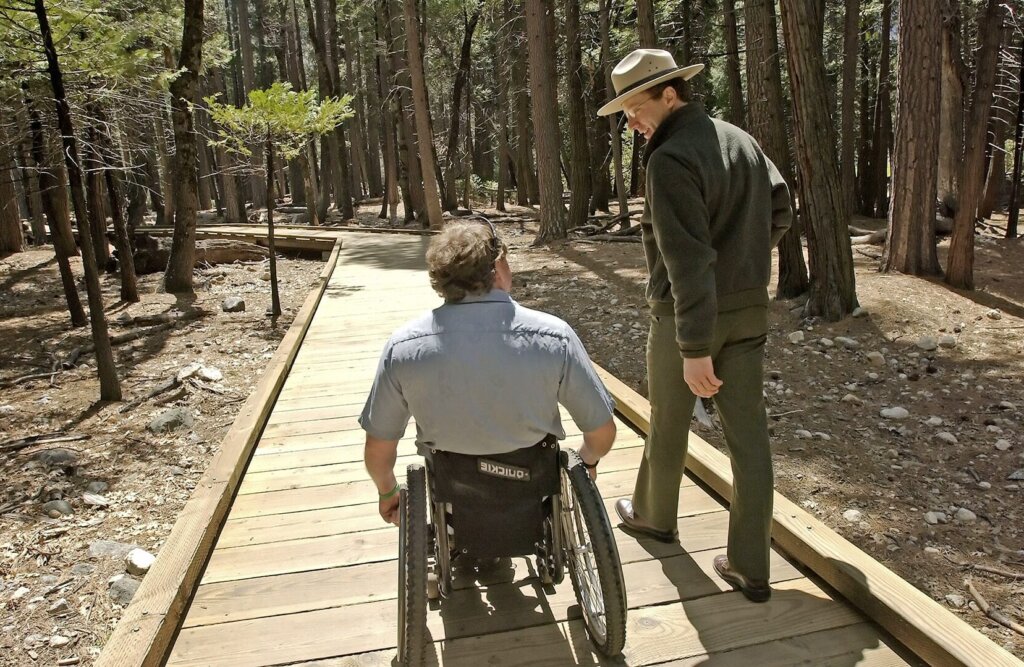
Yosemite proves that the great outdoors can be inclusive. The park has invested heavily in accessibility.
- Paved Trails: The Lower Yosemite Fall Trail and the Cook’s Meadow Loop are completely paved and flat, allowing wheelchair users to get directly to the base of North America’s tallest waterfall.
- Shuttle System: All park shuttle buses are equipped with lifts, allowing for easy travel between the visitor center, lodges, and trailheads.
Theme Parks: Magic for Everyone
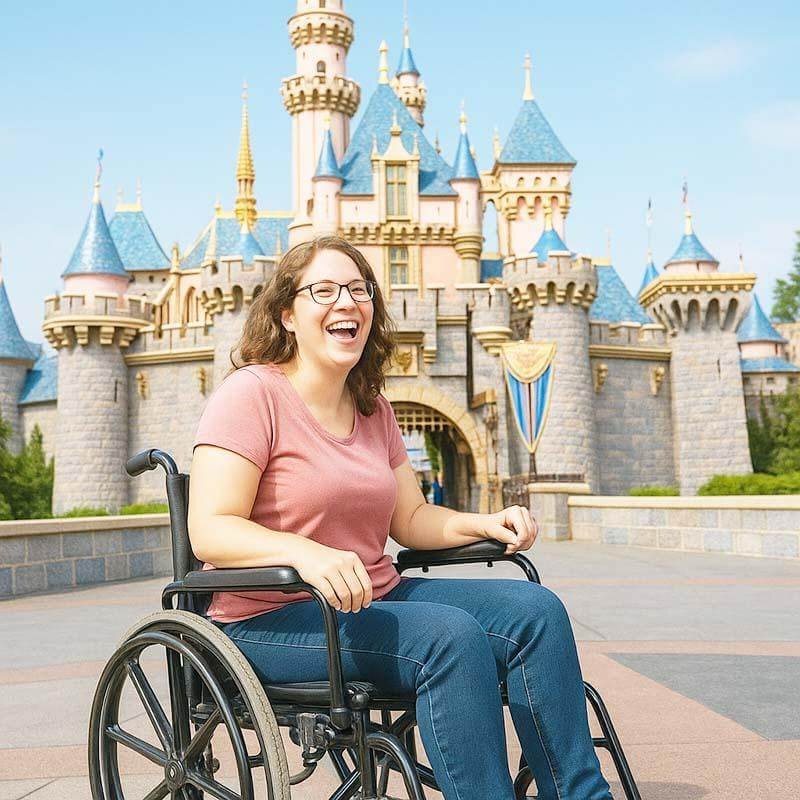
California’s theme parks, including Disneyland and Universal Studios Hollywood, are masters of accessibility. Disneyland provides an “App Attraction Access” system for those who cannot wait in standard lines, and many rides allow you to stay in your wheelchair or provide specialized transfer devices.
Conclusion