






China – Land of the Great Wall, Pandas, and Ancient Civilization

Why Visit China?

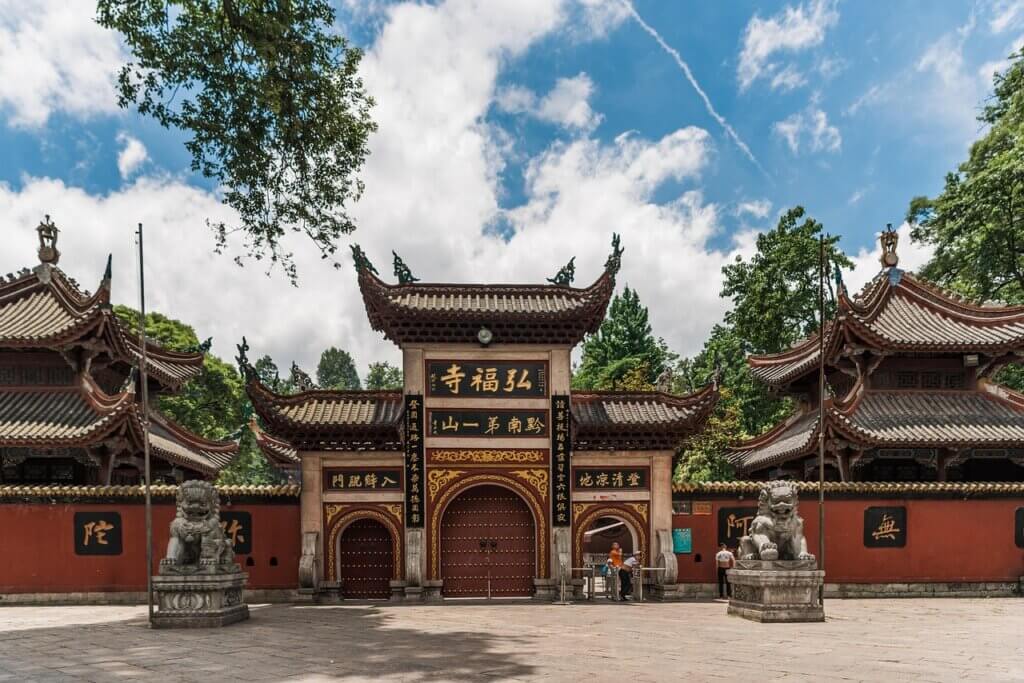
The country offers a peerless journey through a land where thousands of years of history meet a hyper-modern future. As of 2026, the country remains a premier destination for those seeking UNESCO World Heritage Sites, boasting nearly 60 recognized locations including the majestic Great Wall and the storied Forbidden City.

Travelers are drawn to China’s “megadiverse” landscapes, ranging from the surreal limestone pillars of Yangshuo and Zhangjiajie to the “Eternal Spring City” of Kunming.  Culinary enthusiasts can explore eight great regional cuisines, from spicy Sichuan hotpot to authentic Peking duck.

Navigating this vast country is easier than ever in 2026, thanks to a high-speed rail network spanning over 48,000 km and connecting more than 550 cities. Whether you are seeking the neon-lit skylines of Shanghai or the cultural quiet of ancient Hakka tulou houses, China provides an affordable, safe, and profoundly transformative travel experience.

Fun fact: China is home to the Great Wall, which stretches over 21,000 kilometers (13,000 miles) – long enough to circle the Earth more than half a time!

Basic Facts at a Glance
  • Capital: Beijing
  • Region: East Asia
  • Population: About 1.4 billion
  • Official language: Mandarin Chinese
  • Currency: Renminbi (Yuan, CNY)
  • Time zone: China Standard Time (UTC+8)

Fun fact: China has the largest population of any country in the world.

Climate and Best Time to Visit
  • Climate: Varies from tropical in the south to subarctic in the north
  • Best time: Spring (March–May) and autumn (September–October) for mild weather and fewer crowds

Fun fact: China’s vast size means you can experience snowy mountains, deserts, tropical beaches, and temperate forests all in one country.

Main Attractions


Cities & Towns

  • Beijing: Capital with the Forbidden City, Tiananmen Square, and Temple of Heaven.
  • Shanghai: Modern metropolis with skyscrapers, the Bund, and vibrant nightlife.
  • Xi’an: Home to the Terracotta Army and ancient city walls.
  • Chengdu: Famous for giant pandas and Sichuan cuisine.

Fun fact: Beijing’s Forbidden City is the world’s largest ancient palace complex, with over 9,000 rooms.

Natural Wonders

  • Yangtze River: Longest river in Asia with scenic cruises and the Three Gorges.
  • Zhangjiajie National Forest Park: Inspiration for the floating mountains in the movie Avatar.
  • Huangshan (Yellow Mountains): Famous for granite peaks, pine trees, and “sea of clouds.”
  • Jiuzhaigou Valley: Multi-colored lakes, waterfalls, and lush forests.
Food and Drink
In 2026, Chinese gastronomy continues to be a profound reflection of the nation’s regional diversity and ancient philosophies. The “Eight Great Cuisines”—including fiery Sichuan, refined Cantonese, and fresh Jiangsu—offer a spectrum of flavors ranging from numbing spice to delicate umami. Modern trends emphasize “hyper-regional” authenticity, with dishes like Cantonese rice noodle rolls and Sichuan pickled chili fish gaining global prominence.
The drinking culture is equally rich, centered on two pillars: tea and baijiu. Tea remains the “national drink,” deeply rooted in a 3,000-year history of wellness and meditation. Conversely, baijiu—the world’s most-consumed spirit—dominates social celebrations and business banquets with its bold, complex aromas.
Food in China is more than sustenance; it is a symbolic language, with longevity noodles representing long life and dumplings symbolizing prosperity. Whether exploring street food markets or high-end teahouses, the 2026 culinary scene provides a transformative journey through China’s living heritage.
Getting Around

China has an extensive transport network including high-speed trains, buses, domestic flights, and metro systems in major cities.

Travel between cities is efficient and reasonably priced. A second-class seat on the popular Beijing to Shanghai high-speed route costs roughly $80. Within cities, metro rides are exceptionally cheap, often under $1.50, and taxi starts are generally less than $2

By leveraging local payment apps like Alipay or WeChat Pay, travelers in 2026 can often access further discounts on food and transport. 


Fun fact: China’s high-speed rail system is the largest in the world, with trains reaching up to 350 km/h (217 mph).

Safety and Practical Information

China is generally safe for tourists, though travelers should be cautious of crowded areas and pickpockets.

  • Power sockets: Type A, C, and I
  • Internet: Widely available, but some Western websites are blocked; VPN recommended
  • Tipping: Not customary, though some hotels and tours accept it
  • Language: Mandarin Chinese; English spoken in tourist areas

Fun fact: Despite the language barrier, many cities have bilingual signage and English-speaking guides, making travel easier than expected.

Final Verdict – Is China Worth Visiting?

Pros:

  • Rich historical and cultural heritage
  • Stunning natural landscapes and biodiversity
  • Vibrant modern cities and traditional experiences

Cons:

  • Large crowds at popular tourist sites
  • Air pollution in some urban areas

Verdict:
China is perfect for travellers seeking history, culture, and adventure. From the Great Wall and Terracotta Army to pandas in Chengdu and the modern skyline of Shanghai, China offers a truly diverse and unforgettable journey.

Related posts

Mekong: Soul of Southeast Asia

In 2026, a Mekong River cruise offers an intimate journey through the heart of Southeast Asia, connecting the ancient temples of Cambodia with Vietnam’s vibrant delta. Travelers experience floating markets, remote monasteries, and lush landscapes from luxury vessels, providing a profound look at the region’s rich cultural heritage.

Read More »

Journey Through Time and Stone

The Great Wall of China is a majestic 13,171-mile fortification spanning 2,700 years of history. In 2026, the Mutianyu section remains a top choice for its scenic views and thrilling toboggan ride, while Badaling offers high-speed train access. Visitors must book tickets in advance through official platforms to manage daily caps.

Read More »
Scroll to Top