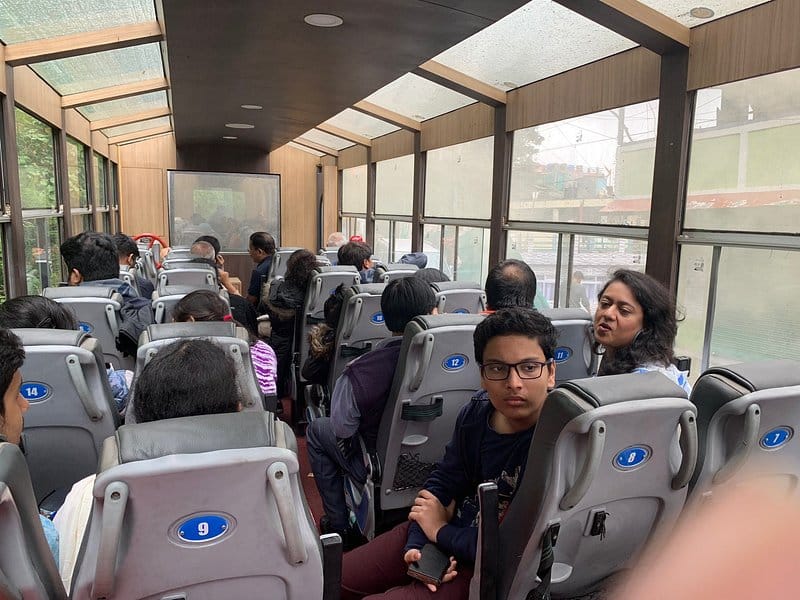
Darjeeling Himalayan Railway – The Iconic “Toy Train” Journey Through India’s Hills
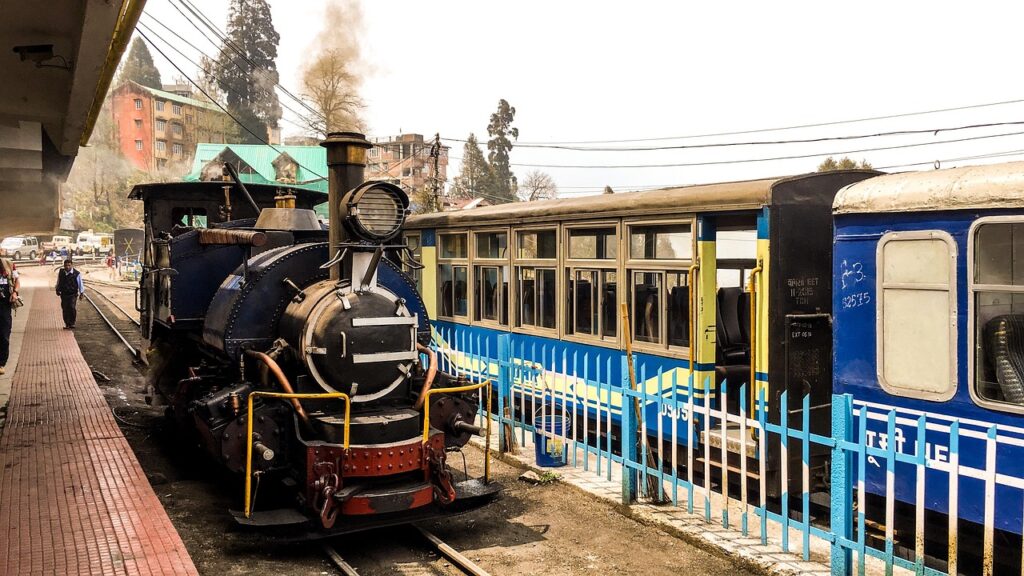
The Darjeeling Himalayan Railway (DHR), affectionately called the “Toy Train,” is one of India’s most iconic and scenic rail journeys. Traversing the picturesque hills of West Bengal, it connects New Jalpaiguri in the plains with the hill town of Darjeeling, offering travelers a unique combination of history, culture, and breathtaking landscapes. The Darjeeling Himalayan Railway is more than a scenic ride; it is a living piece of history. Built in 1881, it showcases colonial-era engineering and early mountain railway techniques. Stations such as Ghum and Kurseong highlight local architecture and heritage. Traveling the DHR provides insight into the daily lives of hill communities and tea garden workers. This journey combines natural beauty with cultural heritage, offering a deeply enriching experience for travelers. Recognized as a UNESCO World Heritage Site, the Darjeeling Himalayan Railway is renowned for its narrow-gauge tracks, charming steam engines, and dramatic hairpin bends, making it a must-do experience for train enthusiasts, photographers, and adventure travelers alike.
The Route
The DHR covers approximately 88 kilometers (55 miles) from New Jalpaiguri to Darjeeling, ascending from the plains to an altitude of 2,200 meters (7,200 feet). Highlights along the route include:
- Tea gardens and plantations – the iconic rolling tea fields of Darjeeling
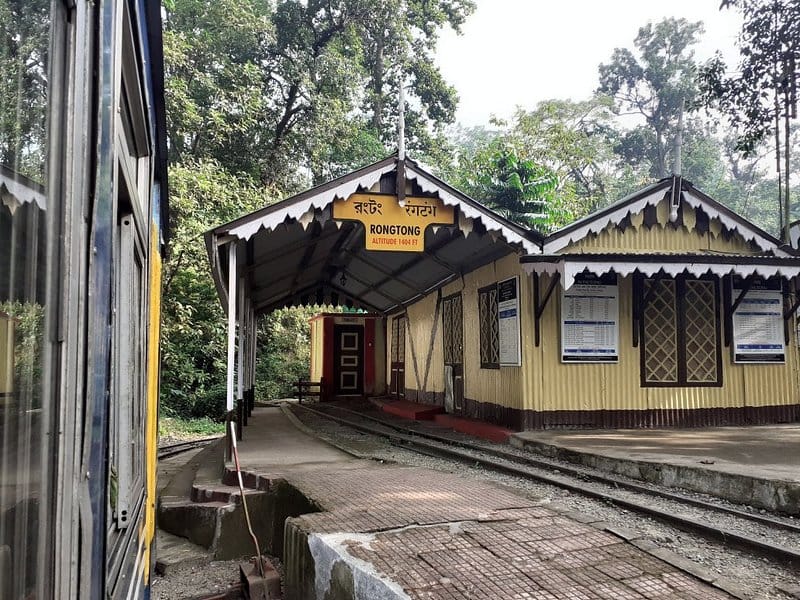
- Ghum, India’s highest railway station, offering panoramic Himalayan views
- River valleys and forests – serene landscapes along the mountainsides
- Heritage stations and colonial architecture – reflecting the railway’s history
The journey typically takes 6–7 hours, traveling at a leisurely pace to allow passengers to fully absorb the scenic and cultural richness.
Scenic Highlights
The Darjeeling Himalayan Railway offers stunning views at every turn:
- Himalayan peaks, including Kanchenjunga on clear days
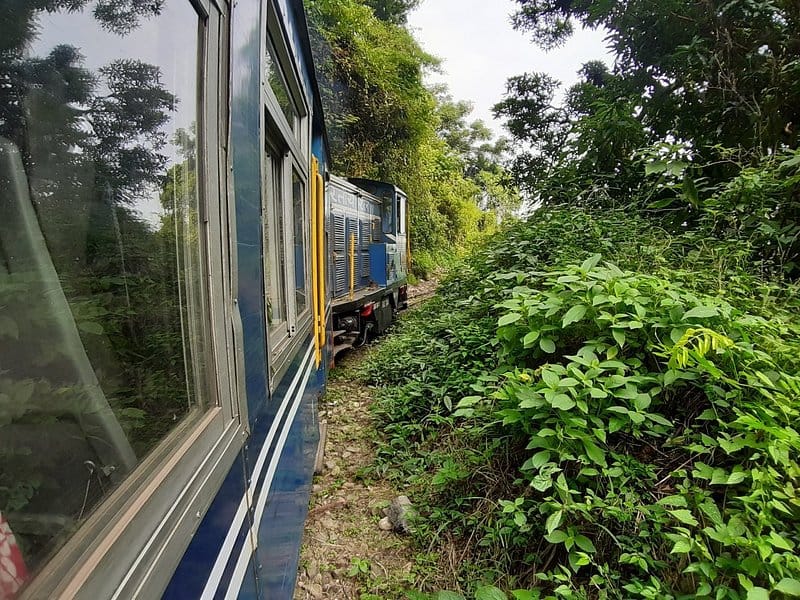
- Terraced tea gardens and lush forests along the slopes
- Steep zig-zag loops and sharp curves showcasing engineering brilliance
- Rivers and streams sparkling under the sun
Every mile offers amazing photography opportunities, making the journey ideal for both casual tourists and rail enthusiasts.
Train Experience
Travelers can enjoy the DHR in several ways:
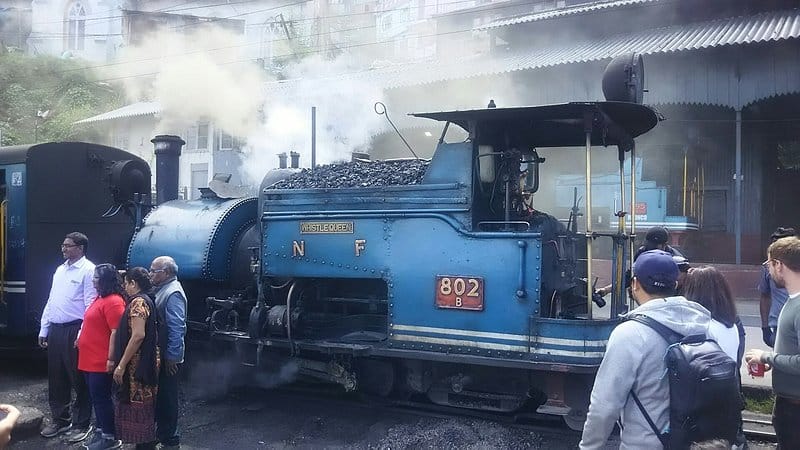
- Heritage steam engines for a nostalgic experience (availability may vary)
- Diesel-powered trains for regular service
- Open-air carriages on some trains, perfect for photography and enjoying the mountain air
The narrow-gauge train moves slowly, providing passengers with a relaxing and immersive experience while winding through hairpin turns and viaducts.
Where to Buy Tickets
1. Online via IRCTC
-
Visit the Indian Railways / IRCTC website and search for the Darjeeling Himalayan Railway toy train. You can book the joy ride or passenger seat online before your visit. Foreign cards are usually accepted.
2. At the Station Ticket Counters
-
You can buy tickets directly at Darjeeling, Kurseong, or New Jalpaiguri (NJP) railway stations from the computerized reservation counters on the day of travel, subject to availability.
3. Authorized Travel Agents / Apps
-
Some train booking apps (like RedRail, RailYatri, etc.) also allow online reservations and provide real-time availability and bookings through the official network.
Tip: During high tourist season it’s best to book online in advance to secure the scenic toy train rides, especially steam heritage services.
Cost
The Darjeeling Himalayan Railway runs from New Jalpaiguri (NJP) in the plains to Darjeeling in the hills, with the popular heritage joy ride operating between Darjeeling and Ghum, India’s highest railway station. Diesel First Class fares are around ₹1,000, while steam heritage rides cost ₹1,500–₹1,600. Short local First Class segments start at approximately ₹185.
Best Time to Travel
- Spring (March–May): mild temperatures, blooming flowers, clear skies
- Autumn (September–November): crisp air, vibrant foliage, and ideal views of the Himalayas
- Winter (December–February): cooler temperatures, fewer tourists, serene landscapes
- Monsoon (June–August): lush greenery and dramatic waterfalls, though delays may occur
Choosing the right season enhances both the comfort and visual appeal of the journey.
Why the Darjeeling Himalayan Railway Is Unmissable
- Ride one of India’s most famous UNESCO World Heritage railways
- Witness tea gardens, Himalayan peaks, rivers, and forests
- Experience heritage steam engines and open-air carriages for a full sensory adventure
- Unique combination of natural beauty, history, and culture
- Perfect for slow travel, photography, and immersive exploration