
Germany Uncovered: From Fairytale Castles to Modern Marvels

Why Visit Germany?

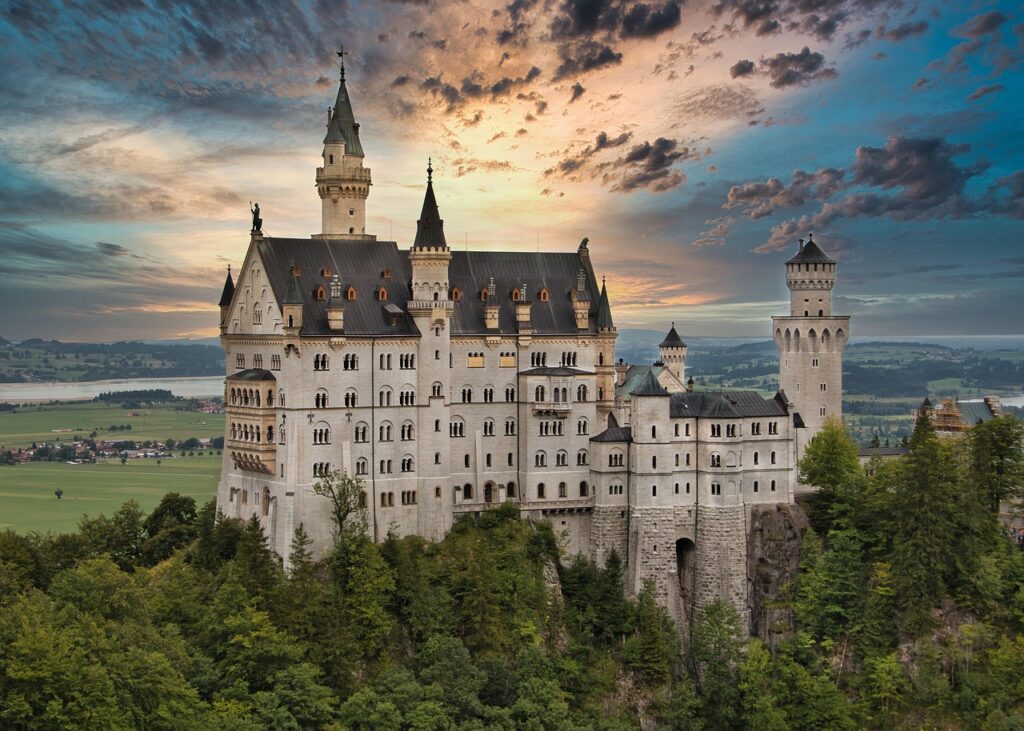
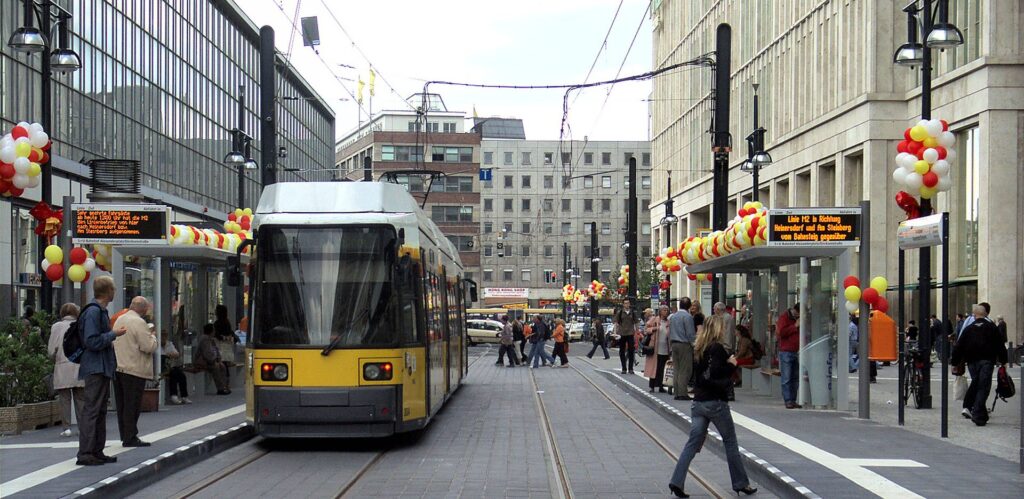
Germany offers a captivating blend of historical depth and cutting-edge innovation, making it a premier destination for any traveler. From the fairytale spires of Neuschwanstein Castle to the somber, thought-provoking remnants of the Berlin Wall, the country’s past is visible at every turn. Beyond history, Germany is a world leader in engineering and design, evident in its sleek infrastructure and world-class museums like the BMW Museum in Munich.

Nature lovers can find serenity in the Black Forest or the Bavarian Alps, while urban explorers enjoy the vibrant nightlife and “gemütlichkeit” of traditional beer gardens. With its efficient public transport, diverse culinary scene, and passionate sporting culture—highlighted by iconic venues like the BayArena—Germany promises a perfectly organized yet deeply soulful European adventure.

Fun fact: Germany is made up of 16 federal states, each with its own traditions, accents, and festivals.

Basic Facts at a Glance
  • Capital: Berlin
  • Region: Central Europe
  • Population: About 84 million
  • Official language: German
  • Currency: Euro (EUR)
  • Time zone: CET (UTC+1), CEST (UTC+2 in summer)

Fun fact: Germany has more than 20,000 castles, palaces, and fortresses, many of which are open to visitors.

Climate and Best Time to Visit

  • Spring (Apr–May): Mild and green
  • Summer (Jun–Aug): Warm, ideal for festivals
  • Autumn (Sep–Oct): Cool, wine harvest season
  • Winter (Nov–Mar): Cold, festive Christmas markets

Best time to visit: May–September.

Fun fact: Oktoberfest actually starts in September, not October.

Main Attractions

Cities

  • Berlin – A creative and historic capital known for art, music, and modern culture.
  • Munich – Bavaria’s capital, famous for beer halls and Alpine traditions.
  • Hamburg – A major port city with maritime charm and modern architecture.
  • Cologne – Home to one of Europe’s largest cathedrals.
  • Frankfurt – Germany’s financial centre with a striking skyline.

Fun fact: Berlin has more bridges than Venice.

Iconic Sites and Landscapes

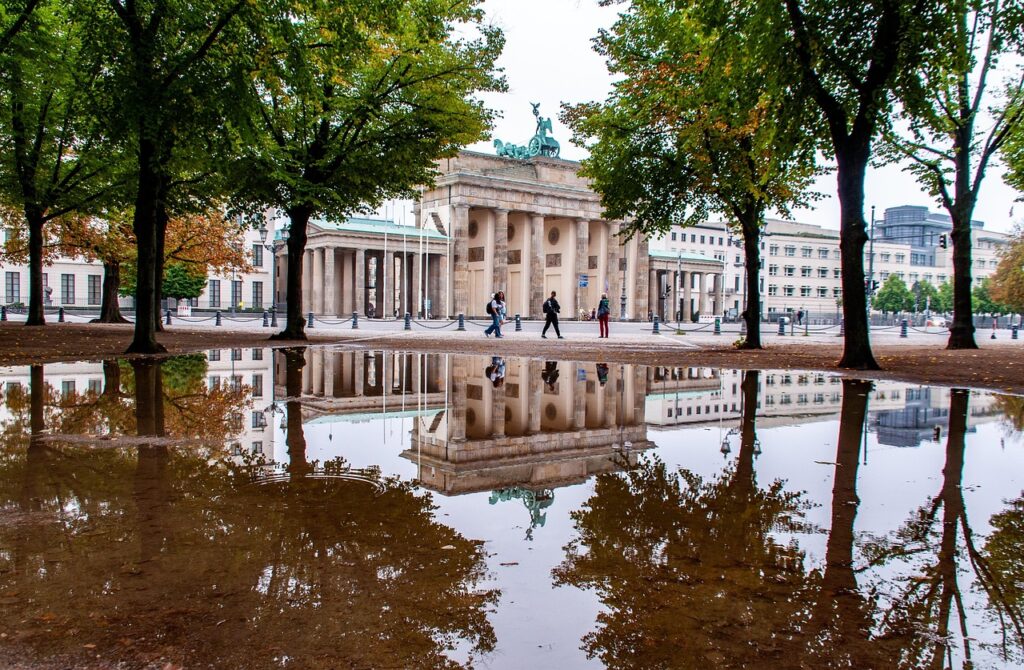
  • Brandenburg Gate – A symbol of German unity.
  • Cologne Cathedral – A UNESCO-listed Gothic masterpiece.
  • Neuschwanstein Castle – The fairy-tale castle that inspired Disney.
  • Black Forest – Dense woodland, hiking trails, and traditional villages.
  • Rhine Valley – Vineyards, castles, and scenic river cruises.

Fun fact: The cuckoo clock comes from the Black Forest region.

Food and Drink

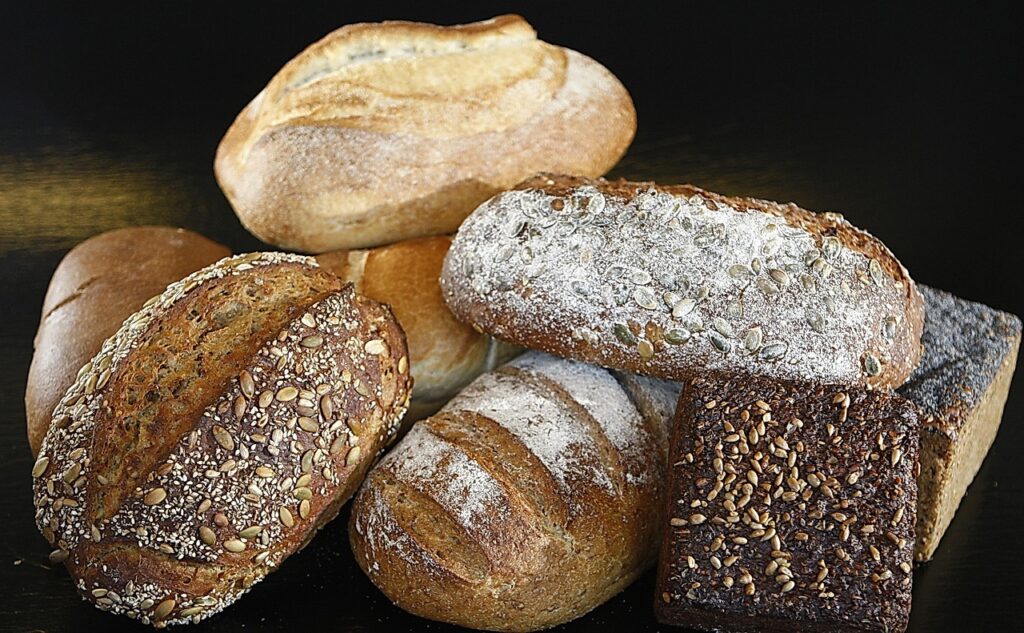
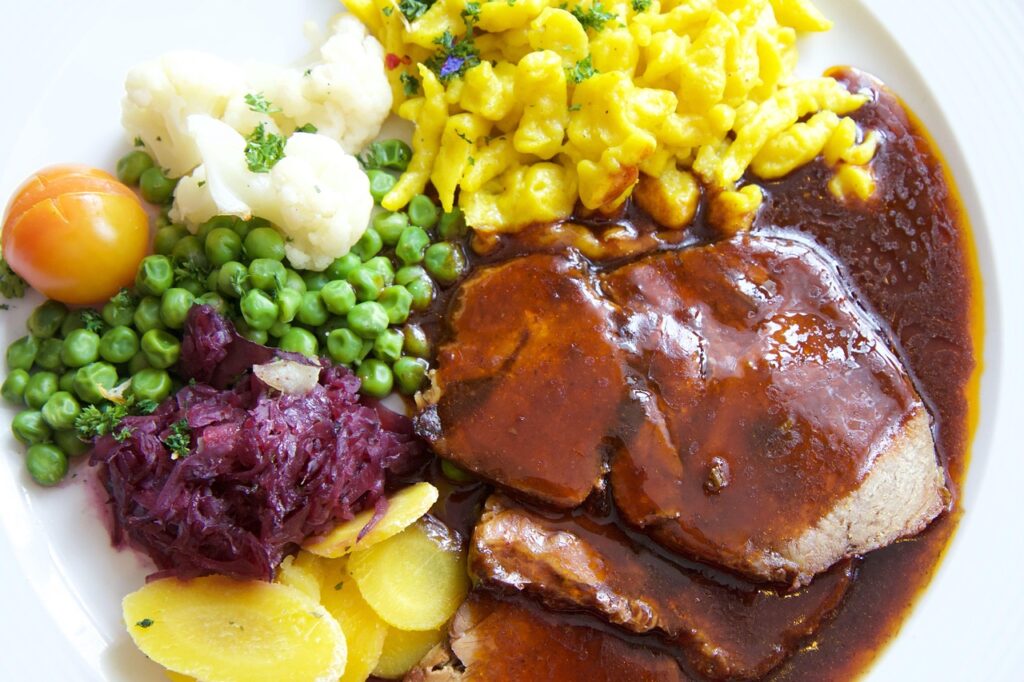
German cuisine is a hearty celebration of regional traditions and seasonal ingredients, offering far more than just its world-famous staples. No culinary journey is complete without tasting authentic sausages (Bratwurst) or the iconic Schnitzel, often served alongside creamy potato salad or hand-scraped Spätzle noodles. For bread lovers, Germany is a paradise, boasting over 3,000 varieties of dark ryes and crusty rolls, best enjoyed with local cheeses or cold cuts.

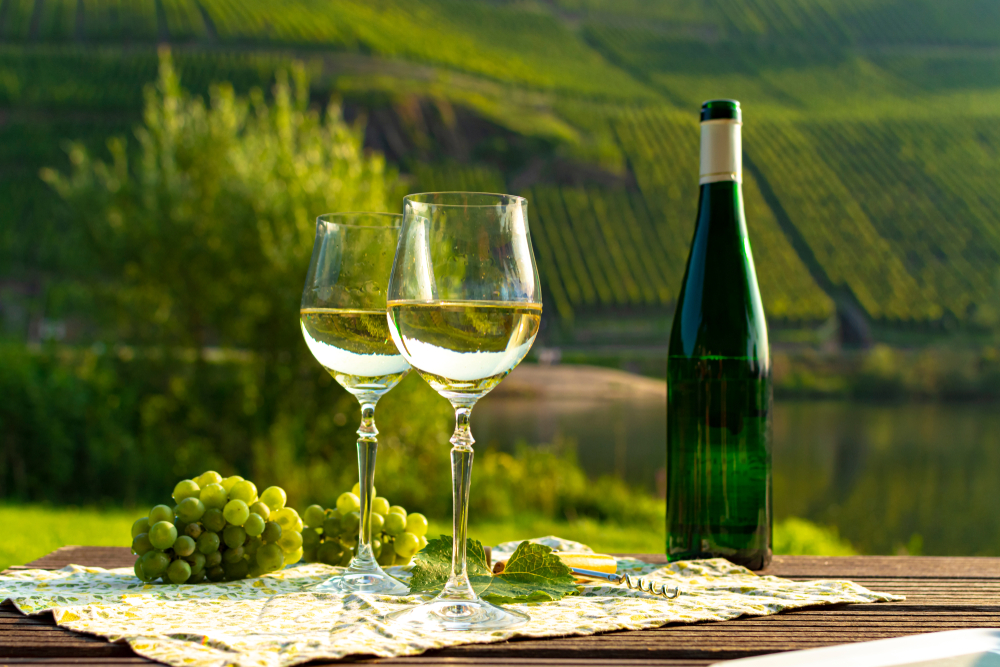
The drinking culture is equally legendary. Germany is the soul of European brewing, where the Reinheitsgebot (Purity Law) ensures exceptional quality in every glass of Pilsner or Hefeweizen. Beyond beer, the steep vineyards along the Rhine and Mosel rivers produce world-class Rieslings. Whether you are enjoying a warm pretzel at a bustling Munich Beer Garden or a slice of Black Forest Cake in a cozy café, German gastronomy is defined by Gemütlichkeit—a unique sense of warmth and belonging. laws date back to 1516.

Getting Around

Germany remains a global leader in mobility, offering a clear choice between high-speed rail and the legendary freedom of the Autobahn.

The German transit landscape is defined by the Deutschland-Ticket, a subscription-based pass priced at approximately €63 per month in 2026. While it offers unlimited local and regional travel nationwide, its subscription model (often requiring a German bank account or long-term commitment) is frequently impractical for foreign tourists. Instead, short-term visitors are better off choosing Day Tickets (Tageskarte) or
  Weekly Passes (Wochenkarte). These are easily available at vending machines, require no contract, and provide much greater flexibility for a 3-to-7-day stay within specific cities or regions.

For those preferring long-distance travel via high-speed ICE or IC trains, pricing is dynamic. Sparpreis (Super Saver) tickets can be found for as low as €19–€29 if booked weeks in advance. 

Germany’s highway network, the Autobahn, continues to be a magnet for driving enthusiasts. As of 2026, Germany notably does not charge a toll (Maut) for passenger cars (under 3.5 tonnes) on its motorways, making it one of the few European countries where highway use remains free for tourists.

While the myth of “no speed limits” persists, approximately 30% of the network has permanent or dynamic speed restrictions (usually 120 km/h or 130 km/h). In unrestricted zones, the “recommended speed” is 130 km/h. Drivers should be aware of the strict “keep right” rule and the heavy fines for using a mobile phone or tailgating. Fuel prices in 2026 remain relatively high due to environmental taxes, so many travelers now opt for the extensive network of ultra-fast EV charging stations found at almost every “Raststätte” (service station).

Safety and Practical Information

Germany is very safe and tourist-friendly.

  • Power sockets: Type C and F
  • Internet: Fast and reliable
  • Tipping: Rounding up or 5–10% is common
  • Language: English widely spoken, especially in cities

Fun fact: Recycling is taken so seriously that many bottles come with a cash-return system.

Is Germany Worth Visiting?

Pros:

  • Rich history and cultural variety
  • Excellent transport and infrastructure
  • Beautiful towns and landscapes
  • Strong food and beer culture

Cons:

  • Weather can be unpredictable
  • Some cities feel business-oriented

Related posts

The Heart of the Werkself

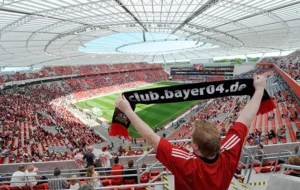
The BayArena in Leverkusen isn’t the largest stadium in Germany, but it is arguably one of the most comfortable and technologically advanced. A tour here tells the story of a “company club” that rose to become a German champion, blending high-tech facilities with a passionate, family-oriented fan culture.
Read More »

Beyond the Spires

Discover the architectural wonders of the Rhineland! From the awe-inspiring Cologne Cathedral, a Gothic masterpiece dominating the skyline, to the nearby Rococo elegance of Augustusburg and Falkenlust Palaces, this region offers a journey through history. Explore these UNESCO World Heritage sites and witness centuries of artistic brilliance firsthand.

Read More »

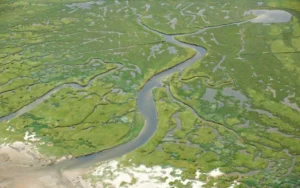
Natural Wonder Between Land and Tides

The Wadden Sea is the world’s largest unbroken system of intertidal sand and mud flats, stretching along the coasts of the Netherlands, Germany, and Denmark. This UNESCO World Heritage site supports over 10,000 species and serves as a vital stopover for millions of migratory birds each year.

Read More »

Nürburgring Experience

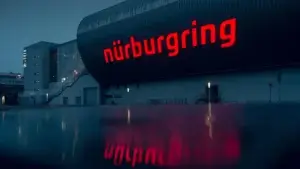
Experience the ultimate motorsport pilgrimage with a Nürburgring guided tour. Explore the “Green Hell,” from the historic paddocks to the winner’s podium. Discover the 20.8-kilometer Nordschleife’s legendary history and modern engineering. It is a must-visit destination for car enthusiasts seeking a behind-the-scenes look at the world’s most iconic racetrack.

Read More »

The City of Cars

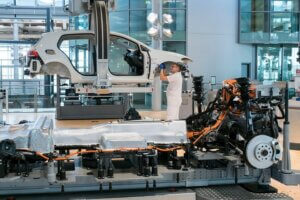
The Volkswagen Autostadt in Wolfsburg is a premier automotive theme park and museum. Visitors can explore various brand pavilions, the iconic glass Car Towers, and take an immersive factory tour to witness high-tech vehicle production firsthand. It is an essential experience combining history, modern architecture, and cutting-edge German engineering.

Read More »
Scroll to Top