


Israel – Land of Faith, Innovation, and Ancient Wonders

Why Visit Israel?

Visiting Israel in 2026 offers a profound journey through the cradle of civilization, where thousands of years of history meet cutting-edge modernity. For those seeking spiritual depth, the Old City of Jerusalem remains unmatched, housing the Western Wall, the Church of the Holy Sepulchre, and the Dome of the Rock within a single square kilometer.

Beyond its sacred sites, Israel is a land of extraordinary geographic diversity. You can float in the Dead Sea, the lowest point on Earth, and just hours later enjoy the vibrant, 24-hour Mediterranean lifestyle of Tel Aviv, world-renowned for its Bauhaus architecture and elite culinary scene. Food lovers will find a “melting pot” of flavors, from authentic street falafel to Michelin-level fusion. With world-class museums, advanced accessibility for all travelers, and a unique blend of Middle Eastern and Western cultures, Israel provides a high-contrast, unforgettable experience found nowhere else on the planet.

Fun fact: Israel has the highest number of museums per capita in the world.

Basic Facts at a Glance
  • Capital: Jerusalem
  • Region: Middle East
  • Population: About 9.8 million (2026 estimate)
  • Official language: Hebrew (Arabic has special status)
  • Currency: Israeli New Shekel (ILS)
  • Time zone: UTC+2 (EET / IST)

Fun fact: Israel is the only country in the world that has successfully revived an unspoken ancient language (Hebrew) into its national spoken tongue.

Climate and Best Time to Visit
  • Climate: Mediterranean (hot, dry summers and mild, rainy winters) and Desert in the south.
  • Best time: April–May and September–October for pleasant temperatures; December is great for mild winter sun in Eilat.

Fun fact: Eilat, on the Red Sea, enjoys sunshine over 300 days a year, making it a year-round diving and snorkeling paradise.

Main Attractions
Cities & Historic Sites
  • Jerusalem: Home to the Western Wall, Church of the Holy Sepulchre, and Dome of the Rock; a focal point for three major religions.
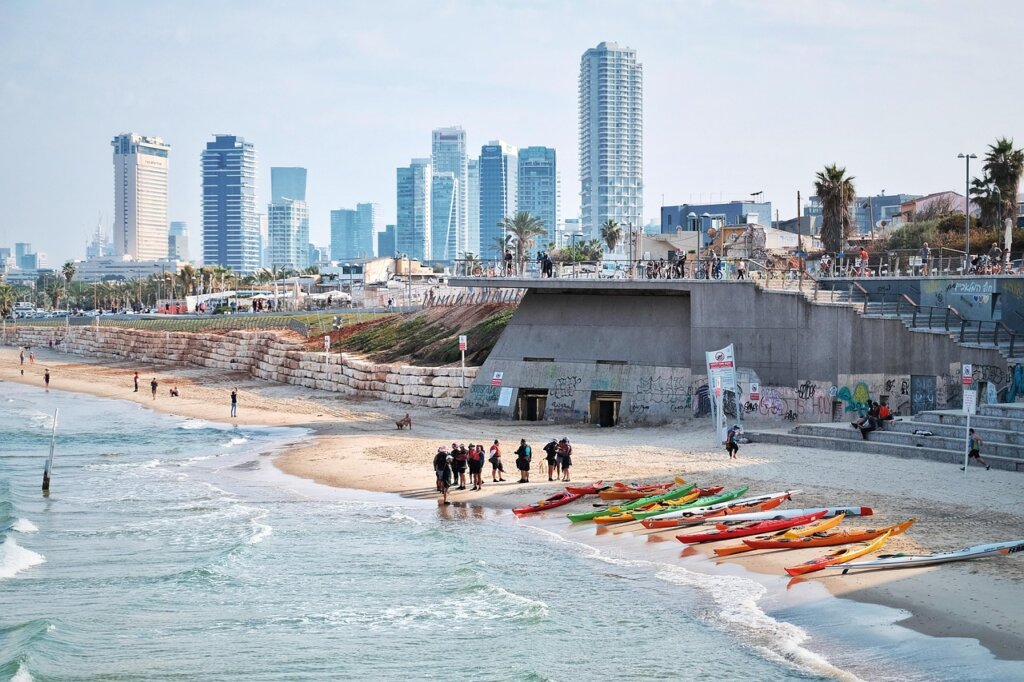
  • Tel Aviv: A modern coastal metropolis famous for its Bauhaus architecture, sandy beaches, and culinary innovation.
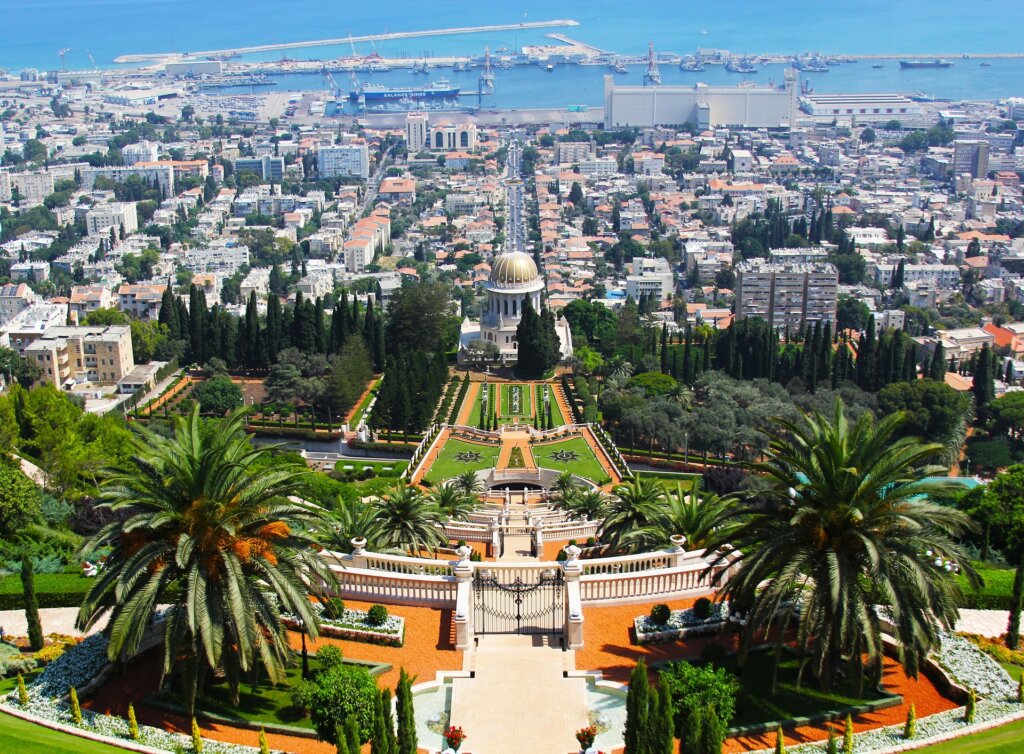
  • Haifa: Known for the spectacular Bahá’í Terraced Gardens, a UNESCO World Heritage site overlooking the bay.
  • Acre (Akko): A coastal city with perfectly preserved Crusader fortresses and a bustling Ottoman-era bazaar.

Fun fact: The Old City of Jerusalem is less than one square kilometer in size but contains some of the world’s most significant religious sites.

Natural Wonders

  • The Dead Sea: The lowest point on Earth, where the water is so buoyant that you float effortlessly.
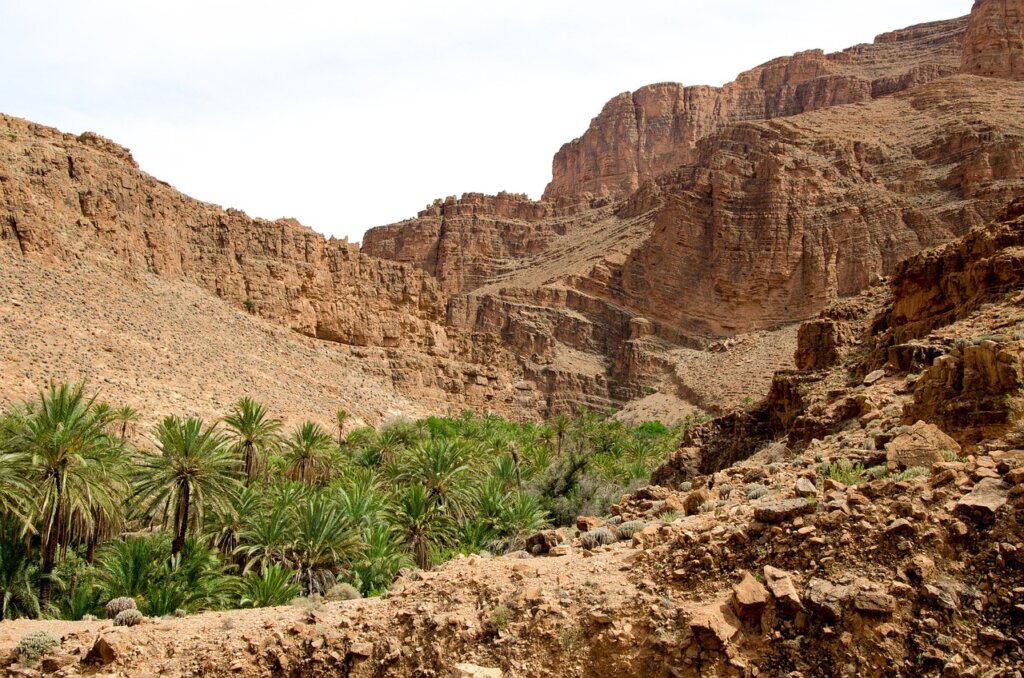
  • The Negev Desert: A vast desert landscape featuring the Ramon Crater, the world’s largest erosion cirque.
  • Sea of Galilee (Lake Kinneret): A beautiful freshwater lake surrounded by biblical sites and lush hiking trails.

Fun fact: The Dead Sea is nearly ten times saltier than the ocean, making it impossible for fish or plants to survive in its waters.

Food and Drink
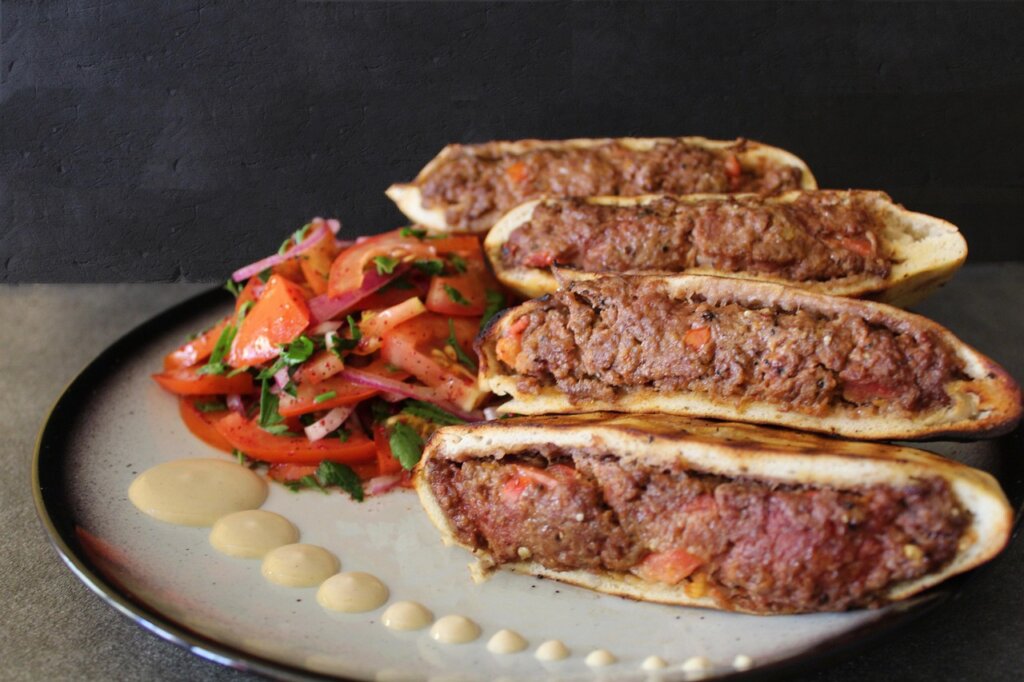
Israel’s culinary scene stands as one of the world’s most vibrant “melting pots,” where ancient biblical ingredients meet modern innovation. The foundation is absolute freshness: creamy hummus, crispy falafel, and finely chopped Israeli salad are staples found on every corner. Street food remains a cultural cornerstone, with the Sabich (eggplant and egg) and Shawarma served in fluffy, warm pitah bread.
Modern Israeli cuisine, popularized globally by chefs like Yotam Ottolenghi, masterfully blends Middle Eastern spices like za’atar and sumac with sophisticated European techniques. No visit is complete without tasting Shakshuka, a spicy tomato and poached egg dish that is the heart of Israeli breakfast.
The beverage scene is equally impressive. Israel has evolved into a serious wine power, with the Golan Heights and Judean Hills producing award-winning kosher labels. From thick, cardamom-scented Turkish coffee to freshly squeezed pomegranate juice sold in markets, every sip reflects the country’s sun-drenched Mediterranean spirit. 
 
Getting Around
In 2026, Israel’s public transport is both extensive and technologically integrated. A standard local bus or light rail ride (up to 15 km) costs 8 NIS, which includes a free 90-minute transfer window. Intercity travel costs are distance-based; for example, trips of 15–40 km cost 14.5 NIS by bus. 
Payment is entirely cashless, using the Rav-Kav smart card or mobile apps like Moovit and Pango. A “Nationwide Unlimited Monthly Pass” for buses and light rail is available for 315 NIS, with a train-combo version starting at 323 NIS. Notably, seniors aged 67+ travel for free.

Important: Most public transportation in Israel does not operate from Friday sunset to Saturday sunset in observance of Shabbat.

Safety and Practical Information

Israel is a highly developed country with advanced security. Standard precautions apply, and travelers should stay informed of local news.

  • Power sockets: Types C, H, and M
  • Internet: High-speed 5G is widely available; free Wi-Fi is common in city centers.
  • Tipping: 10–15% is customary in restaurants.
  • Language: Hebrew; English is very widely spoken, especially in tourist areas and tech hubs.

Fun fact: Known as the “Start-up Nation,” Israel has the highest concentration of tech startups outside of Silicon Valley.

Final Verdict – Is Israel Worth Visiting?

Pros:

  • Unmatched historical and religious depth
  • Diverse landscapes from snow-capped mountains to arid deserts
  • World-class culinary and nightlife scenes
    Cons:
  • High cost of living and travel expenses
  • Rigorous security checks can be time-consuming


Verdict:
Israel is an essential destination for those seeking a mix of ancient history, spiritual discovery, and modern Mediterranean luxury. It is a small country that offers a lifetime’s worth of experiences.

Related posts

Holy Land: Accessible Travel Guide

In 2026, Israel offers impressive accessibility for travelers. Tel Aviv features flat promenades and accessible beaches, while Jerusalem provides ramps throughout the Old City to the Western Wall. Public transport, including trains and buses, is fully equipped, making the country a top-tier, inclusive destination for mobility-challenged visitors

Read More »
Scroll to Top