
Japan – Land of Cherry Blossoms, Temples, and Cutting-Edge Technology
Why Visit Japan?
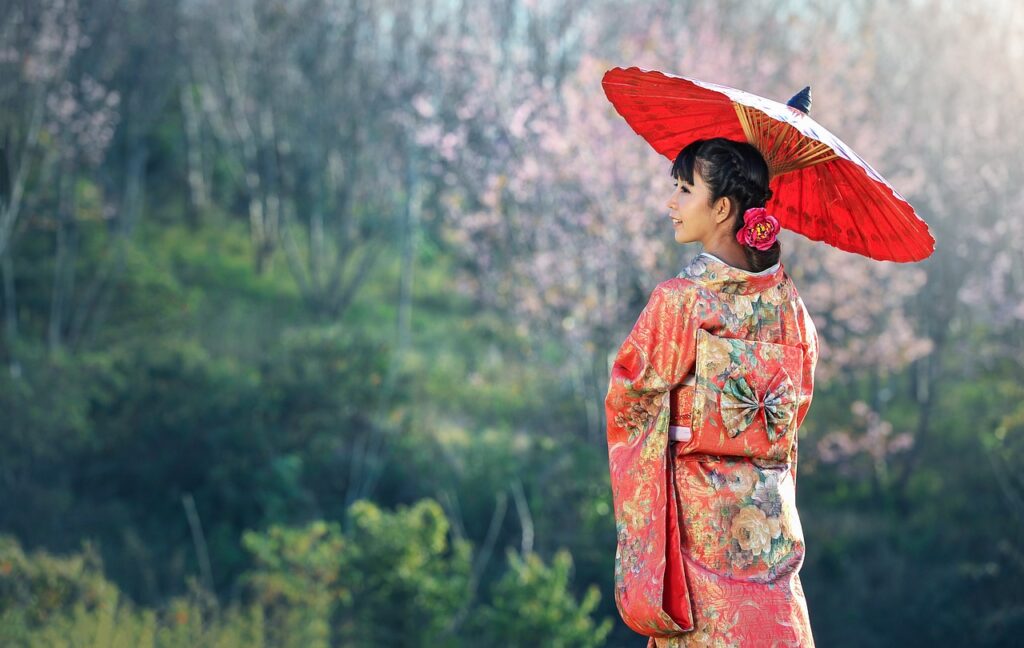
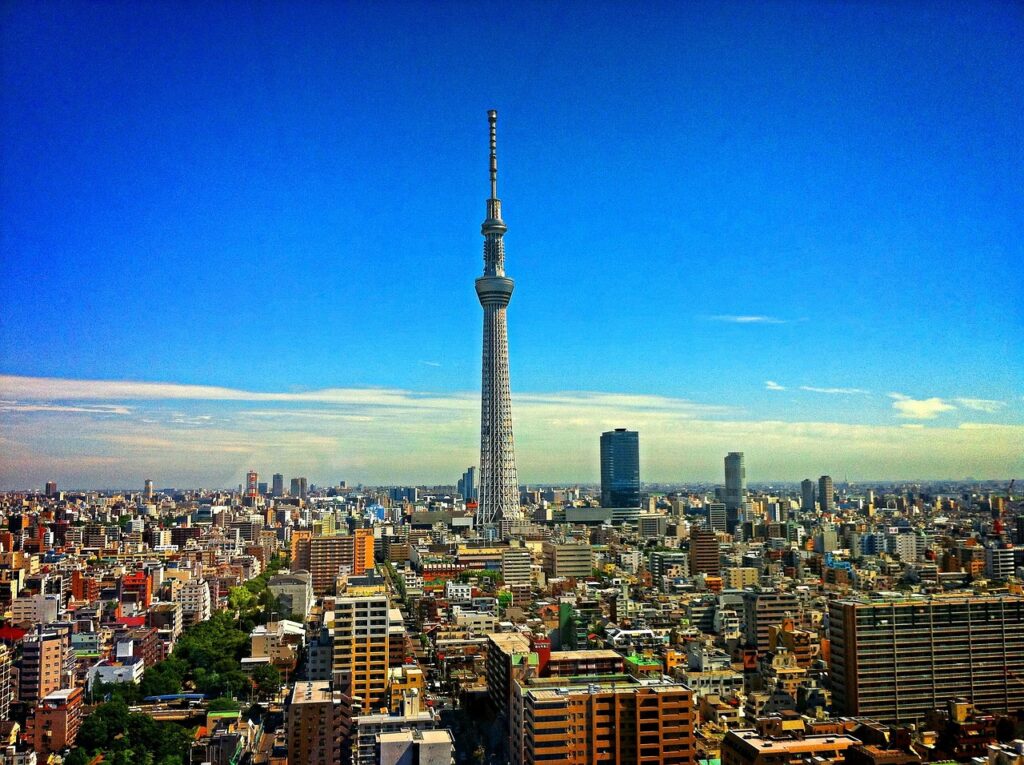
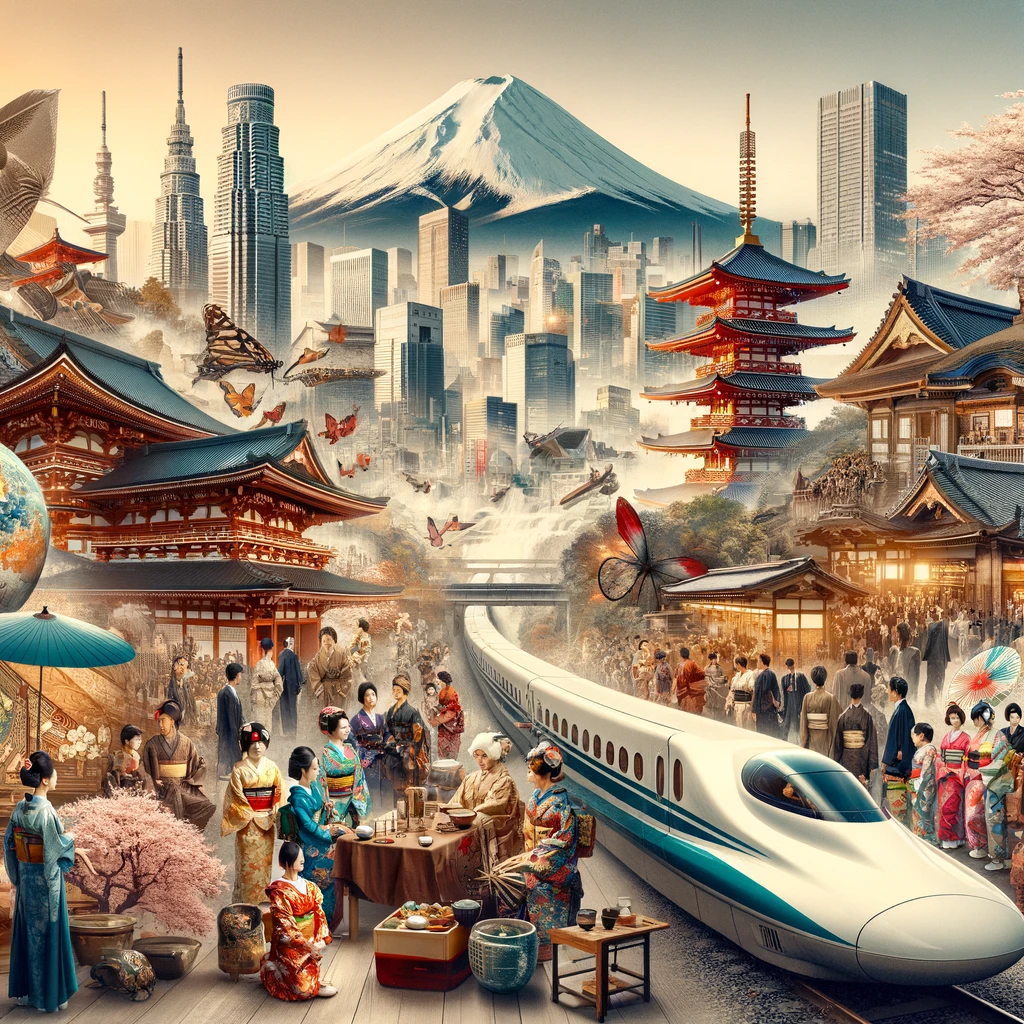
Japan is a country where tradition and innovation exist side by side in a way found nowhere else. Ancient temples, quiet gardens, and centuries-old rituals coexist with cutting-edge technology, high-speed trains, and futuristic cityscapes. In cities like Tokyo, neon-lit streets and modern design contrast beautifully with historic shrines, while Kyoto offers a timeless atmosphere of wooden houses, tea ceremonies, and serene temples.
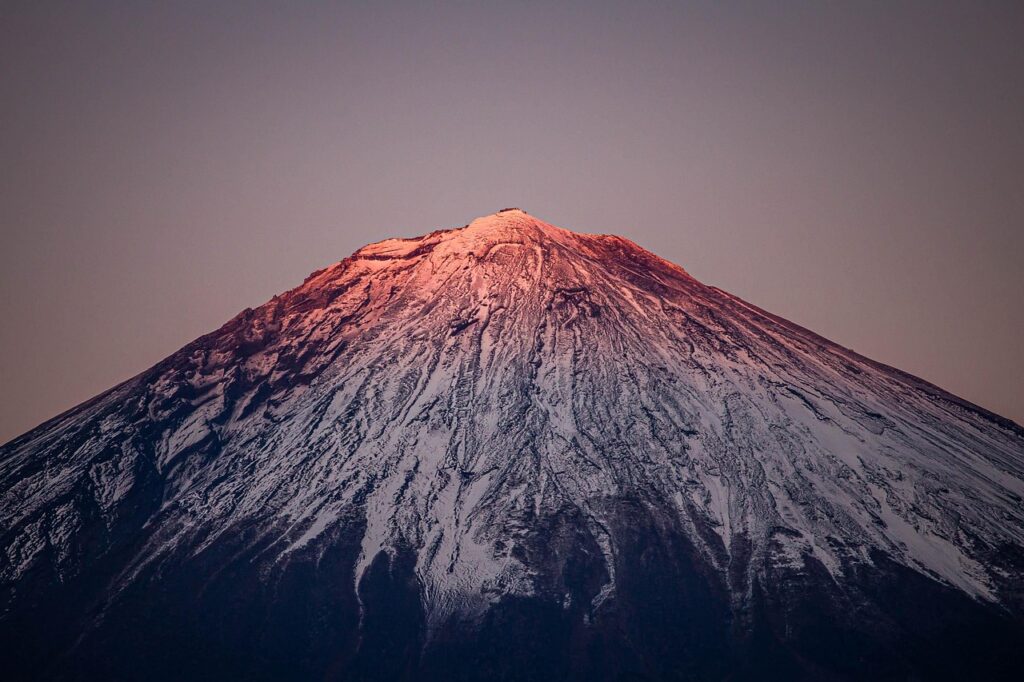
Japan’s natural beauty is equally compelling. From the iconic silhouette of Mount Fuji to forested mountains, volcanic landscapes, and a coastline shaped by the sea, the country offers remarkable variety within a relatively small area. Seasonal changes add another layer of appeal—cherry blossoms in spring, vibrant foliage in autumn, and snowy landscapes in winter.
Food alone is a reason to visit. Japanese cuisine emphasizes freshness, balance, and craftsmanship, whether you are enjoying sushi, ramen, or simple local dishes. Clean, safe, and exceptionally well organized, Japan rewards curious travelers with depth, beauty, and unforgettable experiences.
Basic Facts at a Glance
- Capital: Tokyo
- Region: East Asia
- Population: About 125 million
- Official language: Japanese
- Currency: Japanese Yen (JPY)
- Time zone: UTC+9
Fun fact: Japan has more vending machines than people in some cities, offering everything from drinks to umbrellas and snacks.
Climate and Best Time to Visit
- Climate: Varies – temperate in most areas, tropical in the south, snowy winters in the north
- Best time: March–May for cherry blossoms, September–November for autumn colors
Fun fact: Japan experiences distinct four seasons, each celebrated with unique festivals, foods, and traditions.
Main Attractions
Cities & Towns
- Tokyo: Bustling metropolis with skyscrapers, shopping districts, historic temples, and pop culture hotspots.
- Kyoto: Ancient capital with over 1,000 temples, traditional tea houses, and geisha culture.
- Osaka: Famous for street food, nightlife, and Universal Studios Japan.
- Hiroshima: Peace Memorial Park and Museum, and nearby Miyajima Island.
- Sapporo: Northern city known for snow festivals, skiing, and beer.
Natural Wonders
- Mount Fuji: Japan’s highest mountain and an iconic symbol, perfect for hiking and photography.
- Japanese Alps: Stunning mountain ranges ideal for trekking, skiing, and scenic train rides.
- Okinawa Islands: Tropical beaches, coral reefs, and unique Ryukyu culture.
- Nikko National Park: Lush forests, waterfalls, and historic shrines.
Fun fact: Japan has more than 200 volcanoes, 60 of which are active, adding dramatic scenery to the landscape.
Food and drink
Japanese food culture is built on simplicity, seasonality, and respect for ingredients. Meals focus on balance—flavor, texture, and presentation are carefully considered, whether in a humble bowl of ramen or an elegant kaiseki dinner. Rice forms the foundation of many dishes, complemented by fresh seafood, vegetables, tofu, and fermented foods that highlight natural taste rather than heavy seasoning. Regional specialties add variety, making every part of Japan a culinary discovery.
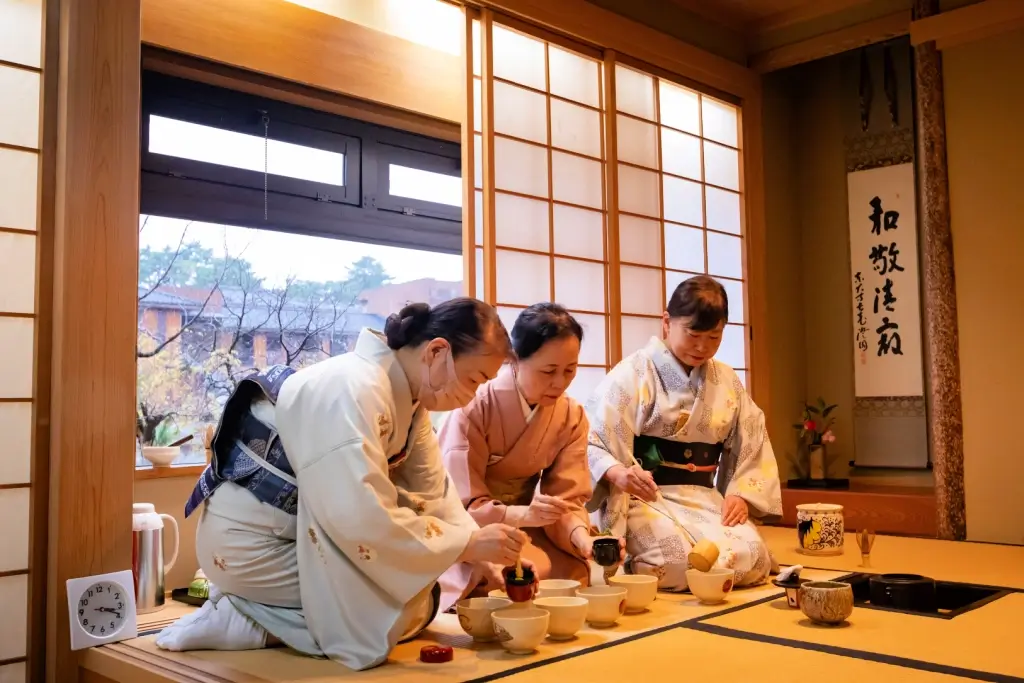
Tea culture is equally meaningful and deeply connected to daily life. Green tea, especially sencha and matcha, is enjoyed throughout the day and reflects ideas of harmony and mindfulness. The traditional tea ceremony transforms tea preparation into a refined art, emphasizing calm, respect, and presence. Together, Japanese food and tea culture express a way of life that values craftsmanship, attention to detail, and quiet appreciation—offering visitors not just meals, but a deeper cultural experience.


Getting Around
Japan has an excellent transportation network: Shinkansen (bullet trains), metros, buses, and domestic flights. Renting a car is ideal for rural areas.
Fun fact: The Shinkansen can reach speeds of 320 km/h (200 mph), making it one of the fastest and most punctual train systems in the world.
Safety and Practical Information
Japan is one of the safest countries in the world, with low crime rates and reliable infrastructure.
- Power sockets: Type A and B
- Internet: Widely available
- Tipping: Not customary; considered unnecessary
- Language: Japanese; English widely spoken in tourist areas
Final Verdict – Is Japan Worth Visiting?
Pros:
- Rich history, culture, and festivals
- Stunning natural landscapes and cities
- Efficient and safe transportation
Cons:
- Can be expensive in major cities
- Language barriers in rural areas
Verdict:
Japan is perfect for travellers seeking a blend of tradition, innovation, and natural beauty. From Tokyo’s neon-lit streets and Kyoto’s serene temples to Mount Fuji’s majesty and Okinawa’s beaches, Japan offers a unique, unforgettable, and endlessly fascinating travel experience.