

Croatia – Land of Stunning Coastlines, Islands, and Medieval Towns

Why Visit Croatia?

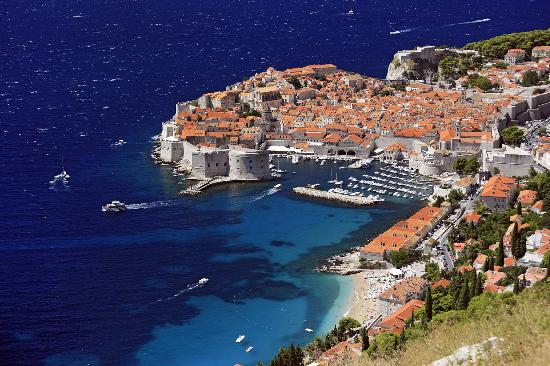
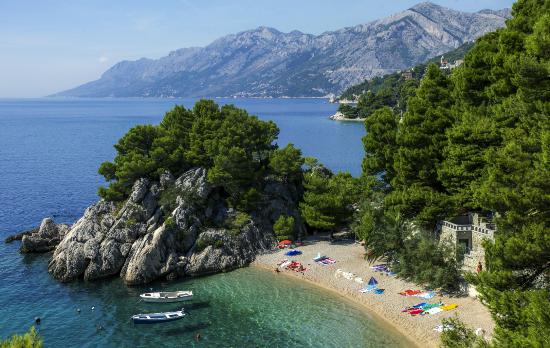
Croatia is a Mediterranean jewel that seamlessly blends natural splendor with deep-rooted history. With over 1,000 islands and a jagged, crystal-clear coastline, it is a premier destination for sailing and sun-seekers. History enthusiasts can wander through the ancient walls of Dubrovnik or explore the Roman grandeur of Diocletian’s Palace in Split.

Beyond the shore, the country boasts spectacular inland wonders like the cascading waterfalls of Plitvice Lakes National Park. Visitors are often charmed by the warm hospitality, fresh seafood, and world-class local wines. Whether you are seeking a vibrant summer festival, a quiet island-hopping retreat, or a journey through medieval architecture, Croatia offers an unforgettable European escape.

Fun fact: Dubrovnik, nicknamed the “Pearl of the Adriatic,” served as a filming location for Game of Thrones.

Basic Facts at a Glance
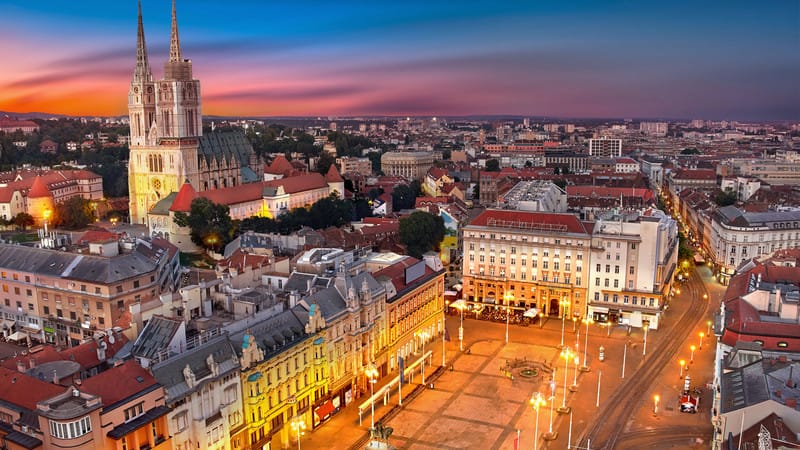
  • Capital: Zagreb
  • Region: Southeast Europe (Balkans)
  • Population: About 4 million
  • Official language: Croatian
  • Currency: Euro (EUR)
  • Time zone: UTC+1 (CET)

Fun fact: Croatia has over 1,200 islands, making it a paradise for island-hopping and sailing enthusiasts.

Climate and Best Time to Visit
  • Climate: Mediterranean on the coast; continental inland
  • Best time: May–September for beaches and outdoor activities

Fun fact: Croatia enjoys over 2,500 hours of sunshine per year along the Adriatic coast.

Main Attractions

Cities & Historic Towns

  • Zagreb: Capital with a charming old town, museums, and lively markets.
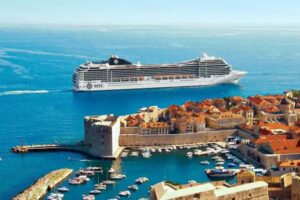
  • Dubrovnik: UNESCO World Heritage city with medieval walls and sea views.
  • Split: Coastal city famous for Diocletian’s Palace and bustling promenades.
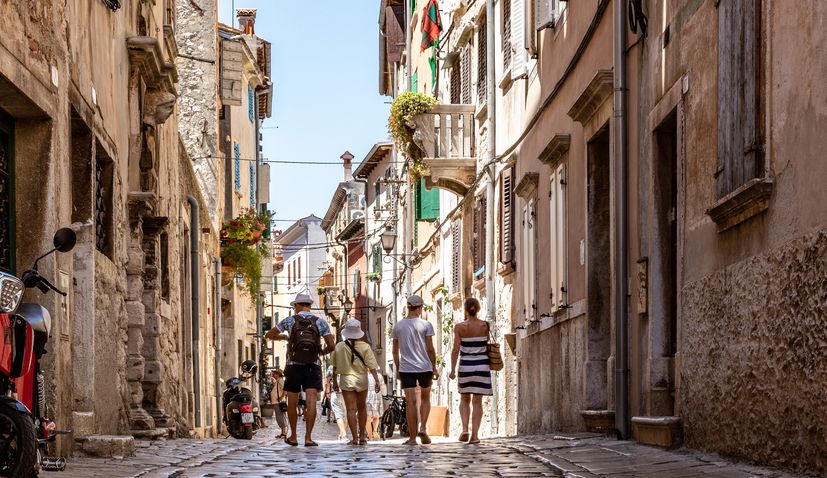
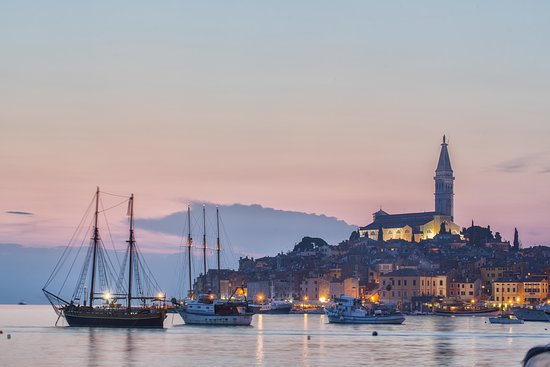
  • Rovinj: Picturesque Istrian town with colourful houses and cobbled streets.

Fun fact: Dubrovnik’s walls are over 1.9 km long and were built between the 13th and 16th centuries.

Natural Wonders

  • Plitvice Lakes National Park: Famous for cascading lakes and waterfalls.
  • Krka National Park: Waterfalls and swimming areas in a lush setting.
  • Paklenica National Park: Mountains and canyons for hiking and climbing.
  • Adriatic Islands: Hvar, Brač, Korčula, and more with beaches and historic villages.

Fun fact: Plitvice Lakes features 16 terraced lakes connected by waterfalls, a must-see for nature lovers.

Culture and Traditions

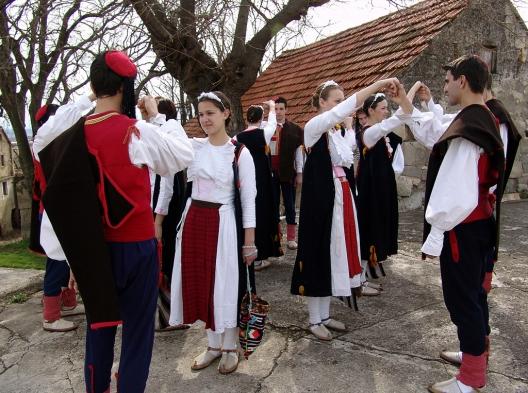
Croatian culture is a vibrant tapestry woven from Mediterranean, Central European, and Balkan influences. A cornerstone of daily life is the coffee culture; locals spend hours in outdoor cafes, emphasizing socializing over a quick caffeine fix. Folklore remains alive through energetic Kolo dances and the hauntingly beautiful Klapa singing, a traditional a cappella style from Dalmatia that is protected by UNESCO.

Religious traditions are deeply rooted, marked by elaborate processions and feasts for patron saints. Croatian craftsmanship is equally celebrated, particularly the delicate Pag lace and the iconic Licitar hearts. Furthermore, the country takes pride in its inventions, most notably the cravat (necktie). This blend of relaxed coastal living and a fierce respect for historical heritage makes Croatia truly unique.

Food and Drink

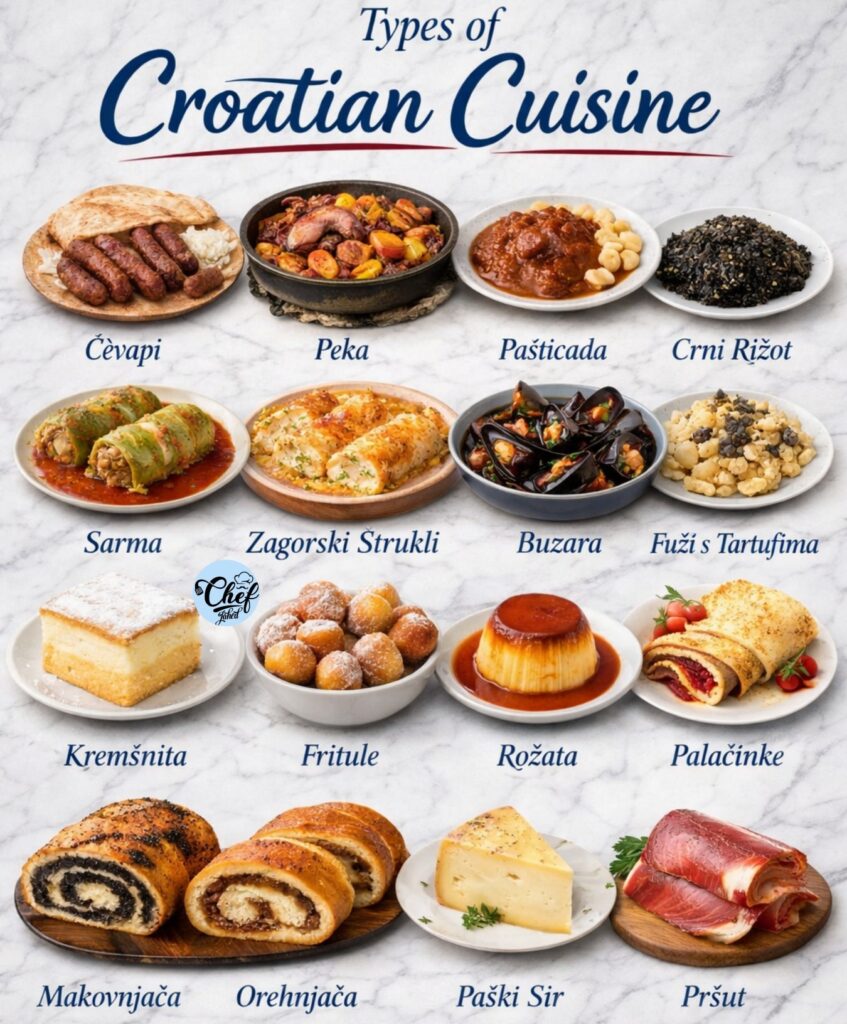
Croatian gastronomy is a flavorful mosaic shaped by its diverse geography. Along the Dalmatian coast, the diet is Mediterranean, featuring fresh grilled fish, octopus salad, and Crni rižot (black risotto) tinted with cuttlefish ink. A rustic highlight is Peka, a slow-cooked blend of meat and vegetables prepared under a bell-like lid covered in hot embers. 

Inland, the flavors turn heartier. In Istria, world-class truffles and handmade fuži pasta dominate the menu, while the continental regions offer Štrukli, a comforting cheese-filled pastry. No meal is complete without local drinks; Croatia produces exceptional wines like the bold Plavac Mali and crisp Graševina. Finally, a sip of Rakija, the potent traditional fruit brandy, is the ultimate gesture of Croatian hospitality.

Fun fact: Croatia has a strong coffee culture, and locals often spend hours relaxing in cafés.

Croatia has a rich wine culture, with vineyards producing some of Europe’s oldest known grape varieties. The different wine regions offer diverse tasting experiences, from the robust reds of the south to the refined whites of the north. Most tours are concentrated in Istria, the Pelješac Peninsula, and the island of Hvar. Additionally, you can discover hidden boutique cellars in the lush Konavle Valley or enjoy sparkling varieties in Plešivica.

Pelješac Peninsula (Near Dubrovnik)

Known as the “heart of Croatian wine,” this region specializes in Plavac Mali, a bold red related to Zinfandel. 

  • Wineries to Visit: Miloš Winery for traditional styles and Matusko Winery for its famous cellars and premium Dingač wines.
  • Tour Highlights: Many full-day tours from Dubrovnik include a stop in Ston for fresh oysters, which are traditionally paired with local white wines.
  • Estimated Price: Tours range from $118 to over $260 per person depending on group size and inclusions like lunch. 

Istria (Northwest Coast)

Istria is famous for Malvazija Istriana (white) and Teran (red), often compared to Tuscany for its hilltop villages. 

  • Wineries to Visit: Kozlović Winery is a top-rated modern facility offering terrace tastings. Kabola is another highlight, known for wines aged in amphorae.
  • Unique Experiences: You can find “Wine & Truffle” tours or off-road Land Rover tasting experiences starting from $150.
  • Estimated Price: Private guided tours from Pula or Rovinj typically cost between €74 and €365

Hvar Island & Konavle Valley

  • Hvar Island: Tours often visit Duboković Winery in Jelsa, where you can taste natural wines and flavored olive oils in a candlelit cellar. Prices are roughly $180–$250 for a full day.
  • Konavle Valley: Located south of Dubrovnik, this region is famous for the rare Malvasija Dubrovačka. A popular option is the Konavle Wine Train, which takes guests through vineyards to family estates.
Getting Around
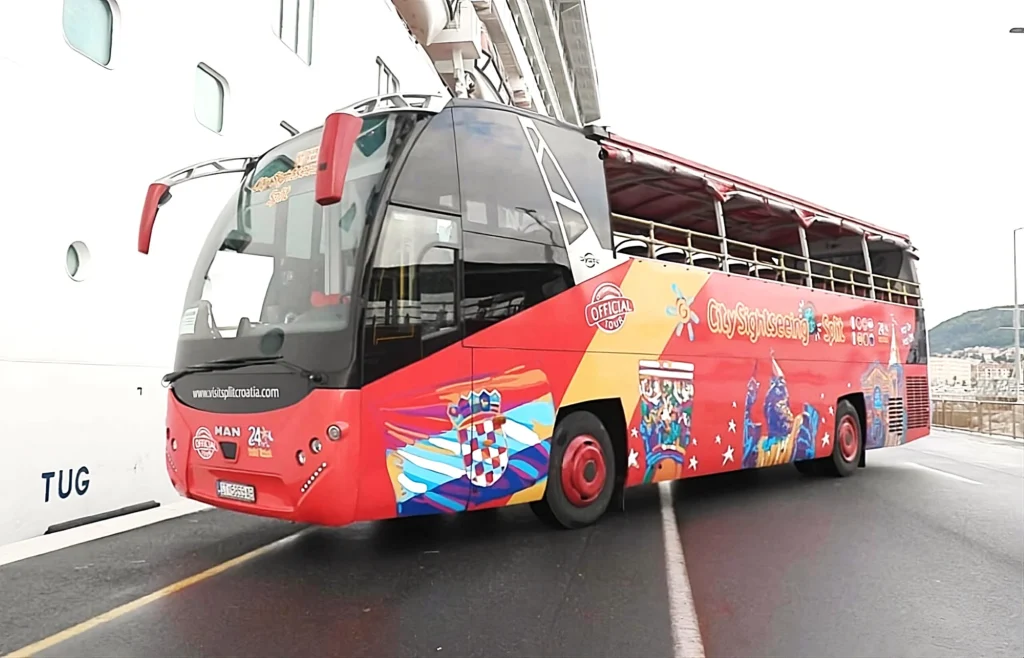
Exploring Croatia is remarkably accessible, offering options for every budget. Intercity buses, like Arriva or FlixBus, are the most popular and affordable way to travel, with tickets between major hubs like Zagreb and Split typically costing $15–$30. For a more scenic journey, the extensive ferry and catamaran network connects the mainland to islands for $5–$20 per foot passenger.
If you prefer flexibility, car rentals start around $25 per day in the off-season, though prices triple in summer. Additionally, domestic flights via Croatia Airlines can save time for roughly $50–$100. Early booking is key to securing these lower rates. 
Fun fact: Some of Croatia’s islands are car-free, accessible only by boat, offering peaceful escapes.
 Safety and Practical Information
Croatia is consistently ranked as one of the safest countries in the world, making it ideal for solo travelers and families. Violent crime is extremely rare, and even in major cities like Zagreb or Split, walking alone at night is generally considered safe. Visitors should simply exercise standard precautions against occasional pickpocketing in crowded tourist hotspots. Local police are helpful, and the overall atmosphere is welcoming and peaceful.
 
  • Power sockets: Type C and F
  • Internet: Widely available
  • Tipping: 10% customary in restaurants
  • Language: Croatian; English widely spoken in tourist area
Final Verdict – Is Croatia Worth Visiting?

Pros:

  • Stunning coastline and islands
  • Historic towns with medieval charm
  • National parks with breathtaking landscapes

Cons:

  • Peak season can be crowded and expensive
  • Inland regions may have fewer tourist services

Verdict:
Croatia is perfect for travellers seeking a mix of history, natural beauty, and Mediterranean charm. From the walls of Dubrovnik to the beaches of Hvar and the lakes of Plitvice, Croatia offers unforgettable experiences for every type of traveller.

Related posts

Rimac Automobili

A Rimac Automobili visit offers a deep immersion into high-performance electric innovation. From battery technology to the production of the Nevera, visitors witness the future of transportation. It is an extraordinary Croatian experience for tech enthusiasts and travelers alike, perfectly blending cutting-edge engineering with world-class design and sustainable speed.
Read More »

The Cradle of Civilization

A Mediterranean cruise is a celebration of life (La Dolce Vita). It is the perfect symphony of culture, history, and world-class cuisine. Whether you are sipping wine in a Spanish vineyard or watching the sunset over the Acropolis, this journey is guaranteed to nourish both your soul and your palate.

Read More »
Scroll to Top