


Hungary – Land of Thermal Baths, Castles, and the Danube

Why Visit Hungary?
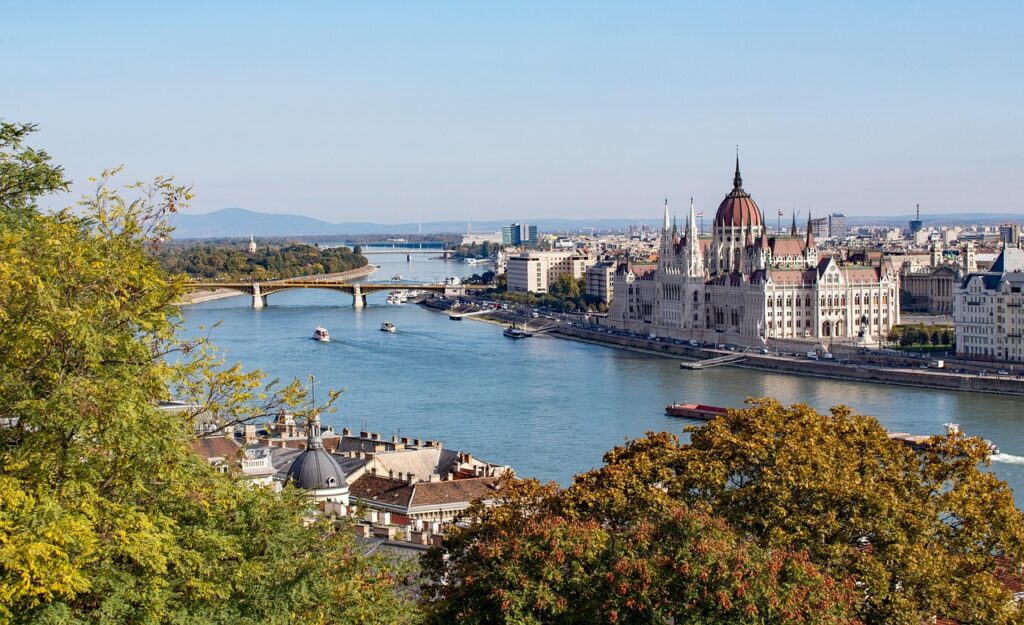
Hungary is a captivating blend of history, culture, and natural beauty. From the dramatic Danube River and historic castles to vibrant cities and world-class wine regions, it offers something for every type of traveler. A fascinating fun fact: Budapest is often called the “Paris of the East” due to its stunning architecture, grand boulevards, and breathtaking river views.
Beyond the capital, visitors can unwind in Hévíz’s thermal waters or explore the rolling vineyards of Tokaj. The country’s charm lies in its accessibility and diversity; you can transition from medieval fortress ruins to Michelin-starred dining in a single afternoon. Whether you are soaking in a historic bath or hiking the Balaton uplands, Hungary promises an authentic, unforgettable European adventure.
Fun fact: Hungary has over 1,000 thermal springs, making it one of the top destinations in the world for spa and wellness tourism.  Budapest’s baths are not just for relaxation — some, like Gellért and Széchenyi, are historic architectural marvels.
Basic Facts at a Glance
  • Capital: Budapest
  • Region: Central Europe
  • Population: About 9.6 million
  • Official language: Hungarian
  • Currency: Hungarian Forint (HUF)
  • Time zone: UTC+1 (CET)
Climate and Best Time to Visit
  • Climate: Continental, with hot summers and cold winters
  • Best time: May–September for sightseeing and festivals; December–February for Christmas markets

Fun fact: Budapest has a network of over 100 thermal baths, many of which are open year-round.

Main Attractions

Cities & Historic Sites

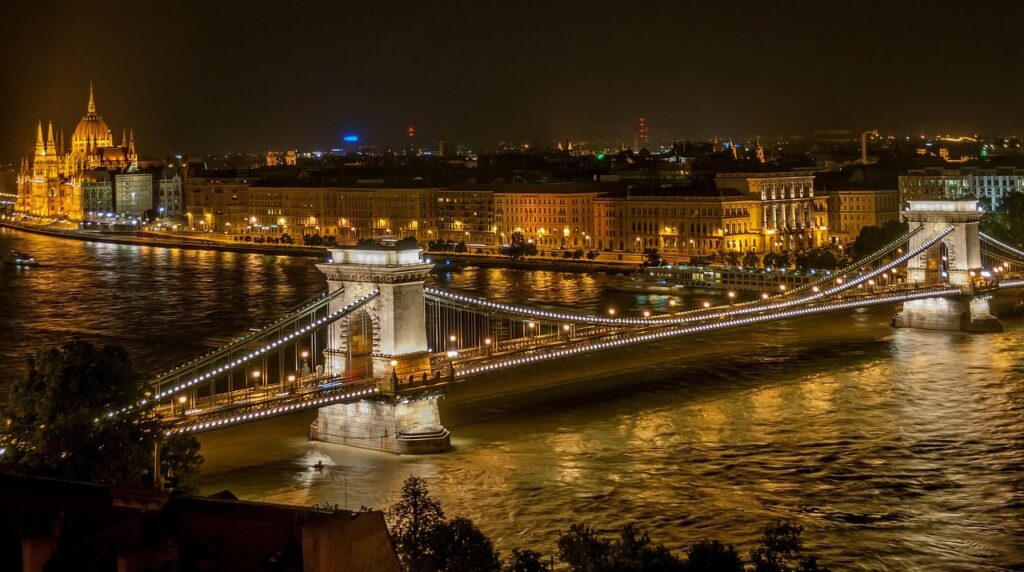
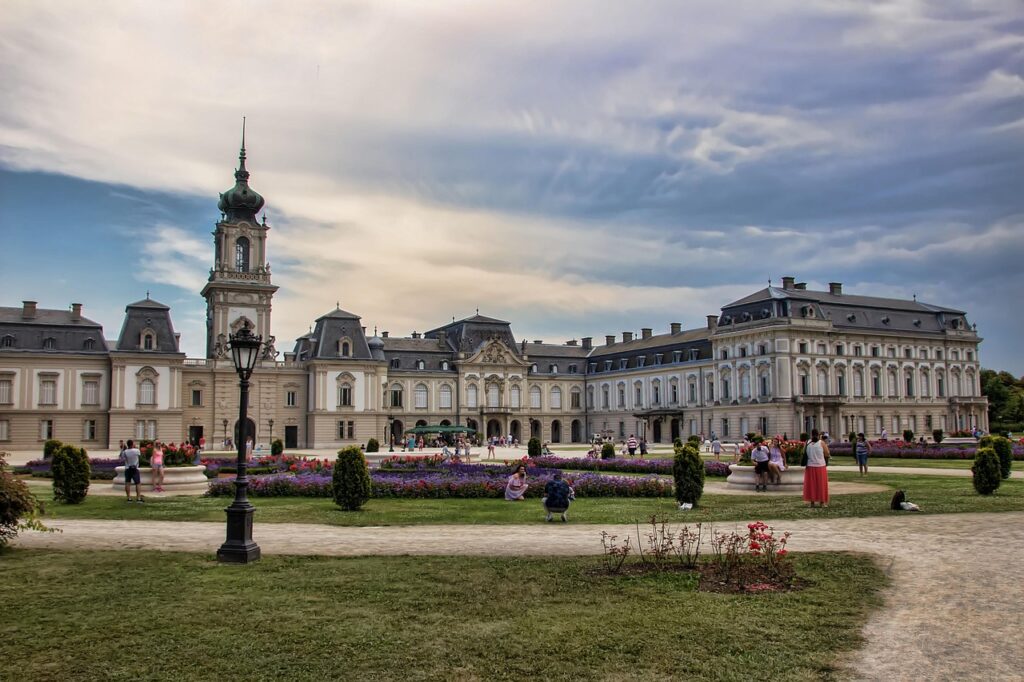
  • Budapest: Thermal baths, Buda Castle, Parliament building, and the lively ruin pubs of the Jewish Quarter.
  • Eger: Baroque town famous for its castle, wine cellars, and historic churches.
  • Pécs: Cultural city with Roman ruins and a UNESCO-listed early Christian cemetery.
  • Szeged: Known as the “City of Sunshine” with beautiful architecture and festivals.

Fun fact: The Chain Bridge in Budapest was the first permanent bridge across the Danube, completed in 1849.

Natural Wonders

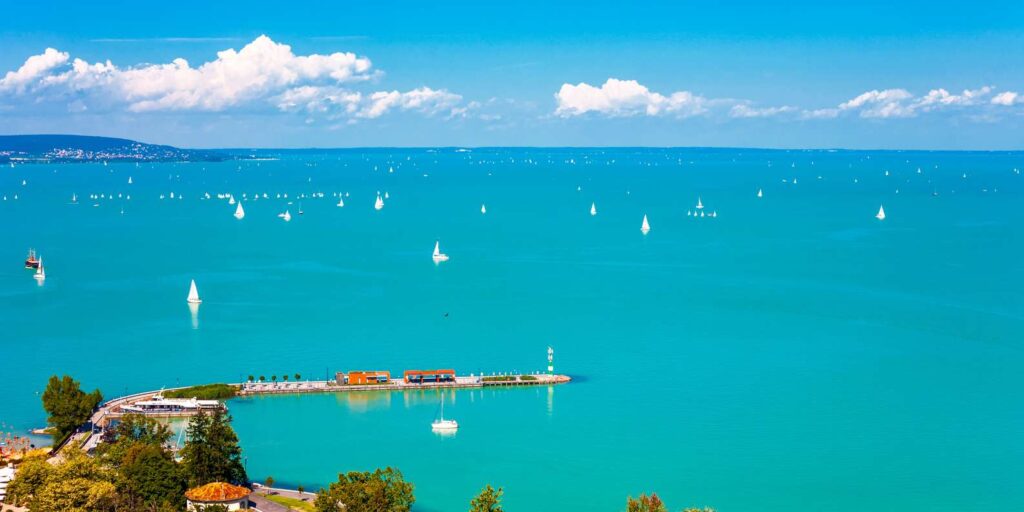
  • Lake Balaton: Central Europe’s largest lake, perfect for swimming, sailing, and relaxation.
  • Hortobágy National Park: Vast steppe and home to traditional Hungarian shepherd culture.
  • Bükk and Mátra Mountains: Ideal for hiking, skiing, and exploring caves.

Fun fact: Lake Hévíz, near Lake Balaton, is the largest thermal lake in the world suitable for bathing.

Food and Drink

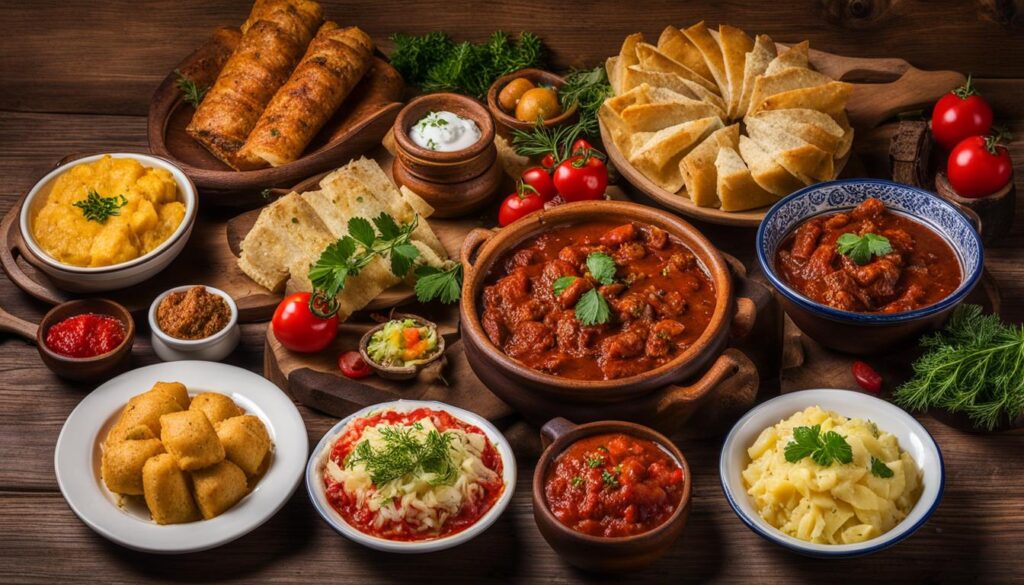
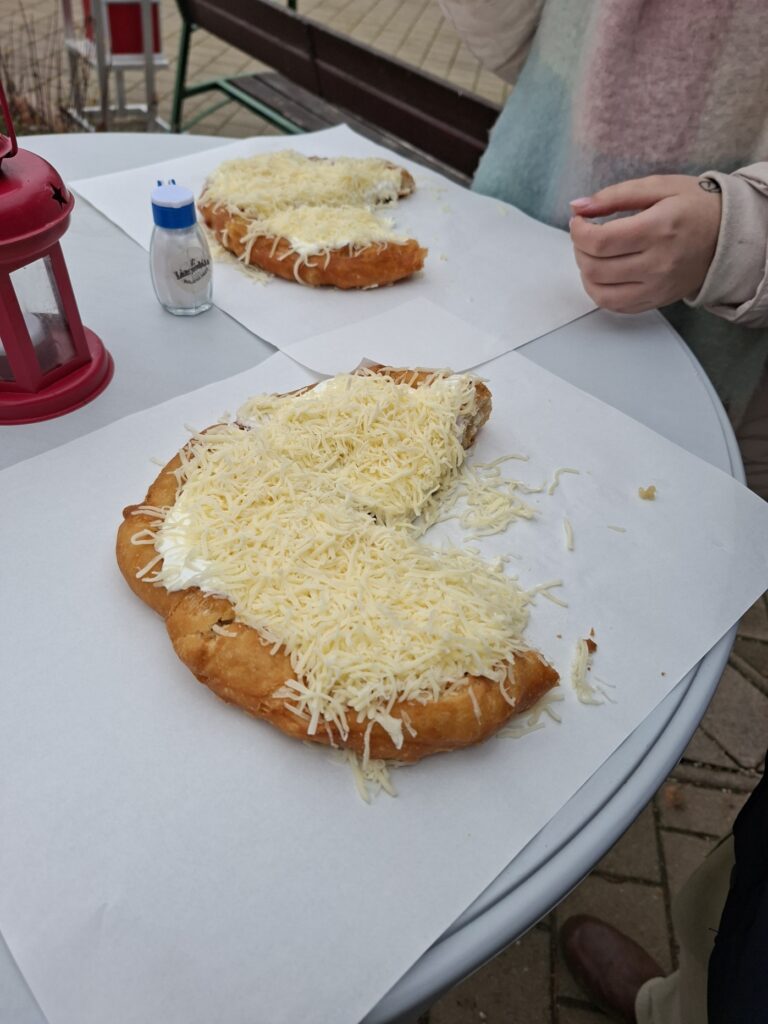
Hungarian cuisine is a masterful celebration of bold flavors and heartiness, where the iconic ruby-red paprika serves as the soul of almost every dish. Beyond the world-famous Goulash, a rich meat soup, travelers should indulge in Chicken Paprikash served with “nokedli” dumplings or the savory Töltött Káposzta (stuffed cabbage). For a quick snack, nothing beats a crispy Lángos topped with garlic water, sour cream, and cheese.

The beverage scene is equally legendary. Hungary’s wine history shines in the Tokaj region, home to the “Wine of Kings,” while the fiery Pálinka fruit brandy remains the ultimate symbol of hospitality. Whether you’re sipping a sophisticated dry Furmint or exploring the eclectic ruin bars of Budapest, Hungary offers a culinary journey that is both traditional and thrillingly modern.

Fun fact: Paprika is a signature spice in Hungary, used in soups, stews, and even sausages.

Getting around

Hungary is efficient and affordable in 2026. Within Budapest, a single public transport ticket costs 450 HUF (~$1.25), while a 24-hour travel card is approximately 2,500 HUF (~$7). For regional travel, MÁV trains offer extensive coverage; a trip from Budapest to Lake Balaton starts around 2,500–4,000 HUF (~$7–$11). Car rentals average $35 per day, ideal for rural exploration. Finally, a scenic Danube River cruise typically costs between $15 and $30, offering an unforgettable view of the city’s historic bridges.

Safety and Practical Information

Hungary is generally safe for travellers, with low violent crime rates. Standard precautions apply in crowded tourist areas.

  • Power sockets: Type C and F
  • Internet: Widely available
  • Tipping: 10% customary in restaurants
  • Language: Hungarian; English and German spoken in tourist areas
Final Verdict – Is Hungary Worth Visiting?

Pros:

  • Historic cities with beautiful architecture
  • Thermal baths, spas, and natural wonders
  • Delicious cuisine and famous wines

Cons:

  • Hot summers can be intense in cities
  • Winter days are short, though Christmas markets are festive

Verdict:
Hungary is perfect for travellers who enjoy history, culture, and relaxation. From the thermal baths of Budapest to Lake Balaton and the scenic countryside, Hungary offers a rich and memorable European experience.

Related posts

A Journey Through the Heart of Europe

A Danube river cruise offers a magical journey through the heart of Europe. It is the perfect blend of scenic beauty, cultural depth, and comfortable travel. From the rich history of Germany and Austria to the raw beauty of the Danube Delta, the river provides an elegant pathway to discovery.

Read More »

The World’s Most Legendary Luxury Train

Orient Express offers a once-in-a-lifetime experience where the romance of pre-war Europe truly comes to life. The unparalleled gastronomy, private steward service, and breathtaking landscapes transform the journey into an unforgettable adventure that goes far beyond mere transportation.

Read More »
Scroll to Top