The Soul of Southeast Asia: A Guide to Mekong River Cruises in 2026

The Mekong River, known as the “Mother of Water,” is the lifeblood of Southeast Asia. Flowing from the Tibetan Plateau through six countries down to the South China Sea, it offers one of the world’s most culturally immersive travel experiences. A Mekong cruise in 2026 is not just a holiday; it is a front-row seat to a changing world where ancient traditions, floating markets, and poignant history meet the rapid pulse of modern Asia. The most popular and practical stretch for a river cruise is between Ho Chi Minh City (Vietnam) and Siem Reap (Cambodia). To fully experience the contrast between these two nations, a 7-to-8-night cruise is the ideal duration.

  • The Upstream Route (Vietnam to Cambodia): Starting in the bustling energy of the Mekong Delta and ending near the majestic temples of Angkor Wat.
  • The Downstream Route (Cambodia to Vietnam): Beginning with the spiritual grandeur of the Khmer Empire and transitioning into the vibrant river-life and history of Southern Vietnam.

Most travelers combine the cruise with land stays in Hanoi, Ha Long Bay, or Luang Prabang (Laos) for a comprehensive 14-to-16-day Southeast Asian odyssey.

Expected Experiences and Highlights
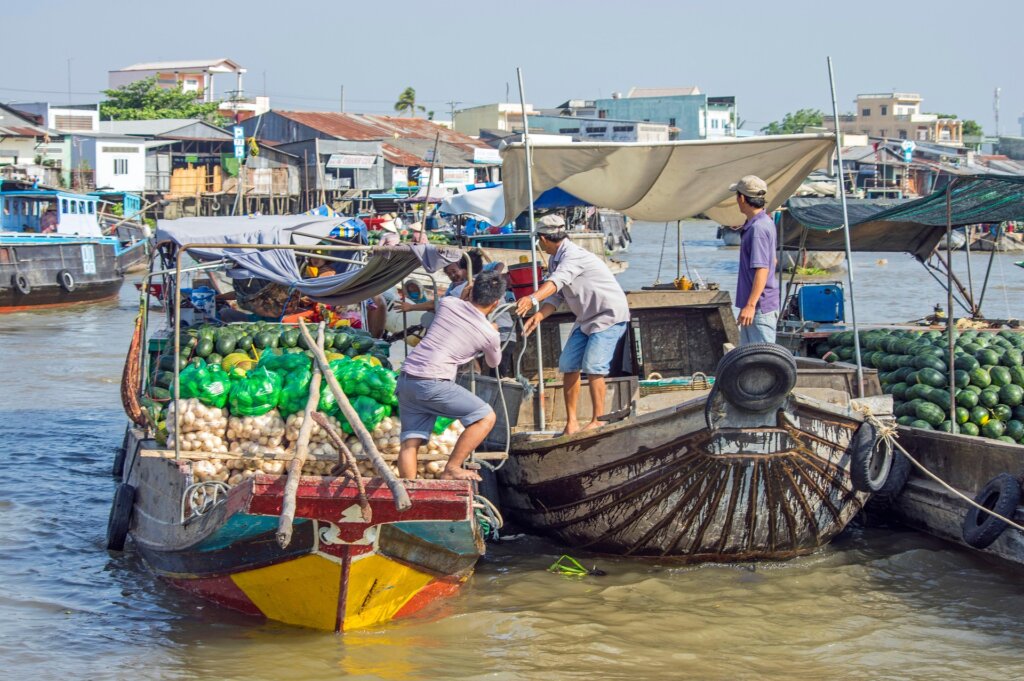
  1. Floating Markets and Villages: In the Mekong Delta, you will witness the organized chaos of markets like Cai Be or Sa Dec, where boats are piled high with pineapples and coconuts. Visiting “stilt villages” where houses stand high above the water provides a humbling look at resilient river living.
  2. Phnom Penh – The Pearl of Asia: Cambodia’s capital is a highlight of the journey. While the Royal Palace and Silver Pagoda showcase Khmer splendor, visits to the Killing Fields and S-21 Prison provide essential, albeit heartbreaking, context to the country’s modern history.
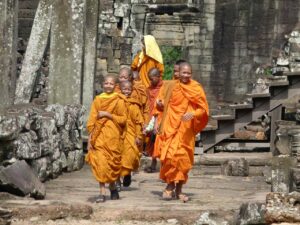
  3. Monastery Blessings: Many cruises include a stop at a local Buddhist monastery for a traditional water blessing by monks, a serene and spiritual highlight for many travelers.
  4. The Temples of Angkor: While the cruise usually ends or begins near Siem Reap, the opportunity to explore Angkor Wat, Bayon, and Ta Prohm at sunrise remains the ultimate climax of the trip.
2026 Estimated Costs and Budgeting

Mekong cruises are almost exclusively operated by premium and luxury lines, often including excursions, meals, and even some drinks in the base price.

  • Mid-Range/Expedition (e.g., CroisiEurope, Pandaw): $1,800 – $2,800 per person for a 7-night cruise. These ships often have a more traditional, “colonial” aesthetic with teak wood and open-air decks.
  • Luxury Suites (e.g., AmaWaterways, Uniworld, Aqua Expeditions): $4,500 – $7,000+ per person. These ships offer 5-star amenities, floor-to-ceiling windows, and gourmet fusion cuisine.
  • Additional Costs: Visas for Vietnam and Cambodia (check 2026 regulations as e-visa systems are frequently updated), international flights, and gratuities (budget approx. $15–$20 per day).
Practical Advice for 2026 Travelers
  1. The Water Level Factor: The Mekong’s water levels fluctuate significantly. During the “low water” season (typically January to June), ships may not be able to cross the Tonle Sap Lake to Siem Reap, requiring a bus transfer for the final leg. In 2026, many modern ships are designed with ultra-low drafts to minimize this disruption.
  2. Health and Vaccinations: Consult a travel clinic at least two months before departure. Vaccinations for Hepatitis A and B, Typhoid, and Tetanus are standard. Malaria risk is generally low on the main river but higher in rural inland areas.
  3. Connectivity: While 2026 ships feature improved Wi-Fi, the signal can be spotty in remote stretches of the river. Enjoy the chance to “unplug” and watch the river life go by.
  4. Local Currency: In Cambodia, US Dollars are widely used alongside the Cambodian Riel. In Vietnam, the Dong is the official currency. Carry small denominations for market purchases and tips.
What to Wear: Tropical Comfort and Respect

The Mekong region is hot and humid year-round, requiring a strategic wardrobe.

  • Breathable Fabrics: Lightweight cotton, linen, and moisture-wicking “dry-fit” fabrics are essential. Humidity can be intense, so pack more changes of clothes than you think you need.
  • Temple Etiquette: When visiting religious sites in both Vietnam and Cambodia, shoulders and knees must be covered. A lightweight sarong or scarf is a versatile item to carry in your daypack.
  • Footwear: Comfortable walking sandals with good grip or lightweight sneakers are best. You will often be boarding small local “sampans” (wooden boats) or walking on uneven rural paths.
  • Protection: High-quality insect repellent (essential for the evenings), a wide-brimmed hat, and polarized sunglasses to cut the glare from the water.

Related posts

Ancient Khmer Legacy

Angkor Wat, the world’s largest religious monument, is a 12th-century masterpiece of Khmer architecture. In 2026, it remains a top global cultural destination. Visitors can purchase passes at the official Angkor Enterprise website to explore its iconic spires and intricate bas-reliefs during spectacular sunrises.

Read More »
Scroll to Top