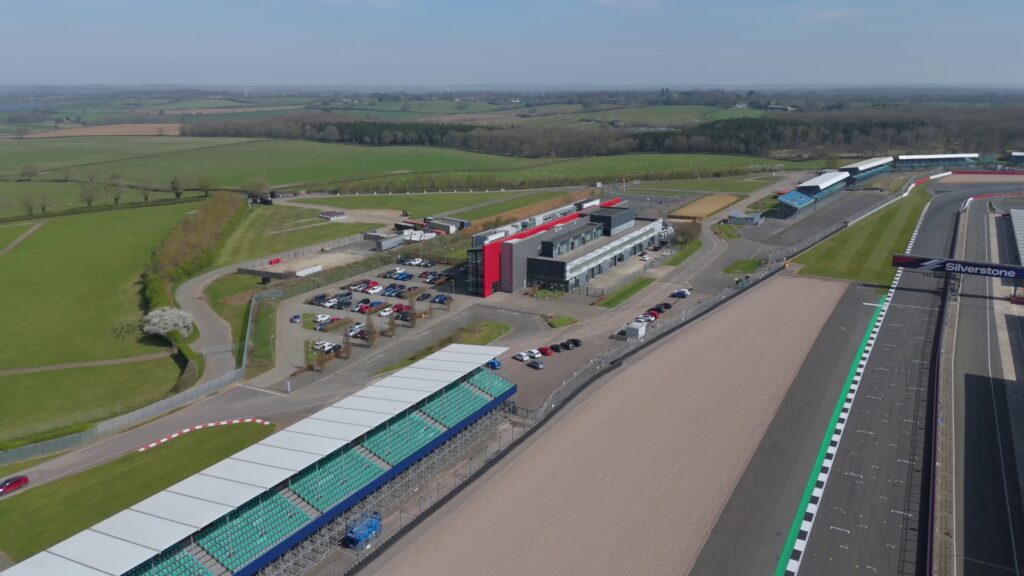
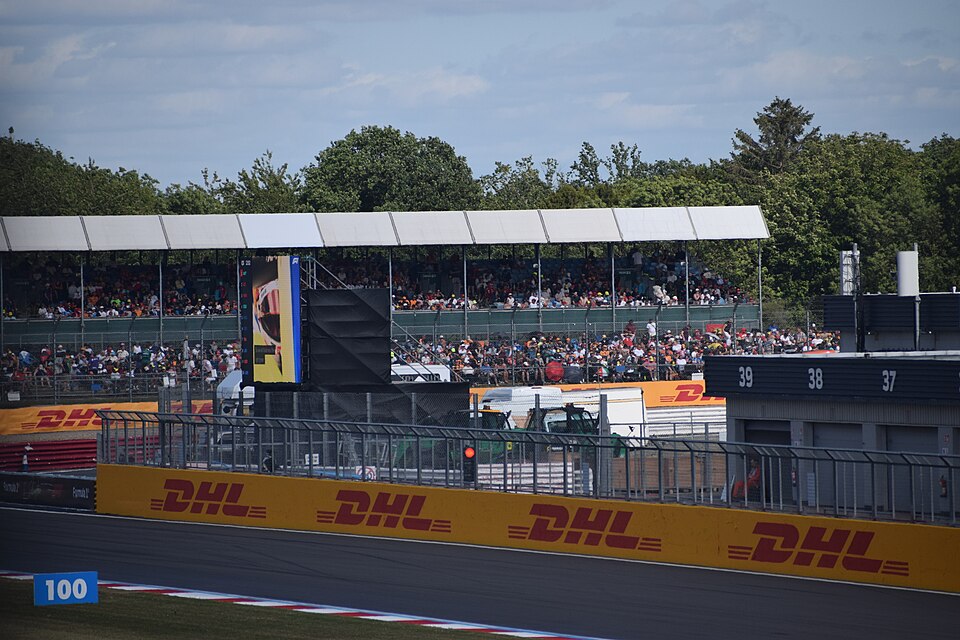
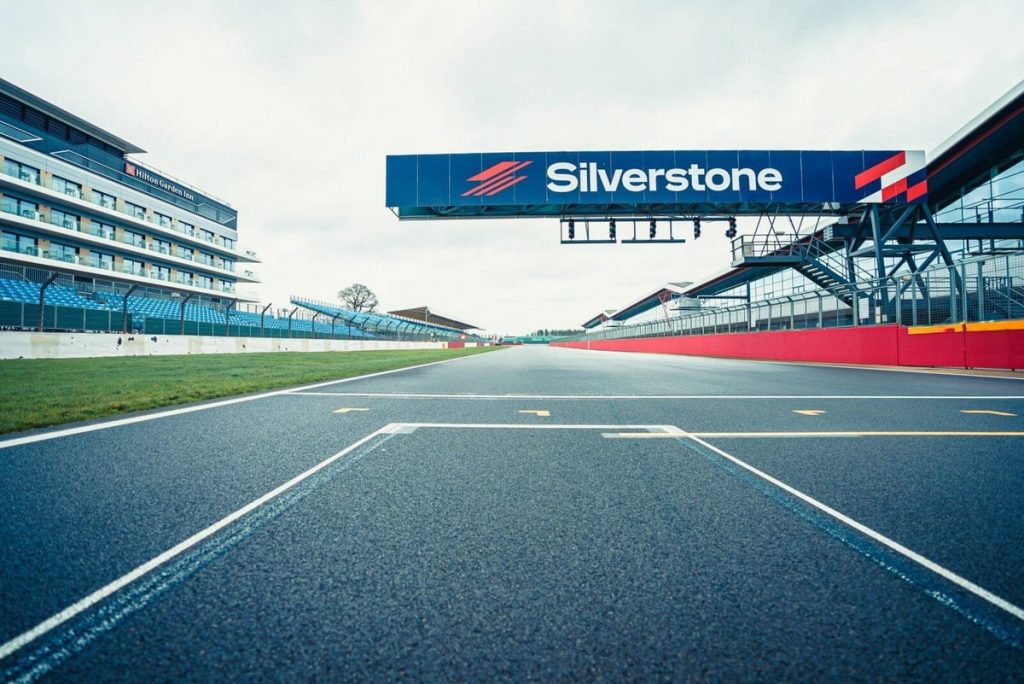
Silverstone Circuit start-finish straight in Northamptonshire, England

Silverstone Circuit Tour: What Can You Actually Visit?

Silverstone is one of the world’s best-known racing circuits, but visiting it outside a major race weekend is not quite as straightforward as the name might suggest. There is currently no permanently available traditional behind-the-scenes circuit tour. Instead, visitors can explore Silverstone Museum and, when circuit operations allow, walk sections of the historic track on the Heritage Track Trail. Other experiences depend on the event calendar and availability. This guide explains what you can actually visit at Silverstone, how the museum and circuit experiences differ, and what to check before making the journey.

Can You Tour Silverstone Circuit?

Visitors looking for a guided tour through the paddock, garages, Race Control and podium should check the current programme carefully before travelling. Silverstone does not currently list a permanently available backstage circuit tour among its standard visitor attractions.

Instead, the circuit offers a changing programme of motorsport events, driving experiences, karting and other activities, while Silverstone Museum provides the most dependable option for a general sightseeing visit. This makes Silverstone different from venues where a conventional stadium or circuit tour operates on a regular schedule. If touring the working circuit itself is your priority, check the official Silverstone Circuit website for experiences available on your chosen date.

For other approaches to visiting famous European racing venues, see our guides to the Nürburgring Experience and Monza Circuit Tour before planning your next trip.

Silverstone Museum

For most visitors arriving outside a major race weekend, Silverstone Museum is the main attraction.

Located beside the circuit in a restored aircraft hangar, the museum explores British motorsport through racing cars and motorcycles, technology, engineering and interactive exhibits. Displays range from different racing eras to the workings of a race day, while simulators and audiovisual installations make the experience more than a conventional vehicle collection.

One of the strengths of the museum is that it places Silverstone within the wider development of British motorsport rather than concentrating exclusively on Formula 1.

The museum estimates that an average visit takes around two to three hours, although there is no imposed time limit.

You can check current opening times and admission arrangements on the official Silverstone Museum visitor information page.


Heritage Track Trail: Walking the Old Circuit

The Heritage Track Trail offers something the indoor museum cannot: an opportunity to get closer to the circuit itself.

The outdoor route explores parts of the Silverstone site and includes sections of the original Grand Prix circuit. The 2026 route takes visitors to locations including Bridge Corner, BRDC Farm, KART Silverstone, Wellington Straight and Luffield Corner, with interpretation along the way explaining the significance of the places they pass.

Access to the trail is included with museum admission.

However, Silverstone remains an operational racing venue. The trail can therefore close for major events, circuit activities or health and safety reasons, sometimes at short notice. If walking part of the historic circuit is important to your visit, check the Heritage Track Trail status before travelling rather than assuming it will be open.


From RAF Airfield to Formula 1

Silverstone’s unusual history began during the Second World War, when the site operated as RAF Silverstone, a Royal Air Force bomber station. Motor racing arrived after the war, initially making use of the former airfield’s runways and perimeter roads. In 1950, Silverstone hosted the British Grand Prix that became the opening round of the newly created Formula 1 World Championship.

The circuit subsequently became closely associated with generations of British racing drivers, including Stirling Moss, Jim Clark, Nigel Mansell and Lewis Hamilton. Today, its transformation from wartime airfield to modern racing venue forms an important part of the story told inside the museum.

 

Damon Hill's Williams FW17 Formula 1 car at Silverstone Museum
BWard 1997 / Wikimedia Commons / CC BY 4.0.

Accessibility at Silverstone Museum

Silverstone Museum is fully wheelchair accessible, with level exhibition areas and lift access between its two floors. Wheelchairs can also be borrowed free of charge when reserved in advance. The dedicated museum car park has six Blue Badge spaces and an accessible drop-off area. Accessible toilets are available on both floors, and a Changing Places facility is provided on the ground floor. Eligible visitors can also request free admission for one assisting companion.

Visitors with sensory sensitivities should be aware that parts of the exhibition use low lighting, sound and audiovisual effects. The museum also holds Low Revs relaxed sessions on selected dates, with reduced visitor numbers, lower sound levels and modified visual effects.

The outdoor Heritage Track Trail is less straightforward for visitors with limited mobility. Some sections can be steep, stony or grassy where there is no tarmac path, so its accessibility should be considered separately from that of the museum building. More detailed information is available in the official Silverstone Museum accessibility guide.

Planning Your Visit

Silverstone’s event calendar should be one of the first things you check when choosing a date.

Major race weekends operate differently from an ordinary museum day. During certain major events, access to Silverstone Museum requires the relevant event ticket, while parking, public transport and entry arrangements can also change.

For a quieter museum experience, afternoons — particularly during school term time — generally have fewer visitors.

Advance online booking is recommended by the museum and currently provides a saving compared with buying admission at the ticket desk. Rather than relying on prices published elsewhere, check the official Silverstone Museum ticket page for current admission and booking information.

If Silverstone is part of a wider motorsport trip, our Circuit de Barcelona-Catalunya Tour shows how another Formula 1 venue approaches the visitor experience.

Getting to Silverstone

Silverstone Circuit is near Towcester in Northamptonshire, around 90 minutes north of central London by road under normal conditions and approximately an hour south of Birmingham. By car, the circuit is reached via the A43, with connections from the M1 to the north and M40 to the south. Silverstone currently advises visitors that major roadworks on the A43 between Towcester and the circuit may add extra journey time.

For an ordinary museum visit, free parking is available directly in front of the museum.

Public transport requires more planning. Wolverton is the closest railway station at approximately 10 miles (16 km), while Milton Keynes, Northampton and Banbury are also within roughly 13 miles (20 km). There is no railway station at the circuit itself, so the final part of the journey requires onward transport.

Local bus arrangements vary, particularly around major events, and taxis are available from nearby railway stations. Silverstone recommends booking a return taxi in advance. Check the official Silverstone Getting Here guide shortly before travelling for current road and public transport information.

Copse Stand overlooking the track at Silverstone Circuit
Jason Puddephatt / Wikimedia Commons / CC BY-SA 4.0

Is Silverstone Worth Visiting?

For motorsport fans, Silverstone is worth considering even without a race ticket. The important thing is to arrive with the right expectations.

A normal visit is primarily a museum experience, with the possibility of getting closer to the historic circuit when the Heritage Track Trail is available. Visitors specifically hoping to enter the paddock, garages, Race Control or other restricted operational areas should not assume that these are included.

Silverstone is still a busy working motorsport venue rather than a circuit preserved mainly for sightseeing. That limits what can be guaranteed on any particular day, but it is also what makes visiting the home of the British Grand Prix different from touring a conventional museum.

Related posts

Unlocking the Red Bull Ring Spielberg

Spielberg’s Red Bull Ring offers more than the Austrian Grand Prix. This guide covers the official circuit tour, Welcome Center and driving experiences, along with accessibility and tips for planning a visit. See what makes the venue worth a stop even when no major race is on the calendar.

Read More »

Bahrain International Circuit

Bahrain International Circuit offers more than Formula 1 in Sakhir. Open Track sessions, karting, off-road activities and circuit tours give visitors several ways to experience the venue. Compare these options and plan a visit beyond Grand Prix weekend.

Read More »
Race car in front of crowded grandstands at Circuit of the Americas

Circuit of the Americas

Austin’s Circuit of the Americas is home to the United States Grand Prix, but race weekends are only part of its story. This guide covers COTA Tower, driving experiences, Bike Nights and other ways to visit, with practical advice for planning time at this Texas motorsport destination.

Read More »
Scroll to Top