




Spain – Land of Flamenco, Tapas, and Sun-Kissed Beaches

Why Visit Spain?

Spain is a must-visit destination offering a captivating blend of rich history, vibrant culture, and diverse landscapes.

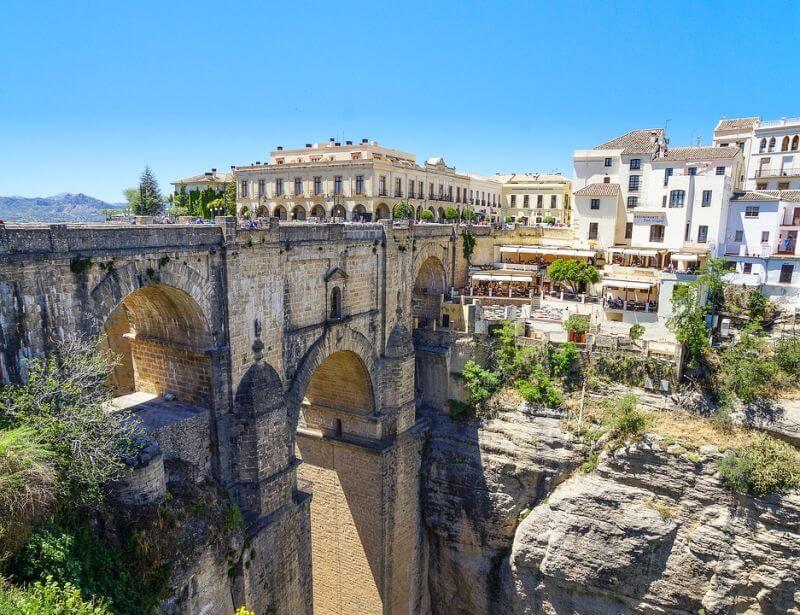
A primary draw is the culture and history. From the architectural masterpieces of Gaudí in Barcelona and the Alhambra in Granada, to the world-class art museums in Madrid, such as the Prado, the country is steeped in artistic heritage. The atmosphere is lively, with warm, welcoming locals and regional traditions like flamenco dancing and local festivals (fiestas) that provide an immersive experience.

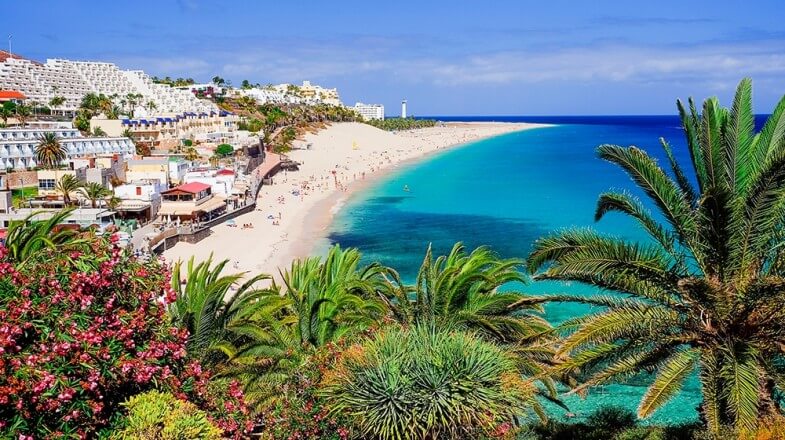
For relaxation, Spain boasts stunning natural beauty, featuring miles of Mediterranean and Atlantic coastline with beautiful beaches. Beyond the coast, the country’s diverse terrain includes dramatic mountain ranges like the Pyrenees and Picos de Europa.

Spain caters to all tastes, offering an unforgettable mix of sun-soaked beaches, historic cities, mouthwatering food, and passionate people.

Fun fact: Spain has 17 UNESCO World Heritage Sites, including the Alhambra, Sagrada Família, and Camino de Santiago.

Basic Facts at a Glance
  • Capital: Madrid
  • Region: Southwestern Europe / Iberian Peninsula
  • Population: About 47 million
  • Official language: Spanish
  • Currency: Euro (EUR)
  • Time zone: UTC+1 (CET) / UTC+2 (CEST in summer)
Climate and Best Time to Visit
  • Climate: Mediterranean in coastal areas, continental inland, semi-arid in the southeast
  • Best time: March–June and September–November for mild weather and fewer tourists

Fun fact: Southern Spain can reach over 40°C (104°F) in summer, making coastal areas popular escapes from the inland heat.

Main Attractions

Cities & Towns

  • Madrid: Capital city with the Royal Palace, Prado Museum, and lively plazas.
  • Barcelona: Gaudí’s architectural masterpieces, beaches, and Gothic Quarter.
  • Seville: Flamenco, Alcázar palace, and historic charm.
  • Granada: Alhambra fortress and stunning mountain views.
  • Valencia: City of Arts and Sciences, beaches, and paella origins.


Fun fact: Barcelona’s Sagrada Família has been under construction for over 140 years and is still unfinished. While the main towers and the overall silhouette are finished in 2026, the building is not “done.” Work continues on the intricate sculptures and theological details of the Glory Façade.

Natural Wonders
  • Costa del Sol & Costa Brava: Beautiful Mediterranean beaches and resorts.
  • Picos de Europa: Rugged mountains perfect for hiking and nature lovers.
  • Canary Islands: Volcanic landscapes, beaches, and subtropical climate.
  • Balearic Islands: Mallorca, Menorca, and Ibiza for beaches, nightlife, and scenic beauty.

Fun fact: Spain has the largest number of sunny days in Europe, making it ideal for beach holidays.

Food and Drink

Spanish cuisine is a celebrated tapestry of flavors that reflects the country’s diverse geography and Mediterranean soul. At the heart of its food culture is tapas, a social tradition of sharing small plates like patatas bravasgambas al ajillo (garlic shrimp), and the iconic tortilla de patatas.

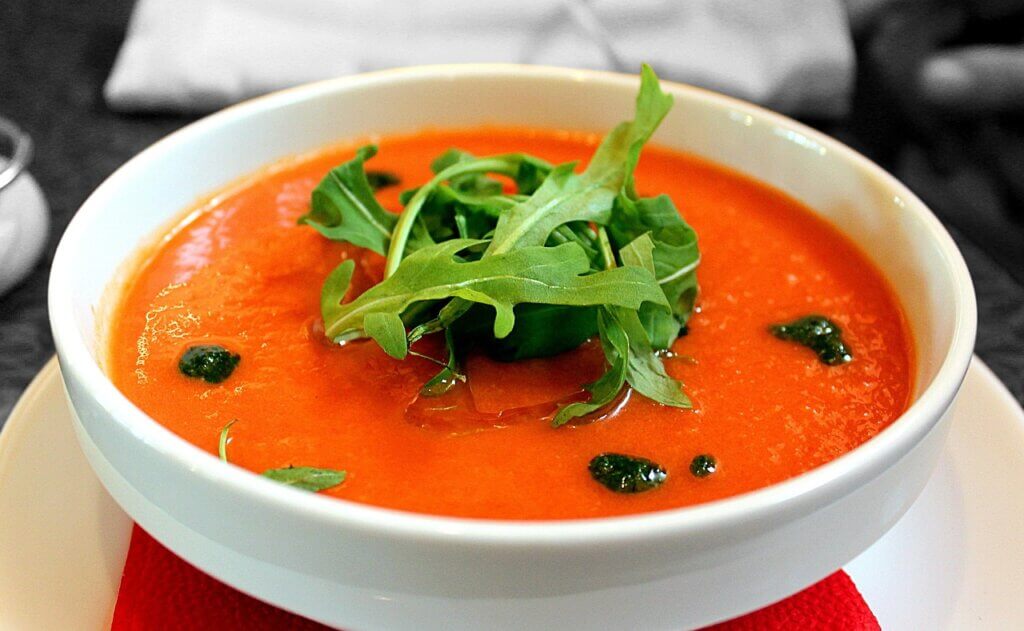
No culinary journey is complete without tasting Paella, the famous saffron-infused rice dish from Valencia, traditionally prepared with seafood or rabbit. Another staple is Jamón Ibérico, a premium salt-cured ham prized for its rich, nutty flavor. In warmer months, chilled soups like Gazpacho or Salmorejo provide a refreshing escape from the sun.

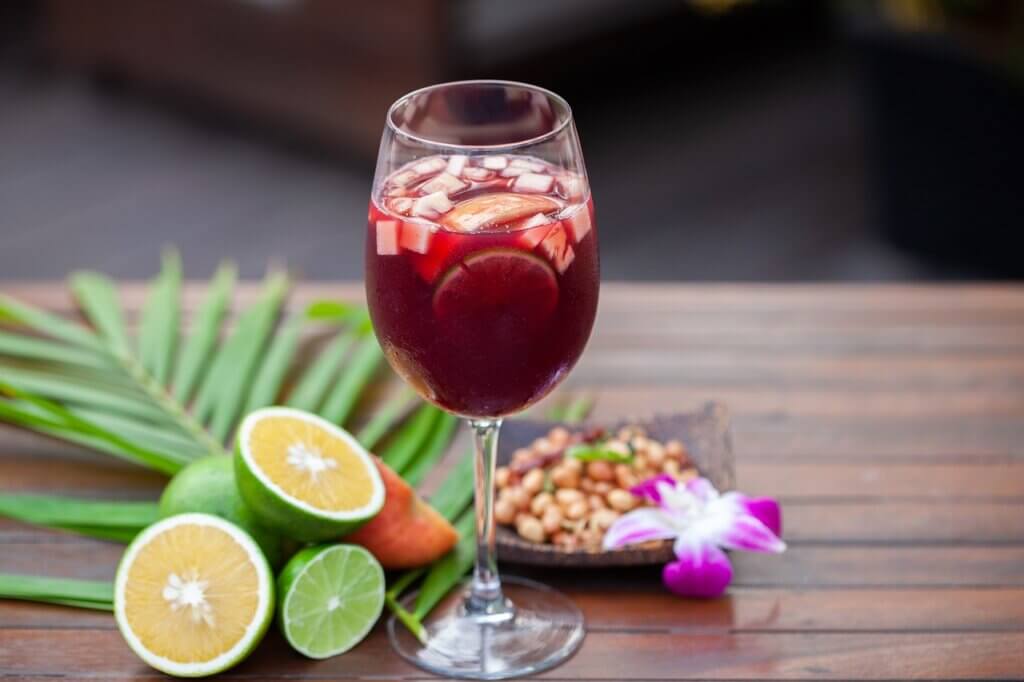
To accompany the food, Spain offers world-class drinks. Rioja and Ribera del Duero produce bold red wines, while Cava serves as the country’s sparkling pride. For a casual afternoon, many enjoy a crisp caña (small beer) or a refreshing glass of Sangria or Tinto de Verano. This focus on fresh ingredients and communal dining makes Spanish gastronomy truly unforgettable.

Fun fact: Tapas originated as small dishes served in bars to accompany drinks, and “tapa” literally means “cover”, as they were once used to cover drinks to keep flies out.

Getting Around

Spain has an excellent transport network: high-speed trains (AVE), buses, metros, and domestic flights. Renting a car is ideal for exploring smaller towns and countryside.

Fun fact: Spain’s AVE trains can reach speeds of 310 km/h (193 mph), making travel between cities fast and convenient.

Safety and Practical Information

Spain is generally safe for tourists, though pickpocketing in crowded areas can occur.

  • Power sockets: Type C and F
  • Internet: Widely available
  • Tipping: 5–10% customary in restaurants
  • Language: Spanish; English widely spoken in tourist areas
Final Verdict – Is Spain Worth Visiting?

Pros:

  • Rich culture, history, and architecture
  • Beautiful beaches, islands, and mountains
  • Vibrant festivals, nightlife, and cuisine

Cons:

  • Crowded tourist areas in summer
  • Hot weather in southern regions during peak season

Verdict:
Spain is perfect for travellers seeking culture, sun, food, and lively experiences. From flamenco in Seville and Gaudí’s masterpieces in Barcelona to the beaches of Costa del Sol and scenic islands, Spain offers a diverse and unforgettable journey.

Related posts

Home to the Spanish Grand Prix

Guided tours of the Circuit de Barcelona-Catalunya offer an exclusive 90-minute look into world-class motorsport operations. Visitors explore restricted professional zones, including the Race Direction, Media Centre, paddock, and briefing room. A highlight is the podium, where you can take photos overlooking the main straight.

Read More »
Scroll to Top