


The Great Wall of China: A Journey Through Time and Stone

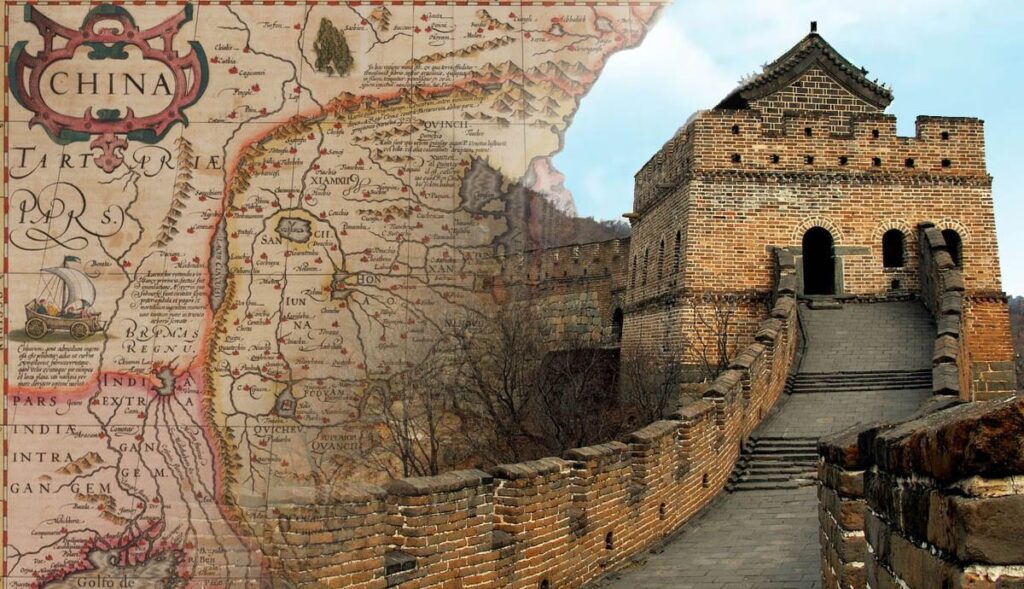
The Great Wall of China, a UNESCO World Heritage site and one of the New Seven Wonders of the World, stands as an eternal symbol of China’s historical resilience and engineering prowess. Stretching over 21,000 kilometers across the northern borders, it is not a single continuous wall but a vast network of fortifications, watchtowers, and barriers built over two millennia.


A Glimpse into History

The history of the Great Wall began as early as the 7th century BC, when various states built individual walls for protection. However, it was Qin Shi Huang, the first Emperor of China, who famously unified these sections around 221 BC. Most of the well-preserved structures we see today were constructed during the Ming Dynasty (1368–1644) to defend the empire against nomadic invasions from the north. Beyond defense, the wall served as a vital corridor for the Silk Road, allowing for trade regulation and communication.

Popular Sections to Visit

Depending on your fitness level and interest, there are several key sections to explore from Beijing:

  • Badaling: The most famous and restored section. It is highly accessible, featuring cable cars and handrails, making it ideal for families. However, it is often very crowded. Starting from April 30, 2025, a Night Tour will be available, allowing visitors to experience the illuminated Great Wall from 7:00 PM to 10:00 PM. This offers a unique perspective of the wall against the night sky.
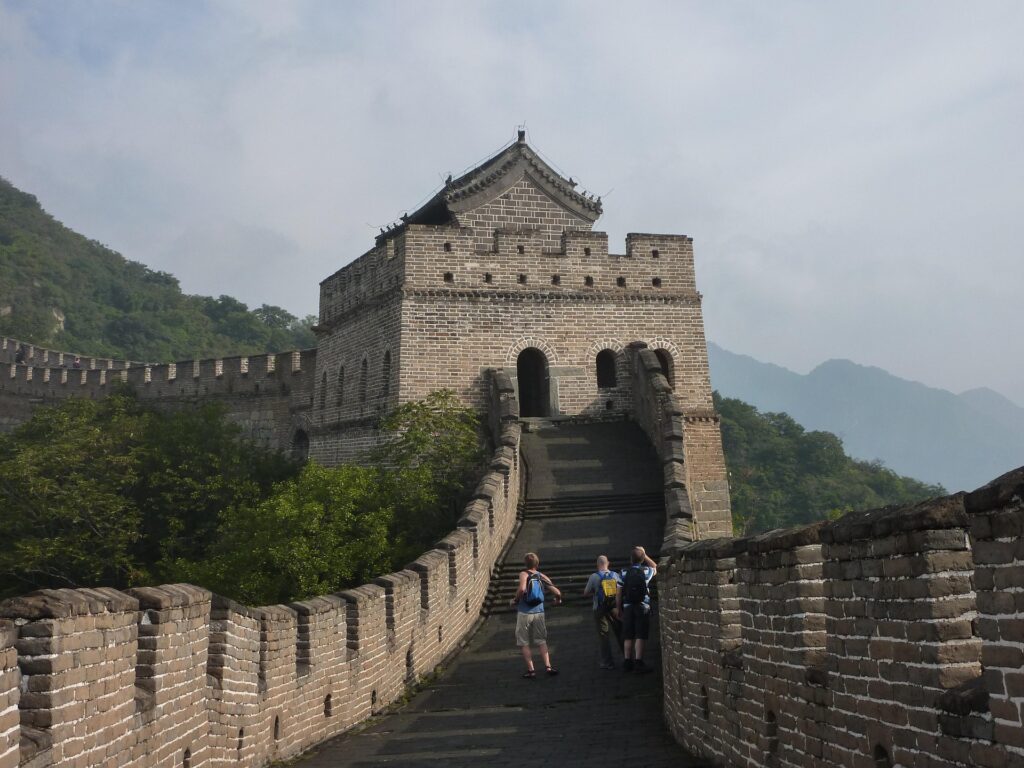
  • Mutianyu: A fantastic alternative to Badaling. It offers breathtaking views, is surrounded by lush forests, and features a fun toboggan ride to descend from the wall.
  • Jiankou: For the adventurous hiker, this “wild” section remains unrestored. It is steep and challenging but offers the most authentic and photogenic experience.
  • Simatai: Known for its unique architecture and the fact that it is open for night tours, beautifully illuminated against the dark sky.
How to Get There

Most travelers use Beijing as their base.


  • By Train: High-speed trains run from Beijing North or Qinghe Railway Station to Badaling in just 20–30 minutes.
  • By Bus: The 877 non-stop bus from Deshengmen is a popular budget option for reaching Badaling. For Mutianyu, many tourists opt for private shuttles or the “Mubus” service.
  • Private Car: Hiring a driver for the day is the most flexible way to visit more remote sections like Jiankou or Simatai.
Entrance Fees and Planning

In 2026, visitors must use real-name registration and book tickets online in advance via official platforms or apps like WeChat.

  • Entrance Fees: Generally range from 40 to 60 RMB (approx. $6–$9 USD) depending on the section and season.
Optional Costs: 

Cable cars or chairlifts usually cost an additional 120–140 RMB for a round trip.

Traveler’s Tip: 

The best times to visit are spring (April–May) for blossoms or autumn (September–October) for the vibrant foliage and crisp air. Always bring sturdy walking shoes and plenty of water to conquer this legendary dragon of stone. Many local guides organizing trips from the hotels to the Great Wall creatively connect the main attraction with visits to nearby tourist villages, authentic local restaurants, and small shops. It is highly recommended to dedicate a full day to this experience, as significant traffic jams can form not only at the various sections of the Wall but also on the return journey to Beijing. 

Our guide was particularly pleased to receive payment in cash, accepting either Euros or US Dollars. However, the commonly used Chinese digital payment methods, Alipay and WeChat Pay, also worked perfectly fine.

Related posts

Mekong: Soul of Southeast Asia

In 2026, a Mekong River cruise offers an intimate journey through the heart of Southeast Asia, connecting the ancient temples of Cambodia with Vietnam’s vibrant delta. Travelers experience floating markets, remote monasteries, and lush landscapes from luxury vessels, providing a profound look at the region’s rich cultural heritage.

Read More »

China: Global Power Dynamics

China offers a profound travel experience where ancient history meets futuristic innovation. In 2026, visitors can explore diverse landscapes, sample the “Eight Great Cuisines,” and travel efficiently using the world’s largest high-speed rail network. It remains an affordable destination, promising unforgettable experiences from the Great Wall to the Shanghai skyline.

Read More »
Scroll to Top