
Swiss Mountain Tracks
The Bernina Express crosses the Alps through high mountain scenery and remarkable railway engineering. This guide follows the changing landscape from glaciers to valleys and helps you decide how to experience the route.

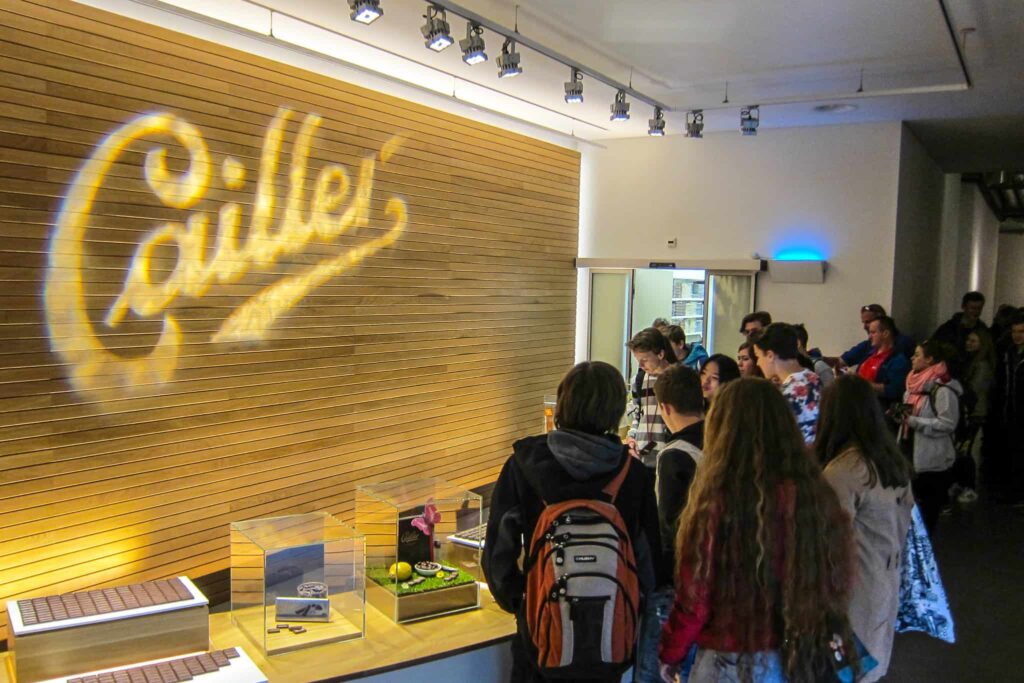
There are factory tours where you watch machines from behind glass, and then there are places where the product itself becomes part of the experience. Maison Cailler in Broc, Switzerland, definitely belongs to the second category.
Set in the beautiful Gruyère region at the foot of the Swiss Alps, Maison Cailler combines chocolate history, manufacturing, tasting and hands-on experiences in the place where Cailler chocolate is still produced today. For travellers interested in how familiar products are made, the Maison Cailler Chocolate Factory Tour offers something more interesting than a conventional museum – although it is worth knowing exactly how much of the working factory you will actually see.
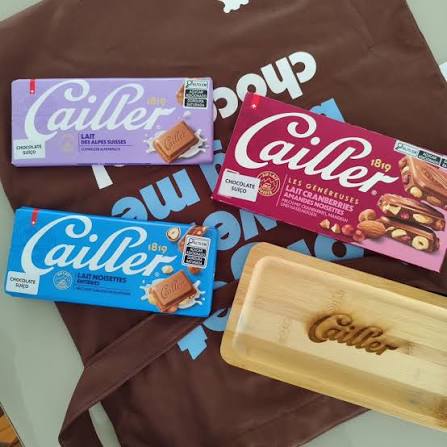
Cailler was founded in 1819 and is the oldest still-existing Swiss chocolate brand. The company’s connection with Broc began in 1898, when Alexandre-Louis Cailler built a chocolate factory here in the Gruyère region.
The location was no accident. The surrounding countryside provided access to high-quality milk, while water and local labour helped make Broc a practical base for chocolate production.
Today, Cailler is part of Nestlé, but the brand retains a strong identity of its own. Cailler chocolate is still produced at the Broc factory, where the manufacturing process runs from roasting cocoa beans through to the finished chocolate products.
One particularly distinctive ingredient is local Alpine milk. Cailler uses milk supplied by farms close to the factory, maintaining a connection between Swiss agriculture and chocolate production that has existed here for generations.
Fun fact: Cailler is the oldest existing Swiss chocolate brand, but Switzerland’s milk-chocolate story also has another connection to the family. Daniel Peter, who married into the Cailler family, developed milk chocolate in the 19th century.
Do not treat Maison Cailler as a quick stop if you genuinely enjoy food production and manufacturing experiences.
Allow around 1.5 to 2 hours for the main visit, with additional time if you plan to browse the shop, stop at Café Cailler or join a workshop.
The attraction can also be combined easily with other destinations in the Gruyère region, making Broc a good part of a full-day excursion rather than a destination that needs an entire day on its own.
Maison Cailler is the visitor experience attached to the Cailler chocolate factory in Broc. Rather than simply walking visitors through an industrial production hall, it combines an interactive museum, chocolate-making demonstrations, manufacturing displays and – inevitably – tasting.
The experience begins with the history of cocoa and chocolate before moving into the story of Cailler and Swiss chocolate making. Multimedia displays make this first part more theatrical than a traditional museum.
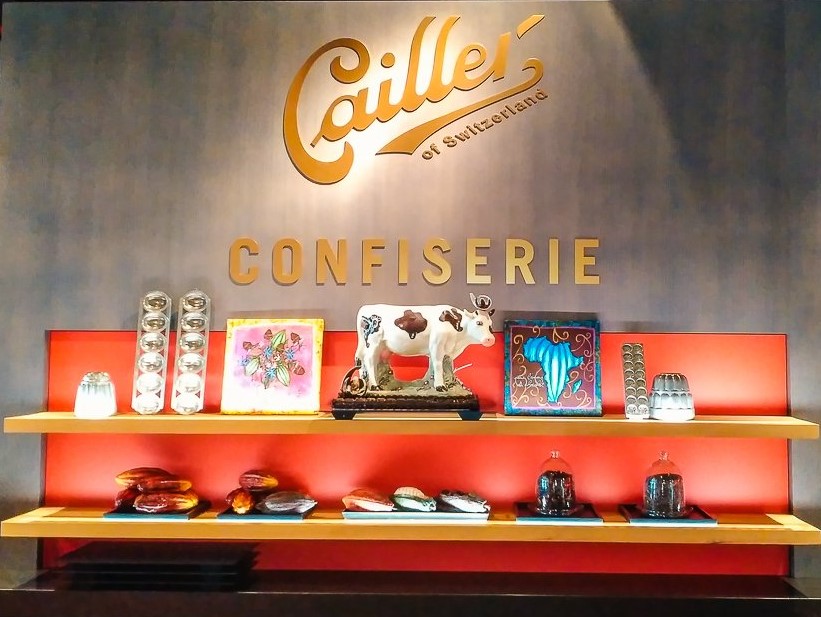
Later sections focus more closely on ingredients and production. Visitors can learn about cocoa beans, milk and other ingredients before seeing parts of the manufacturing process and watching chocolate products move through production.
And then comes the part most visitors are waiting for: the tasting.
Maison Cailler allows visitors to sample a selection of chocolates, making this one factory-related attraction where understanding the product and eating it are very much part of the same experience.
This is an important distinction.
Maison Cailler is located at a working chocolate production site, and Cailler chocolate really is manufactured in Broc. However, visitors should not expect an unrestricted walk through an industrial factory floor.
The experience is designed as a visitor attraction. You see and learn about production through dedicated viewing areas, displays and demonstrations rather than following workers through every stage of a live production line.
For some factory-tour enthusiasts, that distinction matters. If your main interest is heavy machinery, industrial logistics and unrestricted behind-the-scenes access, Maison Cailler may feel more polished and museum-like than expected.
But if you want to understand how chocolate is made while also learning about the history, ingredients and people behind a major Swiss brand, the balance works very well.
For visitors who want something more hands-on, Maison Cailler also offers chocolate workshops led by its chocolate experts.
Depending on the workshop, participants can learn techniques such as tempering chocolate and making ganache before creating their own chocolate products.
These workshops are separate from the standard museum visit and should be booked in advance, particularly during busy periods. Children under six are not permitted in the workshop area for safety reasons.
This is probably the best addition for travellers who want to do more than simply observe. Making something yourself changes the visit from a museum experience into a more memorable encounter with the craft behind the product.
Maison Cailler is open seven days a week, except 25 December and 1 January.
Current seasonal opening hours are:
Advance online booking is strongly recommended during busy periods.
Ticket prices, workshop availability and opening hours can change, so check the latest visitor information on the official La Gruyère tourism website before your visit.
Lockers are available for bags, suitcases and jackets. Café Cailler serves drinks, light meals and desserts, so there is no need to rush away immediately after the tour.
Maison Cailler is a particularly useful option for travellers with reduced mobility.
According to the attraction, the museum tour is accessible to visitors using wheelchairs or walkers, and two wheelchairs are available on request. Buggies are also permitted inside the museum.
Visitors with hearing impairments are accommodated as well, and assistance dogs are permitted.
There is one important exception if you are considering the additional outdoor chocolate game: the 2.5-kilometre walking route around the factory is not accessible to wheelchairs or buggies.
For travellers who need to plan accessibility carefully, it is worth checking current conditions directly with Maison Cailler before visiting. You can also explore our wheelchair accessible travel guides for more practical information on accessible destinations, transport and attractions.
Maison Cailler is located in Broc, in the canton of Fribourg, close to the medieval town of Gruyères.
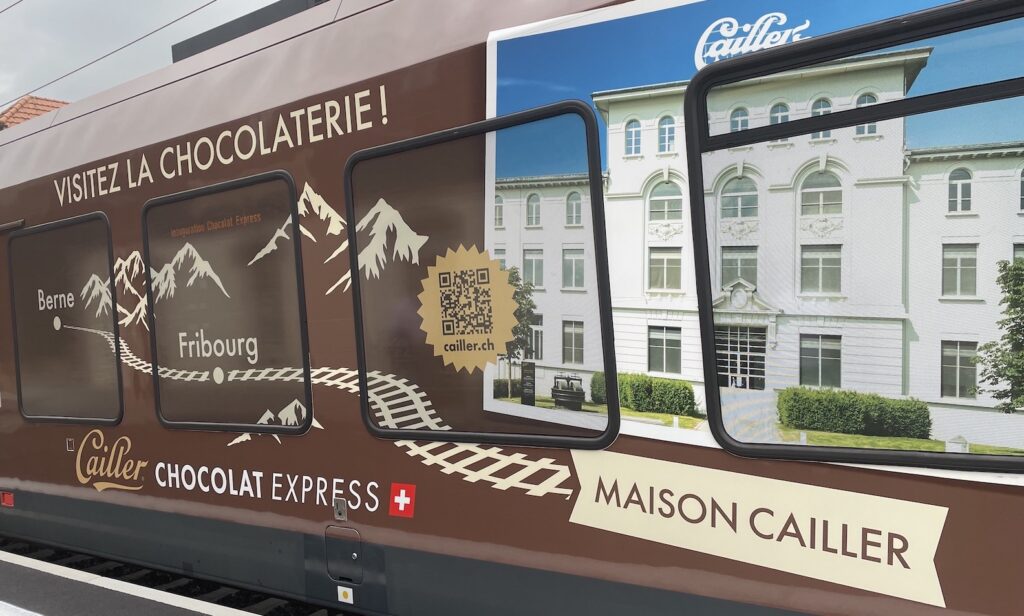
One of the advantages is that you do not necessarily need a car. The railway station Broc-Chocolaterie is directly associated with the attraction, making the factory accessible by public transport.
There is also a direct Chocolat Express connection from Bern to Broc-Chocolaterie, with the journey taking approximately 1 hour and 18 minutes.
By car, Broc is easy to combine with Gruyères and the surrounding countryside. Parking is available at Maison Cailler, including designated arrangements for buses and campervans, and electric-vehicle charging points are available.
Travel tip: If you are already exploring western Switzerland by train, check current rail connections before automatically renting a car. Switzerland’s public transport makes this one of the easier factory attractions to reach without driving.
One of the best reasons to visit Maison Cailler is its location.
The medieval village of Gruyères is nearby and makes an excellent combination with the chocolate factory. Its hilltop setting, castle and historic streets provide a complete change of atmosphere after the modern visitor experience at Cailler.
Cheese lovers can take the food theme even further by combining chocolate with a visit devoted to Gruyère cheese production.
This makes the area particularly appealing for travellers who enjoy factory tours and food production: chocolate, cheese and one of Switzerland’s most picturesque historic villages can all fit naturally into the same day.
If you are also considering Vevey, our Maison Cailler vs Alimentarium comparison looks at two very different Swiss food experiences and can help you decide which one better suits your interests.
Pros
Cons
What makes the visit memorable is the combination. Chocolate here is connected to the surrounding Gruyère region, local milk, more than 200 years of Cailler history and a brand that has become part of Switzerland’s chocolate tradition. The interactive displays make the story accessible without turning the experience into a dry museum visit, while the workshops offer a chance to get more involved.
Its location is another advantage. Maison Cailler fits naturally into a day exploring Gruyères, where chocolate, cheese, Alpine scenery and a medieval village can become part of the same journey.
As a combination of manufacturing, history, food and travel, Maison Cailler works remarkably well – even if the chocolate is probably what you will remember first.
And if your idea of quality control involves tasting several pieces before leaving, this is one factory where volunteering for the job seems entirely reasonable.
The Bernina Express crosses the Alps through high mountain scenery and remarkable railway engineering. This guide follows the changing landscape from glaciers to valleys and helps you decide how to experience the route.
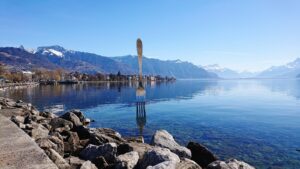
Maison Cailler and the Alimentarium offer two very different ways to explore Switzerland’s relationship with food. One focuses on chocolate, its history, production and tasting, while the other examines food through science, culture and society. We compare both experiences to help you decide which one better suits your interests.