
Bridging Antiquity and Accessibility: A Wheelchair User’s Guide to Israel

In 2026, Israel continues to be a leading destination for accessible travel, combining ancient history with modern infrastructure. Accessibility is mandated by strict national laws, ensuring that public transportation, including the Jerusalem Light Rail and most bus lines, is wheelchair-friendly. 
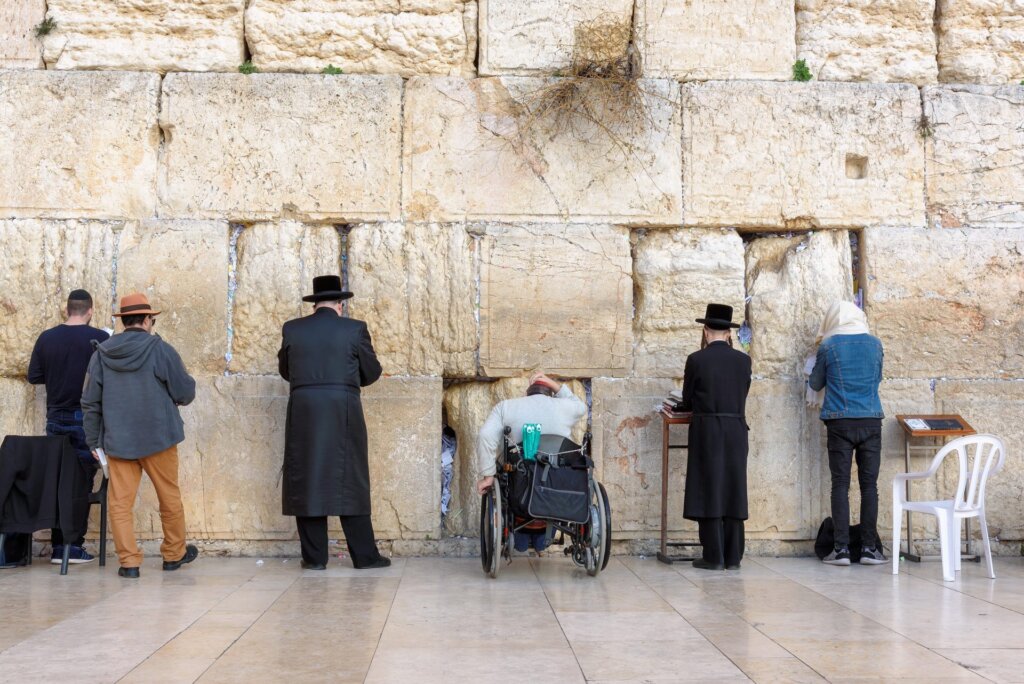
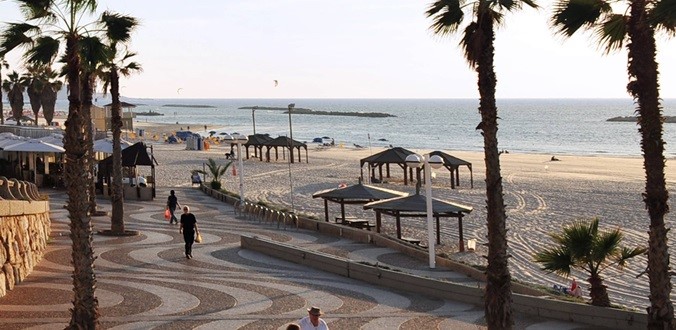
In Tel Aviv, the flat coastal terrain and extensive Mediterranean boardwalk provide seamless movement for wheelchair users, with many beaches offering specialized amphibious chairs and wooden ramps leading to the water. Jerusalem, despite its challenging hilly topography and ancient cobblestones, has undergone significant upgrades. The Ramp Up project has installed kilometers of handrails and ramps throughout the Old City’s alleys, making sites like the Western Wall and the Church of the Holy Sepulchre increasingly accessible. 
Nature lovers can explore the Israel Nature and Parks Authority sites, many of which, like Masada (via a specialized cable car) and En Gedi, offer paved paths and accessible facilities. While some historical ruins remain difficult to access, the combination of high-tech accessibility apps and a strong cultural commitment to inclusion makes navigating Israel a rewarding experience for those with mobility challenges. 
Planning Your Journey to the Holy Land

Planning is essential when visiting a country with such diverse terrain and ancient architecture. Israel’s accessibility regulations are among the most advanced in the Middle East, ensuring that all new public buildings and major renovations are fully barrier-free.

Key Resources:

  • Access Israel: This leading non-profit organization provides comprehensive information on accessible sites, restaurants, and events throughout the country. Their website is an invaluable tool for real-time accessibility updates.
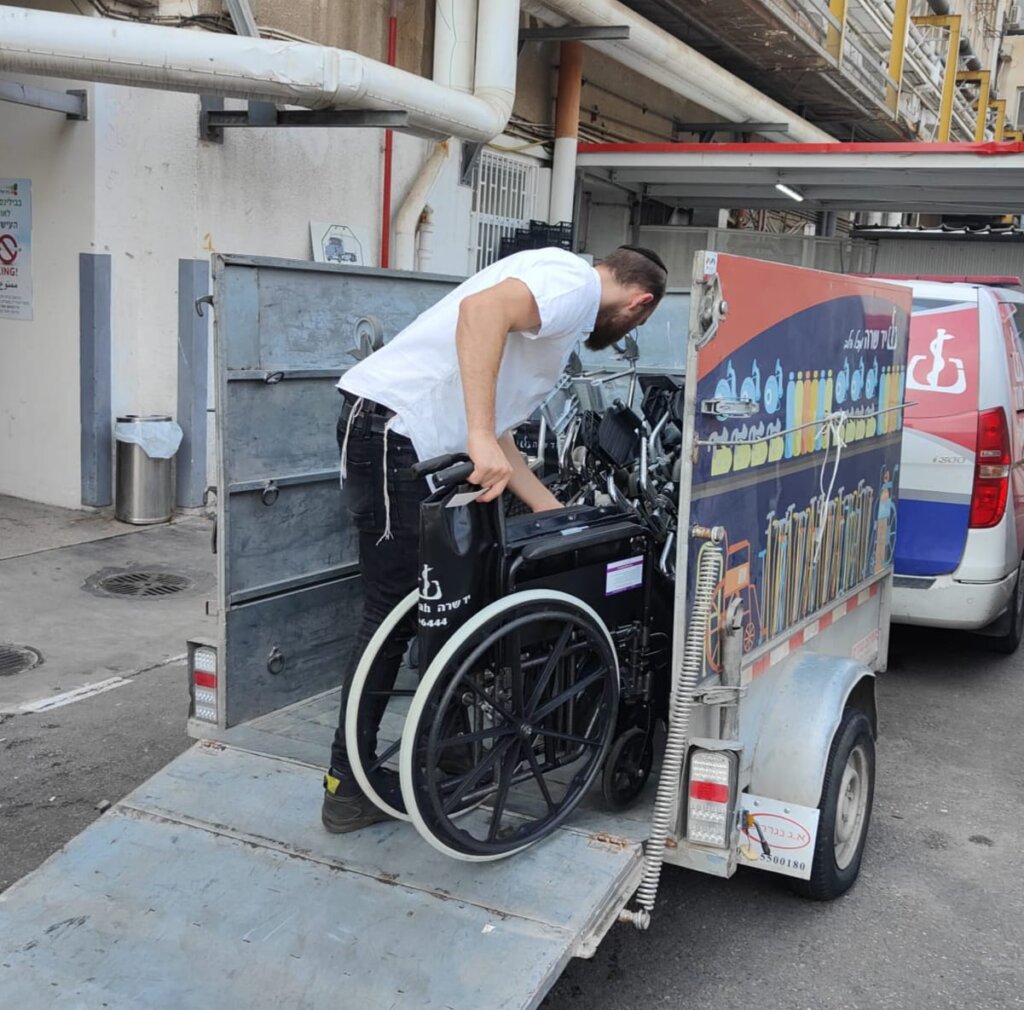
  • Yad Sarah: A unique Israeli volunteer organization that lends medical equipment, including wheelchairs and hoists, to tourists for free (though a small deposit is usually required). This can save you the hassle of transporting heavy equipment across borders.
Transport: Moving Through the Land of Milk and Honey

Arrival and Rail Travel

Ben Gurion Airport is world-class in terms of accessibility, offering seamless assistance for passengers with reduced mobility. Once you land, the Israel Railways network is the most efficient way to travel between major cities like Tel Aviv, Haifa, and Jerusalem. All trains feature dedicated wheelchair spaces, and most stations are equipped with elevators and ramps. In 2026, the high-speed link to Jerusalem is fully optimized for accessible travel.

City Transport

  • Tel Aviv: The city is largely flat and very wheelchair-friendly. Most buses have ramps, and the newer Light Rail (Red Line) is 100% accessible with level boarding.
  • Jerusalem: While the terrain is hilly, the Jerusalem Light Rail is a lifesaver, connecting the modern city center with the gates of the Old City. All stations and trains are fully accessible.
  • Taxis: Accessible “large” taxis with ramps are available in all major cities, though it is highly recommended to book them in advance through apps like Gett.
  • Specialized Tours: Companies like Israel Tours specialize in tailor-made accessible tours, providing lift-equipped vans.
Top Accessible Experiences in Israel

Northern Israel: Ancient History and Coastal Accessibility

Northern Israel draws travelers not only for its striking scenery but also for its dense concentration of historical landmarks.

  • Near Herzliya, the Roman seaside villa in Apollonia National Park offers excellent wheelchair access, wide paths, and spectacular Mediterranean views.
  • In the historic port city of Akko (Acre), visitors can explore the Crusader tunnels, which are largely wheelchair accessible, with the exception of the narrow escape tunnel.
  • Haifa is generally accessible throughout the city. While the Bahá’í Gardens themselves are not wheelchair friendly due to stairs, the panoramic views from both the upper and lower terraces remain breathtaking and fully accessible.

Galilee and the Sea of Galilee (Lake Kinneret):

Spiritual Heritage in a Natural Setting


The Sea of Galilee, also known as Lake Kinneret, is one of Israel’s most important spiritual and cultural regions. The area combines biblical heritage with calm landscapes and a slower travel pace, ideal for accessible tourism.

  • The lakeside city of Tiberias offers flat promenades, accessible hotels, and wheelchair-friendly viewpoints along the water. Several walking paths around the lake are paved and level, making them suitable for wheelchair users.
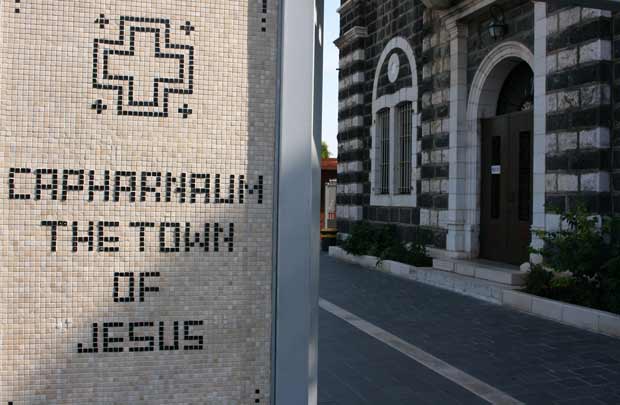
  • Key biblical sites such as Capernaum are partially accessible, with compacted paths and designated accessible routes. The Galilee region is especially well suited for travelers seeking accessible religious tourism combined with nature and relaxation.
  • Jerusalem – Accessible History Redefined

    For many years, the Old City of Jerusalem posed major challenges for wheelchair users. A multi-year accessibility project has dramatically improved the situation.

    • More than four kilometers of streets in the Christian, Muslim, and Armenian quarters have been leveled and fitted with ramps. Clearly marked blue-and-white signs indicate wheelchair-accessible routes.
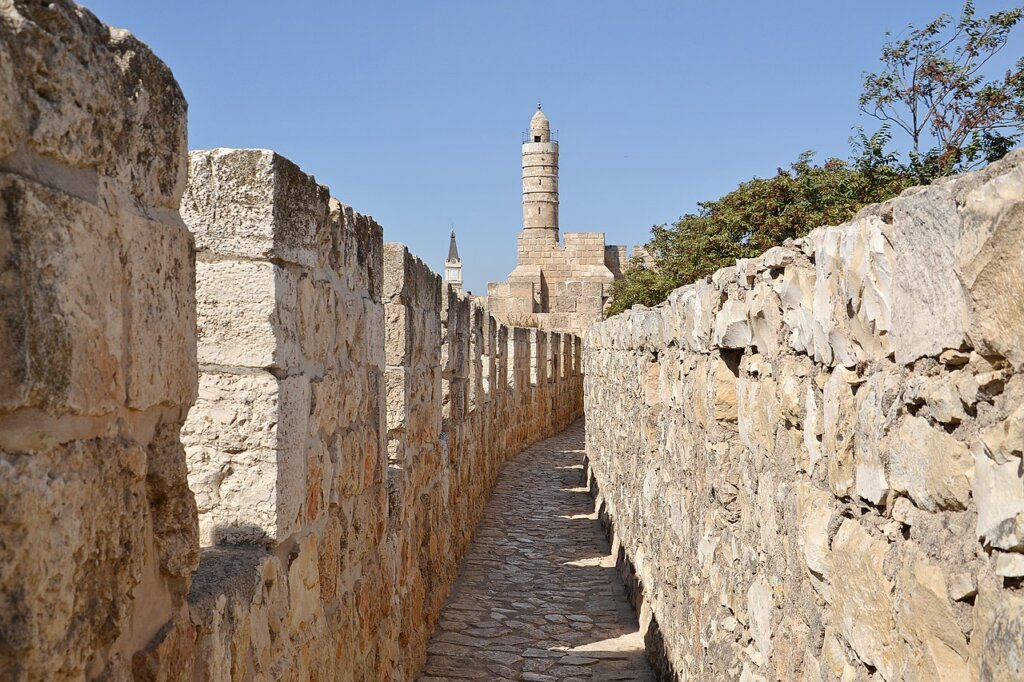
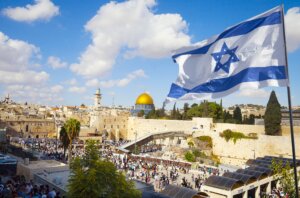
    • The Western Wall plaza is fully accessible, including an elevator connecting the Jewish Quarter to the plaza. The recently renovated Tower of David now features ramps and an elevator, opening areas previously inaccessible to wheelchair users.
    • Major sites such as the Israel Museum, Yad Vashem, and the Machane Yehuda Market are all well equipped with ramps, elevators, and accessible facilities.

Tel Aviv – Mediterranean Accessibility and Modern Comfort

Tel Aviv is widely regarded as one of the most wheelchair-friendly cities in the Middle East. Its flat layout, modern infrastructure, and inclusive design make independent travel easy.

  • The beachfront promenade (Tayelet) runs for miles on a wide, smooth surface from North Tel Aviv to Jaffa. Hilton Beach provides beach-specific wheelchairs and a ramp extending directly into the sea.
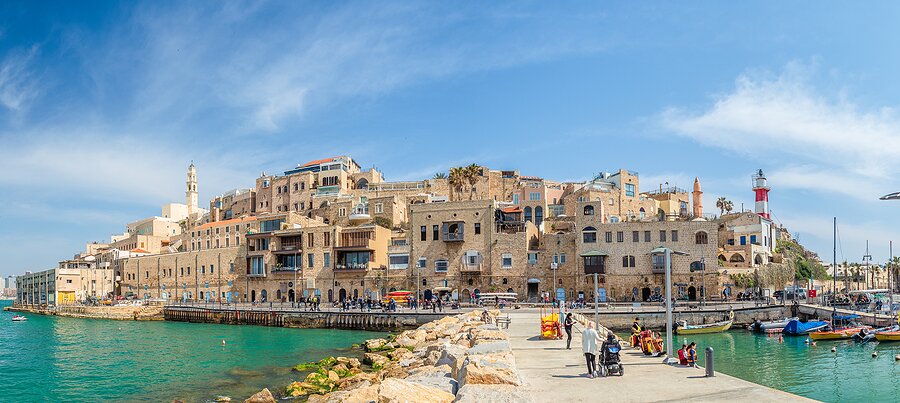
  • Both Sarona Market and parts of Carmel Market are accessible, as are Jaffa Port and the surrounding historic streets. The Tel Aviv Museum of Art is fully accessible and offers multiple entry options for wheelchair users.

Southern Israel: Desert Landscapes and Natural Wonders

  • Several Dead Sea beaches in Ein Bokek feature ramps, accessible changing rooms, and special floating chairs, allowing wheelchair users to experience the famous salt-rich waters.
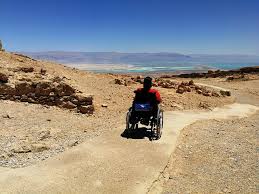
  • The ancient fortress of Masada is accessible via a large cable car, and the plateau features mostly flat, paved paths suitable for wheelchairs.
  • The oasis of Ein Gedi includes paved or compacted trails leading to waterfalls and pools. Further south, Eilat stands out for its commitment to inclusive tourism, offering accessible beaches, hotels, and transportation, as well as access to nearby attractions such as Timna Park.
Practical Tips for Your Stay
  1. The “Shabbat” Factor: From Friday sundown to Saturday sundown, public transport (except in Haifa and parts of Tel Aviv) stops. Ensure you have your transport arranged if you plan to move during this time.
  2. Document Your Needs: While English is widely spoken, having a short Hebrew translation of your specific needs (e.g., “I need a roll-in shower”) can be helpful when checking into smaller boutique hotels.

3. Terrain Awareness: Despite improvements, the Old City is still made of stone. A power-chair or a manual chair with a “FreeWheel” attachment will make the experience much smoother.


Security Checks: Security is tight in Israel. Be prepared for extra screening at malls, stations, and the airport. Staff are generally very respectful and trained to assist people with disabilities through the process.

Conclusion

Israel is a destination that proves antiquity and modernity can coexist. The country’s efforts to make its most sacred and historic sites accessible demonstrate a profound respect for all visitors. Whether you are touching the stones of the Western Wall, floating in the Dead Sea, or enjoying a vegan feast in Tel Aviv, Israel offers an empowering and deeply moving experience. In 2026, the barriers of the past are falling, making the “Holy Land” more open and welcoming than ever before. Shalom and enjoy your journey!

Related posts

Israel: Resilience and Innovation

Traveling in Israel in 2026 offers a unique blend of ancient spirituality and high-tech urban life. Visitors can explore Jerusalem’s sacred sites, float in the Dead Sea, and enjoy Tel Aviv’s vibrant beaches. With an efficient, cashless public transport system and world-class culinary experiences, it remains a top-tier Mediterranean destination.

Read More »
Scroll to Top