

Argentina Travel Guide: Buenos Aires, Patagonia and Beyond

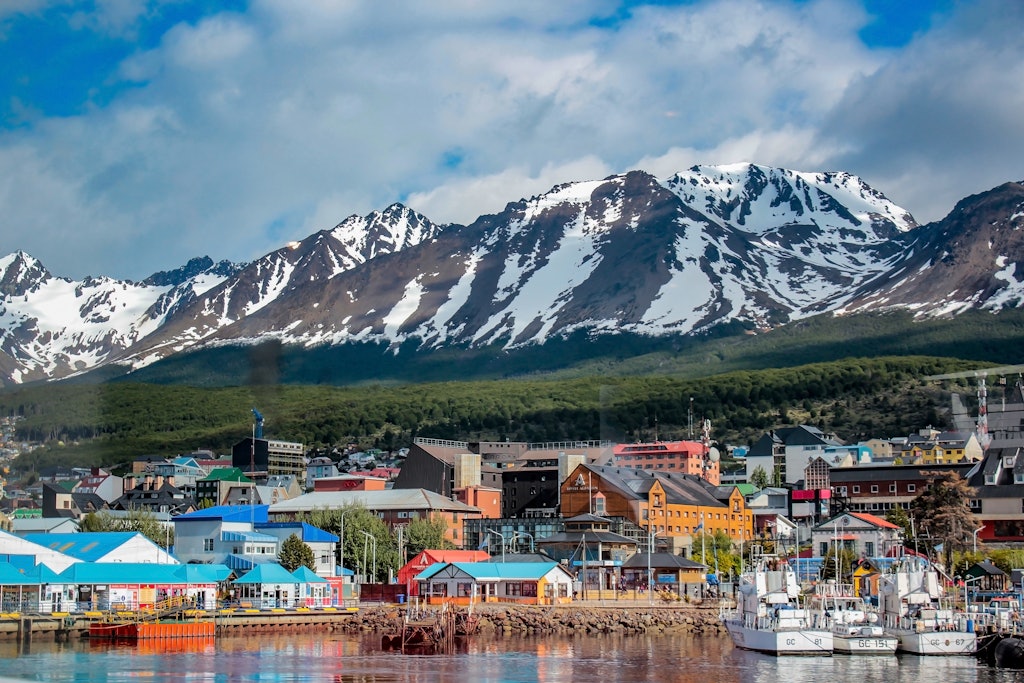
Ushuaia waterfront with colourful buildings, moored b

Argentina can turn a journey into several very different experiences: an afternoon among the bookshops and cafés of Buenos Aires, a vineyard visit beneath the Andes, or a day watching ice break away from a Patagonian glacier. Its appeal lies in these regional differences, although the distances between them deserve as much attention as the attractions themselves.

This Argentina travel guide brings together cities, landscapes, food and contemporary culture, with practical considerations for planning a manageable itinerary. For a first visit, we would choose a few contrasting regions and give each enough time, rather than try to fit the entire country into one trip.

Basic Facts About Argentina

  • Capital: Buenos Aires.
  • Location: Southern South America, between the Andes and the Atlantic Ocean.
  • Language: Spanish is the main language used in everyday life.
  • Currency: Argentine peso (ARS).
  • Time zone: UTC−3.
  • Seasons: Summer falls broadly in December–February, and winter in June–August.
  • Electricity: 220 V, 50 Hz; plug types C and I.
  • Planning essentials: Check entry requirements for your passport and current payment arrangements before travelling.

Argentina shares borders with Chile, Bolivia, Paraguay, Brazil and Uruguay. Its geography ranges from subtropical forest in the northeast to dry Andean valleys, the agricultural plains of the Pampas and the windswept landscapes of Patagonia. The official Visit Argentina website is a useful starting point for exploring these regions.

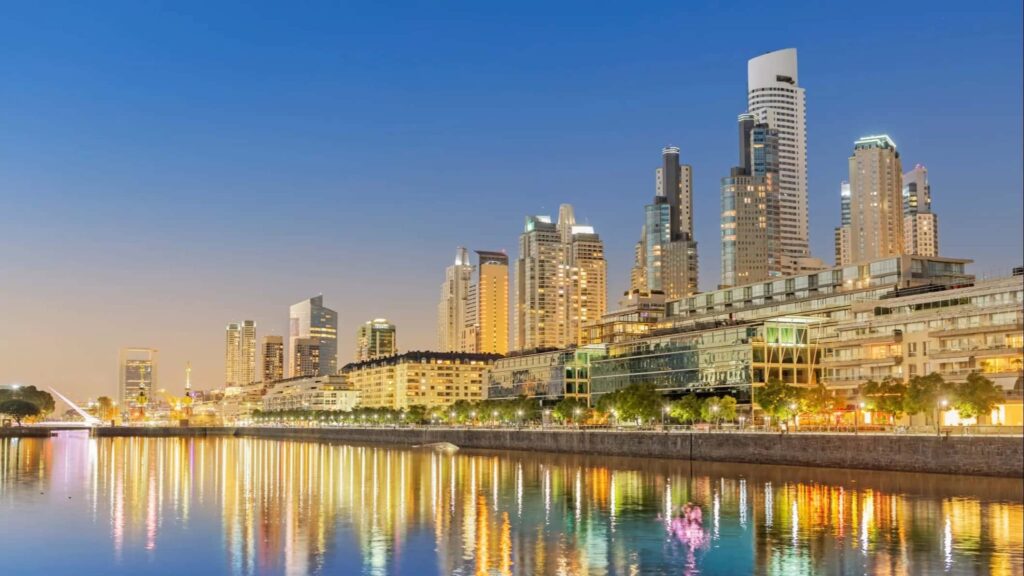
Puerto Madero waterfront in Buenos Aires, Argentina, with illuminated high-rise buildings reflected in the water at dusk

When to Visit Argentina

There is no single best season for the whole country. Buenos Aires often suits sightseeing in spring and autumn, when walking between neighbourhoods can be more comfortable than during the hottest summer weather.

September–November and March–May are useful starting points, although individual days can still be warm or wet.

For southern Patagonia, November–March generally offers longer daylight hours and more opportunities for outdoor excursions. Wind and sudden weather changes remain part of the experience, so warm layers and waterproof clothing belong in your luggage even in summer. Winter brings skiing opportunities around destinations such as Bariloche, but requires a different itinerary from a summer hiking trip.

Iguazú is a subtropical destination with rain possible throughout the year; summer can be particularly hot and humid. In the northwest, cooler months may be more comfortable for exploring, while high-altitude areas can have cold nights. Around Mendoza, late summer and early autumn connect vineyard visits with the grape harvest, although winery activities need checking individually.

Cities and Regions Worth Exploring

Buenos Aires deserves several days for its neighbourhoods rather than a hurried circuit of monuments. Recoleta offers museums and historic architecture, San Telmo combines older streets with markets and cafés, and Palermo brings parks, restaurants and independent shops. La Boca adds a different chapter through its port heritage, colourful visitor streets and football culture.

A visit to Boca Juniors’ famous ground can make that connection more tangible. Our La Bombonera Stadium Tour guide explains the museum and stadium options, including what to check before booking.

Mendoza works well for travellers interested in wine, food and mountain scenery. Vineyards extend beyond the city into areas such as Luján de Cuyo and the Uco Valley, so transport matters when choosing tastings. We would arrange a driver or organised excursion for a wine day and leave a separate day for the Andean scenery.

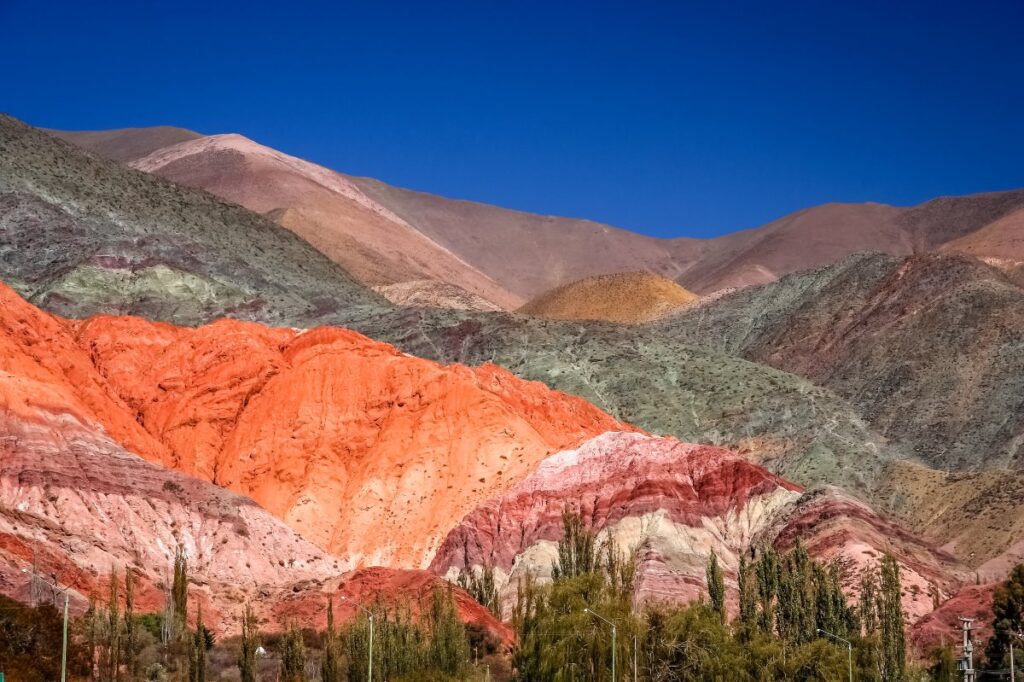
Colourful layered mountains in northern Argentina, with red, pink and green rock formations beneath a clear blue sky

Salta and Jujuy introduce colonial architecture, regional food and landscapes shaped by long-established Andean communities. Salta makes a useful base, while Jujuy’s Quebrada de Humahuaca combines striking mountain colours with a cultural landscape recognised by UNESCO. Check elevations and driving distances before combining several places into one excursion.

Bariloche and the Lake District offer lakes, forests, mountain viewpoints and scenic drives. Ushuaia, farther south, is a base for Tierra del Fuego and Beagle Channel excursions. Both can suit travellers who enjoy scenery without making every day a demanding hike, provided the individual activities match their mobility and interests.

Natural Landscapes and Wildlife

Península Vdés, on the Atlantic coast, offers a different kind of nature trip. Wildlife experiences depend on the species and season, so choose dates around what you hope to see rather than assume whales and penguins will be equally visible throughout the year. The official Península Valdés overview provides a starting point for planning.

These destinations involve different levels of effort. A viewpoint, boat excursion and mountain trail may appear together in a brochure but require very different amounts of walking, balance and stamina.

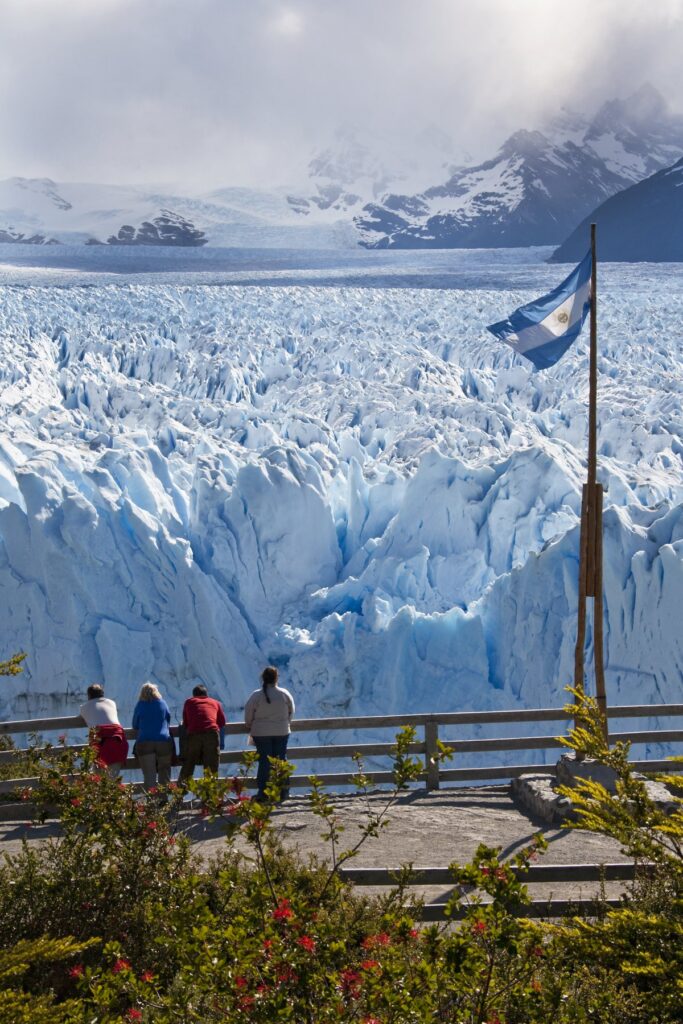
Los Glaciares National Park brings together glaciers, lakes and rugged mountain scenery. El Calafate is the usual base for visiting Perito Moreno Glacier, while El Chaltén attracts travellers interested in walking beneath peaks such as Fitz Roy. UNESCO’s description of Los Glaciares explains the landscape’s geological significance beyond its familiar photographs.

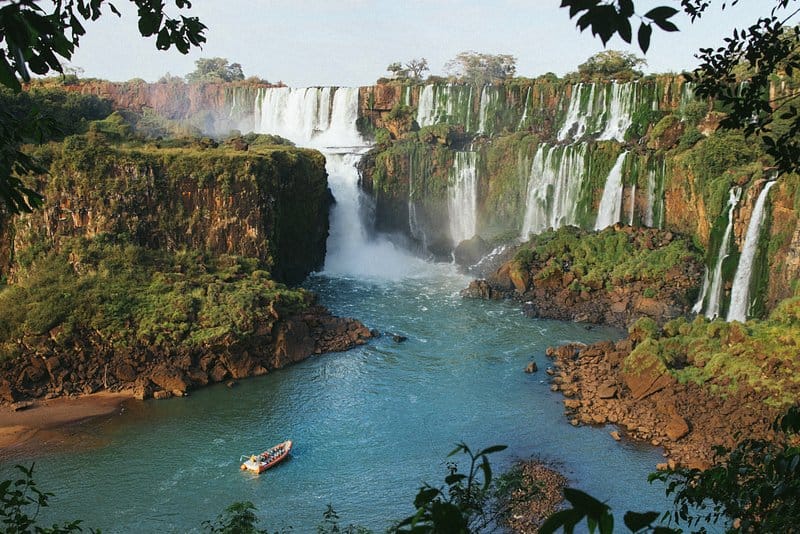
Iguazú Falls spreads across the border between Argentina and Brazil. The Argentine side offers a network of routes through the forest and around the falls, while the Brazilian side is known for broad panoramic views. Allow time for weather, walking and border formalities if you plan to visit both countries; check current conditions through the official Iguazú National Park visitor guide.

Iguazú Falls on the Argentina–Brazil border, with cascades flowing over forest-covered cliffs and mist rising from the gorge

Culture, Contemporary Art and Stories

Tango is an important part of Argentina’s cultural identity, but a staged dinner show and a social dance gathering offer different experiences. Choose according to whether you want a polished performance, live music or a closer look at the dance’s everyday setting. Football, theatre and neighbourhood cafés provide other ways to encounter the country beyond its best-known landscapes.

For art, Buenos Aires’ MALBA introduces Latin American work through its collection and changing exhibitions. Including a museum or gallery day gives the capital a contemporary dimension alongside historic buildings and tango traditions. Check the current programme before choosing which exhibitions to visit.

Literature and cinema offer another connection. Jorge Luis Borges and Julio Cortázar belong to Buenos Aires’ literary story, while Eduardo Sacheri’s novel behind the Argentine film The Secret in Their Eyes provides a link between storytelling, memory and the city. Buenos Aires’ official guide to its theatre, film, literature and music offers further ideas for a cultural itinerary.

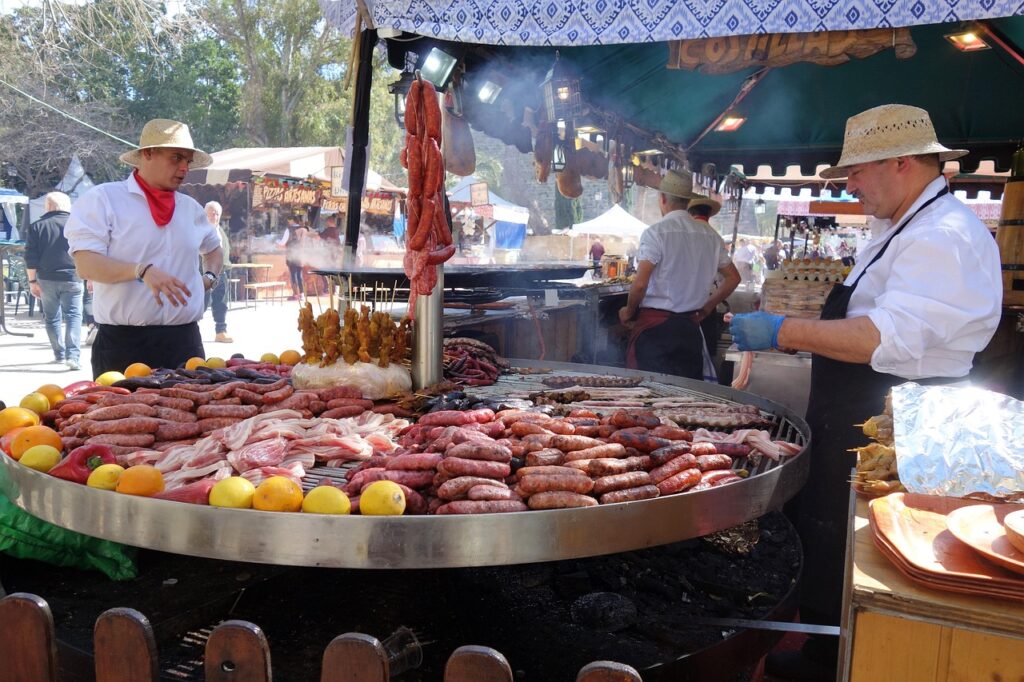
ALT: Cook in a straw hat grilling sausages and cuts of meat on a large circular parrilla at an Argentine food stall

Argentine Food and Drink

An asado is both a meal and a social occasion, built around food cooked over a fire and time spent together. A parrilla is a familiar restaurant choice for grilled meat, but Argentine cooking also includes regional dishes that deserve attention beyond steak.

Empanadas vary in filling and preparation, while the northwest offers foods such as humitas, tamales and locro. Buenos Aires adds strong pizza and ice-cream traditions, and alfajores filled with dulce de leche are a familiar sweet treat. Regional menus make food an enjoyable way to notice how one part of Argentina differs from another.

Mate, prepared from yerba mate, has an important place in everyday social life. Wine travellers will find Malbec closely associated with Mendoza, while Torrontés adds another reason to explore the northwest. If you have dietary requirements, ask about ingredients rather than assume that a vegetable-based filling or dish is suitable.

Getting Around Argentina

Domestic flights can make sense when connecting widely separated regions, particularly on a shorter holiday. Long-distance buses provide another option, but compare the full journey time and seat type before booking. An overnight journey may save a hotel night while still leaving you tired on arrival.

In Buenos Aires, the Subte, buses, taxis and ride-hailing services offer different ways to move between neighbourhoods. Check current public transport payment methods locally. When connecting flights, also confirm the airport: Aeroparque and Ezeiza are separate airports, and transferring between them needs a realistic time allowance.

A rental car can be useful for regional exploration, but remote roads require more preparation than urban driving. Check surfaces, fuel stops, daylight and weather conditions before setting out. For vineyard tastings, organised transport is usually a more comfortable choice.

Visitors viewing Perito Moreno Glacier from a viewing platform beside an Argentine flag in Los Glaciares National Park, Patagonia

Practical Planning and Accessibility

We would build a first itinerary around Buenos Aires and one or two additional regions. For example, the capital and Iguazú create a city-and-nature journey, while Buenos Aires and Mendoza combine culture, food and wine. Adding southern Patagonia usually calls for more time and careful flight planning.

Budget using current quotations rather than old peso prices or exchange-rate advice. Confirm how accommodation and excursions will be charged, carry more than one payment option, and check your card provider’s terms before departure.

In busy urban areas, keep phones and valuables secure and plan transport after dark. Review current Argentina travel advice alongside guidance from your own government, particularly before remote travel or self-driving.

Accessibility varies between buildings, transport services and outdoor attractions. Ask specifically about steps, lift access, walking distances, toilets and boarding arrangements. A scenic destination can offer a manageable visit without every route being accessible, so choose the actual activity carefully.

Argentina rewards travellers who leave room for its scale. A few well-chosen bases, realistic transfer days and time for ordinary pleasures—a café, a gallery, a long lunch—can make the journey more satisfying than an itinerary filled with constant departures.

Related posts

Blue and yellow Boca Juniors mural featuring Diego Maradona inside the club museum

The La Bombonera Stadium Tour

Discover one of South America’s most distinctive football stadiums in the heart of Buenos Aires. A visit to La Bombonera introduces you to Boca Juniors, the club’s history and the intense football culture of the La Boca neighborhood. The stadium’s steep stands and compact design make it an experience unlike almost any other ground.

Read More »
Scroll to Top