Cologne’s Heritage: Spires & Secrets

Cologne (Köln) is a city where history is not just preserved in museums but lives in the very stones of its streets. While most travelers arrive with their eyes fixed on the sky, searching for the blackened twin spires of the cathedral, the city and its surroundings offer a much deeper narrative. From the frontier of the Roman Empire to the opulent halls of Rococo royalty, this guide explores the essential historical landmarks of the Cologne region: the Cologne Cathedral, the Lower Germanic Limes, St. Severin Basilica, and the Palaces of Brühl.

Cologne isn’t just about Gothic spires; it is one of Germany’s most vibrant hubs for street art. The city treats its walls like an open-air gallery, blending gritty urban vibes with high-end murals. Cologne’s street art isn’t a World Heritage site just yet, but the standout masterpieces from the annual CityLeaks Urban Art Festival might just earn that title one day! If you’re in Cologne, it’s definitely worth exploring this too.

Fun Fact: Kölsch is the only language in the world that you can actually drink. It is the name of both the local dialect and the specific light beer brewed only in the city.

The Crown Jewel: Cologne Cathedral (Kölner Dom)

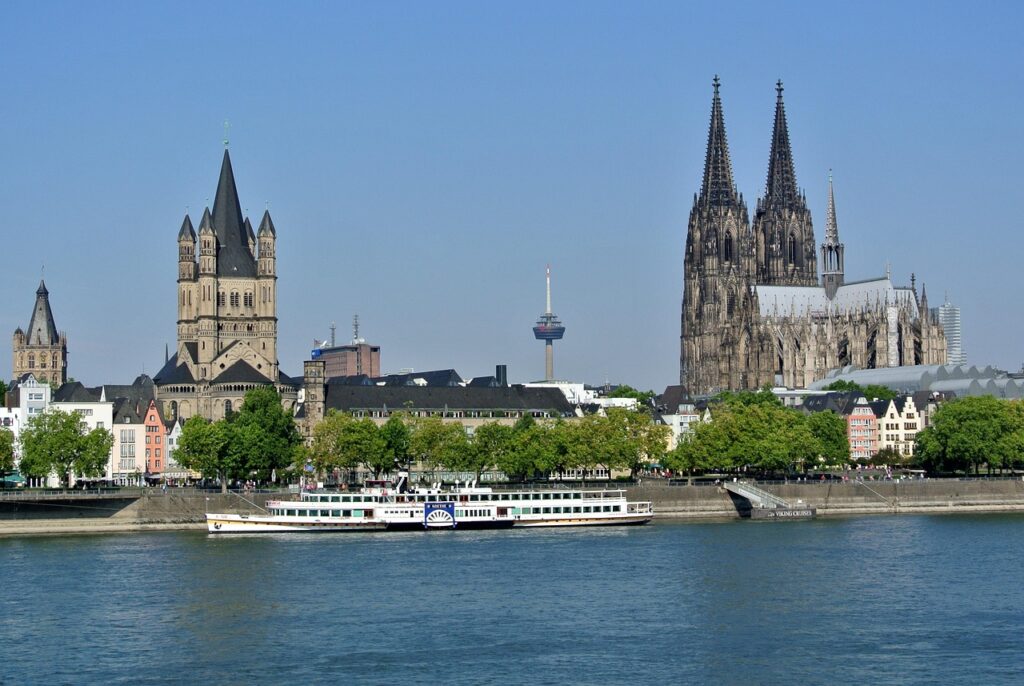
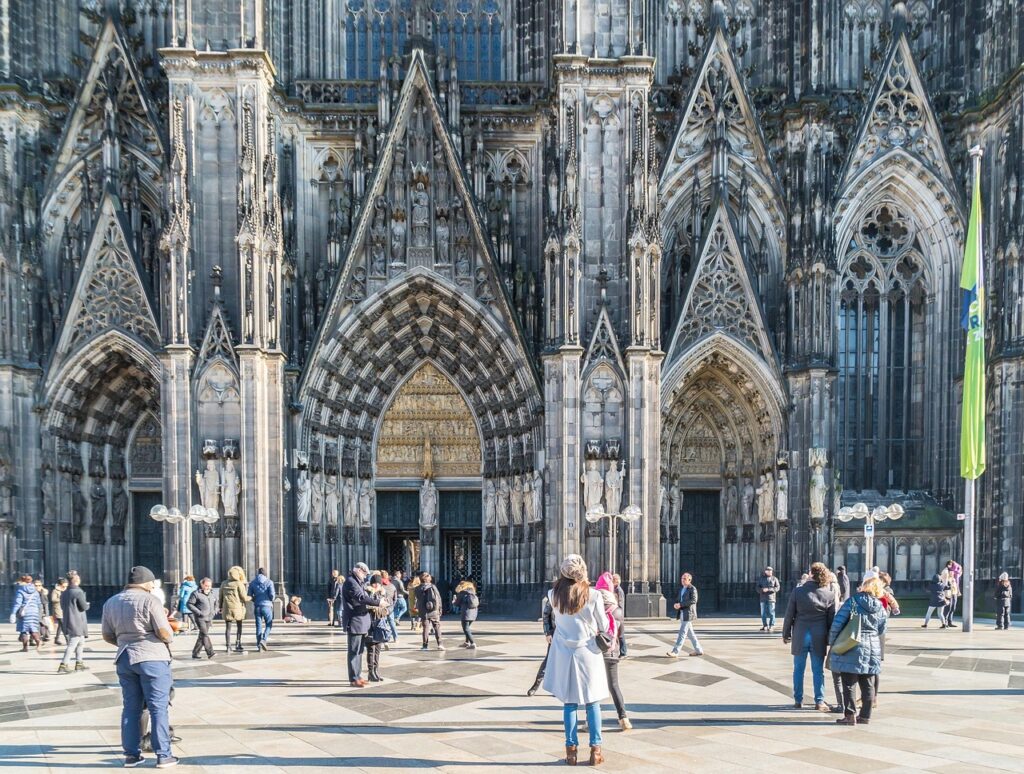
No visit to the Rhineland is complete without the Cologne Cathedral. The Cologne Cathedral is Germany’s most popular landmark, attracting an average of 20,000 visitors every single day. A masterpiece of High Gothic architecture, it was the world’s tallest building from 1880 to 1890. Its construction began in 1248 but took over 600 years to finish, surviving the bombings of WWII as a symbol of resilience. Inside, the Shrine of the Three Kings makes it one of the most important pilgrimage sites in Europe.

  • How to get there: It is located directly next to the Köln Hauptbahnhof (Central Station). If you arrive by train, you are literally steps away from the entrance.
  • Cost: Entrance to the main nave is free. To climb the 533 steps of the South Tower, the fee is approximately €6, and the Treasury costs €6. A combined ticket is available for €9.
  • Best time to visit: Early morning (around 8:00 AM) to avoid the crowds, or during a choral mass to experience the incredible acoustics.
The Frontier: The Lower Germanic Limes

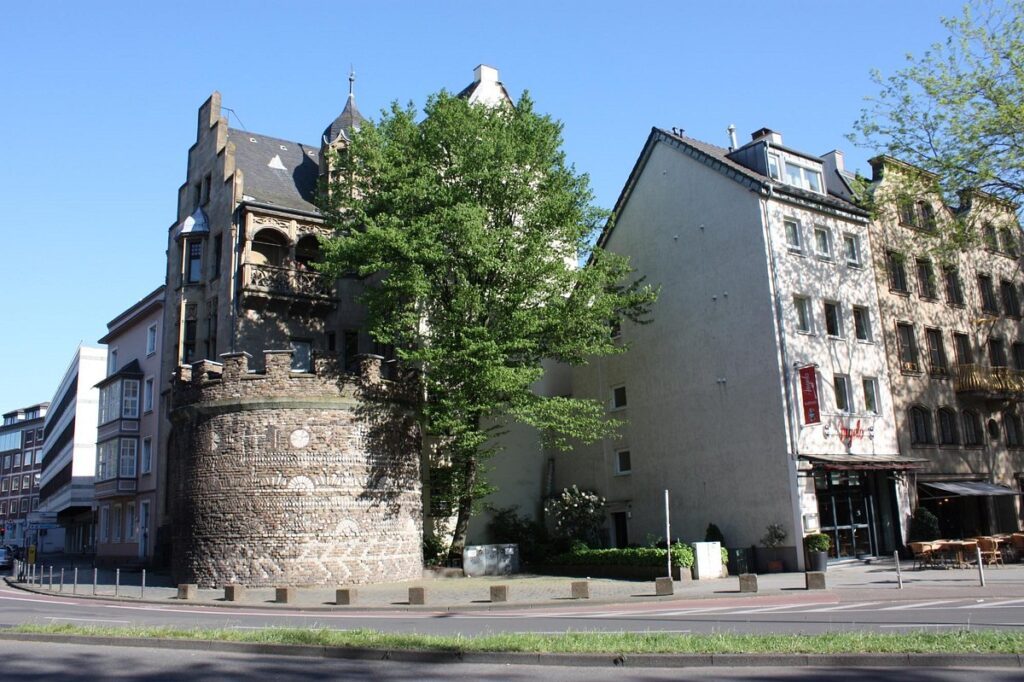
In 2021, UNESCO officially inscribed the Lower Germanic Limes as a World Heritage site. This was the border of the Roman Empire, stretching along the Rhine. Cologne, then known as Colonia Claudia Ara Agrippinensium, served as the provincial capital. Traces of this Roman “Great Wall” are integrated into the city’s modern layout.

  • Where to see it: Visit the Römisch-Germanisches Museum (currently undergoing renovation, but highlights are in the Belgisches Haus) and the Ubiermonument, the oldest stone monument in Germany.
  • How to get there: The Roman ruins are scattered throughout the Old Town (Altstadt), easily reachable on foot from the Cathedral.
  • Cost: Exploring the outdoor ruins is free. Museum entry fees vary but typically range from €3 to €6.
  • Best time to visit: Spring or Autumn, when the walking tours of the Roman city walls are most pleasant.
Romanesque Elegance: St. Severin Basilica

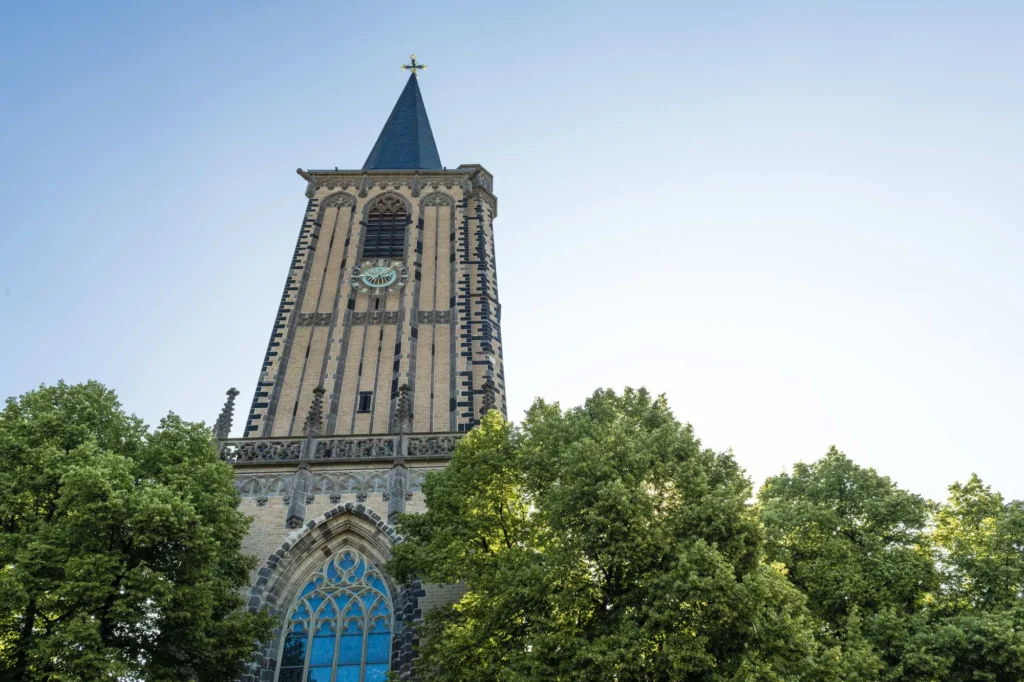
While the Cathedral is Gothic, Cologne is famous for its twelve Romanesque churches. St. Severin Basilica, located in the vibrant Südstadt district, is perhaps the most soulful. Dedicated to the third Bishop of Cologne, this church sits atop an ancient Roman cemetery. Its excavations reveal a layer-cake of history dating back to the 4th century.

  • How to get there: Take Tram lines 15, 16, or 17 to the Chlodwigplatz stop. It’s a short walk from the iconic Severinstorburg gate.
  • Cost: Entrance is free. Guided tours of the excavations below the church usually require a small donation or a fee of €5–€10.
  • Best time to visit: Late afternoon when the sun hits the stained glass, or during the Severinus Festival in October.
Rococo Splendor: Augustusburg and Falkenlust in Brühl

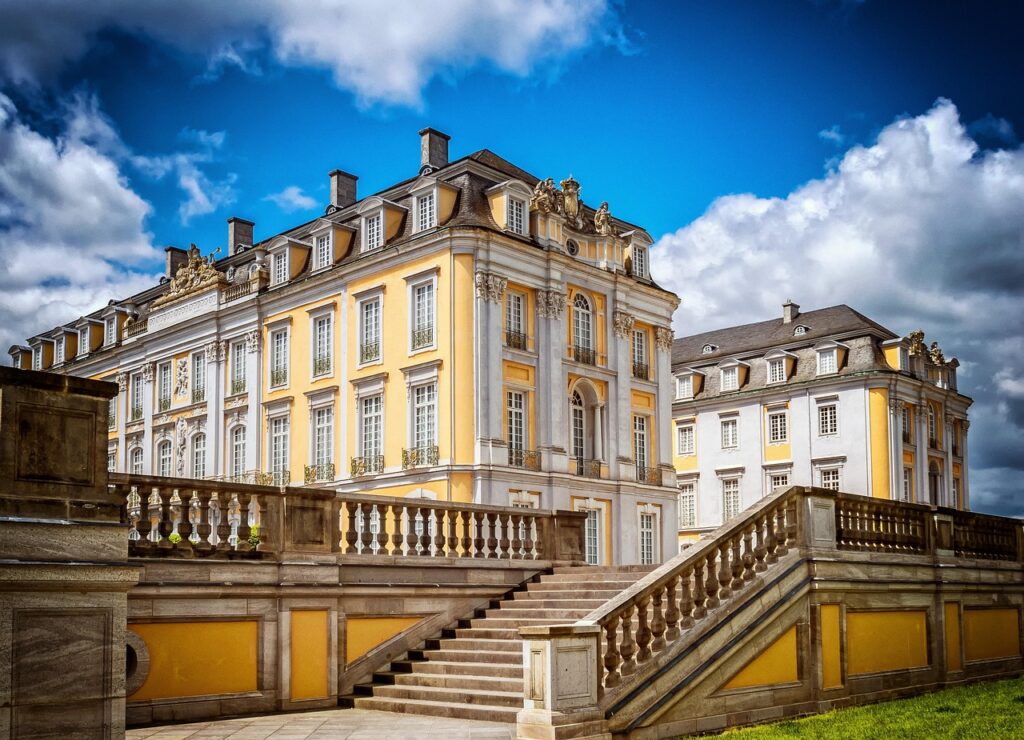
Just a short hop from the city lies the Palaces of Brühl, a UNESCO site since 1984. The Augustusburg Palace was the favorite residence of the Prince-Archbishops of Cologne. Its staircase, designed by Balthasar Neumann, is a riot of marble, stucco, and frescoes. A short walk through the manicured French gardens leads to Falkenlust, a more intimate hunting lodge.

  • How to get there: Take the RB26 or RE5 train from Cologne Central Station to Brühl Station. The palace is directly across from the station (a 15-minute ride). Alternatively, Tram Line 18 goes to Brühl center.
  • Cost: A guided tour of Augustusburg costs €10. A combined ticket for both palaces is €15. Students and families receive discounts. The gardens are free to enter.
  • Best time to visit: From April to October, when the gardens are in full bloom and the palaces are open for the main tourist season.
Travel Logistics & Practical Tips

The most cost-effective way to navigate these sites is the KölnerCard. It offers free public transport within the city and discounts for many museums and attractions. For the trip to Brühl, ensure your ticket covers Zone 2. You can find schedules and buy digital tickets on the KVB App.

Estimated Daily Budget

  • Budget: €50 (Free churches, street food like Currywurst, and public transport).
  • Mid-range: €100 (Palace tours, tower climbs, and a sit-down dinner with Rhine views).
When to Plan Your Trip

Cologne is a year-round destination, but the experience changes drastically with the seasons:

  1. Carnival (February): The city turns into a giant party. Great for atmosphere, but bad for quiet sightseeing as many sites have restricted hours.
  2. Christmas (December): The Christmas market at the foot of the Cathedral is world-famous.
  3. Summer (June–August): Perfect for the gardens in Brühl and sitting in a traditional brewery (Brauhaus) with a glass of Kölsch.
Conclusion

Cologne is a city of layers. You can start your day at the Cathedral admiring medieval faith, walk the Limes to touch the edges of the Roman world, find peace in the ancient crypts of St. Severin, and end your journey in the royal luxury of Brühl. Whether you are a history buff or a casual traveler, these sites provide a comprehensive look at the heart of European civilization.

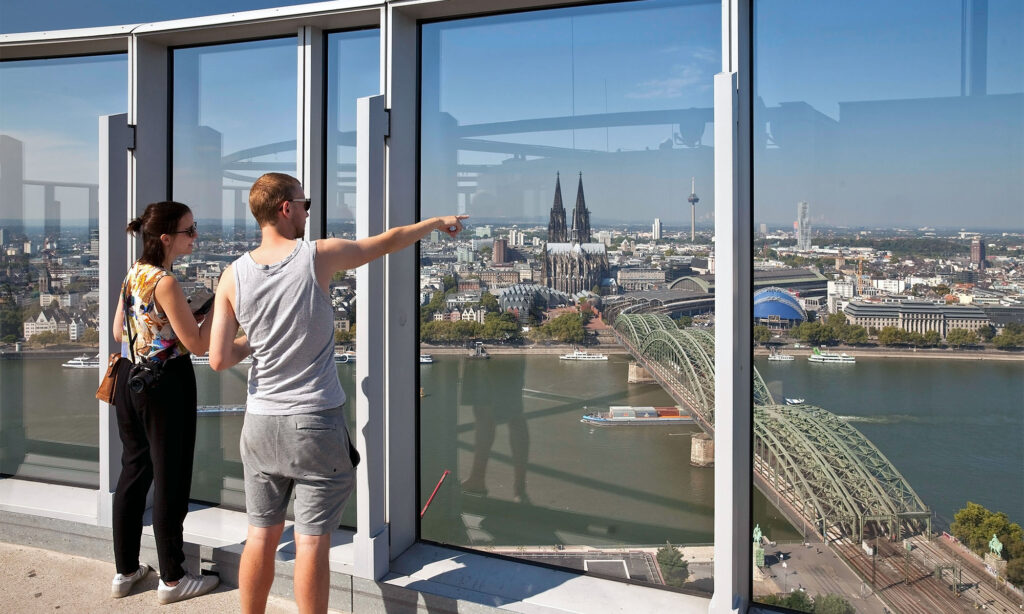
Pro Tip for your Instagram: For the best shot of the Cathedral and the Hohenzollern Bridge together, cross the Rhine to the KölnTriangle viewing platform. The entry fee is only €5, and the view is unmatched.

Related posts

From Fairytale Castles to Modern Marvels

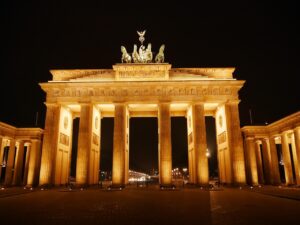
Germany offers a perfect mix of historic charm and modern efficiency. You can explore fairytale castles, world-class museums, and vibrant beer gardens while enjoying a highly reliable transport system. Whether you seek the scenic beauty of the Bavarian Alps or the creative energy of Berlin, Germany delivers a truly diverse European experience.
Read More »

The Heart of the Werkself

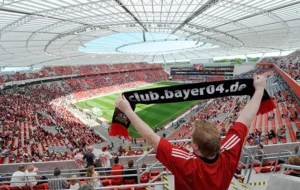
The BayArena in Leverkusen isn’t the largest stadium in Germany, but it is arguably one of the most comfortable and technologically advanced. A tour here tells the story of a “company club” that rose to become a German champion, blending high-tech facilities with a passionate, family-oriented fan culture.

Read More »

Natural Wonder Between Land and Tides

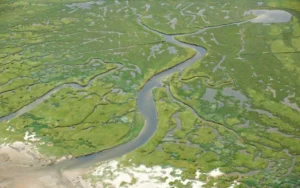
The Wadden Sea is the world’s largest unbroken system of intertidal sand and mud flats, stretching along the coasts of the Netherlands, Germany, and Denmark. This UNESCO World Heritage site supports over 10,000 species and serves as a vital stopover for millions of migratory birds each year.

Read More »

Nürburgring Experience

Experience the ultimate motorsport pilgrimage with a Nürburgring guided tour. Explore the “Green Hell,” from the historic paddocks to the winner’s podium. Discover the 20.8-kilometer Nordschleife’s legendary history and modern engineering. It is a must-visit destination for car enthusiasts seeking a behind-the-scenes look at the world’s most iconic racetrack.

Read More »

The City of Cars

The Volkswagen Autostadt in Wolfsburg is a premier automotive theme park and museum. Visitors can explore various brand pavilions, the iconic glass Car Towers, and take an immersive factory tour to witness high-tech vehicle production firsthand. It is an essential experience combining history, modern architecture, and cutting-edge German engineering.

Read More »
Scroll to Top