Living Timber: Hands-on Workshops in the Heart of Japanese Craftsmanship

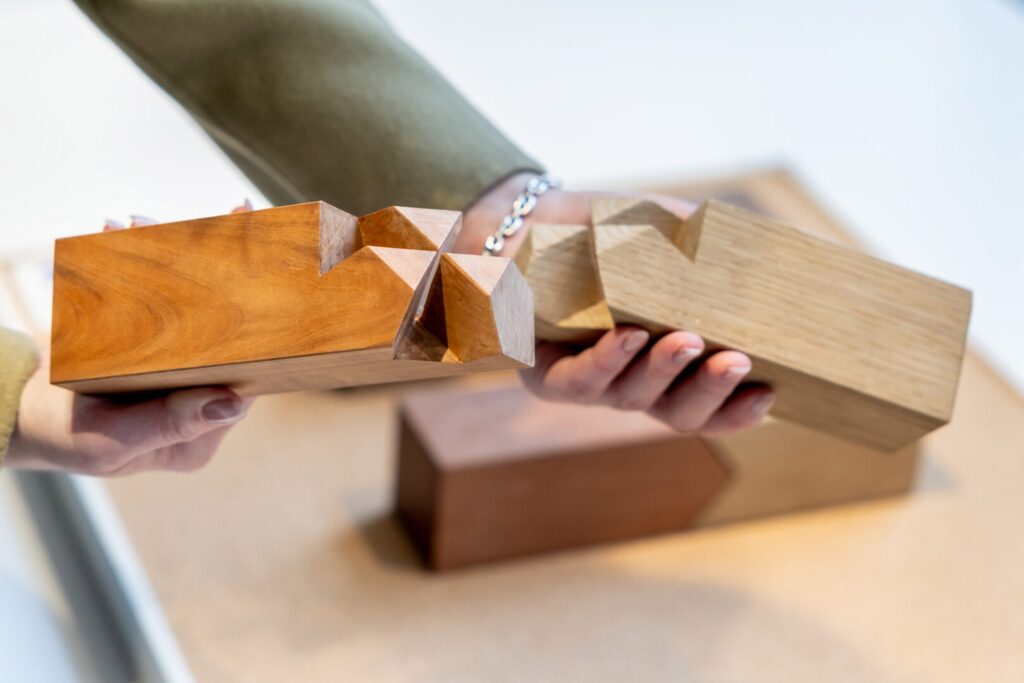
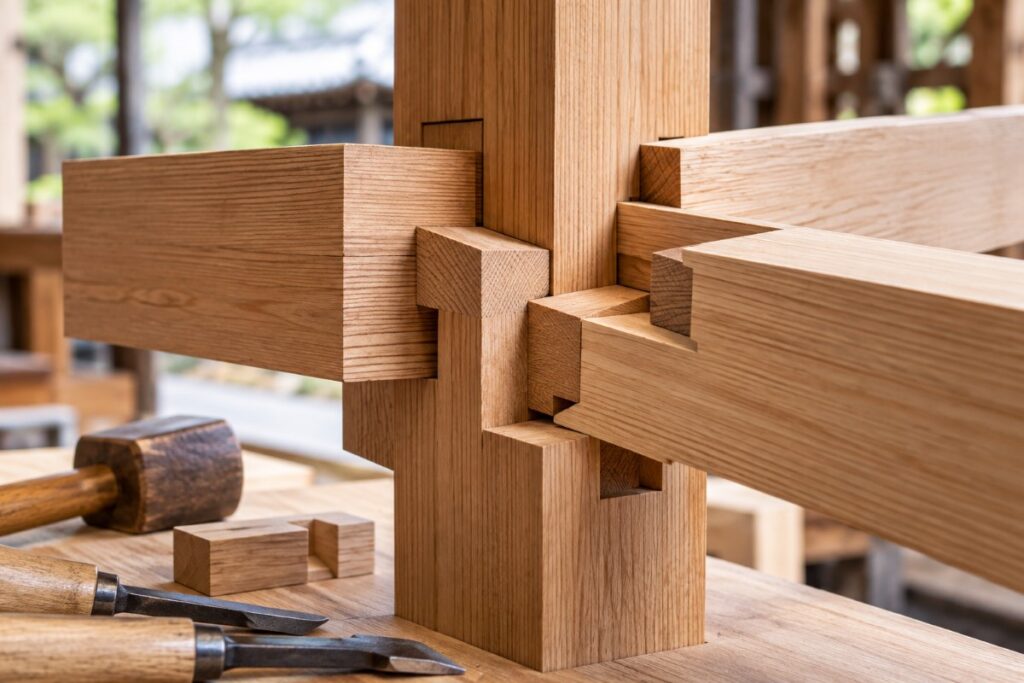
For centuries, the masterpieces of Japanese woodcraft have been prized global treasures, originally gracing the grand estates of European royalty and later becoming iconic features in refined middle-class homes during the early 20th century. At the heart of this enduring appeal lies kigumi, a sophisticated system of interlocking joints that allows for complex structures to be built entirely without nails or screws. This technique relies on absolute precision and a deep understanding of timber, ensuring that structures remain both flexible and enduring for generations.

The essence of such mastery is best understood not through mere observation, but through the tactile connection between hand and tool. Today, immersive workshops offer a rare opportunity to learn these authentic joinery and decorative techniques directly from master craftsmen. Featured experiences include Suikoushya in Kyoto for structural carpentry, Hakone for delicate yosegi-zaiku marquetry, and Takumi Woodwork near Tokyo for contemporary furniture design. These programs provide a gateway into the philosophy of Monozukuri, where wood is respected as a living legacy and manual skill is celebrated as a transformative experience.

Suikoushya – Japanese Woodworking Workshop, Kyoto

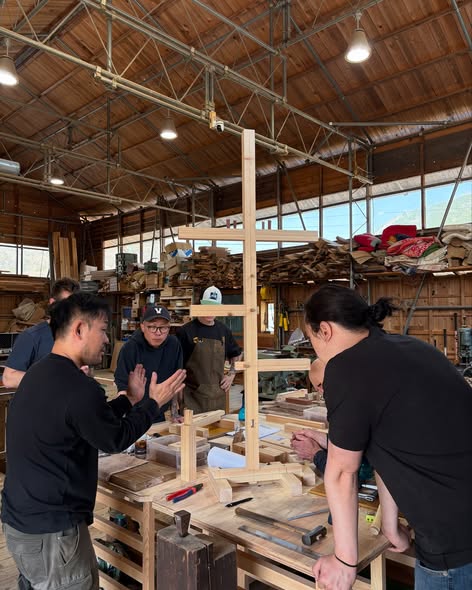
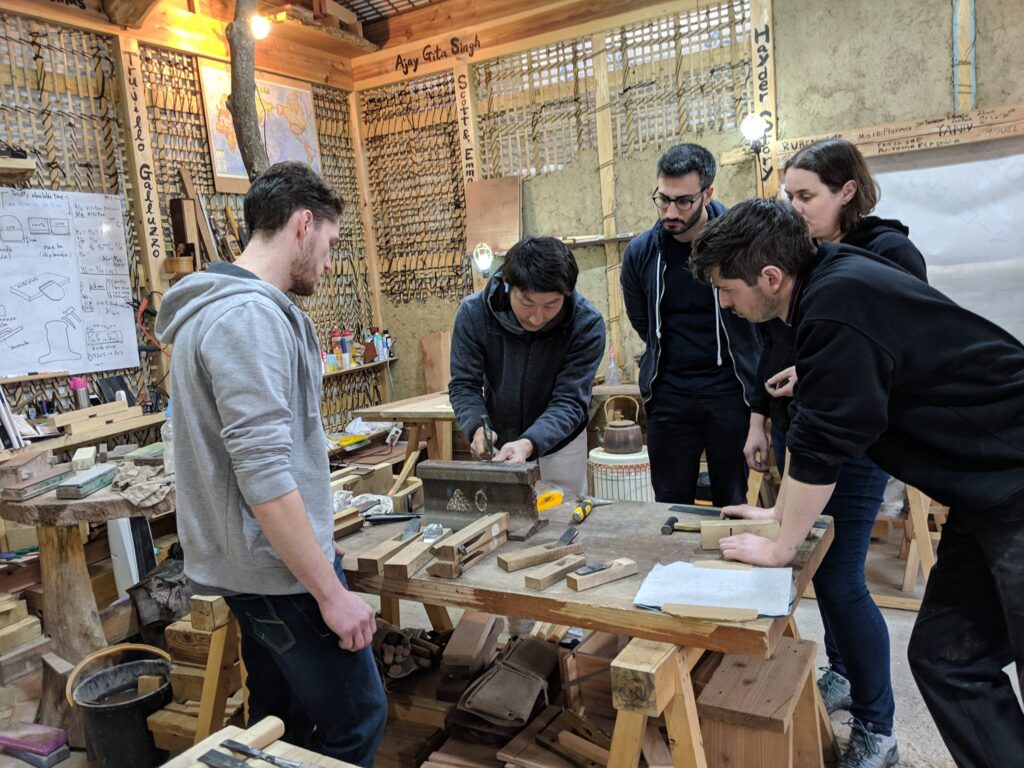
Suikoushya is a traditional woodworking studio in Kyoto where skilled Japanese carpenters teach authentic joinery and hand-tool skills rooted in centuries of craft tradition. While the studio also operates as a working construction firm, it offers hands-on woodworking workshops that immerse visitors in core aspects of Japanese carpentry. These experiences focus on understanding and using traditional Japanese tools — chisels (nomi), planes (kanna), saws, and the precise measurement and sharpening that define the craft.

Practical Cost & Details:

  • Workshop type: Hands-on Japanese woodworking experience
  • Duration: Usually 1–3 hours for short sessions; longer courses are possible with advance inquiry.
  • Cost: Prices vary; short introductory workshops typically range from ¥6,000–¥15,000 (~US $40–$100).
  • Best for: Craft-focused travelers, woodworkers, and designers.

Official Website & Booking: Suikoushya.com – Workshops

Hakone Yosegi-zaiku – Japanese Marquetry, Hakone

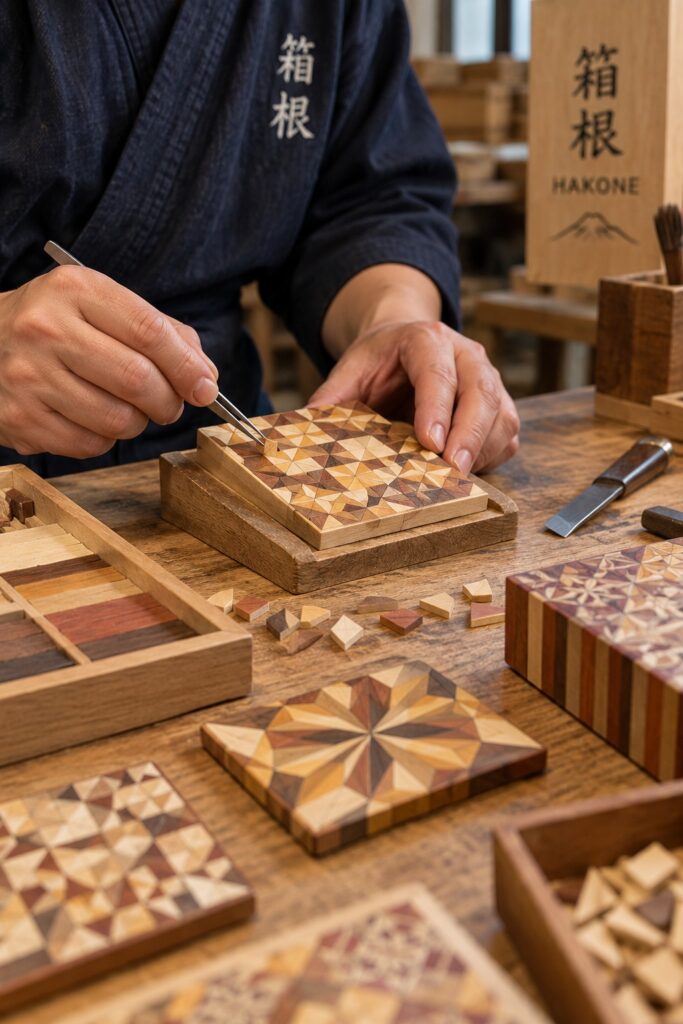
Hakone is internationally recognized for yosegi-zaiku — a traditional form of decorative wood marquetry developed during the Edo period. This craft involves assembling naturally colored woods into intricate geometric pattern blocks, which are then thinly sliced and applied to boxes and surfaces. Several local craft studios and museums offer hands-on marquetry experiences where visitors can assemble patterns and create small pieces like coasters or puzzle boxes.

Practical Cost & Details:

  • Workshop type: Hands-on yosegi-zaiku marquetry experience
  • Duration: ~60 minutes for basic classes; longer tours available.
  • Cost: Around ¥900–¥1,000 for basic experiences; ¥20,000+ for extended guided sessions.
  • Best for: Travelers interested in traditional decorative manufacturing and souvenirs.

Official Website & Booking: Hatajuku Yosegi-zaiku Hall or Homma Yosegi Museum

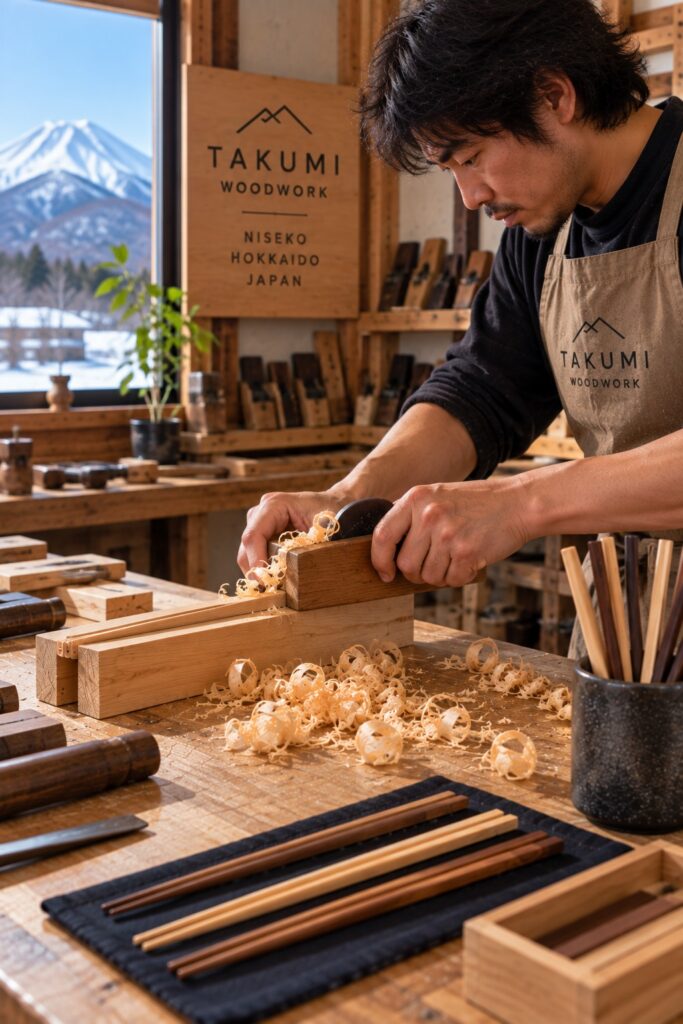
Takumi Woodwork – Traditional Craft & Design Workshop, Saitama/Tokyo Area

Takumi Woodwork is a distinguished studio that bridges the gap between ancient Japanese timber traditions and contemporary furniture design. Led by master craftsmen dedicated to the “Takumi” (artisan) spirit, this studio emphasizes the soulful connection between the maker and the material, focusing on the refined aesthetics of Japanese minimalism and the structural integrity of hand-cut joints.

Practical Cost & Details:

  • Workshop type: Hands-on furniture making and traditional joinery experience.
  • Duration: Typically 2–4 hours for introductory projects.
  • Cost: Introductory sessions range from ¥8,000–¥18,000 (~US $55–$120), including premium timber materials.
  • Best for: Design enthusiasts, travelers seeking high-end craft, and DIYers.

Official Website & Booking: Takumi-Woodwork.com

Conclusion: Bridging Heritage and Modernity

The enduring legacy of Japanese woodcraft lies in its ability to remain relevant in an era of mass production. Whether through the structural ingenuity of kigumi, the decorative precision of yosegi-zaiku, or the refined minimalism of contemporary furniture, these traditions offer more than just technical skill—they provide a blueprint for sustainable and mindful creation. By participating in these workshops, enthusiasts do not merely learn a hobby; they preserve a philosophy that views every piece of timber as a living entity. In a world increasingly dominated by the digital and the disposable, the tactile journey of woodworking serves as a vital bridge between centuries-old mastery and the future of global design.

Related posts

Japan: Tradition and Innovation

Japan offers a captivating blend of ancient tradition and futuristic innovation. Visitors in 2026 can speed across the country on Shinkansen bullet trains, exploring neon-lit Tokyo, serene Kyoto temples, and the natural beauty of Mount Fuji. Travel planning should include securing a Japan Rail (JR) Pass for cost-effective transit.

Read More »
Scroll to Top