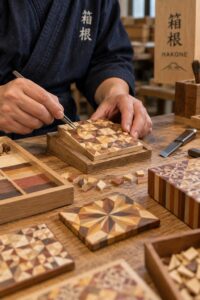
Japanese Woodworking
Japanese woodworking traditions range from interlocking kigumi joints to decorative techniques. This guide compares workshop experiences and shows how working by hand at the bench reveals the logic behind each craft.

A morning in Japan might begin in a neighbourhood café, continue through a temple garden and end at a small restaurant beside a busy railway station. Between the famous sights, everyday details give a journey its character: a carefully fitted wooden joint, seasonal food served on handmade pottery, or a shopping street where local residents stop for their usual purchases.
This Japan travel guide helps you choose regions that suit your interests, find meaningful cultural experiences and plan a manageable route. Whether you are drawn to cities, traditional crafts or mountain scenery, allowing enough time in each place can make the trip more rewarding.
Japan is an island country in East Asia, with landscapes ranging from snowy northern mountains to subtropical southern islands. Its four main islands are Hokkaido, Honshu, Shikoku and Kyushu, while Okinawa belongs to an island chain farther south.
Distances deserve attention when planning. Tokyo, Kyoto and Osaka can form a straightforward first route, while Hokkaido and Okinawa usually work better as dedicated parts of a journey, with time allowed for additional travel.
For a first visit of around ten to fourteen days, two or three accommodation bases can provide a comfortable starting point. Tokyo and Kyoto offer contrasting experiences, and Osaka can be visited from Kyoto or used as an alternative base. Adding more destinations is possible, but each hotel change takes time away from the places you came to see.
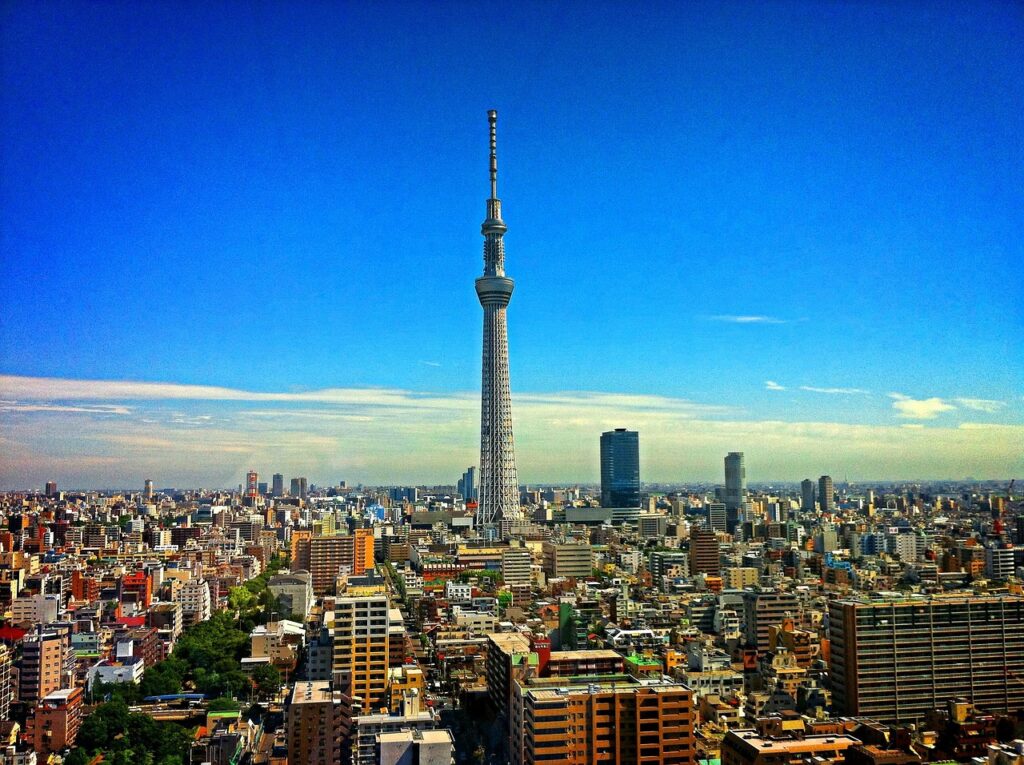
Tokyo rewards exploring by neighbourhood. Combine major attractions with shopping streets, small museums and quieter gardens instead of crossing the city repeatedly. Kyoto suits travellers interested in temples, traditional buildings and crafts, while Osaka offers lively food districts and a useful base for excursions around Kansai.
Choose additional regions according to the experience you want:
Region | What it adds to your journey |
Kanazawa and Takayama | Craft traditions, historic streets and a route towards mountain landscapes |
Hiroshima and Miyajima | Peace history, coastal scenery and an island shrine setting |
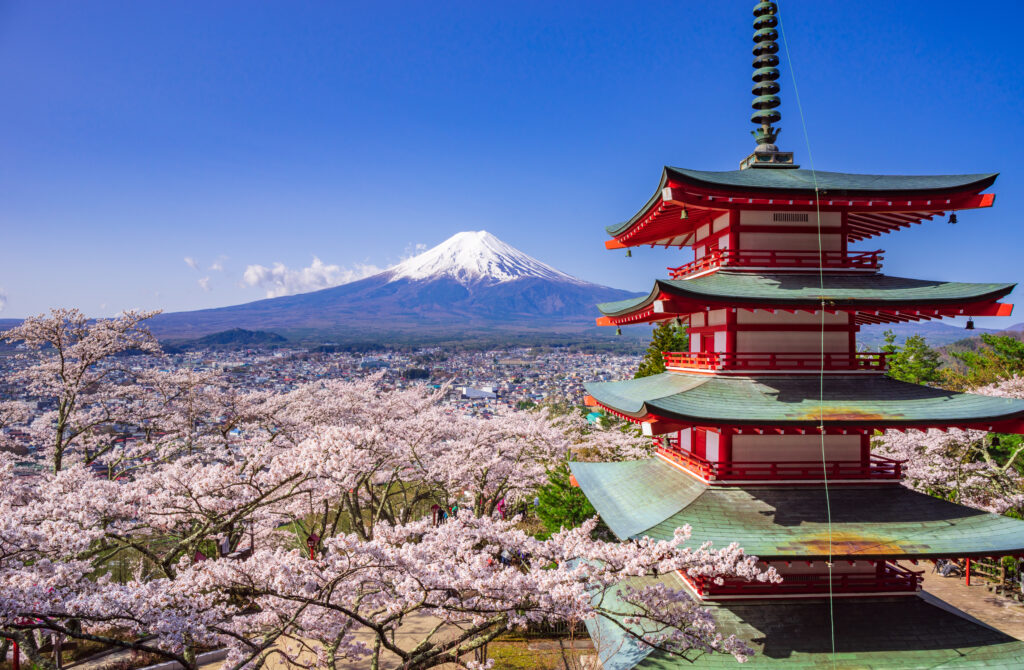
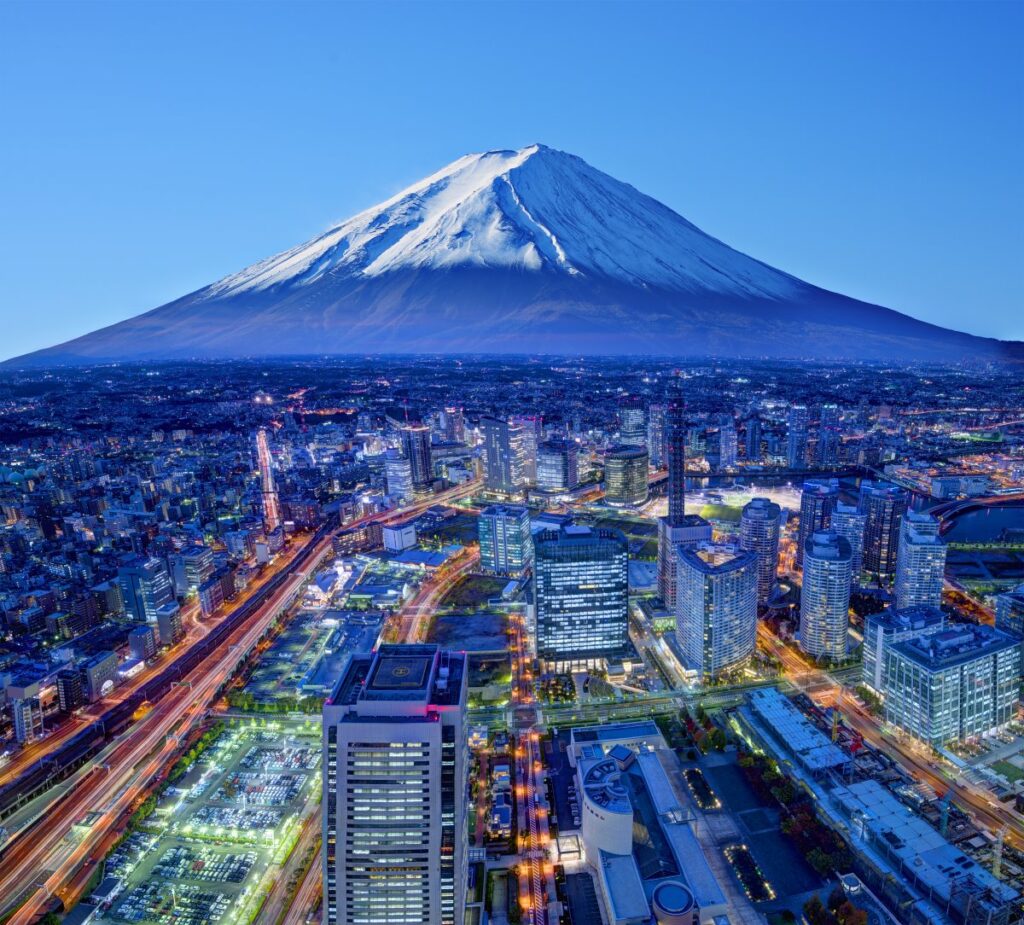
Hakone and the Fuji area | Hot springs, lakes and opportunities to see Mount Fuji when conditions allow |
Hokkaido | Spacious landscapes, outdoor activities and a distinct northern food culture |
Kyushu | Hot spring towns, volcanic landscapes and regional cities |
Okinawa | Island scenery, beaches and Ryukyuan cultural heritage |
These regions involve different transport arrangements. Before booking accommodation, check the complete journey between bases, including transfers and the final connection to your hotel. A destination that looks close on a map may still require several stages of travel.
Traditional craftsmanship offers a practical way to connect with Japan beyond its best-known landmarks. A workshop gives you time to observe materials, ask questions and understand the skill behind an object you might otherwise see only in a shop window.
Woodworking is particularly rewarding for travellers interested in design and construction. Depending on the workshop, you may encounter interlocking joinery, hand-planed chopsticks or the geometric patterns of Hakone’s yosegi marquetry. Our guide to traditional Japanese woodcraft experiences introduces options with different locations, durations and levels of involvement.
Kanazawa provides another useful focus for a craft-based itinerary. A gold leaf decorating experience introduces the handling of an exceptionally delicate material while allowing visitors to make a small personal item. Leave time around a workshop for nearby museums, gardens or craft shops, so the activity becomes part of understanding the region.
Before booking, confirm the teaching language, duration, seating arrangements and any physical demands. A short introductory session and a specialist course may use similar descriptions while offering very different experiences.
Cultural visits also benefit from a little preparation. Follow photography signs, respect private entrances and ask before photographing people. In historic neighbourhoods, remember that the attractive streets are also places where residents live and work.
The best time to visit Japan depends on your route and priorities. Spring brings blossoms to many regions, but their timing changes with location, altitude and the weather that year. A broad March-to-May travel window does not mean cherry blossoms will be visible everywhere throughout that period.
Autumn can offer pleasant conditions for city visits and walking, with foliage appearing at different times across the country. Northern and higher areas generally change earlier than warmer southern locations. If seasonal colour is central to your plans, follow updates for the specific destinations you intend to visit.
Summer can be hot and humid in many cities, and rainy periods or typhoons may affect travel. Hokkaido can offer a different summer experience, although local weather still needs checking. Winter suits snow-focused journeys in the north and mountain regions, while city travel requires attention to shorter daylight hours and colder conditions.
Golden Week, the mid-August Obon period and New Year can bring busy transport and accommodation demand. For a quieter journey, check these holiday dates before fixing your itinerary and reserve essential travel early.
Rail travel works well for many routes, but choosing tickets should come after choosing destinations. Compare individual fares, regional passes and the nationwide Japan Rail Pass against the journeys you will actually make. A pass is most useful when its coverage matches your itinerary. The nationwide pass does not cover every train or transport operator. Travel on Nozomi and Mizuho services requires a separate special ticket for pass holders. Check the conditions for your intended trains before relying on a pass when planning connections.
Local IC cards can simplify travel on participating urban transport systems and may also be accepted for small purchases. They do not replace every long-distance ticket or seat reservation, so distinguish everyday city travel from journeys between regions.
Large stations can involve substantial walking even when the train journey itself is short. Check the exit closest to your destination, allow time for transfers and identify lifts when travelling with luggage. Choosing a hotel near a useful station can help, but the actual route from the platform to the entrance matters too.
Luggage forwarding may reduce the effort of changing cities. Confirm delivery times and whether your accommodation can receive the bags, then keep essentials with you for the intervening period.
Food is a good reason to leave space in your schedule. Alongside sushi and ramen, look for regional dishes, neighbourhood lunch restaurants and seasonal menus. A market visit can introduce ingredients and local specialities, while a department-store food hall offers a convenient way to see a wide range of prepared food.
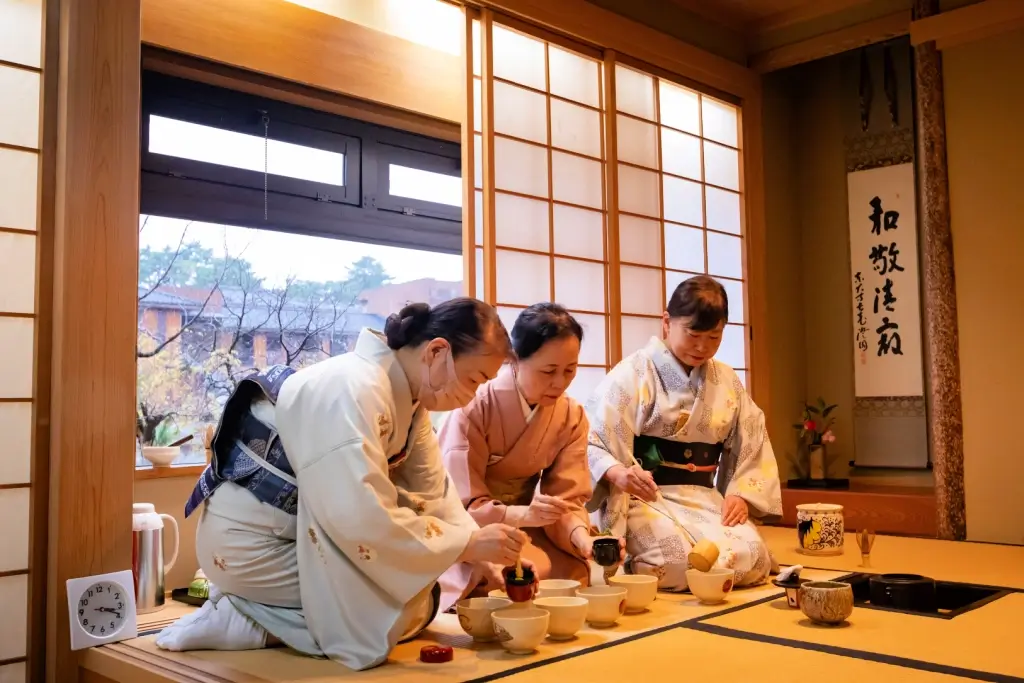
A tea experience can add context to the utensils, movements and hospitality associated with serving matcha. Check whether the booking is a demonstration, a participatory session or a longer lesson. If floor seating is uncomfortable, ask about chairs before reserving.
Travellers with dietary requirements should check ingredients carefully. A dish that appears vegetable-based may contain fish stock, and sauces can include ingredients that are difficult to identify by sight. The official vegetarian guide to Japan is a useful starting point; a short Japanese explanation of your requirements can also help when ordering.
Tipping is generally not customary. Follow local cues about removing shoes, queuing and keeping voices low, especially on public transport.
For an onsen visit, check the bathing rules beforehand. Shared baths generally require washing before entering and do not use swimwear. Tattoo policies vary between establishments, so confirm directly with the property. A private bath may be a suitable option if you prefer more privacy.
Check the current visa and entry requirements for your passport before booking. Requirements depend on nationality and the purpose of the visit. Visit Japan Web provides an online service for arrival procedures, including immigration and customs information.
Cards are widely accepted in many urban businesses, but keeping some yen is useful for smaller establishments and rural areas. Check payment methods for workshops and accommodation in advance, particularly when booking directly.
Arrange mobile connectivity that suits your phone and itinerary, and save essential information offline. Hotel addresses in Japanese, booking confirmations and maps of your arrival route can be especially helpful after a long flight.
English-language assistance varies by location. Translation tools can support everyday communication, while booking cultural activities with confirmed English instruction makes it easier to understand demonstrations and ask questions. For rural excursions, check the last return service before setting out.
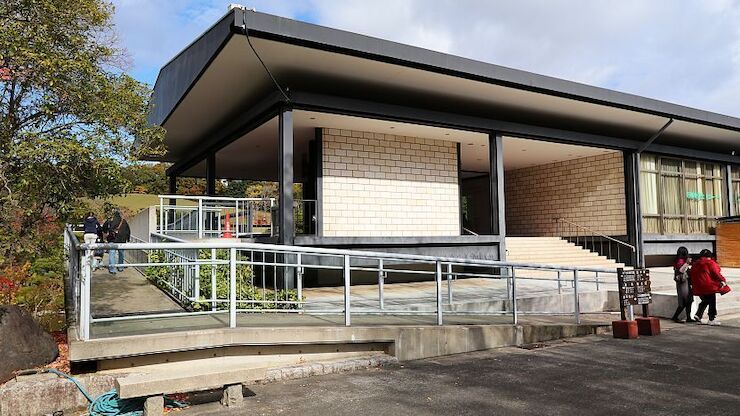
Accessible travel in Japan requires checking individual routes and properties. Many major stations offer lifts and assistance, but an accessible entrance may involve a longer approach. The official accessibility guide explains support options, including assistance with boarding trains.
Historic sites can present different conditions from modern city buildings. Steps, gravel paths, slopes and floor seating may affect a visit. Ask about the specific areas you want to see and whether an alternative route is available.
Accommodation details also deserve a closer look. A traditional room may use a futon on the floor, and a ryokan stay may include shared bathing facilities. Confirm bed type, lift access and bathroom arrangements rather than relying on a general description.
Build each day around one or two main visits, with time for meals and unplanned stops. Staying longer in a few well-chosen places leaves room to notice the details that make Japan memorable: the making of a wooden object, a seasonal dish or a quiet garden after the busiest visitors have moved on.
Japanese woodworking traditions range from interlocking kigumi joints to decorative techniques. This guide compares workshop experiences and shows how working by hand at the bench reveals the logic behind each craft.