A Legacy on Screen and Stone

Brewing History: The Grand Filming Locations of "House of Guinness"

The global fascination with the Guinness dynasty has reached a new peak with the release of the Netflix period drama House of Guinness. Created by Steven Knight—the visionary mastermind behind Peaky Blinders—the series delves into the high-stakes power struggles, immense wealth, and complex family legacy following the death of Sir Benjamin Guinness in 1868. While the story is deeply rooted in the cobblestone streets of Dublin, Ireland, travel enthusiasts and “set-jetters” might be surprised to learn that the production primarily utilized the architectural gems of North West England and North Wales to recreate the Gilded Age.

To capture the mid-Victorian era with absolute precision, the production team bypassed modern, modernized Dublin in favor of regions where the 19th-century industrial and aristocratic soul remains intact. From the soaring halls of “Dublin” mansions to the grimy docks of the Liffey, here is a comprehensive guide to the stunning sites that brought the House of Guinness to life. Several of these locations are now open as public museums and historic attractions.

Liverpool: The Architectural Soul of 1860s Dublin

Director Tom Shankland famously noted that Liverpool’s Georgian and Victorian architecture offered a more authentic atmosphere for the 1860s than modern-day Dublin. The city’s status as a secondary capital of the British Empire in the 19th century left behind a wealth of buildings that perfectly mirror the Guinness family’s urban environment.

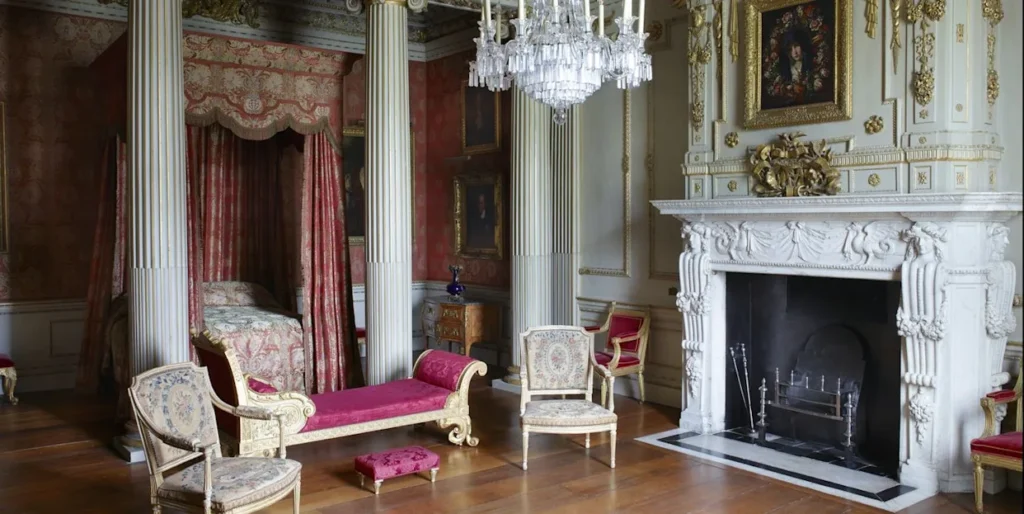
Croxteth Hall (The Fictional Iveagh House)
The centerpiece of the family’s wealth in the series is Iveagh House, their grand Dublin mansion. While the real Iveagh House stands on St. Stephen’s Green, it now serves as a government building. 

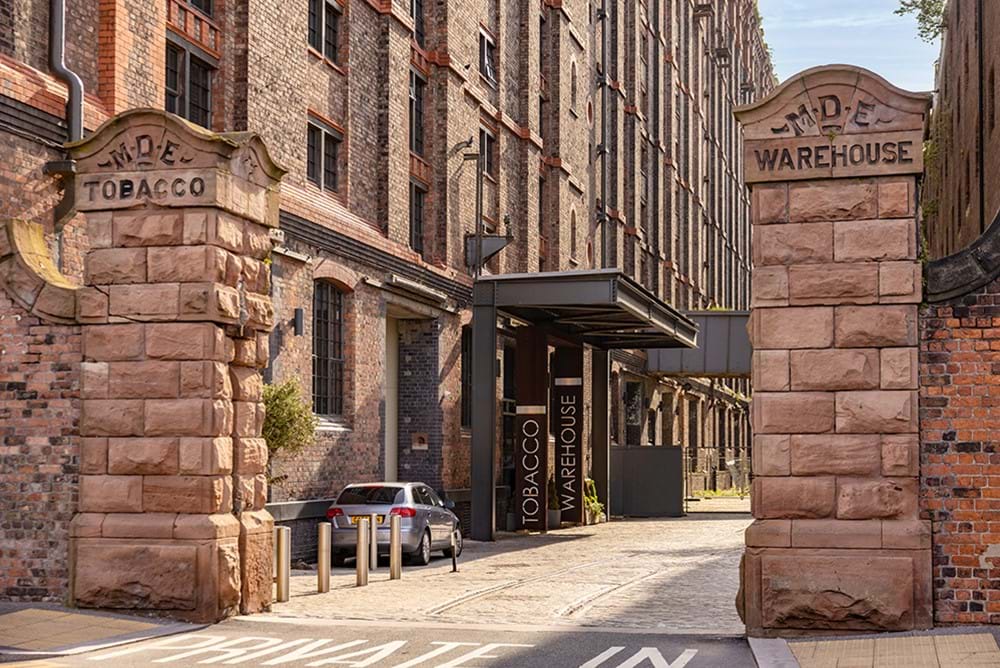
Stanley Dock and the Industrial Legacy
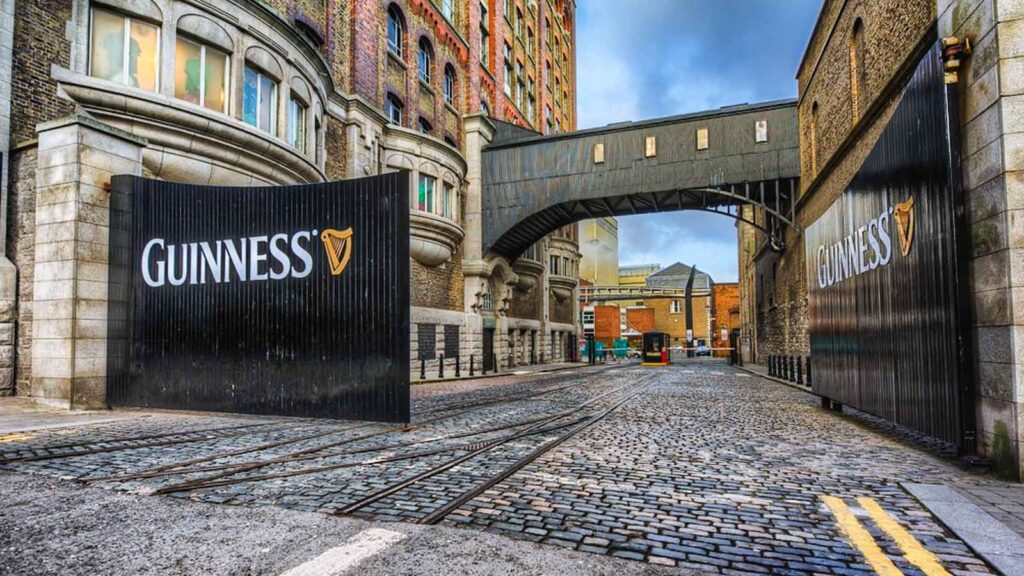
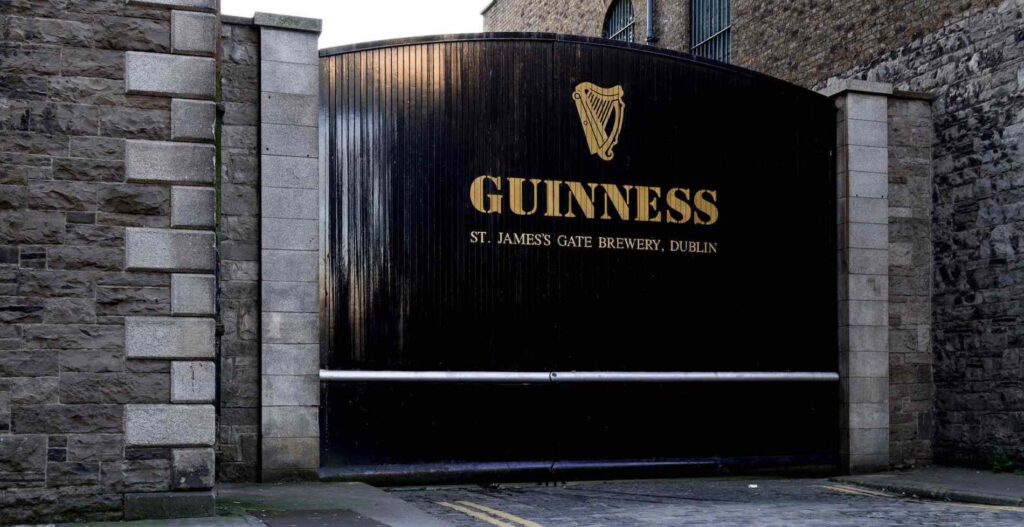
No Guinness story is complete without the brewery. The production reimagined the legendary St. James’s Gate Brewery within the massive red-brick walls of the Stanley Dock Tobacco Warehouse. The warehouse’s vast boiler rooms and iron-columned halls were used to depict the scale of the world’s most famous stout production.

Manchester and Stockport: Doubling for New York and Dublin

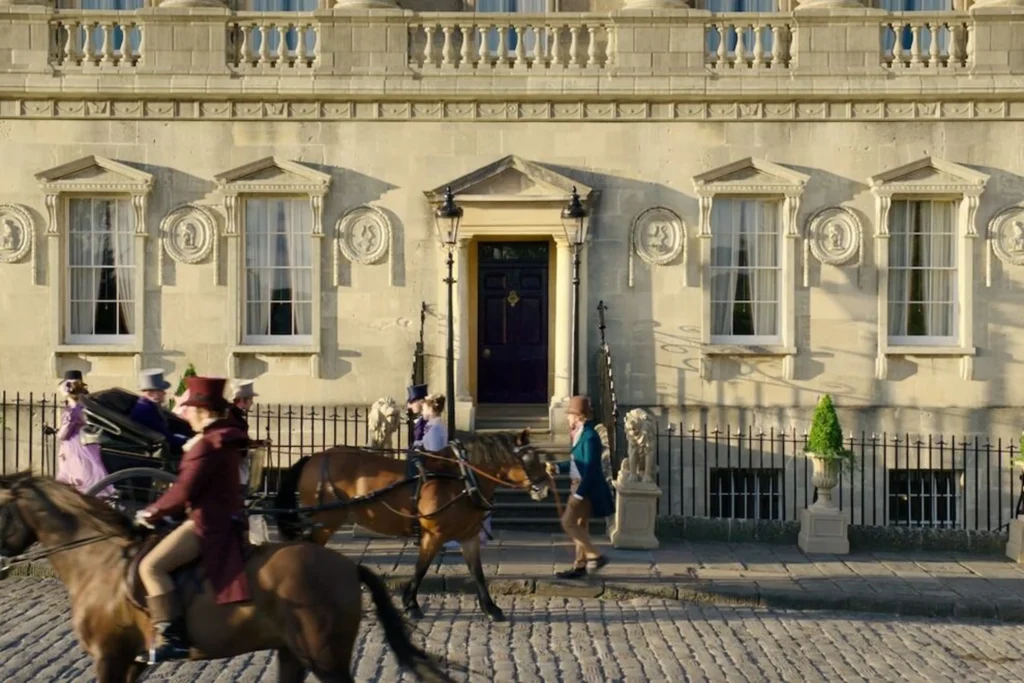
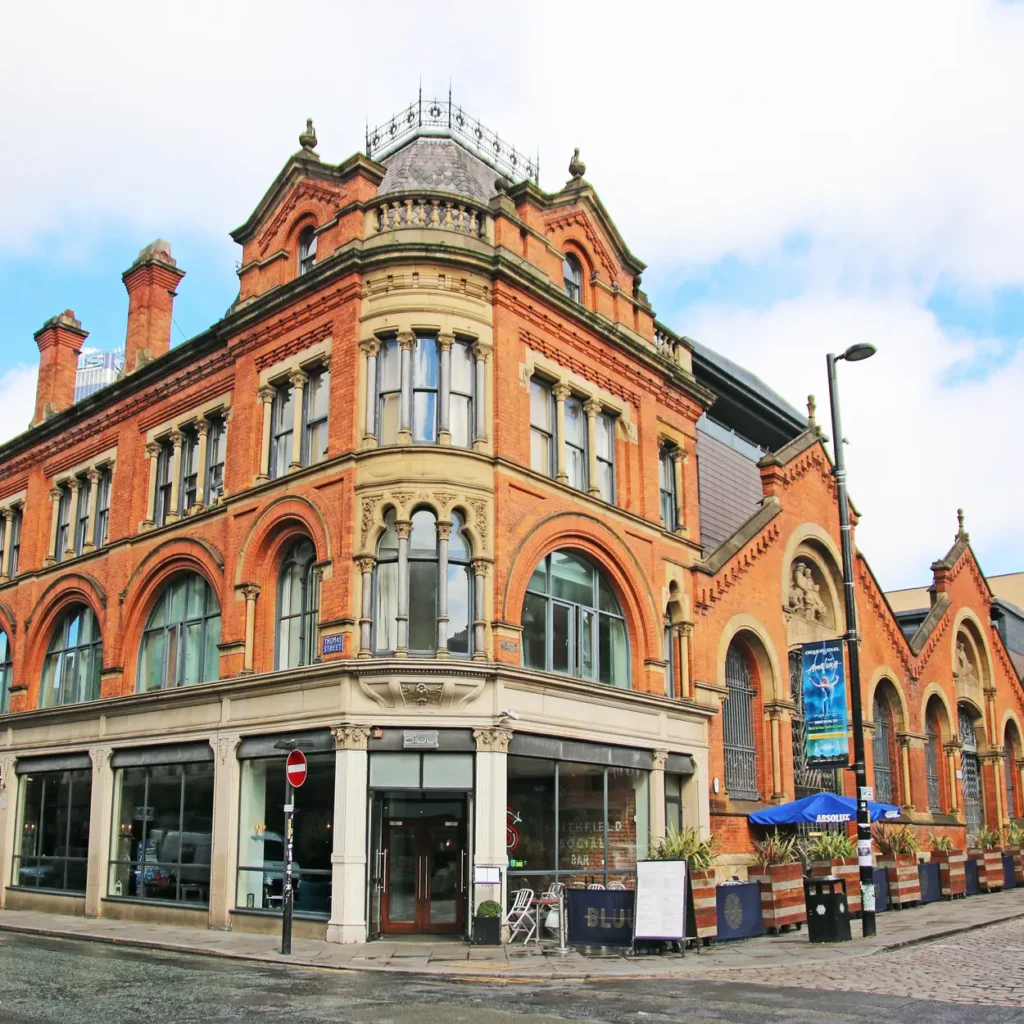
The series also follows the family’s international ambitions. Manchester’s Northern Quarter, with its iconic fire escapes and red-brick facades, was called upon to represent 19th-century New York’s Bowery neighborhood. Streets like Lever Street and Back Piccadilly were dressed with period-accurate signage and horse-drawn carriages to transport the audience across the Atlantic.

Meanwhile, the town of Stockport provided the “underbanks”—a series of narrow, tiered alleyways that stood in for the bustling, often grittier streets of Victorian Dublin. St. Mary’s Church in Stockport also featured prominently, providing the somber backdrop for the many funerals and weddings that define the family’s history.

Entrance Fees: Access to the 500-acre Country Park is free. Tours of the Hall itself generally cost between £5.00 and £7.00.

North Wales: The Grandest Estates of the Aristocracy

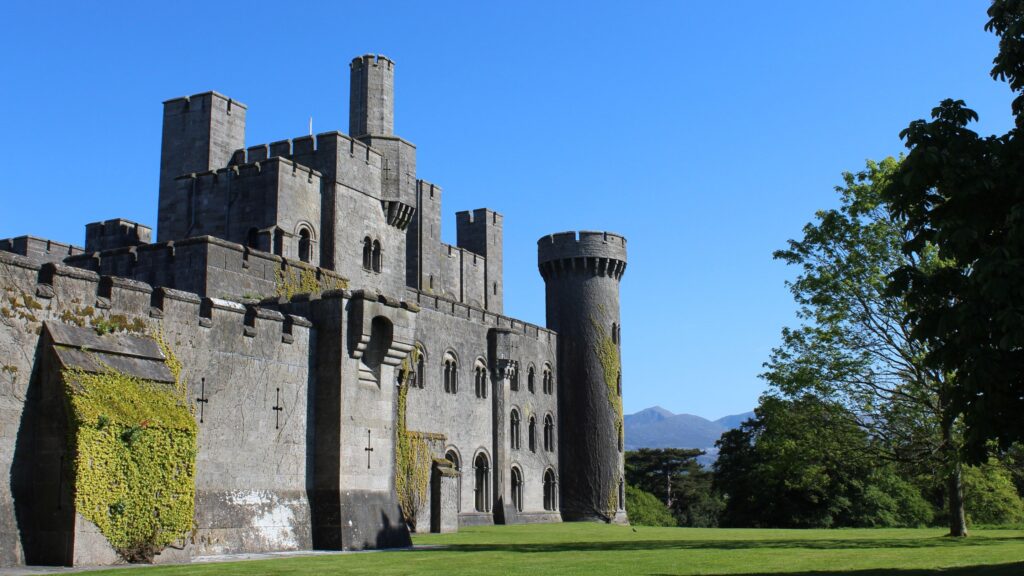
One of the most striking locations in the series is the stand-in for Ashford Castle, the Guinness family’s massive country retreat. The production chose Penrhyn Castle in North Wales as its cinematic double. This National Trust property is a neo-Norman masterpiece, built with the profits of the slate industry, mirroring the “new money” grandeur of the brewery titans. Its vast grounds and extravagant rooms provided the visual weight necessary to showcase the family’s immense social status.

Entrance Fees: Approximately £15.00 for adults and £7.50 for children. Entry is free for National Trust members.

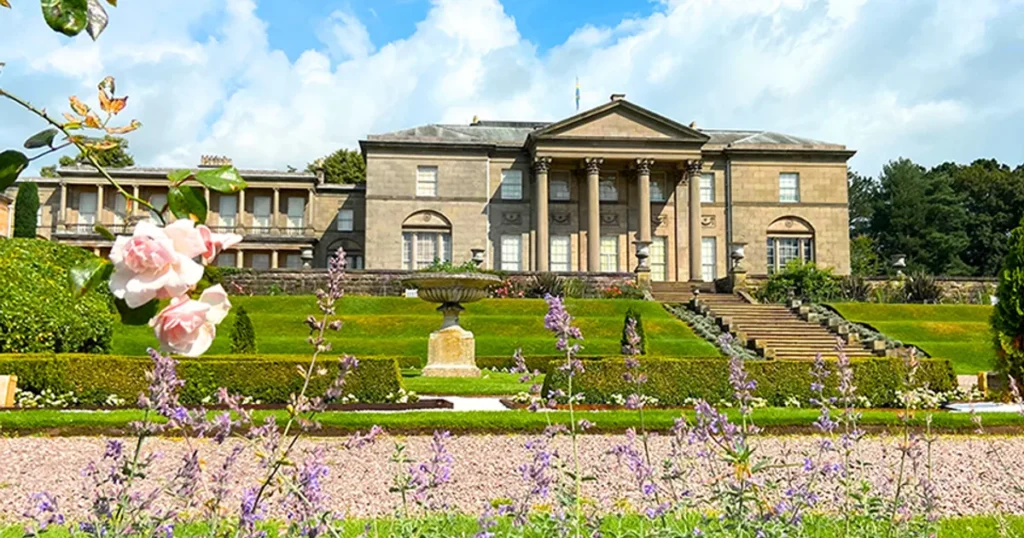
Tatton Park (Cheshire, England)

The mansion’s library and conservatory were key filming spots for intimate family discussions. Tatton Park is one of the UK’s most complete historic estates.

  • What to see: The 50-acre gardens and the working 1930s farm.
  • Entrance Fees: A “Totally Tatton” ticket (covering Mansion, Gardens, and Farm) is approximately £15.00 for adults. Note that there is an additional £8.00 vehicle park entry fee.
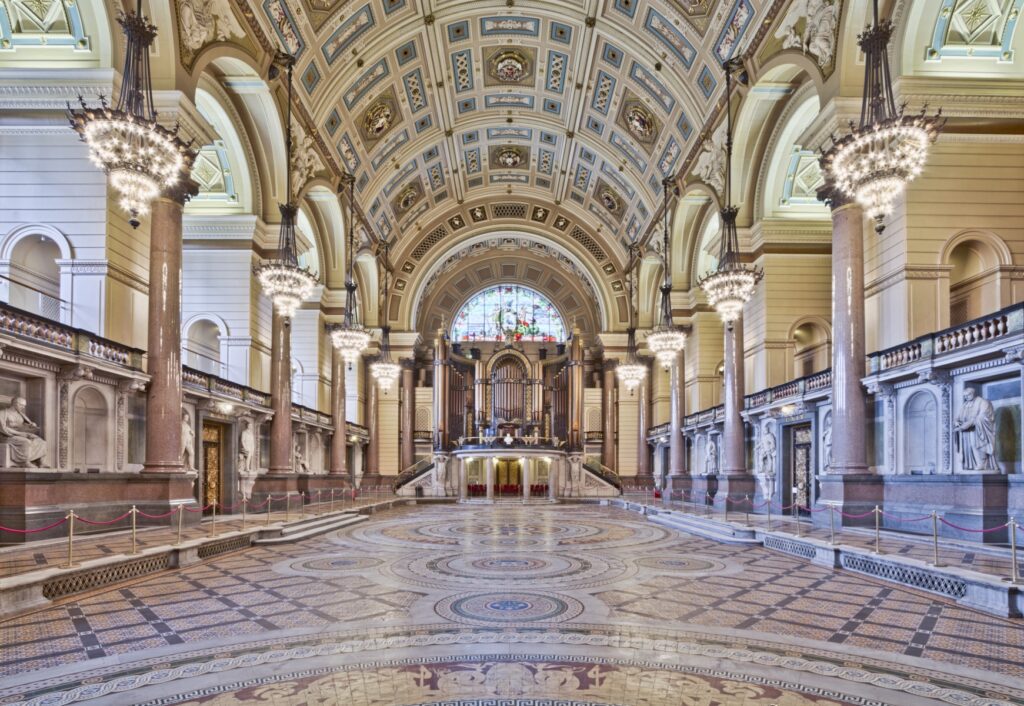
St. George’s Hall (Liverpool, England)

Used for courtroom scenes and grand political rallies, St. George’s Hall is a neoclassical triumph.

  • What to see: The “History Whisperer” immersive tour, which takes you into the old cells and courtrooms.
  • Entrance Fees: Entering the main hall is often free, but heritage tours cost between £5.00 and £10.00.
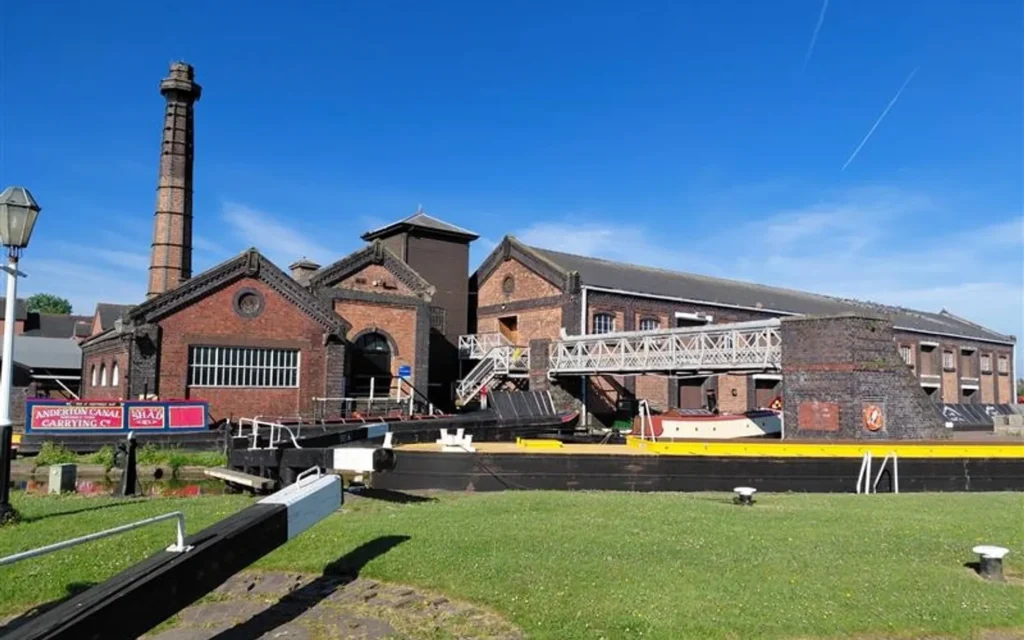
National Waterways Museum (Ellesmere Port, England)

This location stood in for the Dublin graving docks. It is a living museum of Britain’s canal history.

  • What to see: Historic narrowboats and the Victorian pumphouse.
  • Entrance Fees: Adult tickets are roughly £11.75. These tickets often function as an Annual Pass, allowing you to return for free for 12 months.
A Legacy on Screen and Stone

By weaving together these diverse locations, the creators of House of Guinness have crafted a world that feels both authentic and larger than life. While the Guinness name will forever be synonymous with Dublin, this production serves as a tribute to the shared Victorian heritage of the British Isles. For the traveler, these sites offer more than just a glimpse into a TV show; they offer a portal into a time of industry, ambition, and the architectural splendor of a bygone era. Whether you are exploring the narrow alleys of Stockport or the grand halls of Penrhyn, you are walking through the history of a family that changed the world—one pint at a time.

Related posts

The Accessible UK

Traveling by wheelchair in the UK is highly manageable with preparation. Equality laws ensure public buildings, modern hotels, and museums offer ramp or elevator access. London’s iconic black cabs feature built-in ramps, and most urban buses are fully accessible. National rail services provide dedicated boarding assistance if booked in advance.

Read More »

Old Trafford and the Red Devils

Explore Old Trafford, the historic home of Manchester United and one of the best-known football stadiums in the world. The stadium tour takes visitors behind the scenes, with stops that may include the players’ tunnel, dressing rooms and pitchside areas. The club museum adds more than a century of Manchester United history to the experience.

Read More »

A Legacy on Screen and Stone
By weaving together these diverse locations, the creators of House of Guinness have crafted a world that feels both authentic and larger than life. While the Guinness name will forever be synonymous with Dublin, this production serves as a tribute to the shared Victorian heritage of the British Isles.

Read More »

Bath – When Stories Become Destinations

If you love Bridgerton, elegant architecture, and historic interiors, visiting Bath, Wilton House, and Hampton Court Palace is truly worthwhile. These are not artificial film sets but authentic stately homes and royal palaces with centuries of history. The Netflix connection simply adds emotional depth and familiarity.

Read More »

7 Unexpected Surprises

Wembley is much more than its famous arch. A stadium tour reveals details that are easy to miss on matchday, from behind-the-scenes areas to reminders of some of the venue’s most memorable sporting moments. Here are seven things that may surprise you when you step inside England’s national stadium.

Read More »

The World’s Most Legendary Luxury Train

Orient Express offers a once-in-a-lifetime experience where the romance of pre-war Europe truly comes to life. The unparalleled gastronomy, private steward service, and breathtaking landscapes transform the journey into an unforgettable adventure that goes far beyond mere transportation.

Read More »

A Legacy on Screen and Stone Read More »
Bath – When Stories Become Destinations

BATH - When Stories Become Destinations

Few series have revived the romance of Regency England quite like Bridgerton. With its grand ballrooms, sweeping staircases, manicured gardens, and honey-colored terraces, the show feels like a fantasy version of London’s high society. But the beauty you see on screen is not just clever set design — many of these locations are real historic estates, palaces, and cities across England that you can visit yourself. From the elegant Georgian crescents of Bath to majestic countryside mansions such as Wilton House and Castle Howard, these filming locations offer far more than a quick photo opportunity. They are working museums, preserved aristocratic homes, and royal heritage sites open to the public.

In this guide, we explore where Bridgerton was filmed, what you can actually see inside, how to visit, and why these cinematic destinations are worth adding to your England itinerary.

Bath – Where Georgian Elegance Meets Cinematic Romance

Much of Bridgerton’s “London” was filmed in Bath, one of England’s most elegant and historically rich cities, famous for its golden Georgian architecture and Roman heritage. The city is a UNESCO World Heritage Site, known for landmarks such as the Roman Baths, sweeping crescents, and refined 18th-century townhouses. Its compact center makes it easy to explore on foot, with charming cafés, museums, and scenic river views. Bath combines history, culture, and timeless atmosphere in a uniquely walkable setting. Walking through the city feels like stepping directly into the Regency era.

How to Get There

1 hour 20 minutes by train from London Paddington. Bath is compact and easily walkable.

What You Can See
  • Royal Crescent – Iconic curved terrace used in exterior scenes.
    • Visit No.1 Royal Crescent, a restored Georgian house museum with period rooms and servants’ quarters.
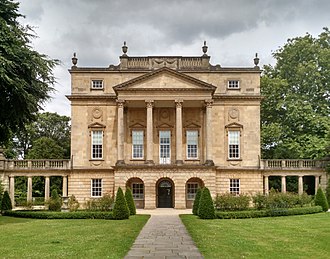
  • Holburne Museum – Lady Danbury’s exterior residence in the series; inside are fine art collections and decorative arts.
  • Bath Abbey – Gothic church with fan-vaulted ceilings and tower tours.
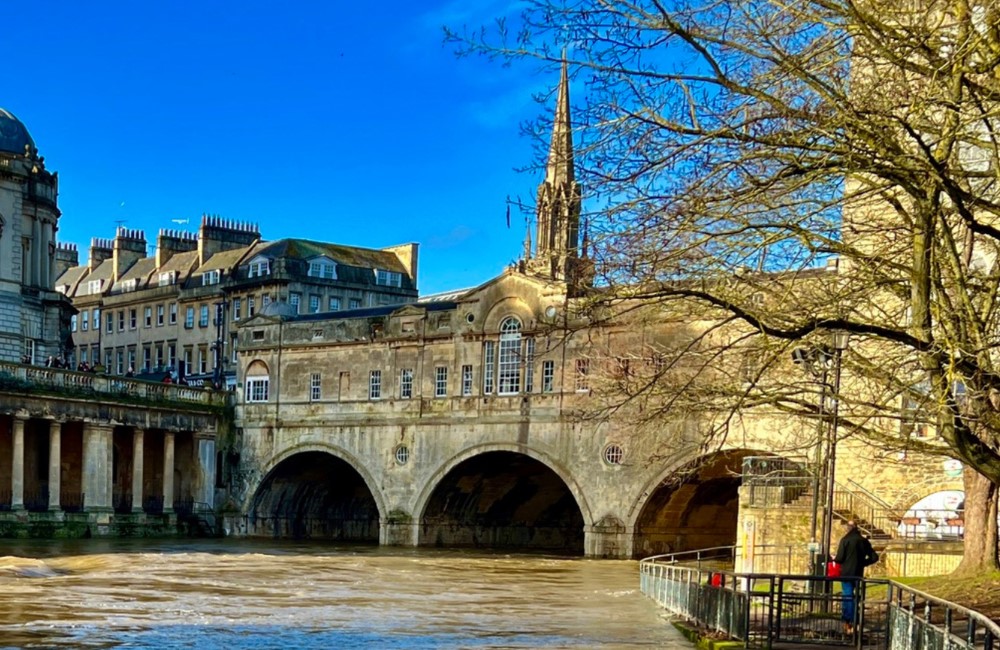
  • Pulteney Bridge – Frequently featured in scenic shots.

Entry Costs

  • No.1 Royal Crescent: £13–£15
  • Holburne Museum: Free (special exhibitions ~£12)
  • Bath Abbey: Donation; Tower tour extra
 Ranger’s House – The Bridgerton Family Home

Ranger’s House serves as the Bridgerton family’s exterior residence. Inside, the Wernher Collection displays Renaissance paintings, European sculptures, and fine porcelain.

Entry: £10–£12
Travel: 20 minutes from central London by DLR or train to Greenwich, followed by a short walk through Greenwich Park.


 Wilton House – Aristocratic Grandeur

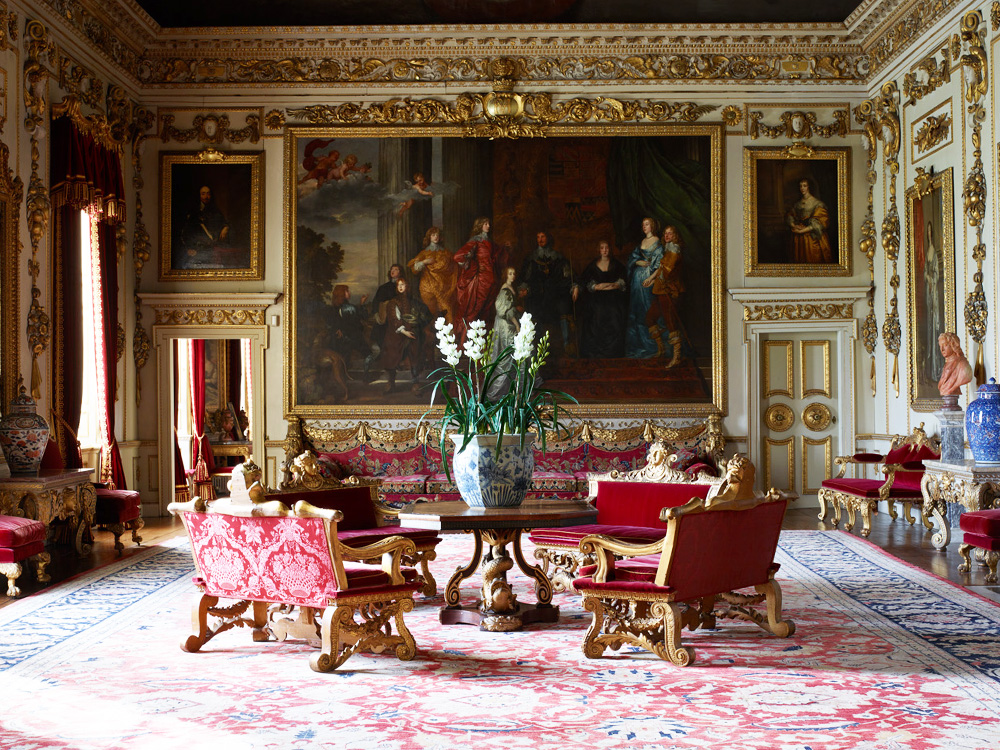
Wilton House remains privately owned but opens its State Rooms to visitors. You’ll see the Double Cube Room, Van Dyck paintings, gilded ceilings, and ornate fireplaces — authentic aristocratic interiors used in palace scenes.

Entry: ~£23
Travel: Train to Salisbury (2 hours from London) + taxi.

 Castle Howard – A Grand Estate Experience

Castle Howard is one of England’s most impressive stately homes. Inside are a spectacular central dome, portrait galleries, antique furniture, and exhibitions showcasing 300 years of family history.

Entry: ~£25
Travel: Train to York (2 hours), then bus or taxi.

 Hampton Court Palace – Royal History on Display

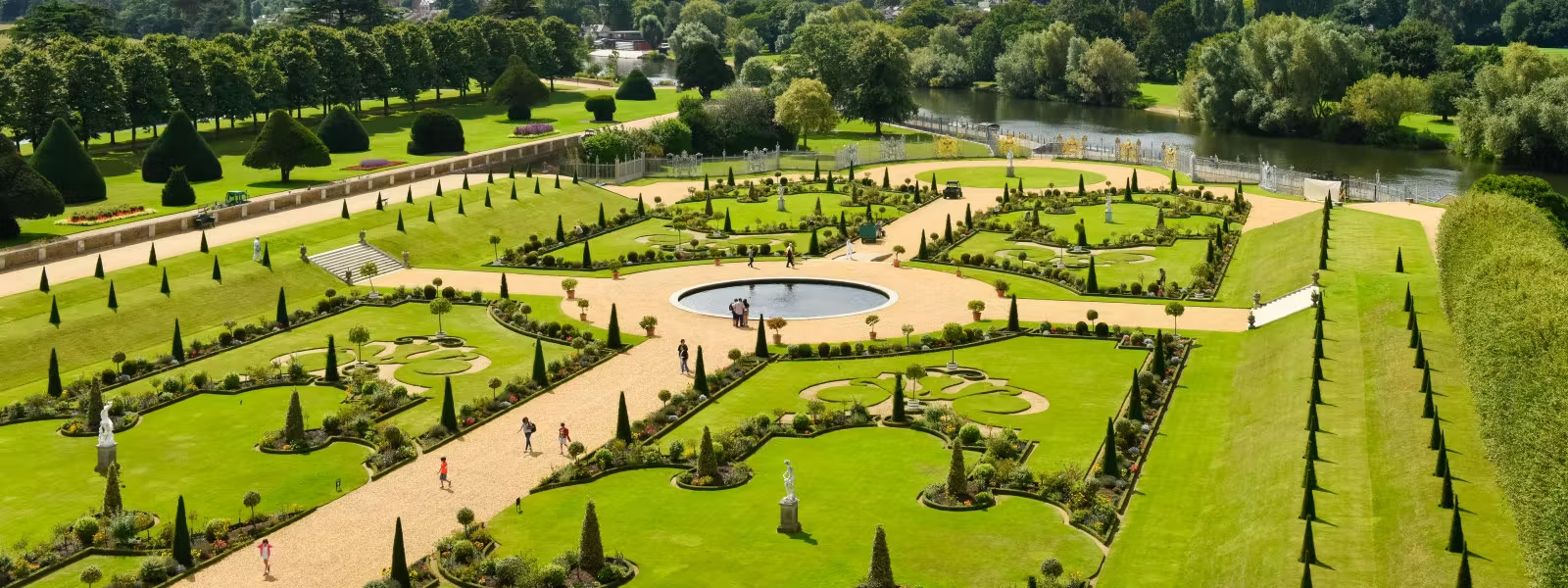
Hampton Court Palace is a full palace museum managed by Historic Royal Palaces. Explore Henry VIII’s Great Hall, Tudor kitchens, royal apartments, baroque state rooms, and expansive gardens with a maze.

Entry: ~£27
Travel: 35 minutes by train from London Waterloo.

Is It Worth It?

If you love Bridgerton, elegant architecture, and historic interiors, then yes — it’s absolutely worth it. These are not artificial film sets; they are real stately homes, museums, and royal palaces with centuries of history. Even without the Netflix connection, places like Bath, Wilton House, and Hampton Court Palace rank among England’s most beautiful heritage sites. The filming link simply adds emotional depth and a sense of familiarity. However, if you’re not interested in period design or historic estates, you may prefer visiting just one key location. Choose quality over quantity — one grand estate is more memorable than five rushed visits.

Related posts

The Accessible UK

Traveling by wheelchair in the UK is highly manageable with preparation. Equality laws ensure public buildings, modern hotels, and museums offer ramp or elevator access. London’s iconic black cabs feature built-in ramps, and most urban buses are fully accessible. National rail services provide dedicated boarding assistance if booked in advance.

Read More »

Old Trafford and the Red Devils

Explore Old Trafford, the historic home of Manchester United and one of the best-known football stadiums in the world. The stadium tour takes visitors behind the scenes, with stops that may include the players’ tunnel, dressing rooms and pitchside areas. The club museum adds more than a century of Manchester United history to the experience.

Read More »

A Legacy on Screen and Stone
By weaving together these diverse locations, the creators of House of Guinness have crafted a world that feels both authentic and larger than life. While the Guinness name will forever be synonymous with Dublin, this production serves as a tribute to the shared Victorian heritage of the British Isles.

Read More »

Bath – When Stories Become Destinations

If you love Bridgerton, elegant architecture, and historic interiors, visiting Bath, Wilton House, and Hampton Court Palace is truly worthwhile. These are not artificial film sets but authentic stately homes and royal palaces with centuries of history. The Netflix connection simply adds emotional depth and familiarity.

Read More »

7 Unexpected Surprises

Wembley is much more than its famous arch. A stadium tour reveals details that are easy to miss on matchday, from behind-the-scenes areas to reminders of some of the venue’s most memorable sporting moments. Here are seven things that may surprise you when you step inside England’s national stadium.
Read More »

The World’s Most Legendary Luxury Train

Orient Express offers a once-in-a-lifetime experience where the romance of pre-war Europe truly comes to life. The unparalleled gastronomy, private steward service, and breathtaking landscapes transform the journey into an unforgettable adventure that goes far beyond mere transportation.

Read More »

Bath – When Stories Become Destinations Read More »

Scroll to Top