
Rimac Automobili
In Croatia, Rimac develops electric performance cars through battery technology and in-house engineering. This guide examines the work behind the Nevera and explains what visitors should check before planning a visit.

Croatia’s coastal and inland regions differ in landscape, architecture and everyday atmosphere. Zagreb offers an urban introduction with Central European influences, while the Adriatic towns reflect centuries of maritime connections. In Split, Roman architecture remains part of a living city; in Istria, a seaside stay can lead inland to hilltop villages, olive groves and vineyards.
These contrasts make Croatia rewarding to explore, but its long coastline and island connections deserve careful planning. For a first visit, choose a few nearby destinations around your main interests, whether historic towns, nature, food or time beside the sea. A manageable route leaves room to experience everyday life between the famous sights.
The Adriatic coast has a Mediterranean climate, while inland Croatia has more continental conditions and the highlands are cooler. A route combining Zagreb, Plitvice and an island therefore calls for more varied packing than a seaside stay alone. Rain protection and an extra layer remain useful outside the hottest summer weeks.
For historic towns and outdoor sightseeing, May, June and September are worth considering. These months can provide a more comfortable balance between warmth and activity than peak summer, although neither quiet streets nor settled weather are guaranteed. Early autumn can also suit a holiday combining the coast with regional food and wine. July and August bring the main summer season, with busy waterfronts, strong demand for accommodation and potentially tiring heat. Outside summer, check ferry timetables, attraction hours and seasonal services.
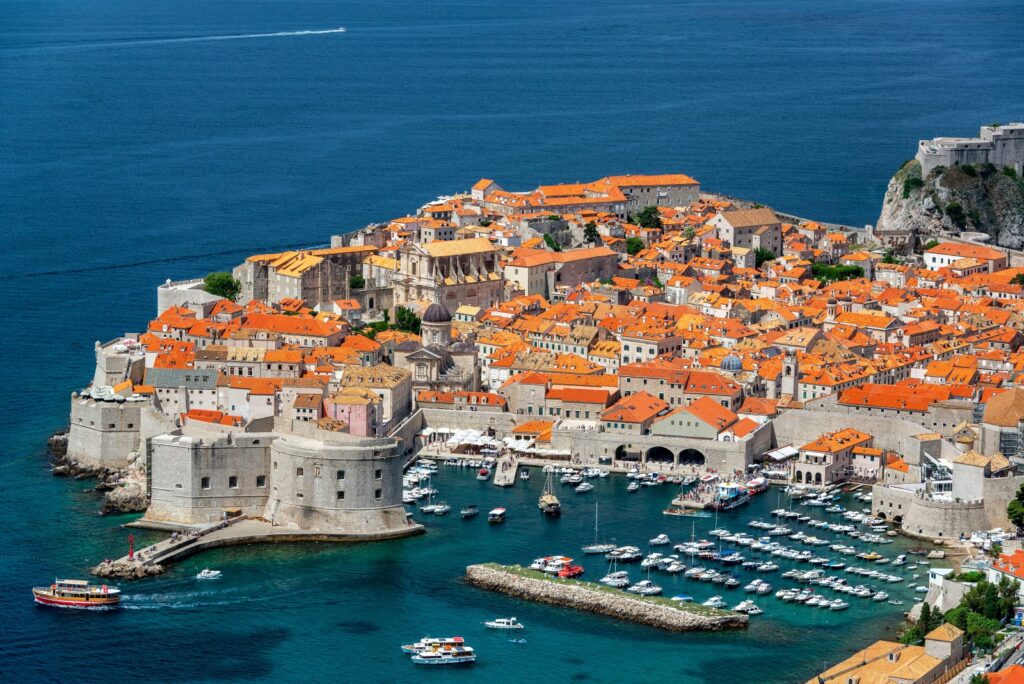
Dubrovnik is best understood as a former maritime republic whose wealth and independence shaped its fortified centre. Its UNESCO-listed Old City combines churches, palaces and stone streets within an imposing defensive system. Walking the walls offers another perspective, but the steps, exposure to the sun and sustained walking deserve consideration before committing to the circuit.
Split offers a different encounter with the past. The remains of Diocletian’s Palace are woven into streets, shops, homes and restaurants rather than enclosed within a single archaeological attraction. Explore the historic centre before settling along the Riva waterfront, allowing time to notice how the ancient structure still influences the city.
Rovinj, on the Istrian peninsula, combines a harbour with a compact hillside Old Town. It works well as a base for exploring coastal settlements and the inland countryside.
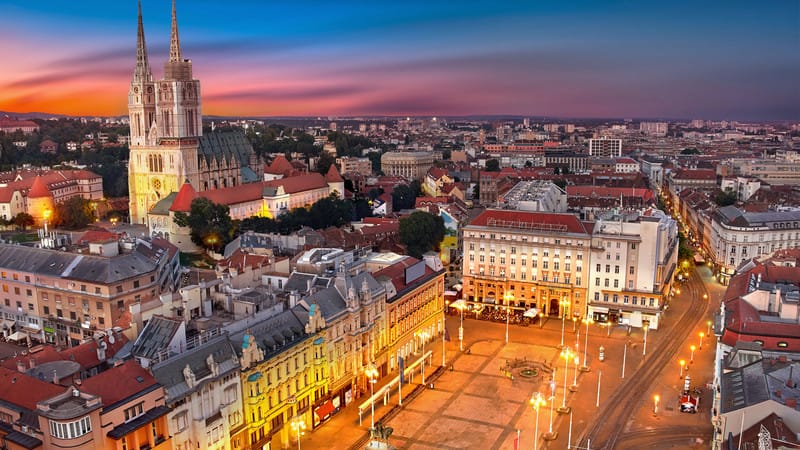
Zagreb, meanwhile, adds museums, markets and neighbourhood cafés, making it worth including for more than an overnight stop.
Contemporary Croatia also has a place in the journey. Near Zagreb, our Rimac Factory Tour guide introduces a visitor experience centred on electric hypercars and modern manufacturing. It provides an unusual addition for travellers interested in engineering and how things are made.
Croatia’s archipelago includes more than a thousand islands, islets and rocky formations. The inhabited islands vary considerably, so choose according to the experience you want and the connections available. Hvar, Brač and Korčula are familiar names, but even on a popular island, your accommodation location can determine whether the stay feels lively, secluded or dependent on transport.
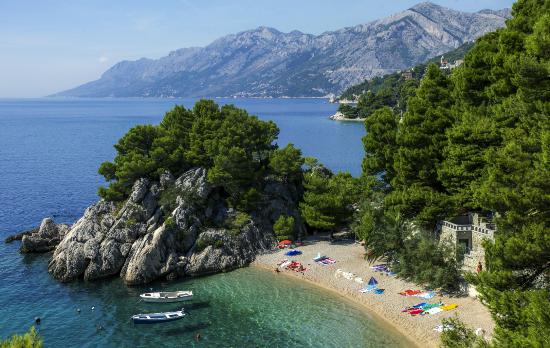
Check the beach itself before booking a holiday around it. Many Croatian beaches are pebbly or rocky, although sandy options exist. Photographs of clear water reveal little about the walking surface, shade or ease of entering the sea. For a relaxed stay, the route between accommodation, restaurants and the waterfront matters as much as the view.
Inland, Plitvice Lakes National Park is known for interconnected lakes, waterfalls and changing forest scenery. It is a place for following designated routes and observing the landscape; swimming in the lakes is prohibited. Its UNESCO status also makes it a natural companion to the historic destinations in our World Heritage collection.
Krka National Park offers another way to explore river landscapes and waterfalls. Swimming is prohibited at Skradinski buk, while limited seasonal swimming is permitted at certain other designated locations under the park’s conditions. Check the official Krka visitor information when planning your visit. For a more active mountain outing, Paklenica introduces canyons, hiking and climbing, with routes requiring different levels of preparation.
Croatian culture reflects Mediterranean, Central European and wider regional influences. In Dalmatia, klapa multipart singing, recognised by UNESCO as intangible cultural heritage, offers a distinctive introduction to local musical traditions. Markets, neighbourhood cafés and community events can reveal another side of a destination alongside its monuments.
Food changes with the region. Along the coast, look for grilled fish, octopus salad and crni rižot, a black risotto coloured with cuttlefish ink. Peka describes a cooking method using a covered vessel beneath hot embers; dishes may feature meat or octopus with vegetables. Ask ahead if you want to try it, as preparation can require advance notice. Istria combines seafood with olive oil, truffles and pasta such as fuži. In northern Croatia, štrukli, made with dough and a cheese filling, offers a different flavour of the country. Rather than expecting one national menu everywhere, ask what belongs to the region you are visiting.
Wine provides another reason to explore beyond the coast. Istria is associated with Malvazija Istarska and Teran, while the Pelješac peninsula is known for Plavac Mali. A winery visit can introduce the surrounding landscape and local producers without becoming a full-day tour. Confirm tasting arrangements beforehand and organise transport if you plan to drink.
Intercity coaches are useful for many journeys, including coastal routes. Trains can work for selected mainland connections, but check the actual network and journey time before planning a rail-based trip. Compare where services arrive with the location of your accommodation, particularly when carrying luggage.
For island travel, distinguish between a car ferry and a passenger-only catamaran. They may serve different ports on the same island, so an arrival listed under an island’s name may still require an onward transfer. Consult Jadrolinija’s official timetables and booking information and check whether your ticket reserves a particular departure or vehicle space.
A rental car can simplify visits to inland Istria, rural accommodation and national parks. In historic centres, however, parking and vehicle access may be more challenging than the drive itself. Confirm parking arrangements before booking accommodation, and allow sufficient time between a mainland journey and a ferry departure.
Some Adriatic and Mediterranean cruises include Croatian ports such as Dubrovnik or Split. Our Mediterranean Cruise guide explains how route choice, port location and time ashore affect the experience. If arriving by ship, establish how you will reach the historic centre and how much useful sightseeing time remains after transfers.
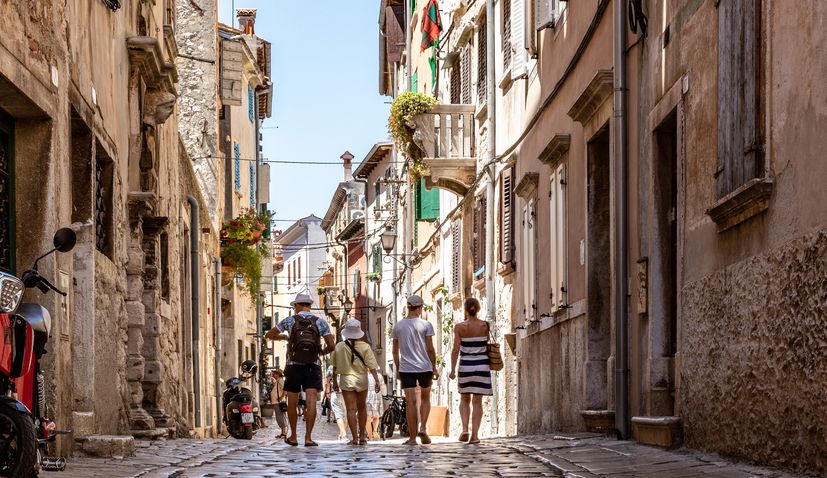
Croatia requires destination-specific accessibility planning. Historic centres can include polished stone, uneven paving, slopes and stairs. A waterfront promenade may offer a more manageable route than a nearby hilltop quarter, while Dubrovnik’s wall circuit involves a different physical commitment from exploring parts of the streets below.
Plitvice should not be described as accessible throughout. The park states that not all paths and trails accommodate wheelchair users or visitors with limited mobility. Consult the official Plitvice accessibility guidance and ask staff which route suits your needs. Include walking distance, steps and available transport in that discussion.
For island journeys, confirm access on the specific vessel, including boarding, passenger areas and toilets. An accessible mainland hotel does not guarantee that the ferry crossing or beach will be equally straightforward. Ask accommodation providers for details and photographs of entrances, bathroom layouts and routes to nearby facilities.
Beach access also needs its own check. A ramp onto a promenade does not necessarily provide access across pebbles or assistance entering the water. Travellers managing knee problems may benefit from accommodation with a manageable walk to meals and transport, reducing the effort required outside planned sightseeing.
Croatia offers rewarding combinations for different interests. Istria can bring together a coastal base, village visits and regional food; Split can anchor a holiday with time on a nearby island; Zagreb can pair cultural sightseeing with contemporary manufacturing at Rimac. Choose the combination that gives your holiday a clear focus.
The practical trade-offs are seasonal crowds, island transfers and the physical demands of some historic areas and national parks. Check these details before booking, then leave space for an unhurried meal, a market visit or an evening beside the harbour. Those smaller experiences can be as memorable as the landmarks that first brought you to Croatia.
In Croatia, Rimac develops electric performance cars through battery technology and in-house engineering. This guide examines the work behind the Nevera and explains what visitors should check before planning a visit.
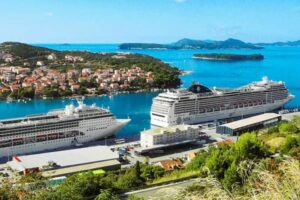
Mediterranean cruises can follow Western or Eastern routes, each with different ports and travel rhythms. Compare city visits, island stops and time ashore so the itinerary matches your interests and the amount of walking you enjoy.