

Eternal Waters: A Cinematic Journey Through the Nile

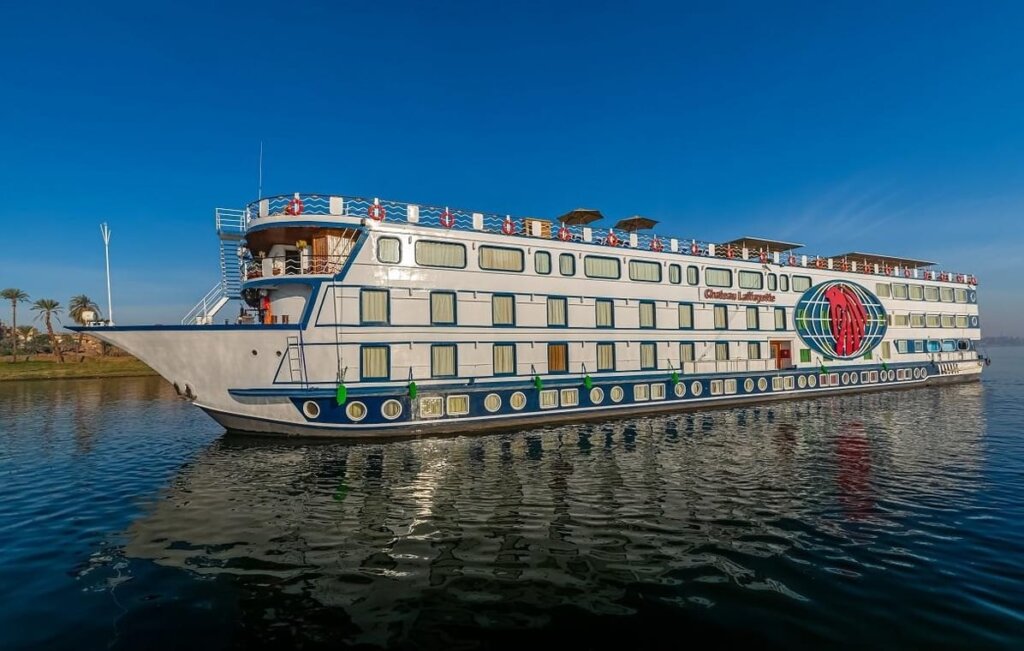
The Nile is not merely a river; it is the silver thread that holds the tapestry of Egyptian civilization together. For decades, it has captured the imagination of writers and filmmakers, serving as a backdrop for tales of mystery, romance, and archaeological wonder. In 2026, as the Grand Egyptian Museum in Cairo reaches its full glory, a Nile cruise remains the quintessential way to experience the land of the Pharaohs. Whether you are a fan of Agatha Christie’s suspense or Hollywood’s grand adventures, sailing the Nile feels like stepping directly into the pages of a classic novel.

No discussion of the Nile is complete without mentioning Agatha Christie. Her 1937 masterpiece, Death on the Nile, was inspired by her stay at the Old Cataract Hotel in Aswan and her subsequent cruise. As you sail, you can almost see Hercule Poirot observing the passengers from the deck of a vintage steamer. The 1978 and 2022 film adaptations have cemented the visual aesthetic of the Nile cruise: linen suits, wide-brimmed hats, and the golden glow of the sun setting over the desert.

Beyond Christie, the river evokes the epic scale of The Ten Commandments or the adventurous spirit of The Mummy. In 2026, travelers can still visit the Temple of Karnak in Luxor, where the massive hypostyle hall served as a dramatic filming location for numerous movies. To sail the Nile is to inhabit a world where history and fiction are indistinguishable.

Recommended Routes and Duration

The most popular and historically rich route is the stretch between Luxor and Aswan.

  • Standard Cruise (3 to 4 nights): Ideal for those who want to see the “Big Hits.” You will visit the Valley of the Kings, the Temple of Edfu, and Kom Ombo.
  • Longer Expeditions (7+ nights): These often start in Cairo and sail south, offering a deeper look at Middle Egypt, including the less-visited but stunning temples of Abydos and Dendera.
  • The Dahabiya Experience: For those seeking the ultimate Christie-esque atmosphere, a Dahabiya is a traditional, small-scale sailing vessel (no engines). It offers a slower, more private journey for those who value silence and intimacy over the amenities of larger ships.
Estimated Costs and Budgeting

In 2026, Egypt remains a high-value destination, though prices have stabilized after the museum openings.

  • Standard 5-Star Cruise: $800 – $1,300 per person (4 nights).
  • Luxury/Boutique Cruises (e.g., Oberoi, Sanctuary): $2,500 – $4,500 per person.
  • Dahabiya Private Sailing: $3,000 – $5,500 per person.
  • Extra Costs: Budget for “Baksheesh” (tipping is deeply rooted in Egyptian culture), specialty drinks, and entry fees to specific tombs like Seti I or Nefertari ($50–$100 extra).
  • It is important to note that most standard cruise packages do not include entry fees for major attractions such as Karnak Temple or the Valley of the Kings; these costs must be added individually when planning your budget.
Expected Experiences 
A Nile cruise is the ultimate journey of “slow travel,” offering a serene rhythm where the ancient landscape unfolds slowly, punctuated by spectacular archaeological stops. 
  • Luxor’s Open-Air Museum: Explore the legendary Valley of the Kings, where the tomb of Tutankhamun continues to fascinate. 
  • Aswan’s Elegance: Visit the stunning Philae Temple, dedicated to the goddess Isis and accessible only by boat. After marveling at the temple’s reflection in the water, take a traditional Felucca (small sailboat) ride around Elephantine Island at sunset to witness the iconic Nile cataracts in the golden hour.
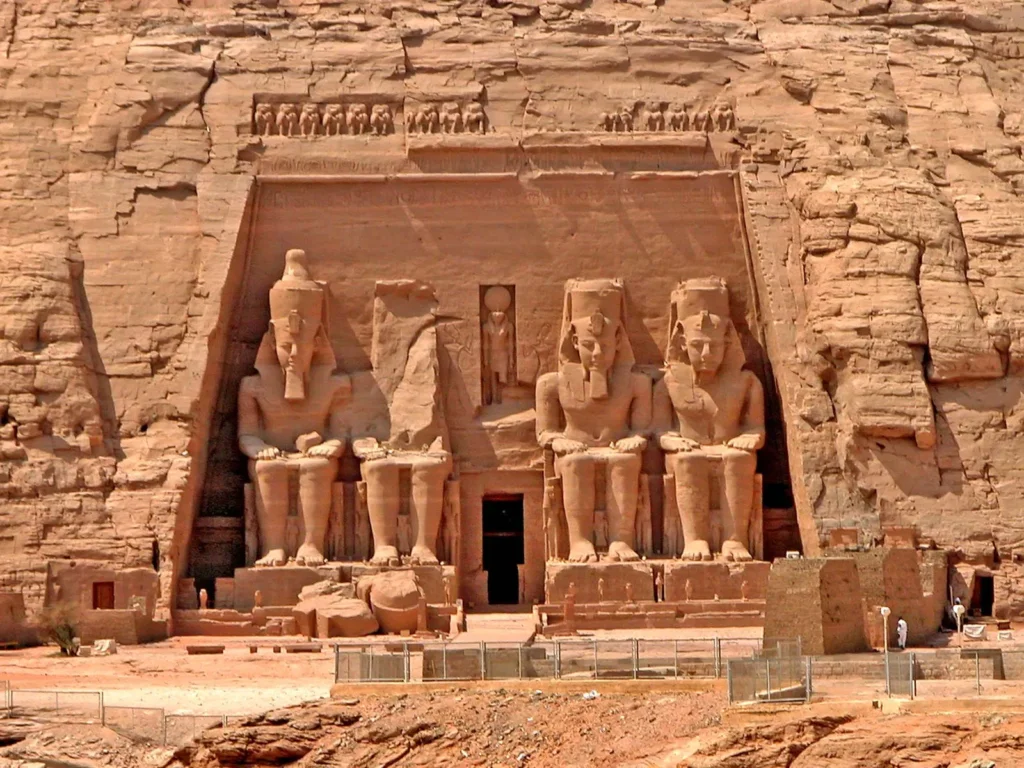
  • Abu Simbel: Most cruises offer an optional but essential excursion to these colossal temples of Ramses II, carved directly into the mountainside. These structures were relocated in a massive UNESCO-led international effort that is itself a marvel of modern history, and witnessing the sunrise hitting the inner sanctuary remains a once-in-a-lifetime experience.
What to Wear: Colonial Chic and Practicality

To channel your inner film star while staying comfortable in the Egyptian heat:

  • Fabrics: Linen and light cotton are your best friends. Stick to light colors (khaki, beige, white) to reflect the sun.
  • Modesty: Egypt is a conservative country. When visiting temples or local villages, ensure your shoulders and knees are covered.
  • Footwear: Sturdy, closed-toe walking shoes. The ground at archaeological sites is often sandy, rocky, and uneven.
  • Accessories: A high-quality Panama hat, polarized sunglasses, and a lightweight scarf (to protect from both sun and dust).
Practical Advice 


  1. Health: Only drink bottled water. Use it even for brushing your teeth. Carry a small “pharmacy” for stomach issues, as “Pharaoh’s Revenge” is a common rite of passage.
  2. Timing: The best time to sail is between October and April. In the summer, temperatures in Upper Egypt can exceed 45°C (113°F).
  3. Security: In 2026, security is highly professional. You will see police escorts at many sites; this is standard procedure and should be seen as a comfort rather than a cause for alarm.

Related posts

The World’s Most Legendary Luxury Train

Orient Express offers a once-in-a-lifetime experience where the romance of pre-war Europe truly comes to life. The unparalleled gastronomy, private steward service, and breathtaking landscapes transform the journey into an unforgettable adventure that goes far beyond mere transportation.
Read More »

Giza: Ancient World Wonders

The Pyramids of Giza, the last surviving Ancient Wonder, remain an architectural marvel in 2026. Visitors can explore the Great Pyramid for approximately EGP 1,500. Adjacent to the plateau, the newly fully-opened Grand Egyptian Museum now houses the complete Tutankhamun collection, offering a world-class cultural experience.

Read More »
Scroll to Top