Norwegian Fjords Cruise
Norway’s fjord routes explore western inlets, while northern itineraries reach Arctic landscapes. Compare Geiranger, Flåm, Lofoten and Tromsø, including seasonal light, shore excursions and rules in protected fjords.

This Norway travel guide explores a country that stretches from the cities and gentler landscapes of the south to Arctic islands and mountains far beyond the Arctic Circle. Between them lie deep fjords, high plateaus, fishing villages and some of Europe’s most memorable road, rail and coastal journeys.
Nature is the obvious reason many travellers come, but it is not the whole story. Oslo brings contemporary architecture and major museums, Bergen combines maritime history with a spectacular setting, and the north offers a completely different Arctic experience. Norway works particularly well for travellers who enjoy discovering a country through its landscapes as much as through individual attractions.
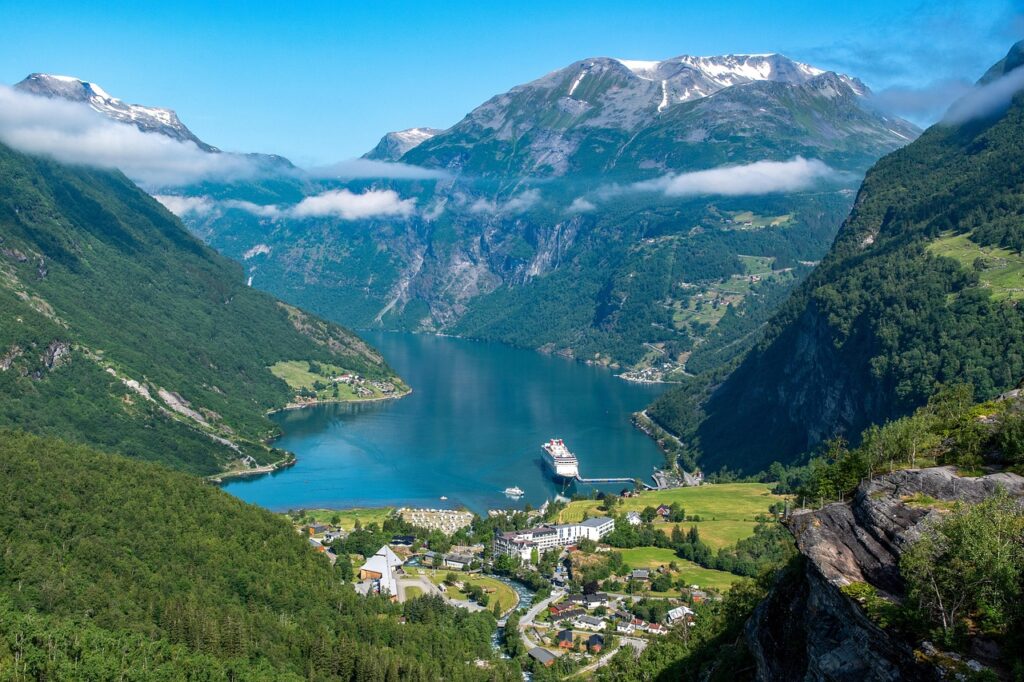
Norway has more than a thousand fjords, with many of the best-known concentrated in Fjord Norway, in the western part of the country. They were shaped by glaciers that carved deep valleys into the landscape before seawater filled them, creating the steep-sided waterways now associated with Norway around the world.
Geirangerfjord and Nærøyfjord form the West Norwegian Fjords UNESCO World Heritage property. Their exceptionally steep rock walls, waterfalls, glaciers and surrounding mountains make them two of the clearest examples of the classic Norwegian fjord landscape. But choosing a fjord depends on the kind of trip you want. Geirangerfjord is a strong choice for dramatic scenery and waterfalls, while Nærøyfjord works particularly well for travellers combining a boat journey with the Flåm area. Sognefjord, at around 205 kilometres long, rewards a longer exploration, while Hardangerfjord combines fjord scenery with waterfalls, orchards and mountain landscapes. Travellers who prefer seeing this landscape from the water can also explore our Norwegian Fjord Cruise guide, which looks at different cruise routes and the experience of travelling through the region by ship.
For official destination information and ideas for exploring the region, Visit Norway’s fjord guide is a useful planning resource.
Norway becomes easier to understand once you stop thinking of it as a single experience. Different parts of the country can produce remarkably different trips.
Oslo is the natural starting point for urban Norway. The waterfront combines contemporary architecture with major cultural institutions, while parks, forests and the Oslofjord keep nature surprisingly close to the centre.
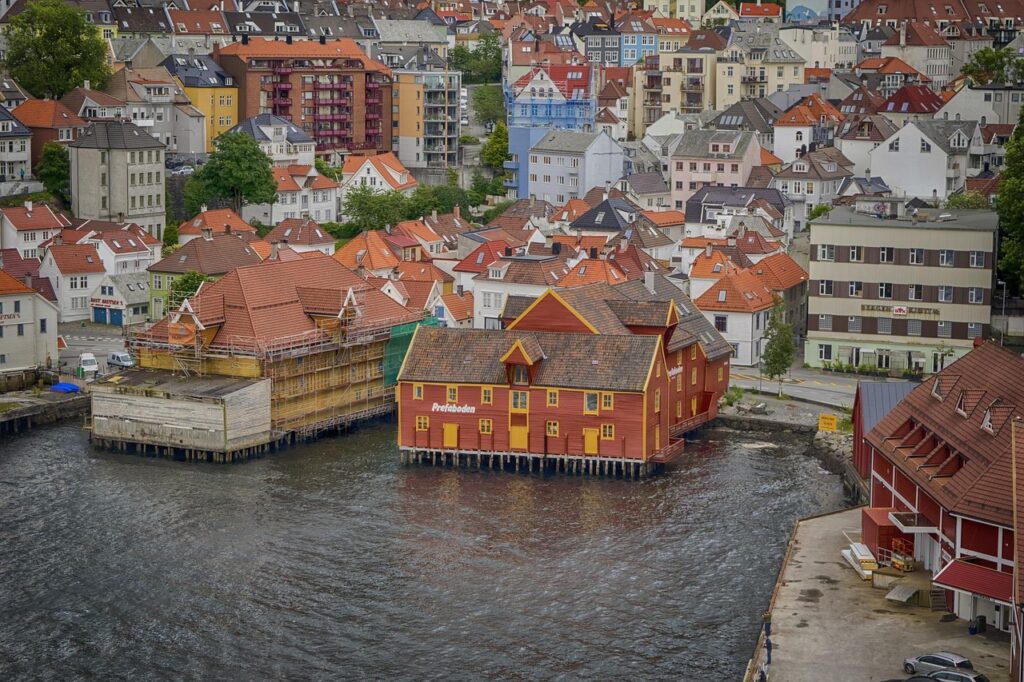
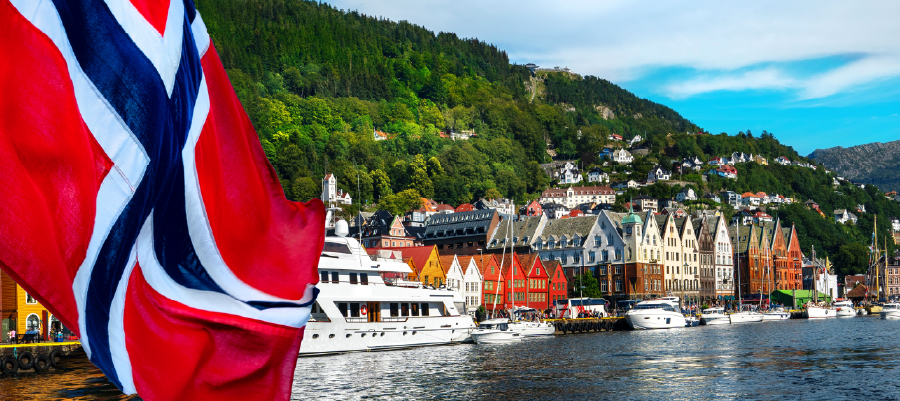
Bergen offers a different atmosphere. Its historic Bryggen waterfront and maritime character make it worth exploring independently, but its location also makes it a practical gateway to western Norway.
Farther north, Tromsø is one of the principal gateways to Arctic Norway, combining a lively northern city with relatively easy access to the surrounding wilderness.
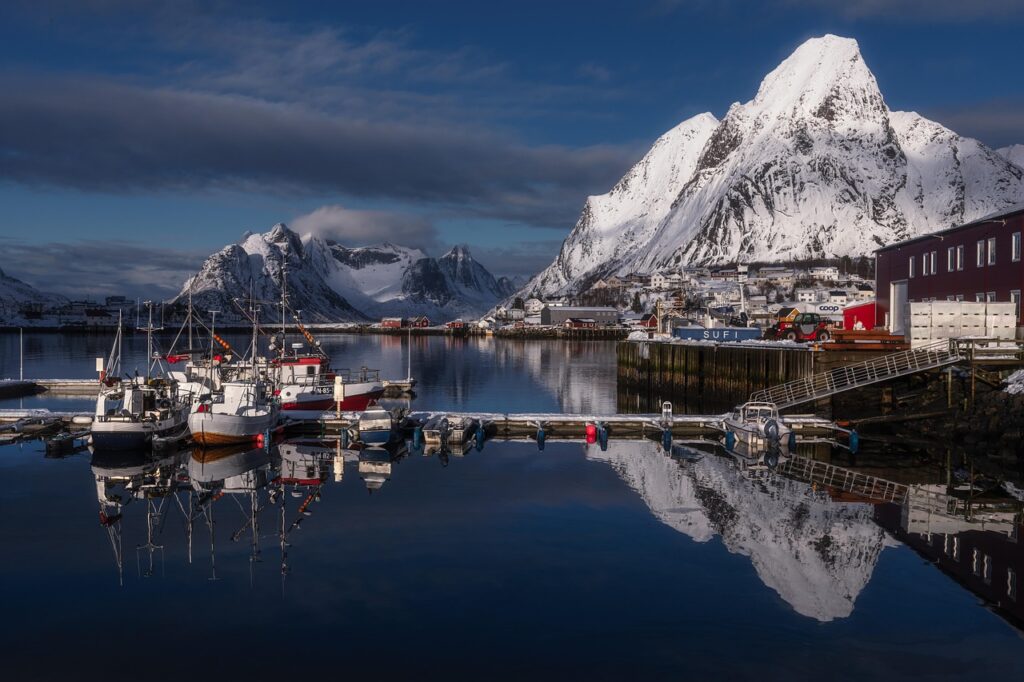
The Lofoten Islands require more travel time but reward it with one of Norway’s most distinctive landscapes. Sharp mountains rise almost directly from the sea, with beaches and traditional fishing communities scattered between them.
For an even more remote experience, Svalbard lies far north of mainland Norway. Its Arctic environment is sufficiently different that it is better considered a separate journey rather than an extension casually added to a conventional Norway itinerary.
There is no single best time to visit Norway because the experience changes dramatically through the year.
Summer brings long daylight hours and the widest choice of hiking, road-trip and outdoor opportunities. In the far north, the midnight sun extends daylight through the night during part of the season.
Autumn changes the landscape again, bringing autumn colours and fewer visitors to many outdoor areas.
Winter shifts the focus towards snow, skiing and Northern Lights experiences, particularly in northern Norway. Short daylight hours and winter road conditions, however, make planning more important.
Spring can bring dramatic waterfalls as snow melts, but mountain routes and hiking trails should not be assumed to have summer conditions simply because temperatures are already mild at sea level.
The useful rule is to decide what you want to experience first and choose the season second. For current seasonal information, Visit Norway provides planning guidance covering the different regions and times of year.
Card and electronic payments are widespread, so most visitors have little reason to carry large amounts of cash. Norway uses the Norwegian krone (NOK) rather than the euro.
Weather deserves more attention than the forecast for the nearest town. Conditions can change quickly in mountain and coastal areas, and temperatures at elevation may differ substantially from those at sea level. Layers and weather-resistant clothing are therefore useful even during the warmer months.
English is widely understood in tourism and everyday situations, making independent travel relatively straightforward for international visitors.
Mobile coverage and digital travel information are widely used, but remote areas are exactly where it is sensible to download important routes, tickets and accommodation details before setting out.
Capital: Oslo
Region: Northern Europe / Scandinavia
Population: approximately 5.64 million
Official language: Norwegian
Currency: Norwegian krone (NOK)
Time zone: CET (UTC+1), CEST (UTC+2) in summer
Norway’s geography has an unusually strong influence on travel. Mountains, fjords and a deeply indented coastline shape routes across the country, while ferries, tunnels and mountain roads connect communities that can appear surprisingly close on a map. Despite these geographical challenges, Norway’s public transport network makes travelling without a car surprisingly practical. Trains connect major cities and several scenic regions, while buses, ferries and express boats extend the network into areas without rail connections. For nationwide journey planning, Entur is particularly useful. It is Norway’s national travel planner and provides routes, timetables and ticket options across different forms of public transport.
Some Norwegian journeys are experiences in their own right. The railway between Oslo and Bergen crosses high mountain country, while the Flåm Railway descends towards the fjord through a dramatically changing landscape. Ferries and express boats are not merely sightseeing services either; in many coastal and fjord communities, they are part of the everyday transport network.
If scenic rail travel is part of what attracts you to Norway, our Bernina Express guide explores another European journey where the landscape is as important as the destination.
A car offers more flexibility for viewpoints, smaller communities and scenic roads. Driving times, however, need to account for winding roads, ferry crossings and seasonal conditions rather than distance alone. Norway’s Public Roads Administration provides current information about roads, mountain passes, tunnels and ferries.
Norway has extensive accessible transport and visitor infrastructure, but conditions vary considerably between cities, historic buildings and natural areas. Steep terrain, snow, ice and remote landscapes can create challenges even when transport or an individual attraction is accessible.
Modern public transport can offer good options for travellers with limited mobility, but arrangements differ between operators and routes. The practical question is therefore not simply whether Norway is accessible, but whether the specific journey from transport to accommodation and attraction works for your requirements.
Natural attractions deserve particular attention. A viewpoint reached by gondola may be straightforward for someone who cannot hike, while another famous location may involve steep paths or uneven terrain. Winter can add another layer of difficulty when snow and ice affect otherwise manageable routes.
For travellers planning around mobility requirements, our Wheelchair Accessible Travel section brings together destination guides and the practical questions worth checking before a trip.
For individual destinations, accommodation and transport services, always check current accessibility information before travelling rather than relying on a general description of the country.
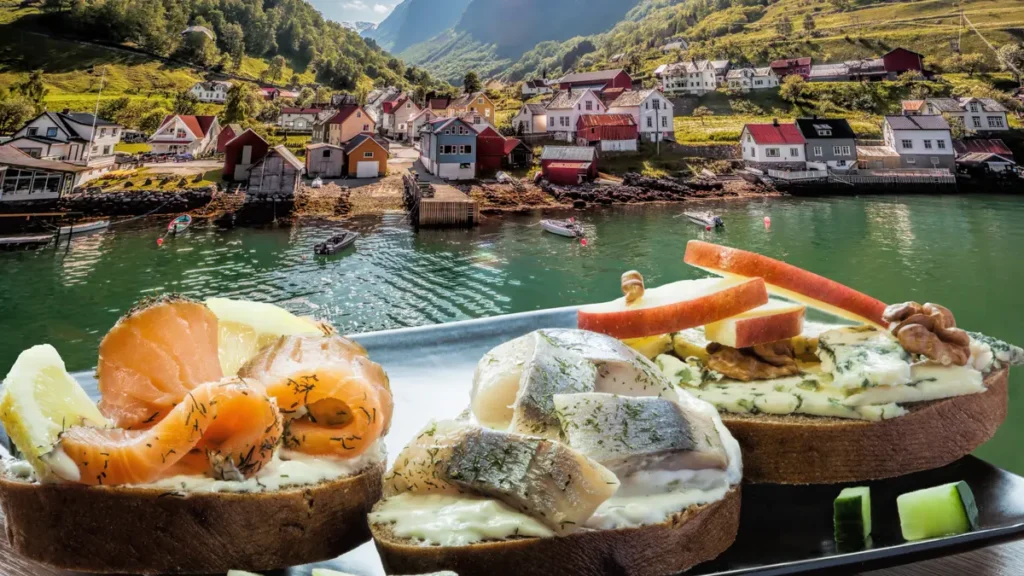
Norwegian food reflects a country shaped by the sea, farming and long traditions of preservation. Salmon may be internationally familiar, but stockfish has an especially deep connection with Norway’s coastal communities. Traditional dishes also include fårikål, a simple mutton and cabbage dish, and brunost, the distinctive brown whey cheese commonly eaten with bread, crispbread or waffles.
Coffee is an important part of everyday social life, while aquavit is more closely associated with traditional meals and celebrations.
One Norwegian idea visitors are likely to encounter is friluftsliv, usually translated as “open-air life.” It describes something broader than taking a hike on holiday: spending time outdoors is deeply embedded in Norwegian recreation and culture.
That relationship with the outdoors also comes with responsibility. Norway’s landscapes are places people live in and actively use, rather than simply scenery for visitors. Following local rules, respecting wildlife and leaving natural areas as you found them are important parts of travelling responsibly.
Yes – especially for travellers who value landscapes and memorable journeys more than a packed sightseeing checklist.
Norway’s main limitation is cost. Accommodation, restaurants and transport can require a larger budget than in many other European destinations, while reaching remote regions can consume a surprising amount of travel time. Weather can also interfere with carefully planned outdoor days.
That makes choosing the right region particularly important. For a first journey, western Norway makes sense when the fjords are the priority. Northern Norway offers a fundamentally different trip for travellers drawn to Arctic landscapes, the Northern Lights or the midnight sun. Oslo and Bergen can add urban culture without needing to turn the itinerary into a race around the country. Norway does not need to be seen all at once.
It rewards travellers who resist the temptation to try.
Norway’s fjord routes explore western inlets, while northern itineraries reach Arctic landscapes. Compare Geiranger, Flåm, Lofoten and Tromsø, including seasonal light, shore excursions and rules in protected fjords.