


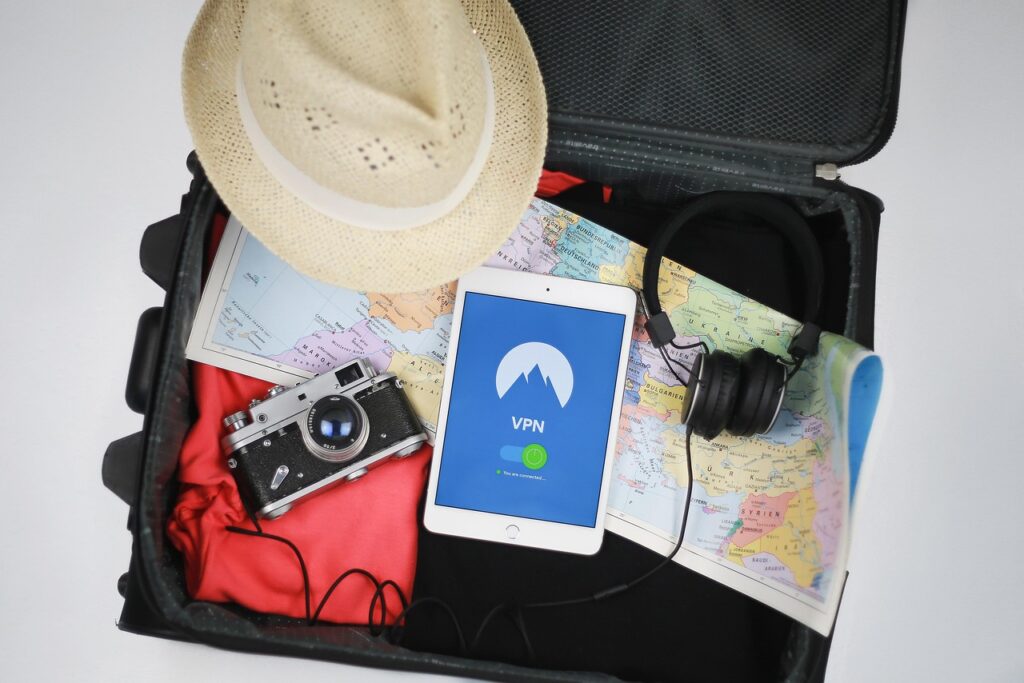

What We’ve Learned About Packing Less and Smarter

Packing used to feel like preparation for every possible scenario. Extra shoes “just in case,” clothing for hypothetical occasions, items duplicated out of fear rather than need. Over time—and many trips later—we learned a simple truth: most overpacking comes from anxiety, not experience. Learning to pack less and smarter didn’t happen overnight, but it has transformed the way we travel. Now, we focus on a “capsule” wardrobe—versatile pieces that layer easily and work for multiple settings. We realized that if we truly forget something, we can find it at our destination, often discovering a unique local shop in the process.

Embracing the carry-on-only lifestyle has been the ultimate game-changer. Skipping the baggage carousel saves time and physical energy, allowing us to navigate cobblestone streets or train stations with ease. We no longer travel as pack animals burdened by “what-ifs”; instead, we travel as explorers, carrying only what serves our joy and our comfort. 

More Items Don’t Equal More Readiness

One of the first lessons we learned is that carrying more does not make travel easier. It makes it heavier—physically and mentally. Managing bulky luggage adds friction at every step: airports, train stations, hotel rooms, taxis, and sidewalks. Each extra item quietly taxes energy and attention. When we began traveling with fewer belongings, movement became smoother. Decision-making simplified. Instead of managing possessions, we focused on the journey itself. Readiness, we learned, comes from adaptability—not volume.

Overpacking is often driven by hypothetical situations. What if it rains? What if there’s a formal dinner? What if something breaks? Experience taught us that most of these scenarios never materialize—and when they do, solutions are usually available locally.

Nearly every destination has shops, pharmacies, and services. Trusting this reality reduces the urge to prepare for every contingency. Packing smarter means accepting that travel involves improvisation—and that improvisation is rarely a problem.

Packing less means choosing better foundational items. Clothing that layers well, dries quickly, and works in multiple settings replaces single-purpose pieces. Neutral colors mix more easily. Comfortable footwear does more than extra outfits ever could. We learned to prioritize items that serve multiple roles. A lightweight jacket that works for city walks and cooler evenings. Shoes that handle both sightseeing and casual dining. Fewer items, chosen intentionally, outperform crowded suitcases every time.

Early on, we worried about wearing the same items repeatedly. Over time, we realized that no one notices—and no one cares. For us, travel isn’t a fashion show; it’s a lived experience. Repeating outfits reduces decisions and simplifies mornings. It also highlights which items truly work and which don’t. Packing smarter means letting go of the idea that variety equals value.

  • Laundry Is a Strategy, Not an Inconvenience

    Once we embraced lighter packing, laundry stopped feeling like a burden and started feeling like a tool. Whether through hotel services, laundromats, or quick sink washes, refreshing clothing allows longer trips with fewer items.

    Planning for occasional laundry frees you from carrying excess. It also creates natural pauses in travel—moments to rest, reset, and slow down. Packing smarter often aligns naturally with traveling slower.

Carrying less impacts posture, balance, and endurance—especially as we get older. Heavy bags strain joints, complicate stairs, and reduce mobility. We learned that lighter luggage preserves energy for what actually matters: exploring, observing, and enjoying.

The physical freedom of lighter packing changes how you move through spaces. Stairs feel manageable. Transfers feel calmer. Arrival feels less like recovery and more like continuation.

There’s also a psychological benefit to packing less, which is easy to underestimate. Fewer items mean fewer things to track, lose, or worry about. Packing and unpacking become quick. Hotel rooms feel more livable. Departures are calmer. This simplicity carries over into the travel mindset. When you’re not managing clutter, your attention opens outward. Travel becomes more about presence and less about logistics.

Packing smarter also improves accessibility. Lighter bags are easier to lift, maneuver, and manage in tight spaces. This matters not only for travelers with mobility considerations but for anyone navigating uneven terrain, public transport, or historic buildings. Choosing bags with good wheels, balanced weight distribution, and manageable size supports independence and confidence. Accessibility is not only about destinations—it’s about how you arrive there.

Letting Go of Perfection

Perhaps the hardest lesson was accepting that packing perfectly is impossible. There will always be something you don’t use and something you wish you’d brought. Smarter packing isn’t about eliminating regret—it’s about minimizing it.

Each trip teaches you more about your habits, preferences, and real needs. Packing becomes iterative. Experience replaces guesswork.

Ultimately, packing less and smarter reflects a broader shift in how we travel. It aligns with intentional movement, thoughtful choices, and respect for our own limits. It’s not about deprivation—it’s about clarity.

We’ve learned that the lighter our bags become, the richer our travel feels. When possessions stop demanding attention, experiences step forward. And that, more than any packing list, is what makes a journey memorable.

Related posts

The World’s Most Legendary Luxury Train

Orient Express offers a once-in-a-lifetime experience where the romance of pre-war Europe truly comes to life. The unparalleled gastronomy, private steward service, and breathtaking landscapes transform the journey into an unforgettable adventure that goes far beyond mere transportation.


Read More »

Journey Through the Nile

A Nile cruise is the ultimate journey of “slow travel,” offering a serene rhythm where the ancient landscape unfolds slowly, punctuated by spectacular archaeological stops. In 2026, enhanced visitor facilities and digital guides at major sites make these ancient wonders more accessible than ever before.

Read More »

A Wheelchair User’s Guide to Italy

Traveling in a wheelchair in Italy is an achievable and rewarding experience. While ancient cobblestones present hurdles, modernized transport like the Trenitalia Sala Blu service offers seamless inter-city travel. Major attractions in Rome and Milan are increasingly accessible, proving that with prior planning, Italy’s beauty can be enjoyed by everyone.

Read More »
Scroll to Top