Rome's Historic Center: A Timeless Journey Through the Eternal City

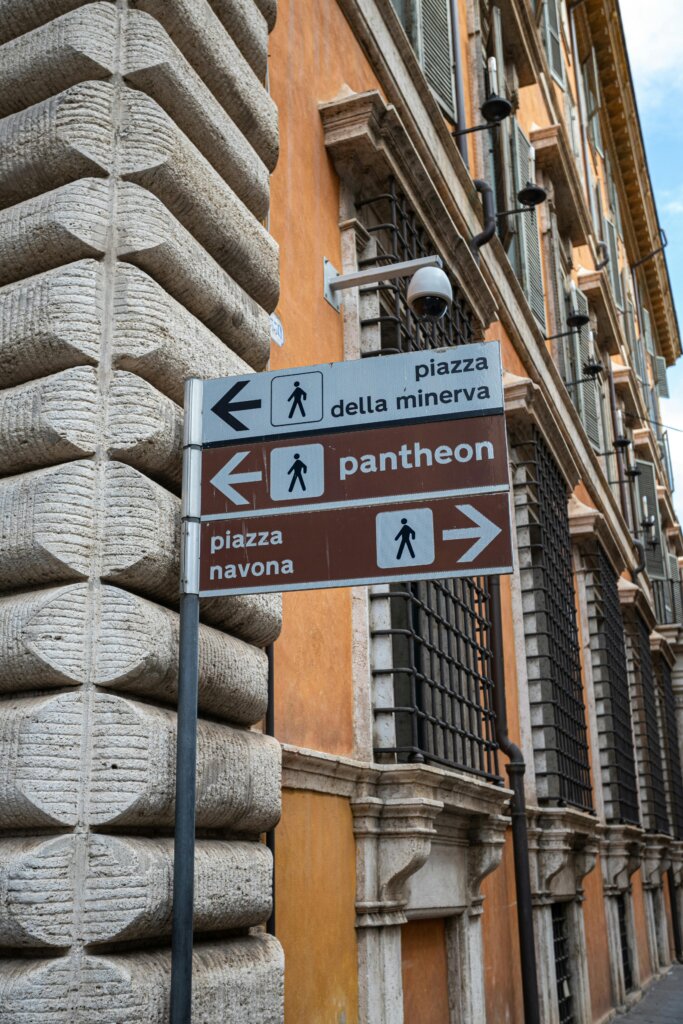
Welcome to the Centro Storico, where the past isn’t just displayed in museums; it’s the very foundation beneath your feet. Rome’s historic center, a UNESCO World Heritage site, is a living, breathing testament to millennia of art, architecture, and human drama. From the legendary founding by Romulus and Remus in 753 BC to its reign as the heart of a vast empire and the capital of the Christian world, the “Eternal City” has influenced art, culture, and governance across the globe. Strolling through its peach, pink, and terracotta-hued buildings and winding streets, you’ll feel like a character in a classic film, walking in the footsteps of emperors, popes, and artists.


The Five Essential Wonders

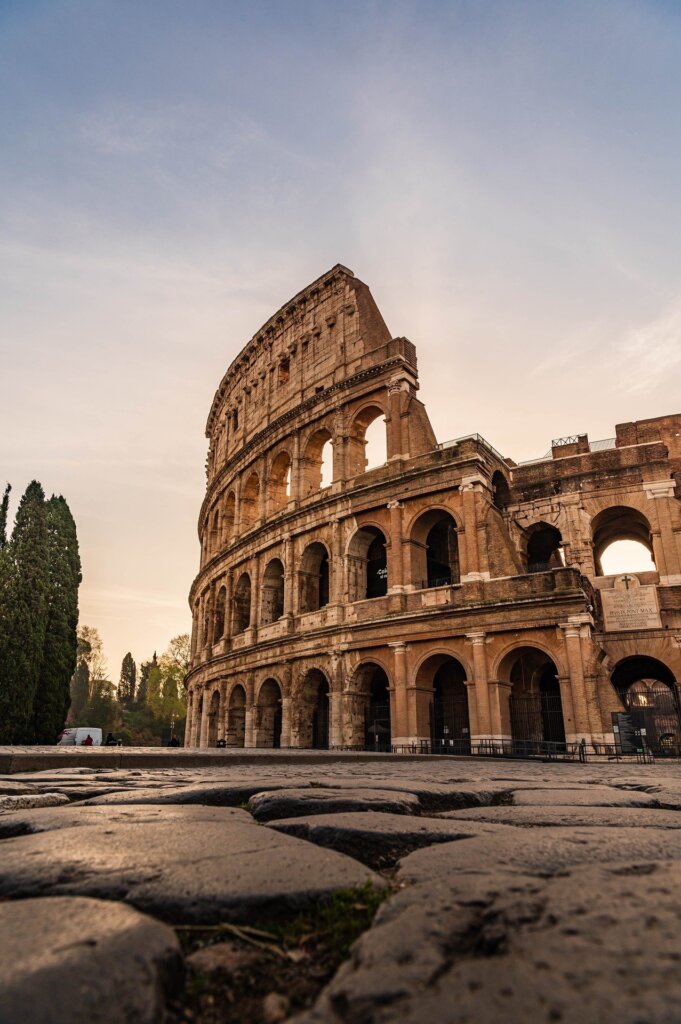
1. The Colosseum & Roman Forum/Palatine Hill
The iconic symbol of Imperial Rome. The Colosseum, the largest ancient amphitheater ever built, hosted gladiatorial contests and public spectacles. Adjacent lies the Roman Forum, the bustling ancient heart of the city where commerce, politics, and religion intertwined, and the Palatine Hill, where Rome’s founders are fabled to have lived. Entry Fee (2026):A standard 24-hour ticket for all three sites is around €18 (includes a mandatory €2 online booking fee). Free entry for those under 18.

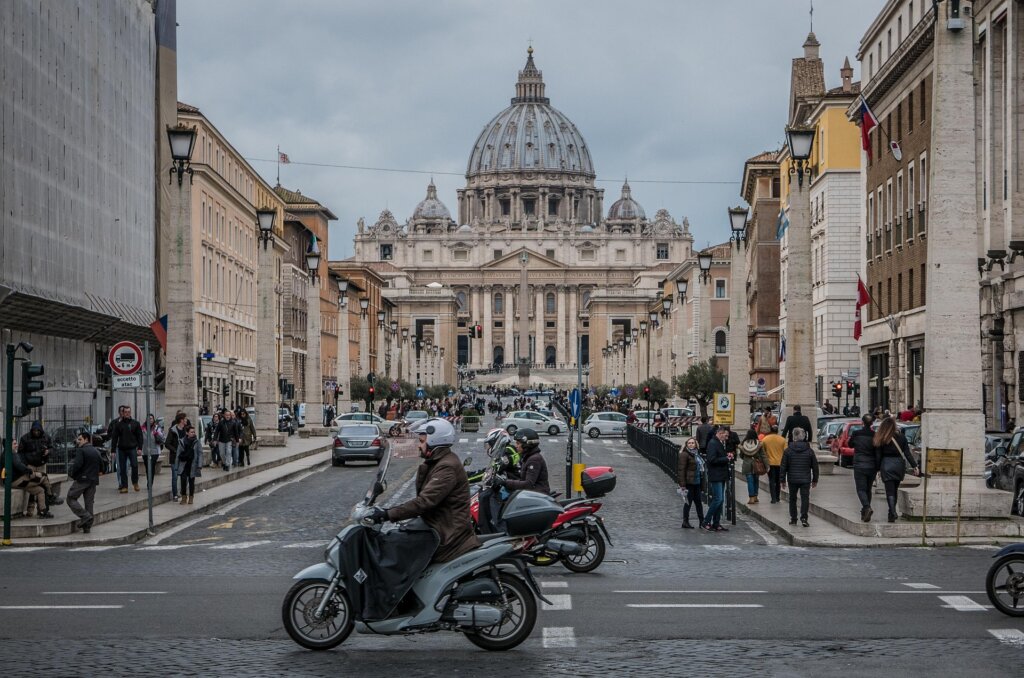
2. The Vatican Museums & Sistine Chapel
Home to one of the world’s greatest art collections, the Vatican Museums lead you through galleries of maps and tapestries before culminating in Michelangelo’s masterpiece, the Sistine Chapel ceiling.  The intricate ciphers and secret passageways in Dan Brown’s book,  Angels & Demons bring the Vatican’s history to life. 

Entry Fee (2026):Full entry is €20 at the door, but €25 with a “skip-the-line” online reservation (highly recommended to avoid long queues).

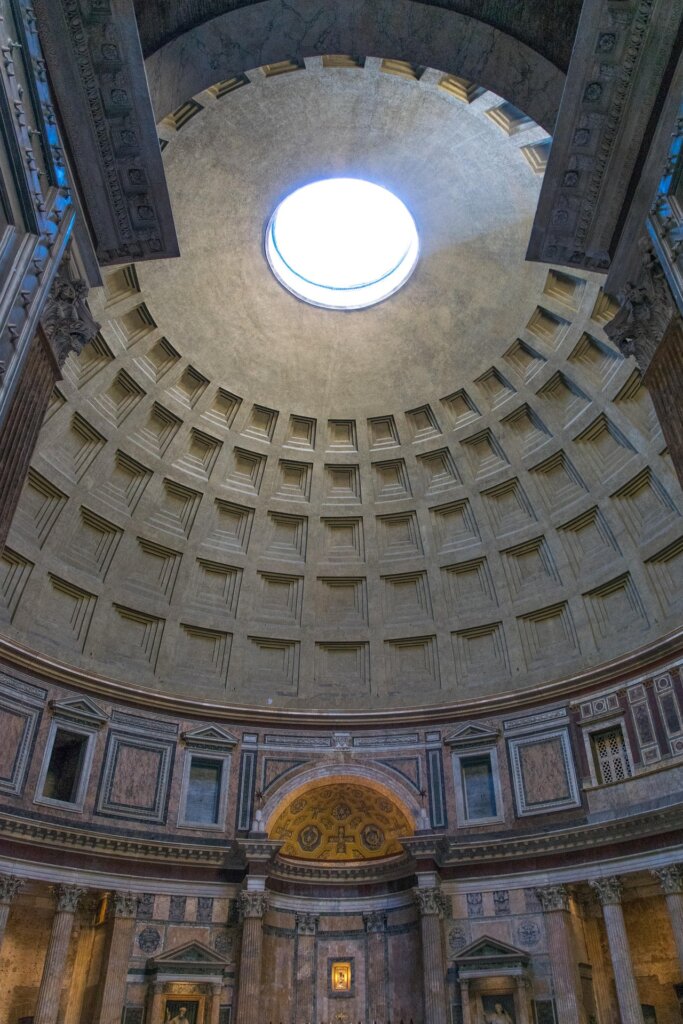
3. The Pantheon
The best-preserved monument of Ancient Rome. Originally a temple to all gods, its magnificent dome with the central oculus remains an engineering marvel. It is now a basilica housing tombs of Italian kings and the painter Raphael. Funny Fact: The oculus is the Pantheon’s only source of natural light—and rain! There are small drains on the floor to manage the weather.

Entry Fee (2026): As of early 2026, general admission is still often free, but check local updates as a small fee may be introduced.

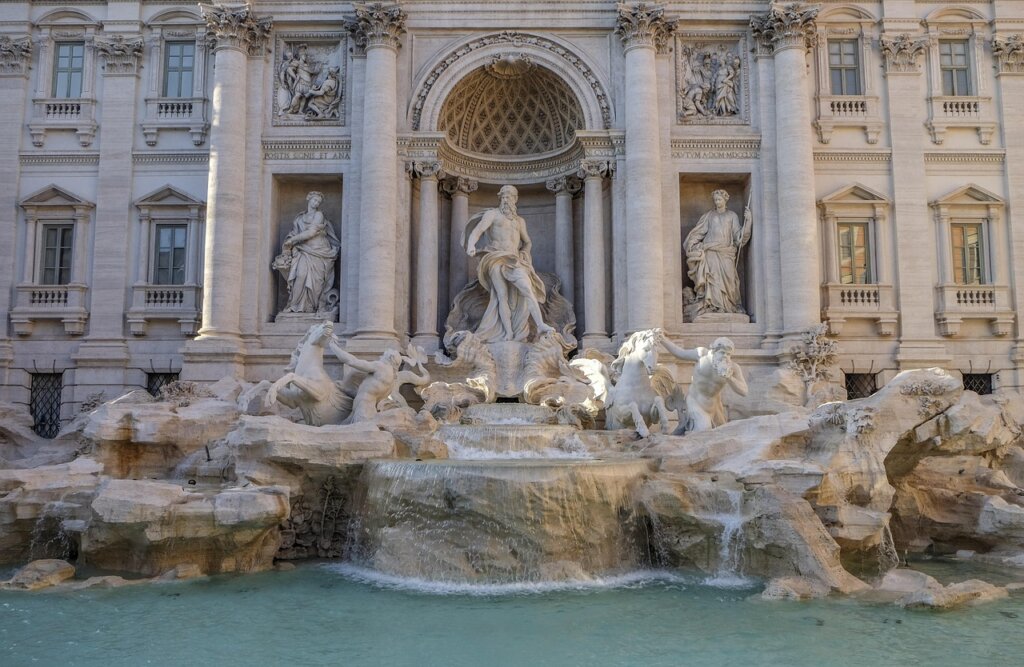
4. The Trevi Fountain
The most monumental and famous fountain in the world, a Baroque masterpiece that dominates its small piazza. The iconic scene in Federico Fellini’s La Dolce Vita, where Anita Ekberg wades into the fountain’s waters, cemented its place in pop culture.

Funny Tradition: Throw a coin over your shoulder into the fountain: one coin guarantees your return to Rome, two coins mean a new romance, and three coins guarantee marriage! The city collects the thousands of euros tossed in daily and donates them to charity.

5. The Spanish Steps (Piazza di Spagna)
The monumental staircase of 135 steps linking the Piazza di Spagna with the Trinità dei Monti church at the top. It’s a prime spot for a classic Roman moment, though sitting on the steps has been officially banned since 2019 to preserve them.

Getting Around Rome: La Dolce Via

The beauty of Rome’s historic center (Centro Storico) is that most key sites are within walking distance of each other. The 2.5km distance between the Colosseum and the Spanish Steps is easily manageable on foot.

For longer distances, Rome’s public transport (ATAC) system is efficient. Children under 10 travel for free on public transport when accompanied by an adult.

  • Single Ticket (BIT): €1.50, valid for 100 minutes and one metro ride.
  • 24-Hour Pass: €8.50.
  • 48-Hour Pass: €15.00.
  • 72-Hour Pass: €22.00.
  • Metro: Lines A, B, and C connect major areas.
  • Buses/Trams: Extensive network, but traffic can cause delays. Remember to stamp your ticket on the bus/tram!
Traveler’s Tip: 
Rome is a “living museum” that continues to offer an unforgettable experience, where 2,000 years of history meet a vibrant, modern lifestyle. To truly enjoy the city, it is worth starting the day early at the Colosseum or the Vatican Museums to avoid the crowds, and in the afternoon, getting lost in the winding alleys of Trastevere.
The ideal times are spring (April-May) and autumn (September-October). During these seasons, the weather is pleasantly warm, perfect for walking tours, and you can avoid the peak summer crowds and heat.
The Roman experience should be savored slowly: sip an espresso while standing at a local bar, or enjoy a gelato by the Trevi Fountain at night. Accessibility has improved significantly, with more pedestrianized zones around the Pantheon. Whether you are indulging in authentic carbonara at a hidden trattoria or marveling at Baroque fountains, Rome’s timeless charm remains unparalleled in Europe.

Related posts

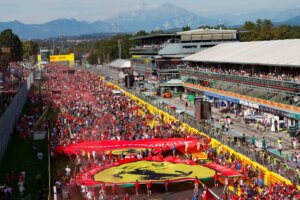
Temple of Speed Monza

The Autodromo Nazionale Monza is one of the most hallowed venues in motorsport, home to the Italian Grand Prix and often referred to as the “Temple of Speed” (Tempio della Velocità). The circuit tour allows fans to literally follow in the footsteps of legends.

Read More »

The Raging Bull’s Den

Experience the pinnacle of Italian engineering at the Lamborghini Factory in Sant’Agata Bolognese. This 45-minute guided tour offers a rare look at assembly lines where expert craftsmen hand-build supercars like the Revuelto and Urus. Combine your visit with the Automobili Lamborghini Museum to explore decades of iconic design.

Read More »

A Wheelchair User’s Guide to Italy

Traveling in a wheelchair in Italy is an achievable and rewarding experience. While ancient cobblestones present hurdles, modernized transport like the Trenitalia Sala Blu service offers seamless inter-city travel. Major attractions in Rome and Milan are increasingly accessible, proving that with prior planning, Italy’s beauty can be enjoyed by everyone.

Read More »

La Scala del Calcio

The official San Siro Stadium Tour in Milan offers exclusive access to the hallowed grounds of AC Milan and Inter Milan. Visitors explore the players’ changing rooms, the mixed zone, and walk through the legendary tunnel onto the pitch. The tour also includes the fascinating inter-club museum, displaying iconic memorabilia and trophies.

Read More »
Scroll to Top