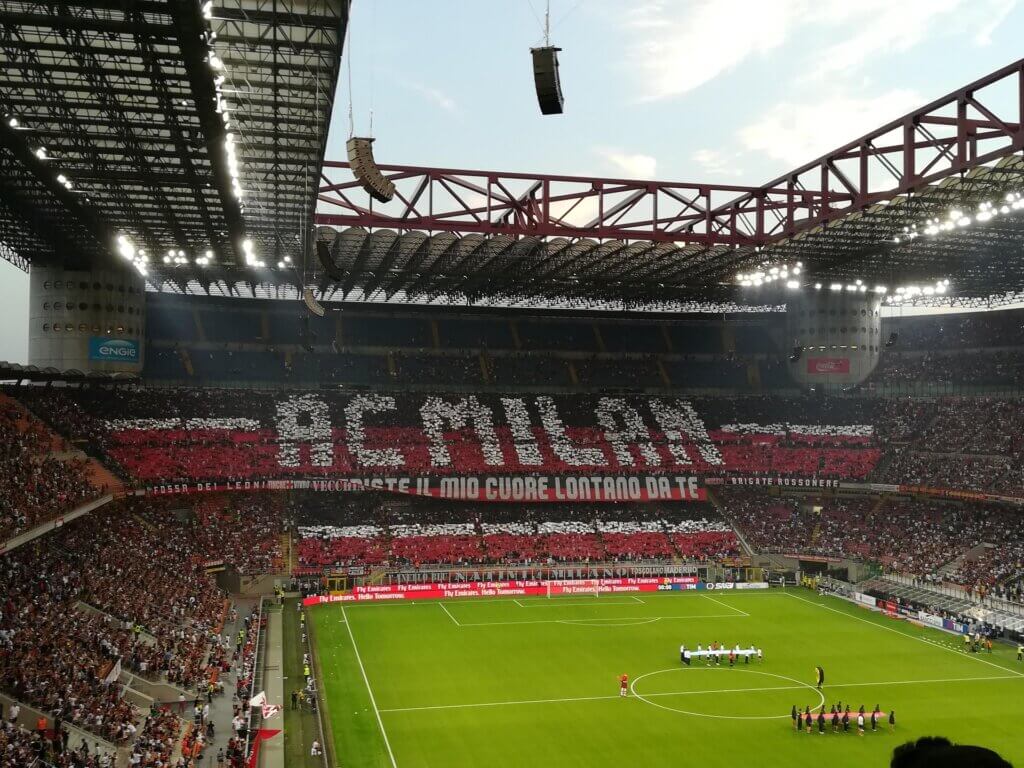
AC Milan supporters inside San Siro Stadium during a match

San Siro Stadium Tour: Inside Milan’s “La Scala del Calcio”

Few football stadiums are as instantly recognisable as San Siro. Officially named Stadio Giuseppe Meazza, the vast concrete structure in western Milan has been home to both AC Milan and Inter Milan for generations and has hosted some of European football’s most memorable matches. But San Siro is more than a match-day venue. Visitors can explore parts of the stadium through the Museum & Tour, discover the history of its two resident clubs and, with the introduction of the San Siro Skywalk, experience the building from an entirely new perspective. San Siro is also entering a period of change, making this an especially interesting time to explore one of Europe’s most distinctive football landmarks.

Why Is San Siro Called “La Scala del Calcio”?

San Siro is often described as “La Scala del Calcio” — the Scala of Football.

The nickname draws a comparison with Milan’s celebrated Teatro alla Scala, one of the world’s best-known opera houses. In football terms, San Siro has similarly become a stage on which generations of exceptional players and teams have performed.

The comparison is particularly fitting because the stadium’s history extends far beyond the domestic matches of Milan and Inter. World Cup games, European Cup and Champions League finals, international fixtures and major club encounters have all contributed to its reputation.

It is the combination of architecture, atmosphere and sporting history that has made the nickname endure. For many supporters, San Siro is not simply another large stadium but one of the symbolic homes of European football.


Two Clubs and a Century of Football History

AC Milan began playing at San Siro when the stadium opened in 1926. Inter moved there in 1947, creating the shared home that has become one of the ground’s defining characteristics.

The stadium was officially renamed Stadio Giuseppe Meazza in 1980 in honour of the great Italian forward who represented both clubs, although the name San Siro remains familiar around the world.

The ground has witnessed generations of celebrated players, including Franco Baresi, Paolo Maldini, Javier Zanetti, Ronaldo, Kaká and Zlatan Ibrahimović. Ibrahimović has an unusual connection with San Siro because he represented both Inter and Milan during different stages of his career, eventually ending his playing career with Milan in 2023.

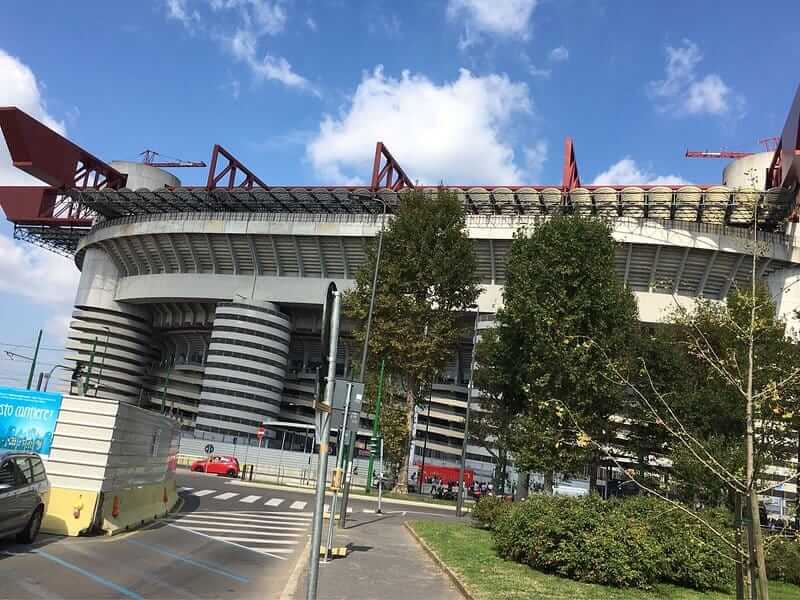
The building itself has also changed dramatically. Successive expansions transformed the relatively modest original stadium into the enormous structure seen today. Preparations for the 1990 FIFA World Cup brought some of its most recognisable features: the third tier, huge cylindrical access towers and the roof supported by distinctive red steel girders.

Together with the external spiral ramps, these additions created one of the most instantly recognisable silhouettes in world football.

For another Italian venue where sporting history and distinctive architecture come together, see our Monza Circuit Tour.

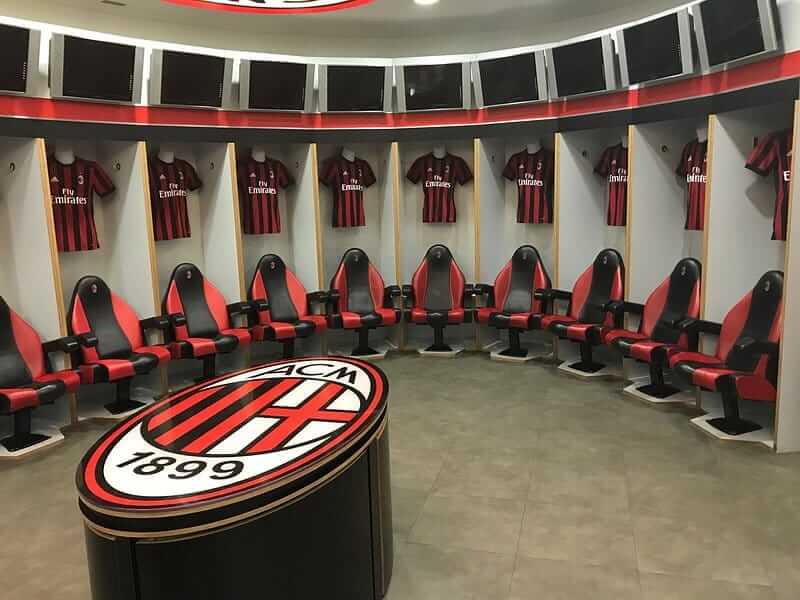
AC Milan dressing room at San Siro Stadium

What Do You See on the San Siro Stadium Tour?

The official Museum & Tour provides access to areas of San Siro that ordinary spectators do not normally see during a match.

The guided route takes visitors through the dressing rooms used by AC Milan and Inter Milan, the mixed zone and the players’ tunnel before reaching the pitchside area and benches. The stadium portion of the experience, together with the museum, takes approximately 60 minutes.

One of the most memorable parts of the visit is simply moving through spaces used by generations of players. San Siro’s steep stands and distinctive architecture feel very different when the stadium is relatively quiet.

However, San Siro remains an operational stadium. Matches, concerts and other events can affect opening hours and the areas included in the visit, sometimes at short notice. Check the official San Siro opening calendar before travelling.

If stadium tours are a major part of your travels, our La Bombonera Stadium Tour offers a very different look at the relationship between a famous football ground, its club and the surrounding neighbourhood.

San Siro Museum

The museum forms part of the standard Museum & Tour and tells the story of the stadium and the two clubs that share it.

The collection includes historic memorabilia, reproductions, models and interactive displays connected with AC Milan, Inter Milan and the history of San Siro. Large video installations add another dimension to the exhibition and help place the stadium within the wider story of Italian and European football.

The museum is more than a waiting area before entering the stadium. It provides the historical context that makes the dressing rooms, tunnel and pitchside sections of the tour more meaningful.

Current Museum & Tour availability and booking information can be found on the official San Siro ticket site.

San Siro Skywalk

Introduced in May 2026, the San Siro Skywalk opens a part of the stadium that had never previously been available as a regular visitor experience: its famous roof. Visitors travel up through one of the stadium’s towers before reaching technical walkways approximately 55 metres above the ground. Accompanied by a guide, they can walk along the structure above the stands and pitch, with panoramic views across Milan and, in clear conditions, towards the Alps. The Skywalk takes approximately 30 minutes and can be booked independently or combined with the Museum & Tour. Closed shoes with rubber soles are required, and access is subject to specific safety and physical requirements. Full details are available on the official San Siro Skywalk page

The Future of San Siro

San Siro is entering another important period in its history.

In November 2025, AC Milan and Inter completed the acquisition of the Giuseppe Meazza stadium and the surrounding San Siro area from the City of Milan. The clubs are pursuing a new stadium and wider urban regeneration project, with Foster + Partners and MANICA appointed to work on the new venue.

The project means significant change is coming to the area, but visitors should be cautious about treating speculative demolition dates as fixed facts. Large stadium and urban redevelopment projects develop over years, and the precise future of the existing structure forms part of a broader process. For current information about the project, see Inter’s official announcement on the acquisition of San Siro and the surrounding area.

For visitors today, the important point is simpler: San Siro remains an active football stadium and visitor attraction, but it is now entering a transitional chapter in its century-long history.


Accessibility at San Siro

The Museum & Tour is more accessible than the age and scale of the stadium might suggest.

The museum has an access ramp, a lift to the upper floor and seating areas along the route. The stadium tour itself includes some stairs, but dedicated routes are available for wheelchair users to reach the areas included in the tour.

Visitors who require assistance should check the current arrangements when booking. The official ticket information also notes that reduced or complimentary admission arrangements may apply to disabled visitors and accompanying carers, depending on the assistance required.

The Skywalk is different. Because of the technical characteristics of its elevated walkways, it is not accessible to visitors with reduced mobility, including temporary mobility limitations. Additional restrictions apply for safety reasons.

Current accessibility details are listed in the FAQ section of the official San Siro Museum & Tour ticket page.

Getting to San Siro

San Siro lies west of central Milan and is straightforward to reach by public transport. The most convenient option for most visitors is Metro Line M5, which stops at San Siro Stadio immediately beside the stadium. Tram 16 and bus 49 also serve the stadium area. Driving is possible and parking is available, but it is rarely necessary for visitors staying in central Milan. Traffic and access arrangements can change considerably when matches or other major events are taking place.

Planning Your Visit

The stadium’s event calendar should be one of the first things you check when choosing a date. The Museum & Tour normally operates throughout the year, but matches, concerts and other events can alter opening hours and access. 

Advance booking is sensible, particularly during busy periods.  If you want to experience the standard route with fewer event-related restrictions, a non-match day is generally the best choice.

Is the San Siro Stadium Tour Worth It?

For football fans, San Siro is one of Milan’s most distinctive attractions.

The tour is particularly worthwhile for visitors interested in AC Milan, Inter Milan or European football history, but its appeal goes beyond club allegiance. Its unusual architecture, shared history and sheer scale make the stadium interesting to explore in its own right.

The Museum & Tour provides access to the traditional football spaces inside San Siro, while the newer Skywalk offers a completely different perspective from high above the stands.

Most importantly, San Siro is still a working football stadium rather than a monument preserved purely for visitors. Access can therefore vary, but the history explored on the tour is still being written.

With the surrounding site entering a new era, this is an especially interesting time to experience one of European football’s most distinctive stadiums.

Exterior of San Siro Stadium in Milan with its spiral access towers

Related posts

Bayer Leverkusen fan inside the BayArena stadium

BayArena Stadium Tour

A behind-the-scenes tour takes you inside Bayer Leverkusen’s BayArena. Visit areas such as the players’ tunnel, pitchside, press conference room and VIP sections while discovering the character of one of Germany’s most compact modern football grounds. You’ll also find tips for planning your visit well in advance.

Read More »
Exterior of Wembley Stadium with its iconic arch

Wembley Stadium Tour

Step inside Wembley Stadium, one of Britain’s most recognisable sporting landmarks. Visit the England dressing room, players’ tunnel, pitchside areas and Royal Box while discovering the history behind this iconic venue. From its famous arch to unforgettable football moments, the tour offers a fascinating look behind the scenes.

Read More »
Al Nassr supporters during a night match at Al-Awwal Park in Riyadh

The Ultimate Al Nassr Stadium Tour

Al-Awwal Park in Riyadh is Al Nassr’s home ground and one of Saudi Arabia’s best-known football venues. The stadium tour offers a behind-the-scenes look at areas such as the players’ tunnel, dressing room and press conference facilities. It also provides an interesting glimpse into the rapidly developing football culture of Saudi Arabia.

Read More »
Exterior of Old Trafford with Manchester United signage

Old Trafford Stadion Tour

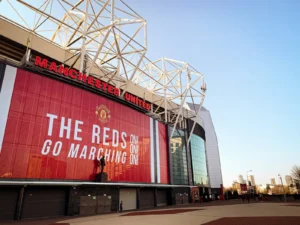
At Old Trafford, a guided tour and the Manchester United Museum take you beyond matchday. Walk through areas including the dressing room, players’ tunnel and dugouts, discover the club’s history, and find practical information on accessibility, transport and planning your visit to Manchester’s famous football ground.

Read More »

Liverpool’s Legendary Stadium

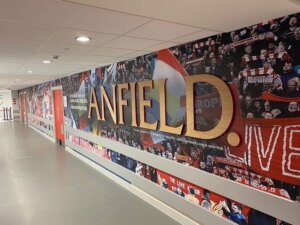
Anfield’s tour and museum bring Liverpool FC’s history into focus. Discover the dressing room, players’ tunnel, famous This Is Anfield sign and pitchside areas, while learning about the club’s history and traditions. Our guide also covers matchday tours, accessibility, transport and practical tips for planning your visit.

Read More »
Blue and yellow Boca Juniors mural featuring Diego Maradona inside the club museum

The La Bombonera Stadium Tour

Discover one of South America’s most distinctive football stadiums in the heart of Buenos Aires. A visit to La Bombonera introduces you to Boca Juniors, the club’s history and the intense football culture of the La Boca neighborhood. The stadium’s steep stands and compact design make it an experience unlike almost any other ground.

Read More »
Scroll to Top