
The Great Concrete Sentinel: A Visitor’s Guide to the Hoover Dam

In 1955, the American Society of Civil Engineers (ASCE) embarked on a mission to identify the pinnacle of human ingenuity on American soil. They sought projects that did more than move earth or pour concrete; they looked for milestones that fundamentally altered the trajectory of the nation. These “Seven Modern Civil Engineering Wonders” represent a golden age of infrastructure—a period when the impossible became routine, and the landscape of a continent was reshaped to serve the needs of a growing superpower.

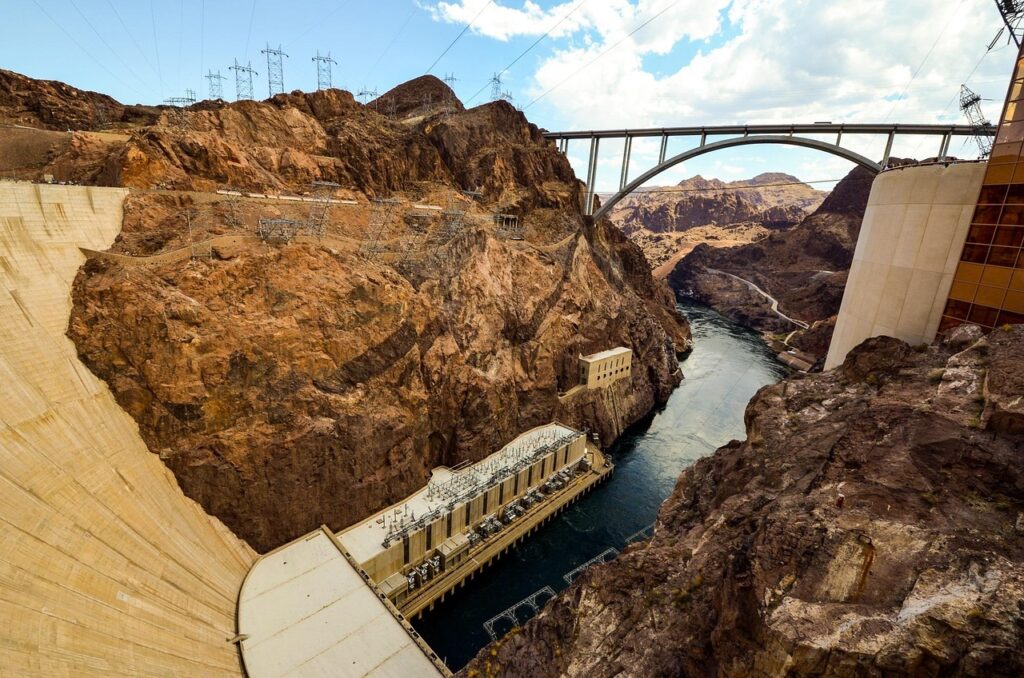
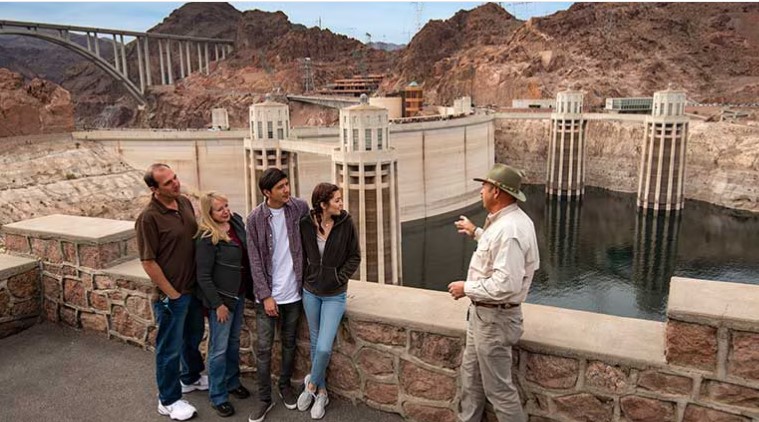
One of these Civil Engineering Wonders is the Hoover Dam, which remains one of the most iconic tourist destinations in the United States. Completed in 1936 during the depths of the Great Depression, the Hoover Dam was built to tame the volatile Colorado River, providing much-needed irrigation water and hydroelectric power to the burgeoning American Southwest. For the modern tourist, the dam is more than just a functional utility; it is a “shrine to the impossible.” The sheer scale of the structure—containing 3.25 million cubic yards of concrete—is difficult to comprehend until you are standing on its crest, looking down 726 feet to the river below. Straddling the rugged Black Canyon on the border between Nevada and Arizona, this Art Deco masterpiece was once the tallest dam in the world. Today, it attracts over seven million visitors annually, offering a unique blend of historical education, architectural beauty, and breathtaking natural vistas.

The “Must-See” Highlights

Beyond the official tours, two locations are essential for every visitor:

  • The Mike O’Callaghan–Pat Tillman Memorial Bridge: This bypass bridge sits 900 feet above the river. It features a pedestrian walkway that offers the famous “postcard view” of the Hoover Dam. It is free to access and located just a short drive from the dam’s main entrance.
  • The Winged Figures of the Republic: These 30-foot tall bronze statues on the Nevada side are masterpieces of Art Deco design. Legend has it that rubbing the statues’ feet brings good luck—a tradition evidenced by the polished, shining bronze on their toes.
Accessibility and Getting There

The Hoover Dam is located approximately 30 miles (45 kilometers) southeast of Las Vegas, making it the perfect day trip for those staying on the Strip.

  • By Car: The drive from Las Vegas takes about 45 to 60 minutes via I-11 South. The journey is straightforward and scenic as you transition from the neon lights of the city to the red rocks of the Mojave Desert.
  • Parking: There is a large parking garage on the Nevada side (closest to the Visitor Center) which costs $10. For those on a budget, there are some free parking lots further up the hill on the Arizona side, though these require a longer walk to the dam.
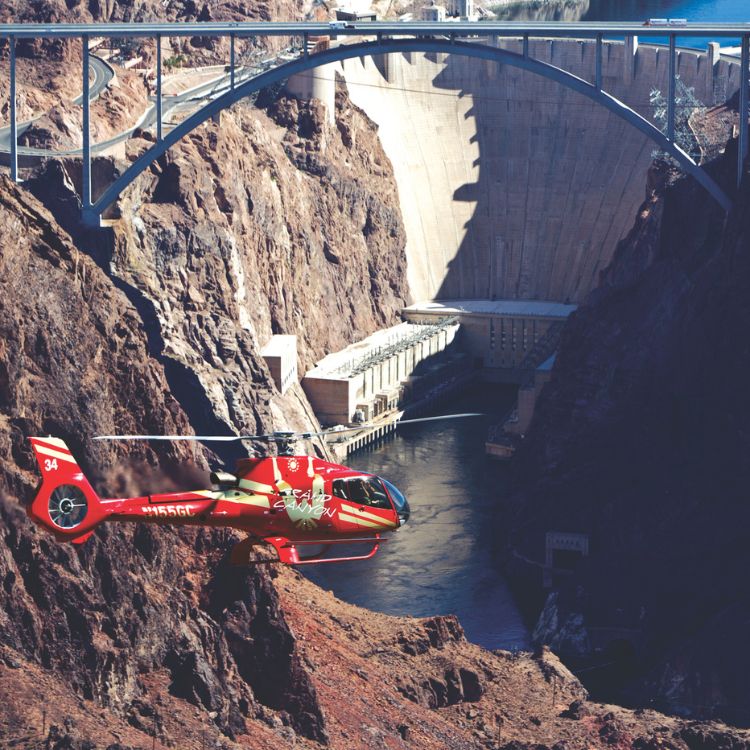
  • Tours from Las Vegas: Numerous tour operators offer bus, van, and even helicopter excursions from Las Vegas. These are excellent options for those who prefer not to drive, as they often include narrated history and stops at the Boulder City historic district.
Choosing Your Experience: Tours and Tickets

The Bureau of Reclamation offers three distinct ways to experience the dam. It is important to note that security is strict; all visitors must pass through a vehicle inspection checkpoint before reaching the dam.

  1. The Visitor Center ($10): This is the basic entry. It includes access to the narrated 3D model of the region’s water system, historical exhibits, and the observation deck. The deck provides the best vantage point for photographs of the dam and Lake Mead.
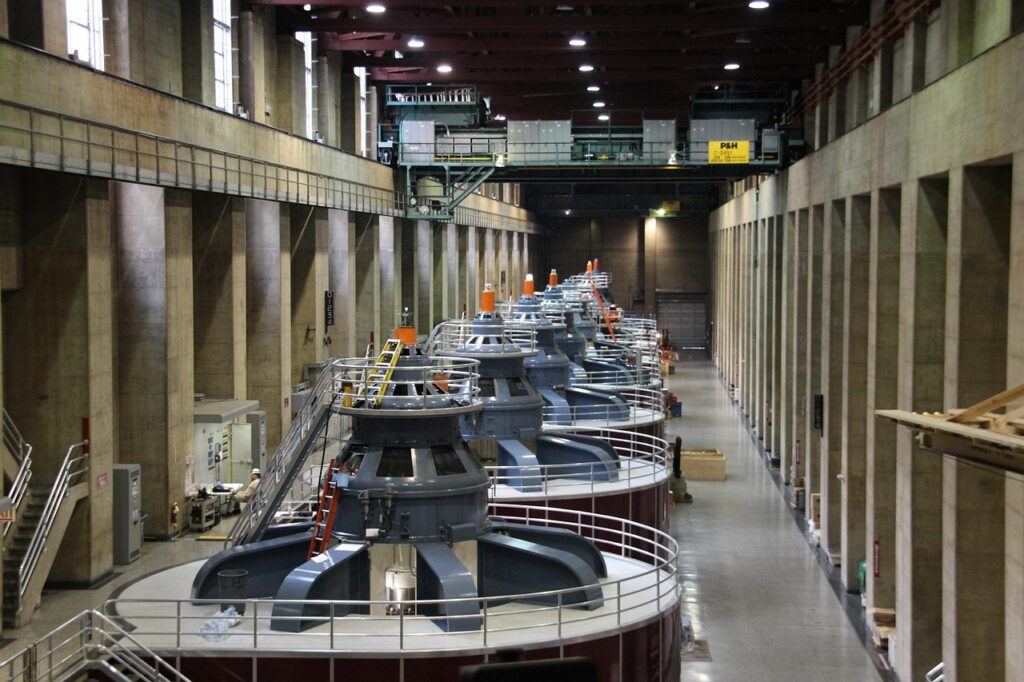
  2. The Guided Powerplant Tour ($15): This is the most popular choice. It includes the Visitor Center plus a trip down a 530-foot elevator into the canyon wall to see the massive generators. Walking through the original construction tunnels is a highlight for any history buff.
  3. The Guided Dam Tour ($30): This is the “Full Experience.” It includes everything in the Powerplant tour plus a guided walk through the internal inspection tunnels and ventilation shafts of the dam itself. Crucial Tip: These tickets are sold on-site only on a first-come, first-served basis and often sell out by 10:30 AM.
Best Time to Visit

Timing is everything when visiting the Mojave Desert.

  • Season: The best months are October through April. During the summer (June–August), temperatures at the dam frequently exceed 105°F (40°C). If you visit in summer, stay hydrated and limit your time outdoors.
  • Time of Day: Arrive early! The Visitor Center opens at 9:00 AM. Arriving by 8:30 AM ensures you get a parking spot in the garage and a chance to buy the coveted “Full Dam Tour” tickets.
  • The “Magic Hour”: The late afternoon light hitting the canyon walls is spectacular for photography, but remember that the last tour usually departs around 3:45 PM.
Practical Tips for Tourists
  • Security Restrictions: No large bags, backpacks, or luggage are allowed on tours. Leave these in your hotel or car.
  • Dress Code: Wear comfortable walking shoes. Even if you take the elevator, you will be doing a significant amount of walking on concrete surfaces.
  • Water and Food: There is a café on-site (The High Scaler Cafe), but prices are high. Bringing your own water bottle is highly recommended.
  • Time Zones: The dam is on the border of Nevada (Pacific Time) and Arizona (Mountain Standard Time). Arizona does not observe Daylight Saving Time, so the time may change as you walk across the dam depending on the month!

Related posts

Circuit of the Americas

For travelers who value engineering, atmosphere, and storytelling, a visit to the Circuit of the Americas is a highlight worth planning around. Whether you explore it through guided tours, VIP access, or immersive fan zones, COTA offers a rare opportunity to step inside the world of top-tier motorsport. It is truly an unforgettable Texan experience.

Read More »

The Last Frontier: Alaskan Cruises

An Alaskan cruise is a seamless way to explore a rugged wilderness that is otherwise difficult to access. By choosing a 7-day itinerary, packing the right waterproof layers, and budgeting for a balcony, you ensure a comfortable and awe-inspiring adventure through the majestic North. Bon voyage!

Read More »

The Ultimate American Road Trip

Route 66 is not about speed, it’s about the journey. It offers a rare opportunity to experience classic Americana, from friendly roadside cafes to vast desert landscapes and timeless small towns. It’s more than a highway—it’s a story that unfolds mile by mile.

Read More »

Journey to One of the World’s Wonders

The Grand Canyon Railway is more than just transportation—it’s a journey through history and nature to one of the world’s greatest natural wonders. From the historic Route 66 town of Williams to the breathtaking South Rim, passengers experience scenic beauty, comfort, and a touch of nostalgia. Is is an unforgettable and must-do experience!

Read More »

California on Wheels

In 2026, California remains a global leader in accessible travel. Thanks to strict ADA standards, iconic sites like the Golden Gate Bridge and Yosemite’s paved trails are fully reachable. With beach wheelchairs available along the coast, the Golden State ensures that every traveler can experience its legendary landscapes without limits. Enjoy the ride!

Read More »
Scroll to Top