
The Art of the Slow Down: What Travel Looks Like After 50

Back in the day, we didn’t just travel—we conquered. Success was a passport full of stamps and a schedule so tight there was barely time to breathe. But somewhere along the line, that frantic pace lost its charm. We realized that rushing through the world wasn’t the same as actually seeing it. Now that we’re on the other side of 50, we’ve embraced a new philosophy: traveling slower isn’t about doing less; it’s about finally having the time to let a place get under your skin.

Depth over distance

We stopped treating cities like a grocery list. Instead of trying to see three countries in a week, we stay put. There is a quiet magic in waking up in the same neighborhood for five days straight. You start to recognize the barista at the corner, you find the “good” bench in the park, and the streets start to feel like they belong to you. It’s in these slow, unplanned moments—a long chat with a local artisan or a second glass of wine while people-watching—where the real memories are made.

Energy as a currency

Let’s be honest: we don’t have the same bottomless energy we had at twenty, and that’s actually a blessing. It forced us to stop fighting our clocks and start listening to them. We’ve traded “marathon days” for “breathing room.” A morning exploring a gallery, a long, lazy lunch, and an afternoon where the only plan is to see where a side street leads. When you stop treating travel as an endurance test, everything feels lighter.

Comfort Is Not a Luxury—It’s a Strategy

Another important realization: comfort directly affects the quality of travel. Choosing accommodation closer to where you plan to spend time, prioritizing walkability, reliable transportation, and quiet at night can transform an entire trip.

Slower travel encourages better decisions. Instead of changing hotels every night, staying put for several days reduces packing, unpacking, and mental overload. Familiar surroundings bring a sense of ease that makes exploration more enjoyable. Comfort isn’t about indulgence—it’s about sustainability.

Planning Less, Observing More

Traveling slower has also changed how we plan. Detailed, minute-by-minute itineraries often collapse under real-world conditions anyway. Delays, weather, crowds, and unexpected closures are part of travel at any age. After 50, we’ve learned to plan frameworks instead of scripts.

We identify a few priorities, understand the logistics, and leave space for spontaneity. This flexibility allows us to adjust without frustration. When plans shift, slower travel turns disruption into opportunity rather than disappointment.

Returning to Places, Seeing Them Differently

One of the unexpected joys of traveling after 50 is revisiting destinations we saw decades earlier. The places may be familiar, but the experience is entirely different. We notice details we once rushed past. Museums feel quieter, meals last longer, and perspectives deepen.

Slower travel allows reflection. You don’t just see where you are—you compare who you were and who you’ve become. That contrast adds emotional depth to travel that simply wasn’t accessible in earlier years.

  • Health, Accessibility, and Awareness

    Slowing down also means being more attentive to health and accessibility. Whether it’s joint comfort, balance, stamina, or mobility considerations, travel becomes more thoughtful. We look ahead for elevators, seating, shade, and transport options not as limitations, but as tools that support better experiences.

    This awareness often improves travel for everyone. Routes that are easier to navigate are usually more pleasant. Clear information, good infrastructure, and realistic pacing make trips smoother and more enjoyable regardless of age.

Travel as Enrichment, Not Proof

Perhaps the most important lesson we’ve learned is this: travel no longer needs to prove anything. We don’t need to demonstrate how adventurous or capable we are. Slower travel shifts the focus from performance to presence.

Instead of asking “How much can we see?” we now ask “What will stay with us?” The answer is rarely the number of attractions visited. It’s the feeling of a place, the rhythm of days, and the sense of connection that lingers long after returning home.

The Freedom of Slowing Down

Traveling slower after 50 is not about age—it’s about intention. It’s about choosing depth over speed, comfort over exhaustion, and meaning over momentum. The irony is that slowing down often makes travel feel richer, fuller, and more memorable than ever before.

We’ve learned that when you stop racing through destinations, travel stops racing past you. And that may be one of the greatest privileges of traveling later in life.

Related posts

The World’s Most Legendary Luxury Train

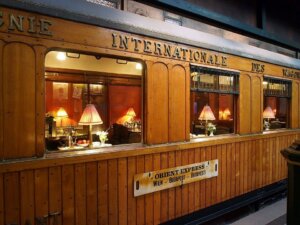
Orient Express offers a once-in-a-lifetime experience where the romance of pre-war Europe truly comes to life. The unparalleled gastronomy, private steward service, and breathtaking landscapes transform the journey into an unforgettable adventure that goes far beyond mere transportation.

Read More »

Journey Through the Nile

A Nile cruise is the ultimate journey of “slow travel,” offering a serene rhythm where the ancient landscape unfolds slowly, punctuated by spectacular archaeological stops. In 2026, enhanced visitor facilities and digital guides at major sites make these ancient wonders more accessible than ever before.

Read More »

A Wheelchair User’s Guide to Italy

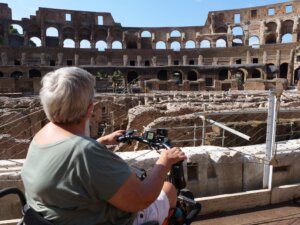
Traveling in a wheelchair in Italy is an achievable and rewarding experience. While ancient cobblestones present hurdles, modernized transport like the Trenitalia Sala Blu service offers seamless inter-city travel. Major attractions in Rome and Milan are increasingly accessible, proving that with prior planning, Italy’s beauty can be enjoyed by everyone.

Read More »
Scroll to Top