Guinness Dublin: Brewery Visit Guide

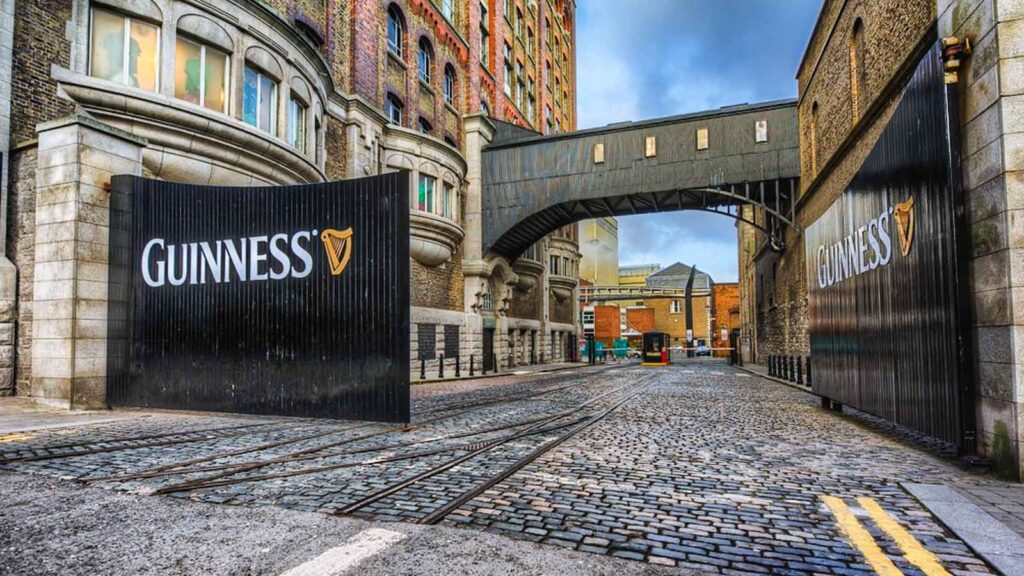
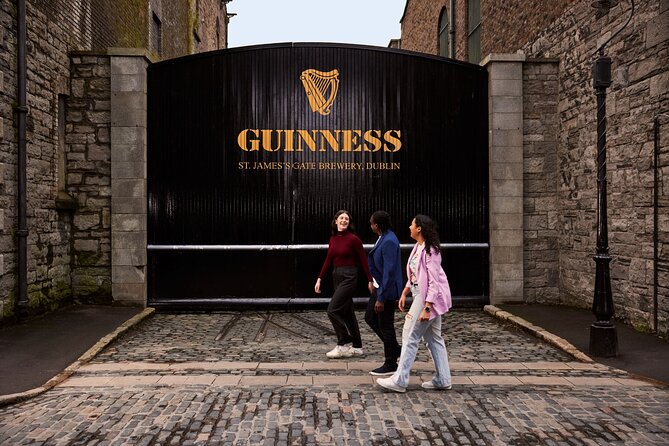
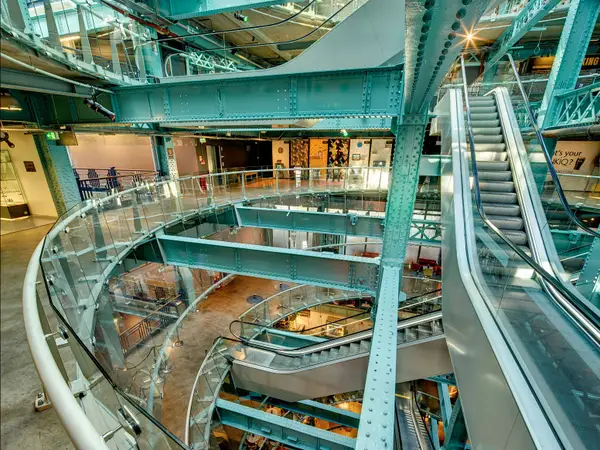
The story of Guinness in Dublin is not only one of industrial heritage and iconic architecture, but also of how a working brewery has been successfully opened to the public. Today, the St. James’s Gate complex combines active production, historical preservation, and one of Ireland’s most popular visitor experiences. Visiting Guinness in Dublin does not mean a classic factory tour where you walk through a fully operating production line. Instead, the main experience takes place at the Guinness Storehouse, a seven-floor visitor center located within the historic brewery complex.

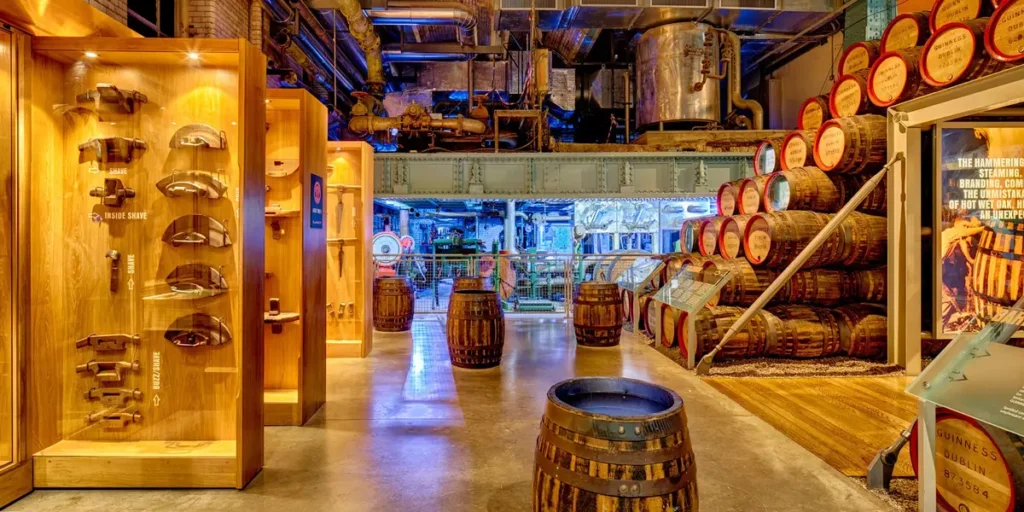
The Storehouse experience explains the brewing process, ingredients, quality control, logistics, and brand history through immersive exhibitions, large-scale installations, and interactive displays. While you are on an active brewery site, most production areas themselves are not open to the public for safety and operational reasons. That said, the presentation is detailed enough to give a solid understanding of how Guinness is made and how industrial-scale brewing works. Don’t skip the Gravity Bar—but expect crowds later in the day. Combine the visit with a walk along the Liffey or a stop at nearby historic districts.

Types of experiences available

There are several ways to visit, depending on how deep you want to go:

Standard Guinness Storehouse Ticket

Self-guided visit through all exhibition floors, ending with a complimentary pint of Guinness (or a soft drink) at the Gravity Bar.

Guinness Academy Experience

Includes Storehouse entry plus a short session where you learn how to pour the perfect pint under the guidance of a Guinness expert.

Premium or Guided Experiences

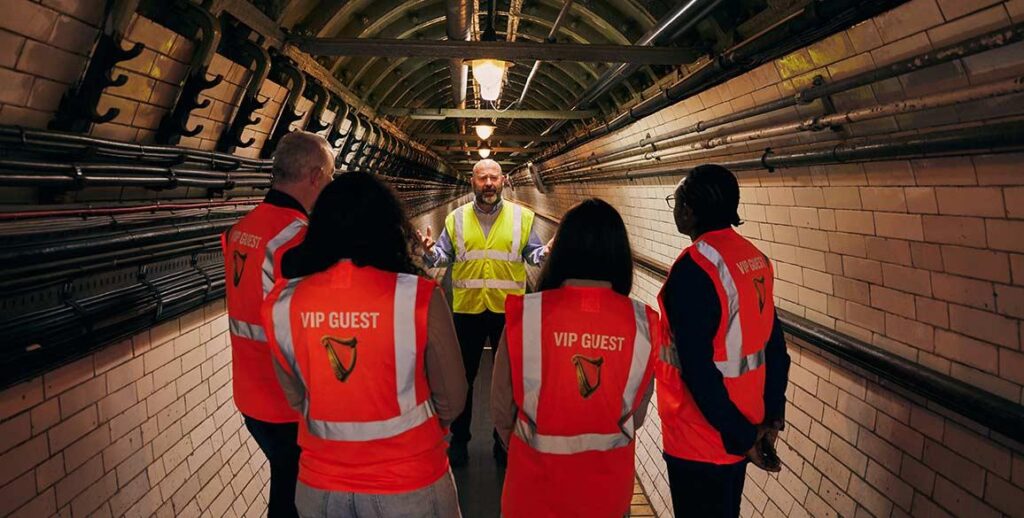
Small-group guided visits that add storytelling, tastings, or access to quieter areas. These vary by season and should be booked in advance.

Even the standard ticket usually takes 1.5–2 hours, while premium experiences can extend the visit to 2.5–3 hours.

Ticket prices and costs

Prices can vary slightly by season and demand, but as a general guideline:

Standard Storehouse ticket: approximately €26–30 per adult

Guinness Academy / premium experiences: typically €35–55

Children: reduced prices; under a certain age, entry may be free (without alcohol, of course)


Booking online in advance is strongly recommended. Walk-in tickets are sometimes available, but popular time slots—especially afternoons and weekends—often sell out.

Getting there: location and transport

The Guinness Storehouse is located at St. James’s Gate, just west of Dublin’s city center.

By foot

From Temple Bar or Trinity College, the walk takes around 20–25 minutes and passes through interesting older neighborhoods.

By public transport

Bus: Several Dublin Bus routes stop nearby (for example routes serving James’s Street).

LUAS (tram): The Red Line stops at St. James’s or Heuston, both within walking distance.

By car

Parking in the immediate area is limited, and driving in central Dublin can be slow. Public transport or walking is usually the better option.

When is the best time to visit?

Timing can make a big difference to your experience.

Best days: Tuesday to Thursday tend to be quieter than weekends.

Best time of day: Early morning slots are calmer and allow you to explore at your own pace. Late afternoons are busier, especially at the Gravity Bar.

Best season: Spring and autumn offer a good balance of visitor numbers and weather. Summer is lively but crowded, while winter is quieter but has shorter opening hours.

If panoramic views are important to you, try to visit on a clear day—the Gravity Bar offers one of the best skyline views in Dublin.

Is it worth visiting?

If you are looking for a technical, behind-the-scenes factory tour, the Guinness Storehouse may feel more curated than industrial. However, if you are interested in how manufacturing, branding, architecture, and tourism intersect, it is an excellent example of how an active industrial site can be opened to the public without losing its identity.

For travelers interested in industrial heritage, manufacturing culture, or iconic brands, Guinness offers one of Europe’s most polished and informative experiences. It also works well even for visitors who are not heavy beer drinkers—the story is as much about engineering, logistics, and urban development as it is about stout.

Related posts

The Hidden World of Venetian Masks

Located in the historic Albanian city of Shkodër, the Venice Art Mask Factory is a handcrafted mask workshop and showroom specializing in traditional Venetian carnival masks. Despite its name, this is not a mass-production factory, but rather an artisan space where skilled craftsmen create masks using traditional techniques passed down through generations.

Read More »

The Heart of Venetian Glass Art

Murano’s 700-year glassmaking tradition is a pinnacle of European craftsmanship. More than a tourist hub, the island hosts active furnaces where masters use ancestral techniques to transform molten glass into intricate sculptures and vessels. This living heritage preserves a legacy of artistic excellence passed down through centuries of Venetian history.

Read More »

Swiss Mountain Tracks

While the Orient Express emphasizes opulence and formal elegance, the Bernina Express prioritizes natural splendor and engineering marvels. Trading fine dining for panoramic views, it offers a premier “slow travel” experience. It is perfect for adventurers valuing immersive Alpine landscapes and historic viadcuts over traditional onboard luxury.

Read More »

The Cradle of Civilization

A Mediterranean cruise is a celebration of life (La Dolce Vita). It is the perfect symphony of culture, history, and world-class cuisine. Whether you are sipping wine in a Spanish vineyard or watching the sunset over the Acropolis, this journey is guaranteed to nourish both your soul and your palate.

Read More »

Temple of Speed Monza

The Autodromo Nazionale Monza is one of the most hallowed venues in motorsport, home to the Italian Grand Prix and often referred to as the “Temple of Speed” (Tempio della Velocità). The circuit tour allows fans to literally follow in the footsteps of legends.

Read More »

Timeless Journey

Rome’s historic center (Centro Storico) is a living, breathing museum. It is home to iconic landmarks like the Pantheon and the Trevi Fountain. Narrow, cobblestone streets lead from Renaissance palaces to Baroque piazzas. As of 2026, the center is largely a pedestrianized zone, successfully preserving its timeless, authentic atmosphere.

Read More »
Scroll to Top