Italy – Art, Landscapes and La Dolce Vita

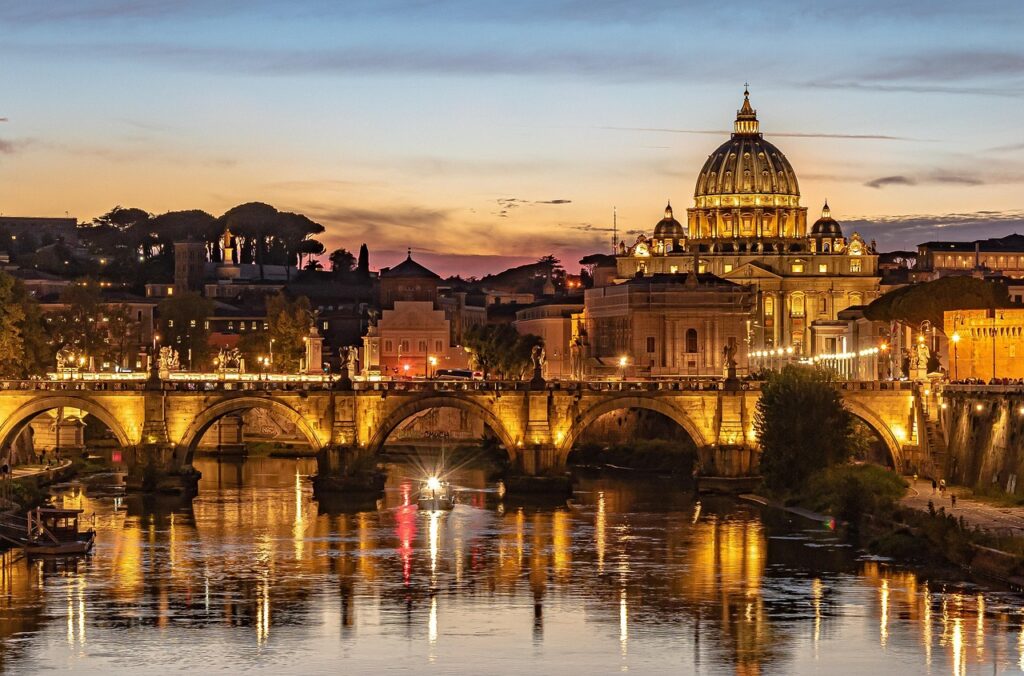
St Peter’s Basilica and the Tiber River at sunset in Rome, Italy

Few countries offer as many different journeys within their borders as Italy. A weekend among the monuments of Rome, a train journey through Renaissance cities, a drive across the Tuscan countryside and a few days beneath the peaks of the Dolomites can feel like completely different trips.

That variety is one of Italy’s greatest strengths. Its cities contain extraordinary concentrations of art and history, but the country becomes even more interesting when you look beyond the familiar landmarks. Regional food traditions, smaller towns, lakes, mountains and distinct local identities mean that Italy rewards travellers who return rather than trying to see everything at once.

Regional food traditions, smaller towns, lakes, mountains and distinct local identities mean that Italy rewards travellers who return rather than trying to see everything at once. This Italy travel guide is designed to help you decide where to focus your time and what to know before you go.

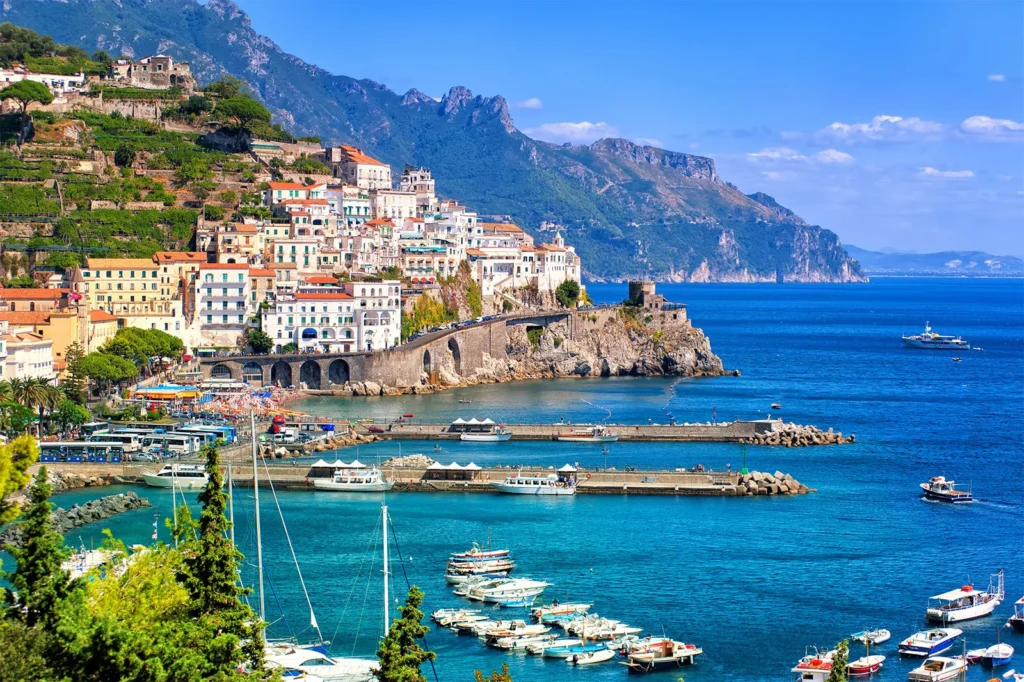
Amalfi town and coastline on the Amalfi Coast in southern Italy

Italy at a Glance

Capital: Rome
Region: Southern Europe
Population: Around 59 million
Official language: Italian
Currency: Euro (EUR)
Time zone: CET (UTC+1), CEST (UTC+2) during daylight-saving time
EU and Schengen: Italy is a member of both the European Union and the Schengen Area

Entry requirements depend on nationality and individual circumstances, so travellers should check current official requirements before departure.

Why Visit Italy?

Italy does not have a single travel personality.

Ancient heritage, Renaissance art, industrial cities, Mediterranean coastlines, Alpine landscapes and strong local food traditions can all form the centre of a trip. Moving between regions can change not only the scenery but also the architecture, cuisine and pace of travel. This is why we would not approach Italy as a checklist of famous sights. Choosing the right part of the country for the kind of trip you want matters more than trying to fit every famous name into one itinerary.

For inspiration beyond the obvious landmarks, the official Italian tourism portal is a useful starting point for exploring the country by region.

Where to Go in Italy

Rome and Central Italy

For a first encounter with Italy’s history, Rome is difficult to replace. Ancient sites such as the Colosseum and Roman Forum sit alongside Baroque squares, neighbourhood streets and Vatican City.

Rome can easily fill several days, but central Italy offers good reasons to move beyond the capital. Umbria provides medieval hill towns and a greener, quieter alternative, while Tuscany to the north brings a very different combination of art cities, vineyards and countryside.

For a closer look at the capital’s most important historic areas, explore our Rome’s Historic Center guide.

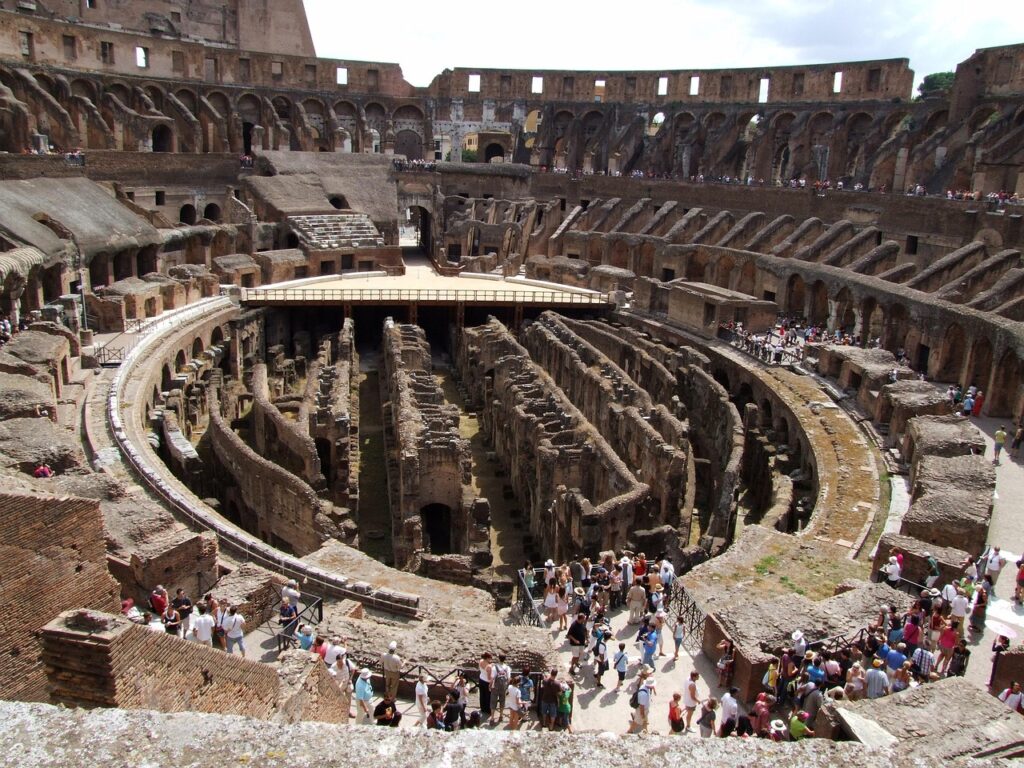
Interior of the Colosseum showing the ancient arena and hypogeum in Rome
Florence and Tuscany

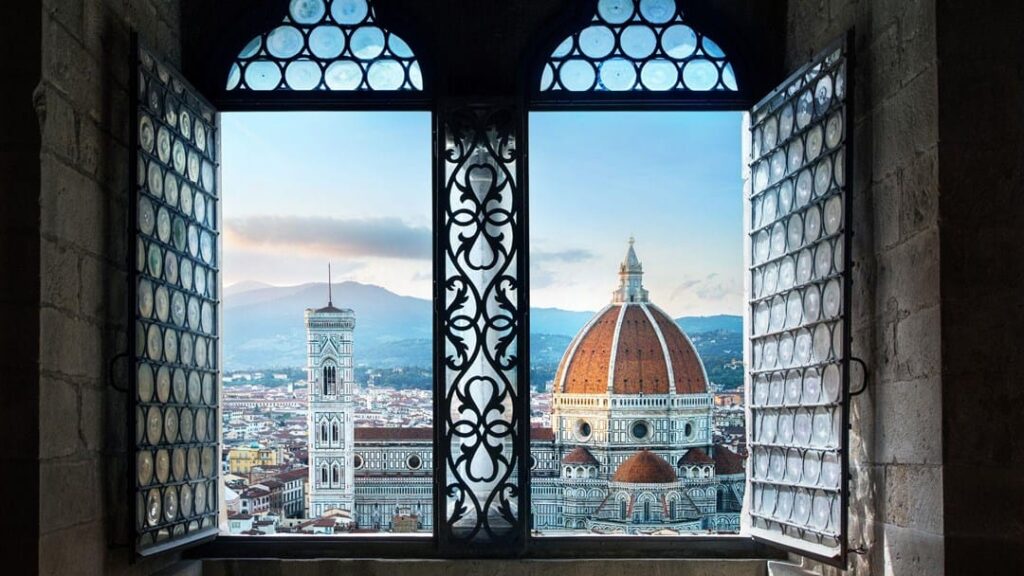
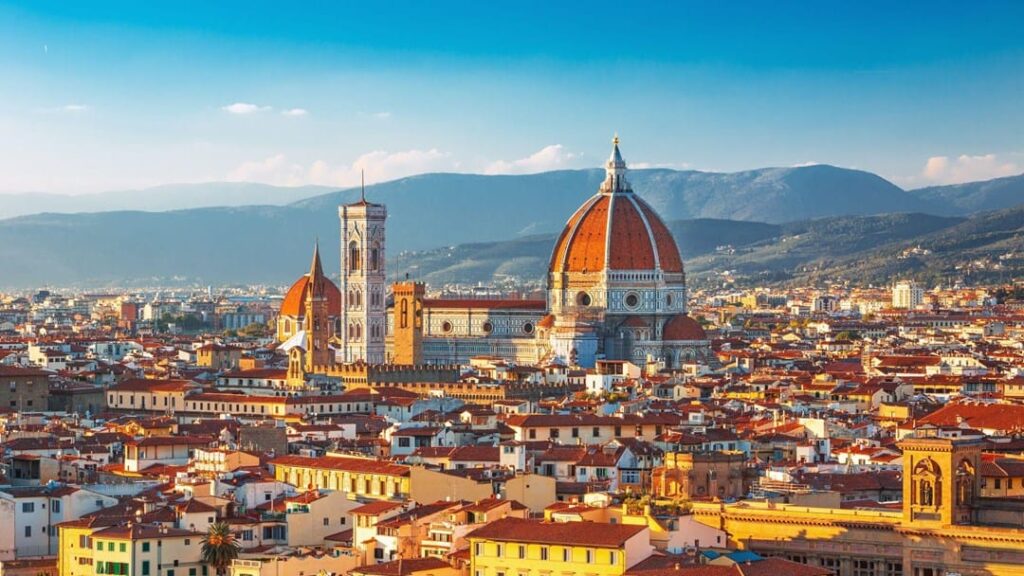
Florence is one of Europe’s great art cities, but Tuscany should not be reduced to Florence alone.

Siena, Lucca, Pisa and smaller hill towns provide very different experiences, while the countryside between them is one of Italy’s classic road-trip landscapes. This is also an area where a car can become more useful than it is in the major cities, particularly if rural accommodation and smaller villages are part of the itinerary.

Florence Cathedral dome and Giotto’s Bell Tower viewed through a historic window
Venice and the Northeast

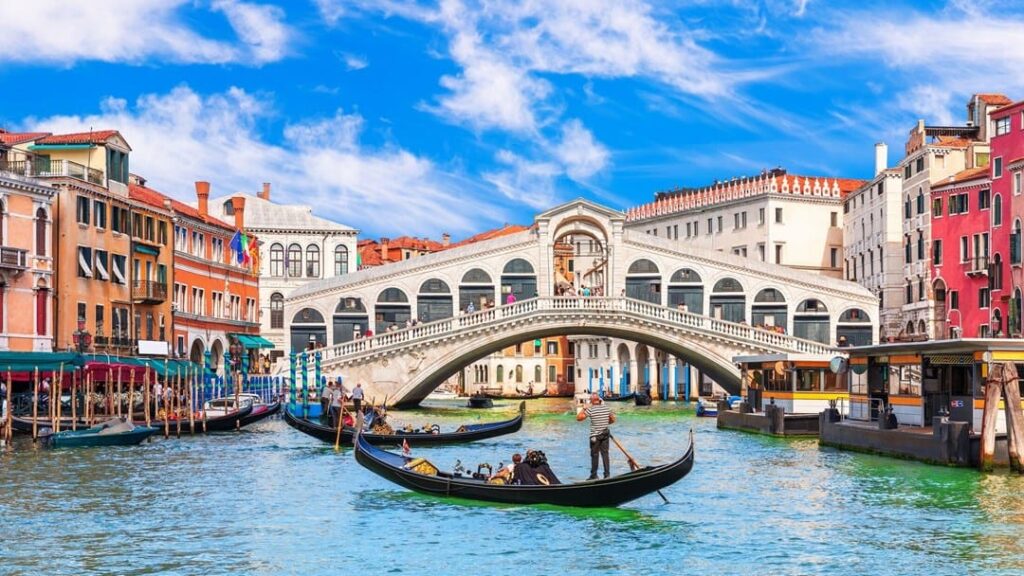
Venice is extraordinary precisely because normal city-travel rules do not quite apply. Streets become narrow lanes, public transport takes to the water, and bridges shape how you move through the city.

One way to look beyond Venice’s headline attractions is to explore the traditional glassmaking industry on Murano. Our Murano glass guide looks more closely at this centuries-old craft and the visitor experiences available on the island.

The northeast extends far beyond Venice, with Verona, the Dolomites, Friuli-Venezia Giulia and Trieste offering very different reasons to continue exploring.

Rialto Bridge and gondola on the Grand Canal in Venice, Italy
Milan, the Lakes and Northern Italy

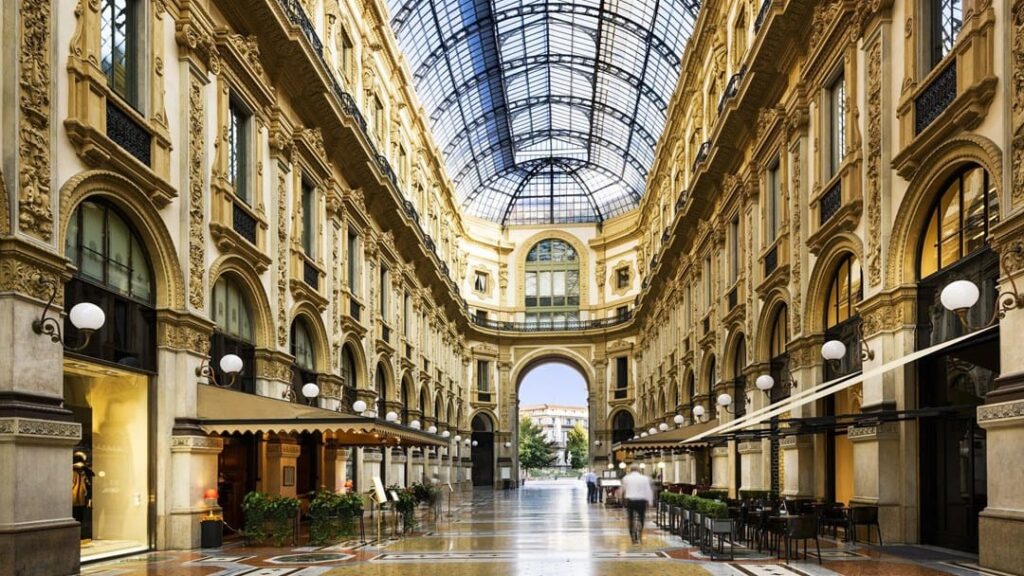
Milan is often described simply as Italy’s fashion and business capital, but it also makes a useful starting point for exploring northern Italy. Lake Como is within easy reach, while Lombardy connects naturally with other northern destinations and the Alps.

Motorsport fans can go behind the scenes at one of Formula 1’s most historic venues with our Monza Circuit Tour guide. Football fans have another major attraction nearby: our San Siro Stadium Tour guide explores the famous Milan stadium and its visitor experience.

From northern Italy, travellers can also continue into Switzerland by rail. The Bernina Express connects Tirano with St. Moritz or Chur, crossing the Alps on one of Europe’s most spectacular railway routes.

Interior of the Galleria Vittorio Emanuele II in Milan, Italy
Bologna and Italy’s Motor Valley

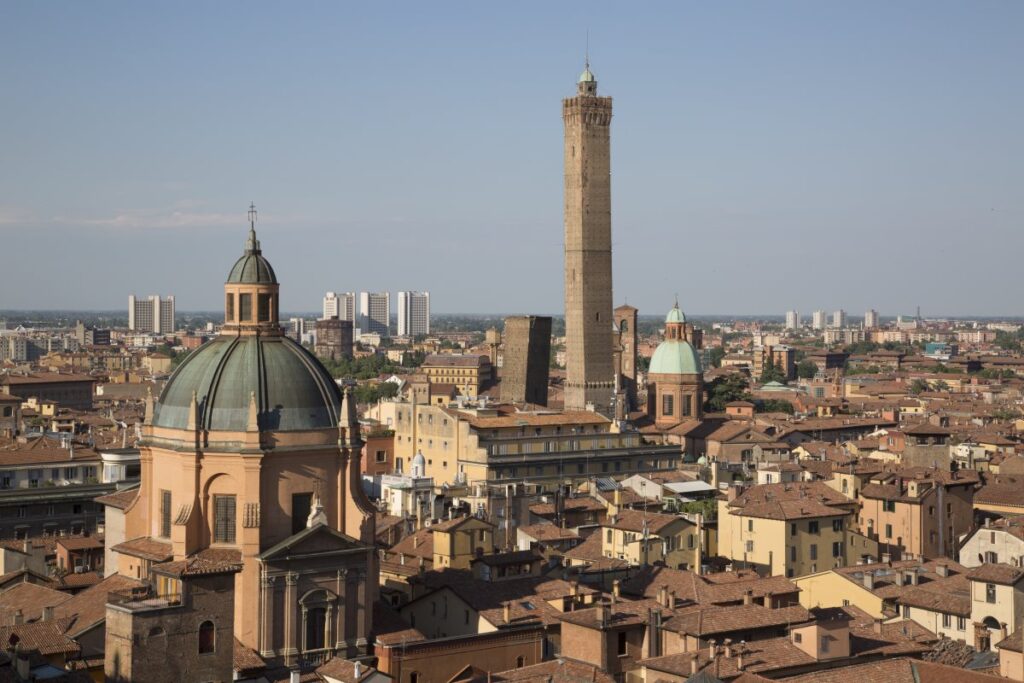
Bologna deserves attention for its medieval centre, porticoes and food culture, but Emilia-Romagna has another distinctive identity: it is the heart of Italy’s famous Motor Valley.

Ferrari, Lamborghini, Ducati and other automotive names have deep roots in the region. At Sant’Agata Bolognese, visitors can discover Lamborghini’s manufacturing heritage and modern production.

Our Lamborghini Factory Tour guide looks more closely at what visitors can experience at the company’s home near Bologna.

Bologna skyline with the Asinelli Tower in Italy
Naples and Southern Italy

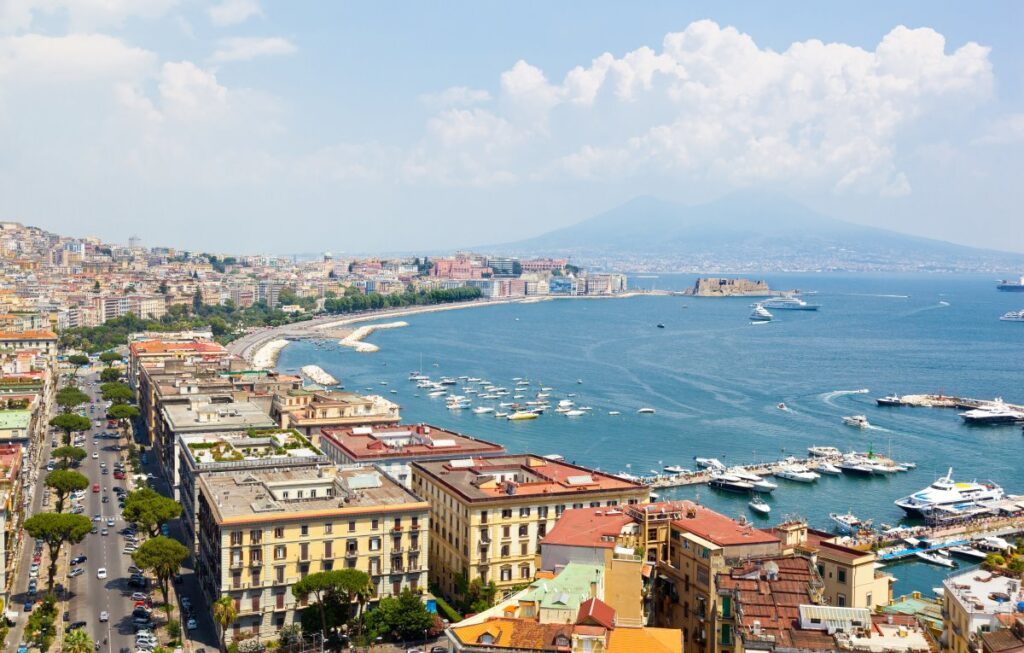
Naples offers one of the strongest contrasts with northern Italy. The city is energetic, densely layered and closely connected with the food and traditions of Campania.

It is also a useful base for Pompeii and Herculaneum, while the Bay of Naples and Amalfi Coast create several possibilities for extending the journey.

Further east and south, Puglia, Basilicata and Calabria offer another side of the country, with historic towns, distinctive landscapes and routes that often sit outside the classic Rome–Florence–Venice itinerary.

Naples and the Bay of Naples with Mount Vesuvius in the background

Food Is Regional in Italy

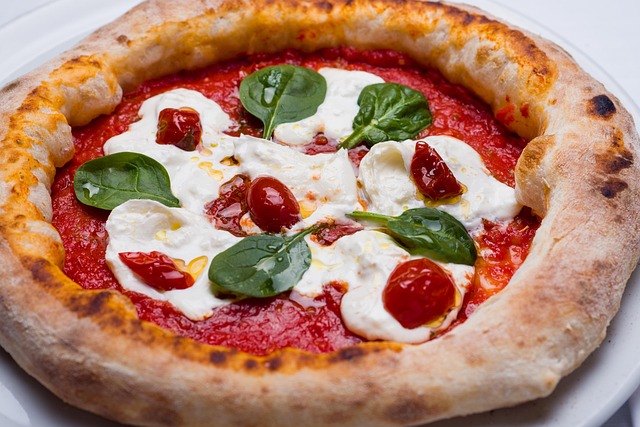
Talking about “Italian food” hides much of what makes eating in Italy interesting. Recipes and ingredients change considerably as you travel. Emilia-Romagna is associated with foods such as Parmigiano Reggiano, traditional balsamic vinegar and filled pasta; Naples with pizza; Liguria with pesto; and Sicily with a cuisine shaped by centuries of Mediterranean influences.

Even familiar pasta dishes have strong regional identities. Carbonara and cacio e pepe are associated with Rome, while risotto is much more characteristic of northern Italy.

The practical lesson is simple: look for regional dishes rather than arriving with a fixed list of generic Italian favourites. Local specialties are part of understanding where you are.

Neapolitan Margherita pizza with tomato, mozzarella and fresh basil
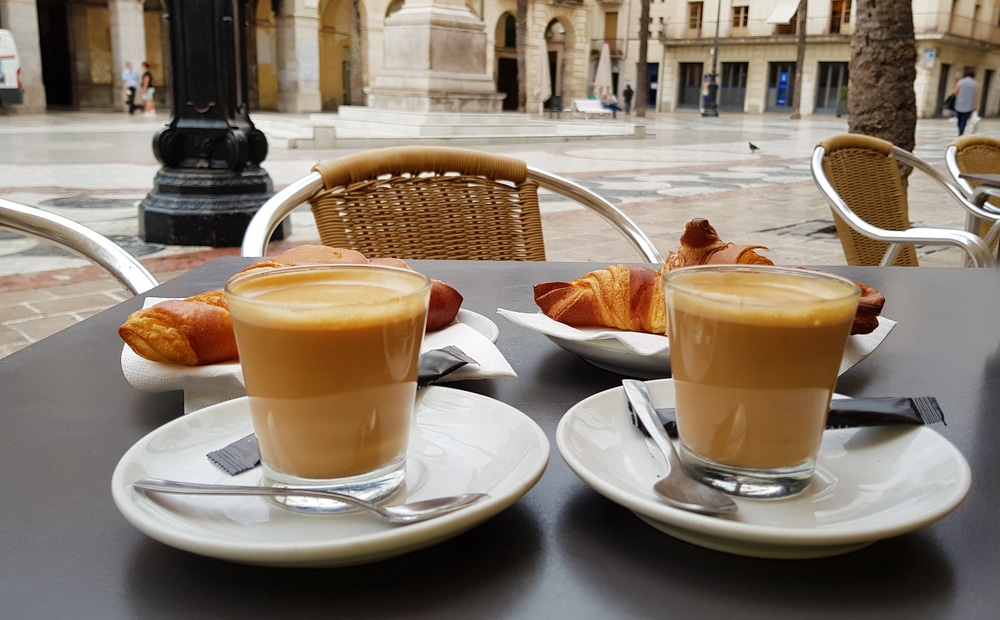
Two coffees with pastries at an outdoor café in Italy
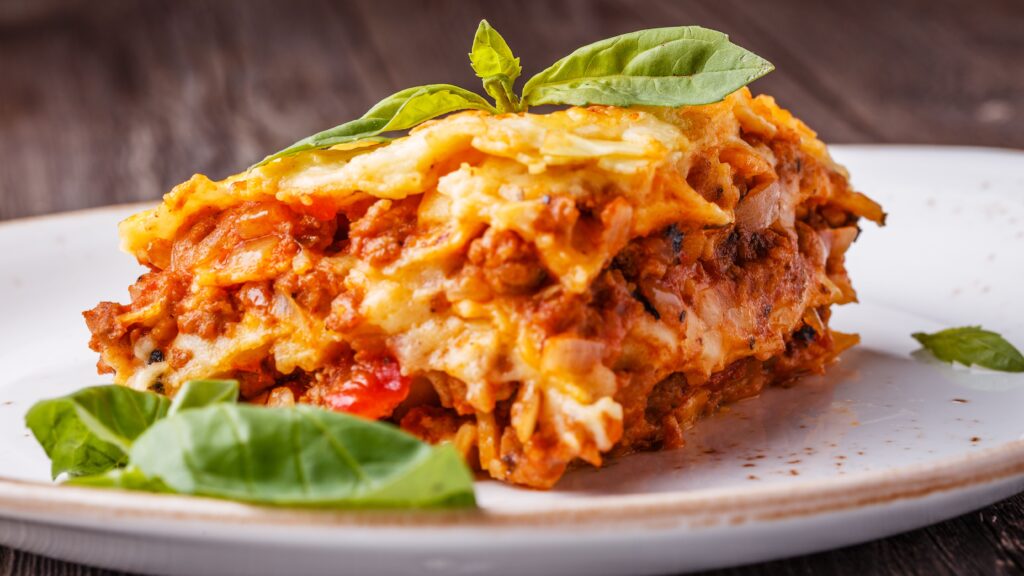
Traditional Italian lasagne with meat sauce and melted cheese

Getting Around Italy

For journeys between major cities, rail is often the easiest option. Italy has a well-developed high-speed network connecting destinations including Turin, Milan, Bologna, Florence, Rome and Naples. Trenitalia and Italo operate more than 300 daily high-speed connections, making multi-city journeys possible without hiring a car.

Regional trains extend the network to many smaller destinations, while buses and ferries become more important in areas where rail connections are limited. For current transport information, the official Italy travel guide to getting around provides an overview of rail, road and public transport options.

When Is a Car Useful?

A rental car becomes more attractive when the countryside is the destination rather than simply the space between cities. Rural Tuscany, parts of Sicily and Sardinia, and less densely connected areas are obvious examples.

For a classic Rome–Florence–Bologna–Milan itinerary, however, a car can create more problems than it solves.

One important reason is Italy’s ZTL – Zona a Traffico Limitato system. Many historic centres restrict vehicle access on certain days or at certain times, and regulations vary from city to city. Drivers should check the signs and local rules before entering these areas. If a hotel is located inside a ZTL, it is worth asking in advance whether the property can arrange authorized access.

When Is the Best Time to Visit Italy?

There is no single best month for the whole country.

Spring works particularly well for city sightseeing and countryside trips, while early autumn can offer a similar balance of active cities and comfortable conditions.

Summer is a different proposition. July and August can bring intense heat and heavy demand to famous cities and coastal destinations, while the same season can be ideal for mountain activities in the Alps and Dolomites.

Winter can work well for museums and city breaks, while the mountains move into ski season. Southern Italy and Sicily are generally milder than the north, although they should not be treated as guaranteed winter-sun destinations.

Italy’s climate varies significantly by region and season, so checking conditions for the actual destination is more useful than relying on a single nationwide recommendation.

Decide first whether your priority is cities, coast, countryside or mountains. The best time to travel changes accordingly.

Practical Things to Know

A few details can make an Italian trip noticeably easier.

Major museums and famous attractions may use timed admission, so advance reservations are sensible for places high on your priority list. Churches remain places of worship even when they are major tourist attractions, and appropriate clothing may be required. Pickpocketing deserves normal precautions in crowded tourist areas and on busy public transport. Italian is the official language, and while English is widely used in major visitor destinations, a few basic Italian phrases become increasingly useful away from them.

Italy uses Type C, F and L electrical sockets, with a standard voltage of 230 V and frequency of 50 Hz.

Tipping is not compulsory in the way it is in some countries. Check the bill first, as a service or cover charge may already be included. For documentation, driving requirements, payments and other information that can change, check Italy’s official practical travel information before travelling.

Accessibility in Italy

Italy can be rewarding for travellers with reduced mobility, but accessibility varies considerably between destinations.

Modern transport infrastructure and major attractions can offer good accessibility, while historic centres may present cobblestones, steep streets, bridges, steps and older buildings where step-free access is more difficult.

Advance research is therefore particularly valuable, especially when choosing accommodation and checking the route between transport, hotel and attractions. Italy’s official tourism portal also provides dedicated information for accessible travel.

For detailed planning, including transport assistance and practical information for Rome, Florence, Venice and the Italian lakes, see our Wheelchair Accessible Italy guide.


A Few Things You Might Not Know About Italy

Italy has an extraordinary concentration of UNESCO World Heritage properties, ranging from archaeological sites and historic city centres to cultural landscapes and natural areas. Vatican City is a separate sovereign state, despite being entirely surrounded by Rome. Italy is also one of Europe’s most volcanically active countries. Etna, Stromboli and Vesuvius are very different volcanoes, but all form part of a landscape shaped by continuing geological activity. And although Italian is the official national language, travelling across the country reveals considerable linguistic diversity, with regional and minority languages still contributing to local identity.

Florence skyline with the Cathedral of Santa Maria del Fiore and Giotto’s Bell Tower

Sonsy Verdict: Is Italy Worth Visiting?

Absolutely – but trying to “do Italy” in one trip is probably the wrong approach.

Italy rewards travellers who are willing to narrow their plans. Rome, Florence and Venice can make an extraordinary first journey, but concentrating on one region often reveals much more than racing between the country’s most famous landmarks.

It is also a destination that works particularly well for repeat visits. A first journey might focus on the classic cities; another could be built around the lakes and Alps, Emilia-Romagna, Sicily or the south.

Choose less, stay a little longer and leave something for next time. Italy is one of those countries where the second journey can feel almost completely different from the first.

Related posts

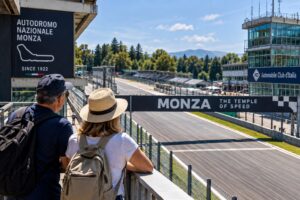
Visitors overlooking the Monza Circuit during a tour of the Temple of Speed

Monza – The Temple of Speed

Monza Circuit is Italy’s legendary “Temple of Speed” and home of the Italian Grand Prix. Find out what you can see on a circuit tour, from behind-the-scenes areas to its motorsport history, and compare the visitor experiences available when planning a trip to this historic Formula 1 venue.

Read More »

San Siro Stadium Tour

San Siro is the historic home of AC Milan and Inter Milan. Go behind the scenes on the stadium tour, visit the dressing rooms, players’ tunnel and museum, or discover Milan’s legendary football ground from above on the new San Siro Skywalk. Plan your visit to one of Europe’s most distinctive stadiums.

Read More »
Moto Guzzi motorcycles and visitors outside the factory in Mandello del Lario

Moto Guzzi Factory

Moto Guzzi’s home in Mandello del Lario connects motorcycle heritage with modern manufacturing. Discover how the museum, factory and visitor spaces relate, and what to check before travelling to the Lake Como site.

Read More »
Murano glassmaker shaping a colorful glass ornament in a workshop

Murano Glass Factory Tours

Watching a Murano glassmaker at work brings the island’s craft into focus. Compare factory demonstrations and hands-on workshops, see where the Glass Museum fits into a visit, and learn what to check before booking.

Read More »

Lamborghini Factory Tour

Lamborghini’s Sant’Agata Bolognese site brings production and automotive history together. Find out what the factory tour and museum cover, how to book, and what to consider when planning a visit to Italy’s Motor Valley.

Read More »
Mediterranean cruise ships docked along the Croatian coast

Mediterranean Cruise

Mediterranean cruises can follow Western or Eastern routes, each with different ports and travel rhythms. Compare city visits, island stops and time ashore so the itinerary matches your interests and the amount of walking you enjoy.

Read More »
Scroll to Top