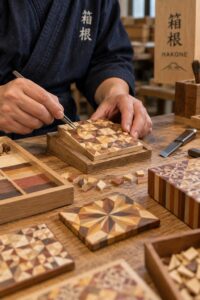
Japanese Woodworking
Japanese woodworking traditions range from interlocking kigumi joints to decorative techniques. This guide compares workshop experiences and shows how working by hand at the bench reveals the logic behind each craft.

When travelers think of Albania, beaches, mountains and ancient ruins may come to mind before Venetian carnival masks. Yet in Shkodër, an unusual connection between Albania and Venice has developed into a distinctive local craft.
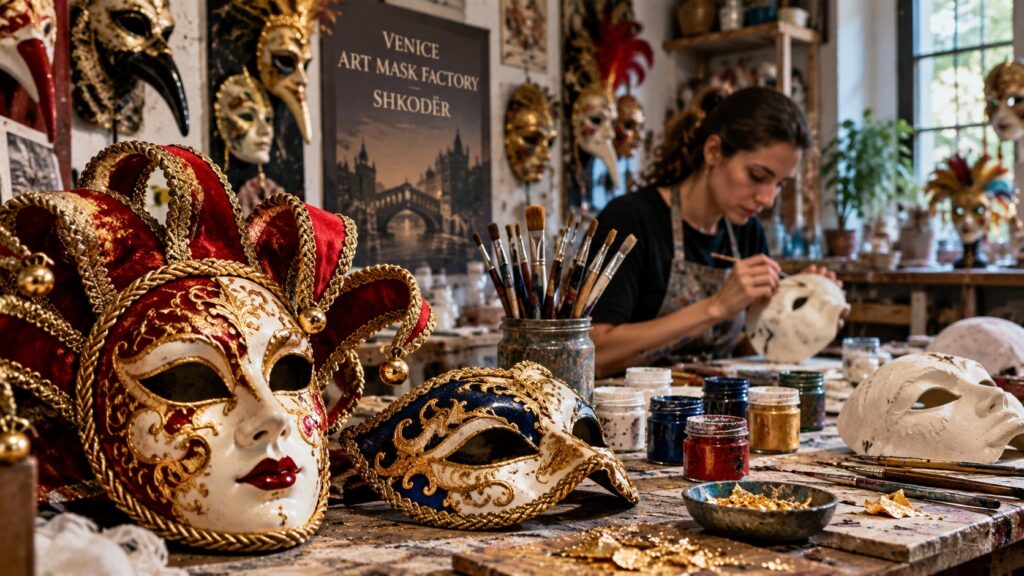
The Venice Art Mask Factory is an artisan workshop and showroom where Venetian-style masks are made and decorated by hand. Its story began with an Albanian artist who learned the craft in Venice before returning home and establishing a workshop where local artisans continue the tradition today.
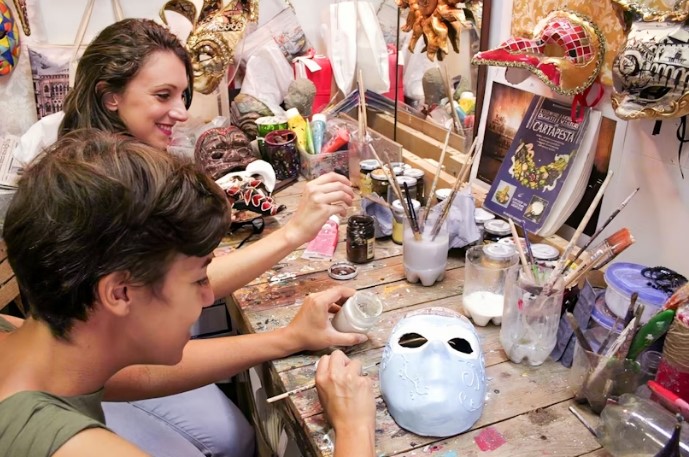
The masks produced in Shkodër are made using traditional papier-mâché techniques rather than simply being moulded as finished plastic souvenirs. The process begins with a design and a clay model, from which a plaster mould is created. Layers of papier-mâché are then shaped by hand inside the mould and left to dry before the mask is trimmed and prepared for decoration.
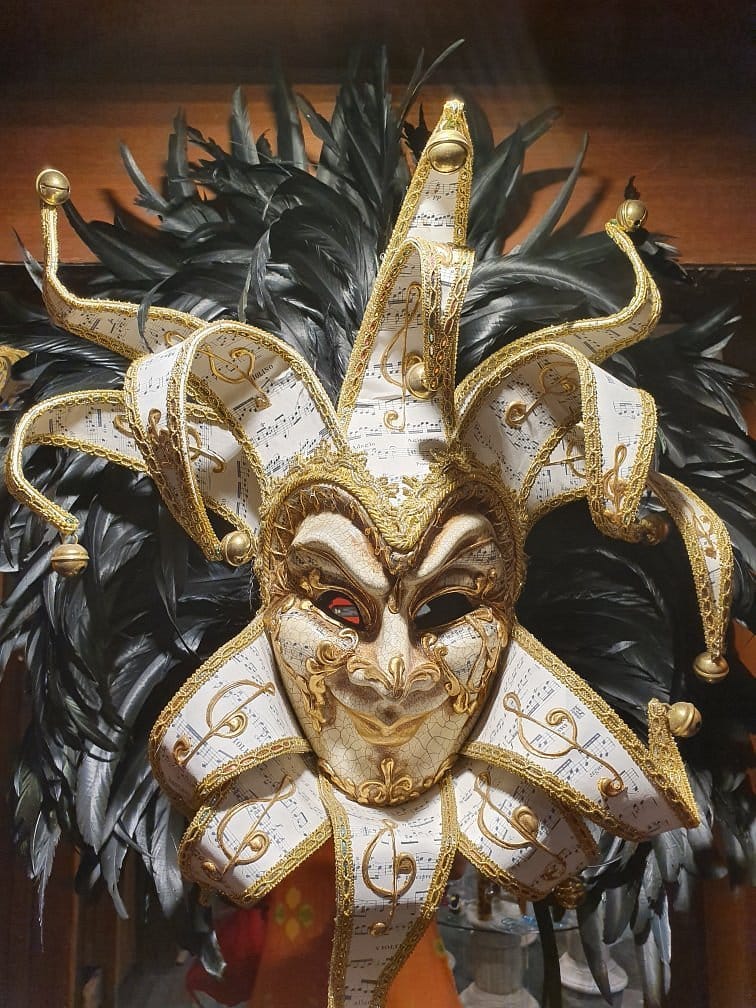
Designs include traditional Venetian forms such as Bauta and Colombina masks, alongside characters inspired by the Commedia dell’arte.
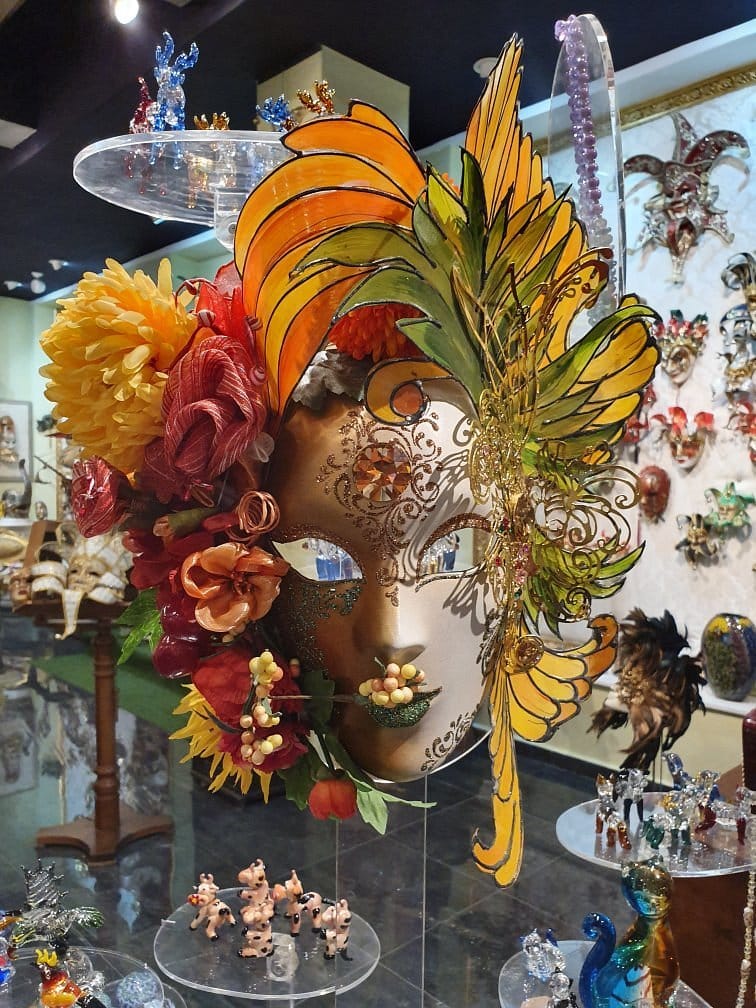
Decoration is also done by hand. Depending on the design, artisans may use gold or silver leaf, feathers, crystals, pearls and other decorative elements. This hand-finishing is an important part of what distinguishes the Shkodër workshop from mass-produced carnival masks.
If you enjoy seeing the work behind everyday and decorative objects, explore more places in our Magic of Manufacturing collection.
A visit to the Venice Art Mask Factory offers a chance to see the craft beyond the finished masks displayed in the showroom. Depending on what is being worked on during your visit, you may see artisans shaping, painting and decorating masks by hand.
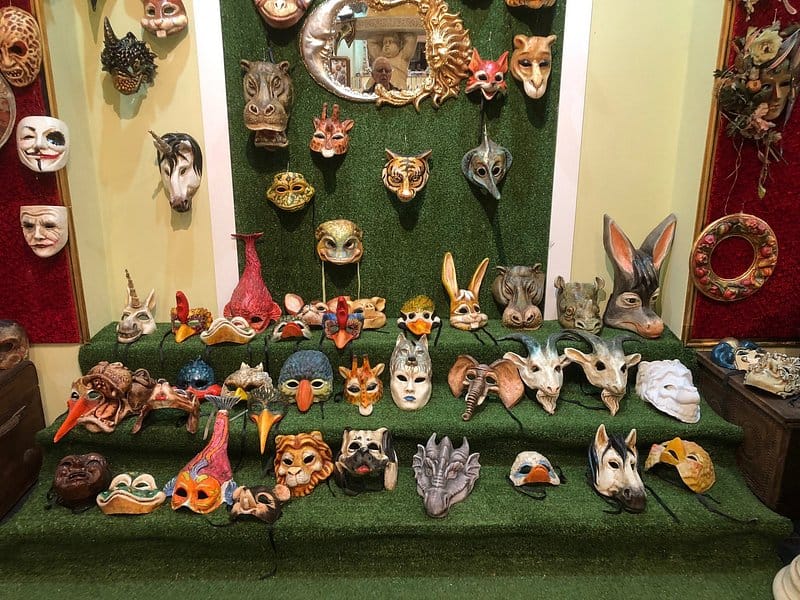
The showroom displays a wide range of finished designs, giving visitors a closer look at the different styles, materials and decorative techniques used by the workshop. Masks are also available to purchase directly from the factory.
What makes the visit particularly interesting is the connection between the finished object and the work behind it. After seeing the different stages involved in making a mask, the elaborate pieces in the showroom take on a rather different meaning.
Location: Shkodër, northern Albania
Experience: Artisan workshop, factory and showroom
Visit: The showroom can be visited separately; a factory visit offers a closer look at the mask-making process
Time needed: Allow around an hour, and longer if you want to explore the displays at a relaxed pace
Cost: The showroom is generally free to enter; a separate fee may apply for visiting the factory
Booking: Check current visiting arrangements before you go. The Venice Art Mask Factory is outside Shkodër’s historic centre but close enough to include easily in a visit to the city. If seeing the artisans at work is important to you, it is worth confirming the factory’s current visiting hours in advance rather than relying on general opening times.
The Venice Art Mask Factory is worth visiting if you are interested in traditional crafts and the process behind handmade objects. What makes the experience particularly interesting is that the masks are not simply displayed as finished souvenirs: visitors can connect the elaborate pieces with the work involved in creating them.
It is also an unexpected addition to a visit to Shkodër. Venetian masks may seem more naturally associated with Italy, but here the craft has developed into a small Albanian manufacturing story of its own.
We would not plan an entire trip to Shkodër around the factory alone. But if you are already exploring northern Albania, it is an unusual and worthwhile stop – especially for anyone who enjoys seeing how things are made.

Japanese woodworking traditions range from interlocking kigumi joints to decorative techniques. This guide compares workshop experiences and shows how working by hand at the bench reveals the logic behind each craft.

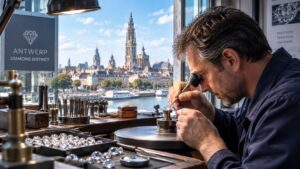
Antwerp’s Diamond District has a long trading history, but its working spaces are not all open to visitors. Learn what the DIVA museum explains, where you can realistically encounter the craft, and how the trade shaped the district.
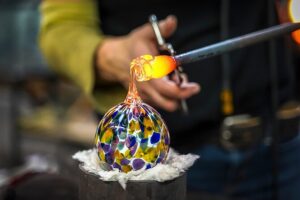
Watching a Murano glassmaker at work brings the island’s craft into focus. Compare factory demonstrations and hands-on workshops, see where the Glass Museum fits into a visit, and learn what to check before booking.