



Belgium Travel Guide: Historic Cities, Local Flavours and Unexpected Landscapes

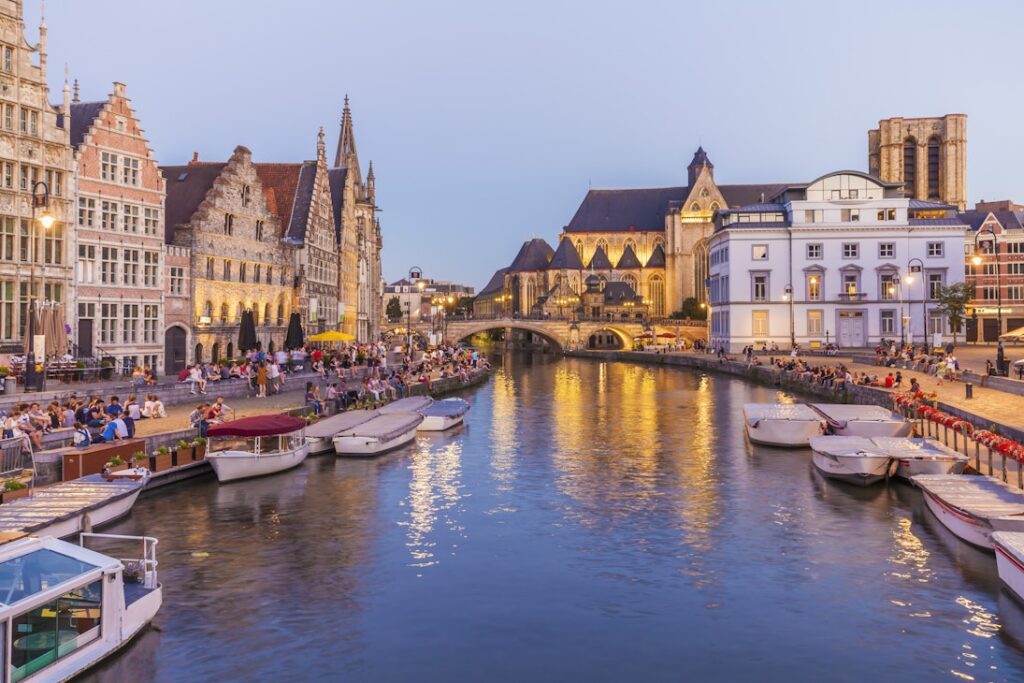
Belgium travel guide: historic waterfront buildings and boats on the River Leie in Ghent at dusk

Belgium rewards travellers who look beyond its familiar chocolate shops and canal views. Its compact size makes it possible to combine art, urban life and countryside without spending entire days in transit. A few carefully chosen bases can bring together very different experiences, from the historic centres of Flanders to the river towns and wooded hills of Wallonia.

Regional differences are part of the journey. Belgium has three regions: Flanders, Wallonia and Brussels-Capital. Dutch predominates in Flanders, French in most of Wallonia, and German in a small eastern area; Brussels is officially bilingual in French and Dutch. These distinctions shape place names, cultural life and the atmosphere visitors encounter. This Belgium travel guide helps you choose what to combine, rather than treating the country as a single city break.

Basic Facts at a Glance

  • Capital: Brussels
  • Region: Western Europe
  • Population: Approximately 11.9 million
  • Official languages: Dutch, French and German
  • Currency: Euro (EUR)
  • Time zone: CET (UTC+1); CEST (UTC+2) during daylight saving time
  • Entry requirements: Belgium belongs to the Schengen Area. Check the requirements for your nationality before travelling.
  • Power sockets: Types C and E
  • Emergency number: 112

When to Visit Belgium

For a first visit, we would favour late spring or early autumn, when city walks can be combined with gardens, terraces and countryside outings. Summer brings long daylight hours, but popular historic centres can feel busy. Winter suits a trip focused on museums, cafés and seasonal events, provided you plan around shorter days.

Build flexibility into the itinerary rather than relying on a dry forecast. Keep an indoor alternative for each day, and bring a waterproof outer layer and shoes suitable for wet paving. For an Ardennes stay, check local conditions separately: a forecast for Brussels does not tell you everything about a rural route farther south.

Cities Worth Building a Trip Around

Brussels combines the Grand Place with museums, European institutions and neighbourhoods that reward unhurried wandering. Its comic-strip trail offers a playful way to connect streets through murals, while the Atomium provides a very different architectural experience. Allow time beyond the main square rather than reducing the capital to a brief stop between trains.

Antwerp brings fashion, art, port architecture and the diamond trade into one itinerary. Our Antwerp Diamond Experience guide explains how the DIVA museum and Diamond District fit together, and why visitors should not expect unrestricted access to working cutting rooms. The city works particularly well for travellers interested in the relationship between craftsmanship, commerce and contemporary design.

Bruges and Ghent make a useful pairing, but they deserve separate days. Bruges suits travellers drawn to canals and historic streets; Ghent adds an energetic urban setting around its heritage. For a more relaxed trip, consider staying overnight instead of fitting both into a hurried excursion. The official Flemish destinations guide also introduces alternatives such as Leuven and Mechelen. 

For film lovers, Bruges has another layer of interest. Martin McDonagh’s dark comedy In Bruges turns the city’s historic setting into an essential part of the story. The Markt and Belfry are among its recognisable locations, and the official In Bruges movie map lets visitors connect scenes with places they can explore on foot. Following a few locations adds a cinematic thread to a day of sightseeing without requiring a separate tour.

Namur offers another direction: its citadel and riverside setting provide a base for discovering Wallonia. Combine heritage visits with time by the water, and choose excursions that suit your preferred pace. The Namur tourism website lists museums, gardens and activities around the city.

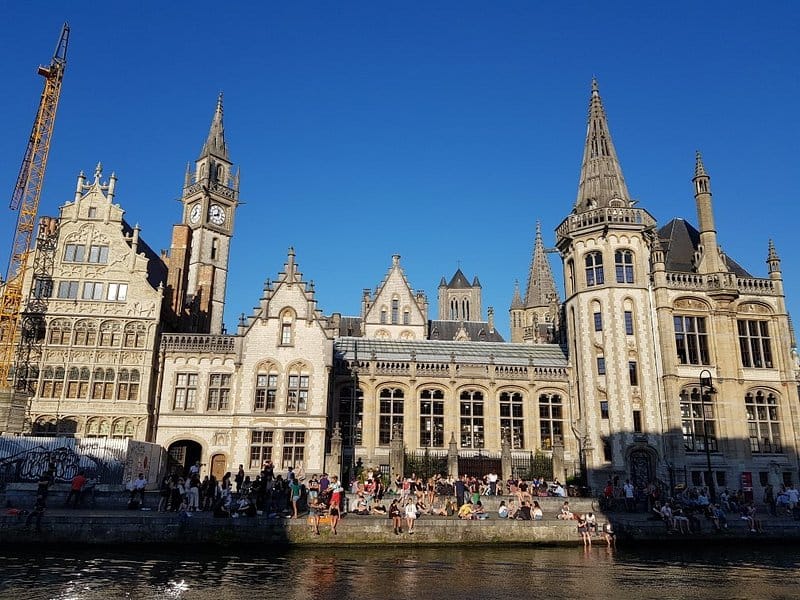
Former post office building and clock tower on Korenmarkt in Ghent, Belgium

Beyond the Cities: Nature, Memory and Engineering

The Ardennes introduce forests, river valleys and small settlements into a trip that might otherwise revolve around urban sightseeing. Around Dinant, the Meuse and Lesse valleys offer opportunities to combine town visits with outdoor time. Check individual routes for gradients, surfaces and seasonal conditions; a scenic walk is not automatically an easy one. VISITWallonia is a useful starting point for regional planning.

Belgium also has landscapes of remembrance. The First World War sites around Ypres and the Second World War history of the Ardennes merit time and context. We would plan these as dedicated visits, rather than adding several memorials to an already crowded sightseeing day.

For an unexpected engineering stop, consider the four historic hydraulic boat lifts on the Canal du Centre. Recognised by UNESCO, they illustrate how engineers moved boats between different canal levels. They add an industrial dimension to Belgium’s heritage, complementing the churches, squares and museums that usually dominate an itinerary.

Belgian Food, Beer and Everyday Culture

Food is a good reason to slow down. Moules-frites combines mussels with fries, while carbonnade flamande is a hearty beef stew cooked with beer. For something sweet, try the two familiar waffle styles: Brussels waffles are lighter and rectangular, while Liège waffles have a denser dough with pearl sugar. Chocolate shops offer another opportunity to compare local craftsmanship rather than simply buying a souvenir box.

Belgian beer culture extends beyond choosing a brand. Brewing traditions, specialist glassware, food pairings and local cafés all contribute to its character; UNESCO recognises beer culture in Belgium as intangible cultural heritage. A tasting can be a cultural introduction, but a brewery visit may require advance booking.

Comics, art and design offer other ways to understand the country. Belgium’s cultural identity includes Tintin and the Smurfs alongside artists such as Rubens and Magritte, while contemporary exhibitions and creative neighbourhoods bring the story into the present. Including both older collections and modern cultural spaces helps prevent the trip from becoming a succession of historic façades.

Glass of amber beer with a foamy head beside brewing grains
Open box of assorted chocolate pralines with decorative toppings
Waffles topped with strawberries, raspberries, blackberries and banana slices

Getting Around Belgium

For a trip centred on the main cities, we would start by planning around trains. Use SNCB/NMBS to check connections, engineering works and station locations before deciding where to stay. Include the journey from the station to your accommodation or first attraction: a short rail trip does not necessarily mean a short overall transfer.

A car can make sense for a countryside itinerary with several dispersed stops, but compare that convenience with parking and local driving restrictions. Avoid changing accommodation every night merely because distances look manageable on a map. For a first trip, our suggestion is to choose one city base, add selected day trips, and reserve a separate stay for Wallonia if countryside is a priority.


Accessibility and Comfortable Sightseeing

Historic centres require practical planning. Cobbles, steps, uneven paving and older buildings can make a compact destination tiring for someone with limited mobility. Ask accommodation providers about the complete route from entrance to room, bathroom layout and lift access. For excursions, check walking distances and places to rest alongside the attraction’s accessibility information.

SNCB/NMBS offers assistance for passengers with reduced mobility, but arrangements depend on the station, train and assistance required. Request it in advance and obtain confirmation rather than assuming help will be available immediately on arrival.

The Atomium is a useful example of why attraction-specific checks matter. Wheelchair access is limited to the panorama level reached by lift, while the exhibition route uses stairs and steep escalators. Read its official accessibility guidance before booking, particularly if stairs or escalators are difficult for you.

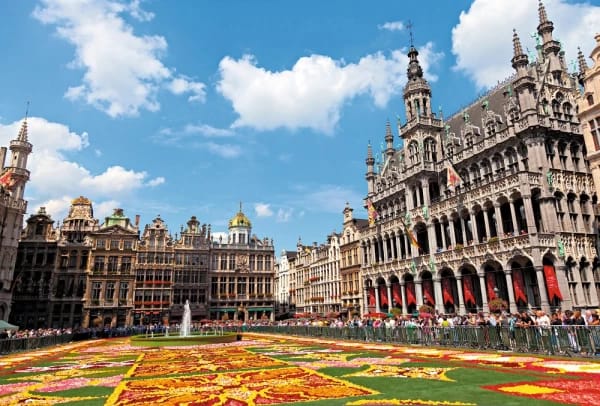
Colourful flower carpet in Brussels’ Grand Place, surrounded by ornate historic buildings

Budget and Practical Planning

Compare accommodation for your actual dates rather than relying on a general label such as “moderately priced.” Our budget approach would be to balance paid visits with neighbourhood walks, public squares and time by the water. A city pass is worthwhile only if its included attractions match the visits you want to make; calculate that before buying.

Keep bags close in crowded transport areas, check opening days before travelling to a museum, and allow room for weather changes. When planning connections, remember that place names can appear differently in Dutch and French. Checking the station name in your journey planner can prevent unnecessary confusion.

Belgium works particularly well for travellers who enjoy several interests in one manageable itinerary. We would choose fewer stops, give each place time, and include a day beyond the best-known cities. That combination reveals a country with greater variety than its familiar postcard image suggests.

Related posts

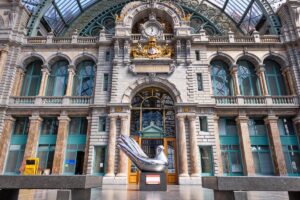
Ornate interior façade of Antwerp Central Station, with a clock, gilded decorations and a bird sculpture beneath the glass roof.

Antwerp Central Station

Antwerp Central Station combines monumental architecture with an engineering transformation beneath the city. Explore its historic halls, steel and glass roof, stacked railway levels and modern atrium, then discover how a former terminus became a through station. Our guide highlights what to notice during an unhurried visit.
Read More »
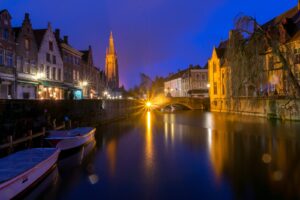
Bruges canal at dusk with boats, a stone bridge and illuminated buildings, setting the scene for an In Bruges film locations guide

In Bruges Film Locations

Bruges becomes part of the story in Martin McDonagh’s dark comedy In Bruges. Follow its filming locations from Markt and the Belfry to canal-side views and the Jerusalem Chapel, with a flexible walking route and practical advice for enjoying the city at your own pace.

Read More »
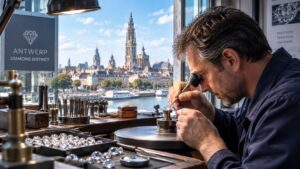
Diamond craftsman working in a workshop with Antwerp in the background

Antwerp Diamonds

Antwerp’s Diamond District has a long trading history, but its working spaces are not all open to visitors. Learn what the DIVA museum explains, where you can realistically encounter the craft, and how the trade shaped the district.

Read More »
Scroll to Top