In Bruges Film Locations: A Walk Through Belgium’s Cinematic City

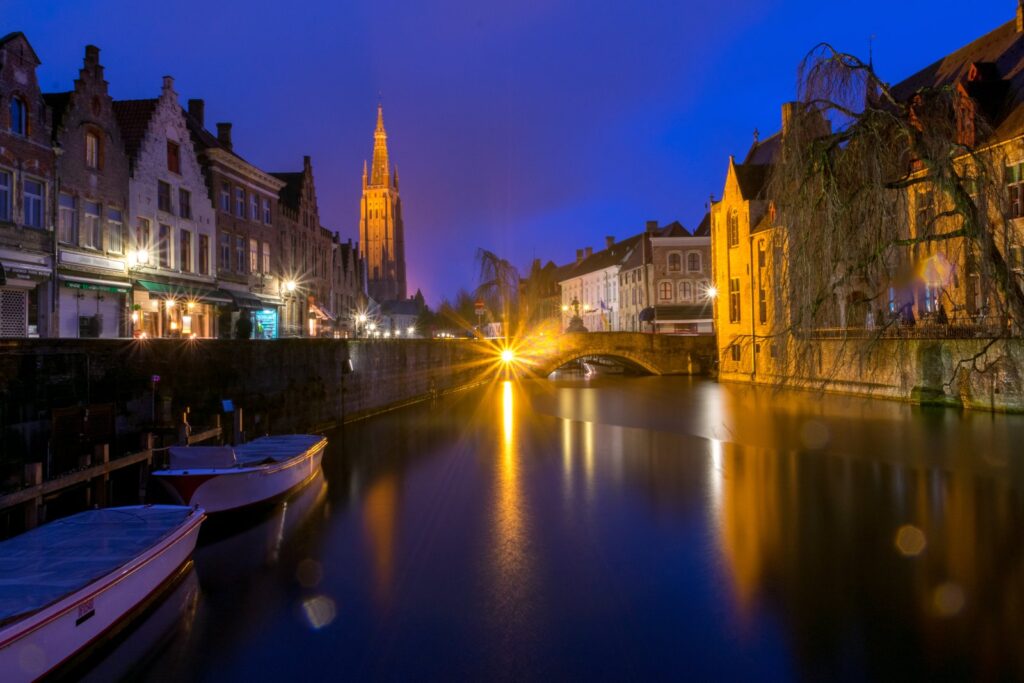
Bruges canal at dusk with boats, a stone bridge and illuminated buildings, setting the scene for an In Bruges film locations guide

Bruges looks like a city made for a romantic film: canals reflecting stepped gables, stone bridges and a bell tower rising above the rooftops. Martin McDonagh’s In Bruges takes that beauty somewhere much darker. Its characters arrive carrying guilt, impatience and unfinished business, turning a picturesque Belgian city into the setting for an uneasy wait.

Following the In Bruges film locations offers more than a collection of recognisable backdrops. It gives a city walk a different rhythm, encouraging you to notice how a square, a canal or a quiet corner can change the mood of a story. You can enjoy the route without recreating every scene—or climbing every staircase.

The Film That Made Bruges Part of the Story

Released in 2008, In Bruges stars Colin Farrell as Ray and Brendan Gleeson as Ken, two hitmen sent to Belgium after a job goes wrong. Ralph Fiennes plays their boss, Harry. The premise leads into a dark comedy concerned with responsibility, loyalty and the possibility of redemption, rather than a cheerful sightseeing adventure.

Ray and Ken respond very differently to their surroundings. Ken takes an interest in the city, while Ray struggles to appreciate what is in front of him. That contrast provides an interesting travel question: how much does our state of mind shape the way we experience a place? Bruges becomes beautiful, frustrating or unsettling depending on who is looking. The city’s official film page introduces the production and its locations.

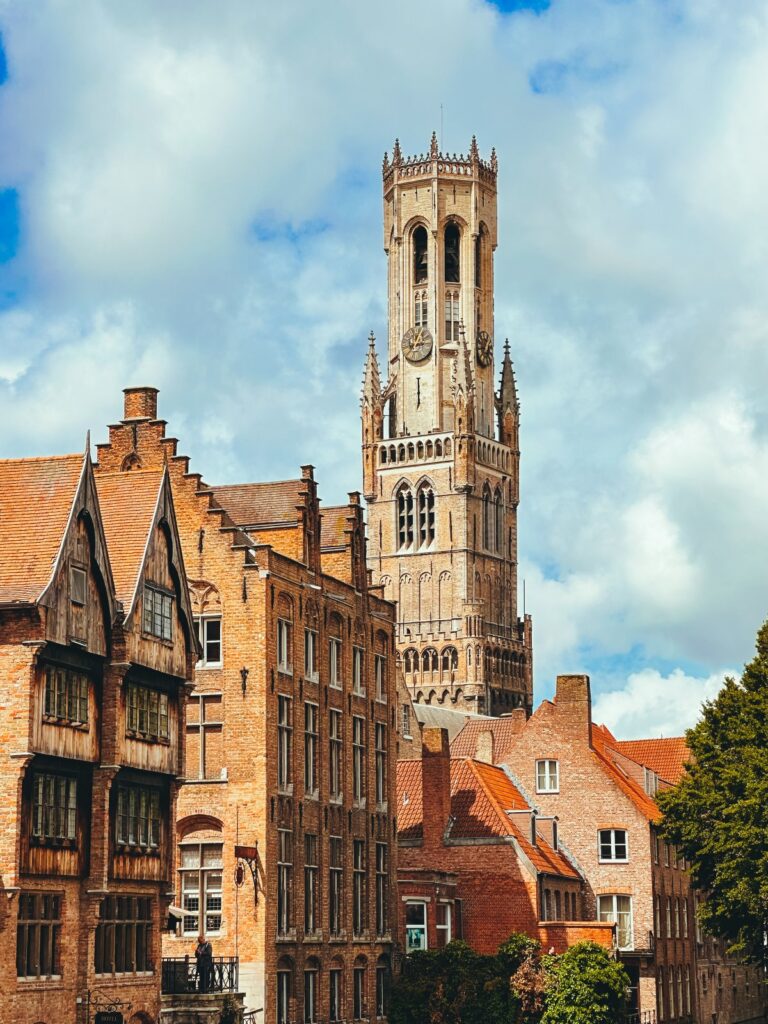
Belfry of Bruges rising above historic brick buildings and red-tiled rooftops beneath a cloudy sky

Markt and the Belfry: The City’s Dramatic Centre

Begin at Markt, where the Belfry gives the square its unmistakable silhouette. Both feature prominently in the film, making this a useful starting point even if your memory of the individual scenes is hazy. Take time to look across the square before moving on: the relationship between the tower, the surrounding façades and the open space is part of its visual appeal. The real tower requires a climb of 366 steps. Treat that as an optional visit rather than an essential part of the film walk, especially if stairs are difficult for you. You can appreciate its place in the story from the square below. Check the official Belfry visitor information for current admission arrangements before planning a climb.


Rozenhoedkaai and the Canal-Side Hotel

Continue towards Rozenhoedkaai, where water, rooftops and reflections create one of Bruges’ most recognisable views. Nearby stands Relais Bourgondisch Cruyce, the hotel associated with Ray and Ken’s stay in the film. Seeing it beside the canal makes the connection between the fictional story and the real city particularly tangible.

Enjoy the setting from public viewpoints, remembering that the hotel is a working business. A filming location does not automatically provide access to rooms or other private spaces. For photographs, try a wider view that includes the water and surrounding buildings, followed by a closer architectural detail. Together, they tell more of the location’s story than a single tightly framed façade.

The Jerusalem Chapel: When Cinema Changes Geography

One of the most interesting stops lies away from the central canal views. The Jerusalem Chapel, within the Adornes estate, supplied the interior used for the film’s visit to the Basilica of the Holy Blood. The real basilica and the filming location are separate places—a useful reminder that cinema can combine buildings to create its own geography.

The chapel was inspired by Jerusalem’s Church of the Holy Sepulchre, giving it a story beyond its screen appearance. This is a worthwhile extension if you enjoy discovering how a film was constructed, rather than simply recognising a famous view. Consult the Adornes estate visitor page before including an interior visit.

Art and Quiet Corners Beyond the Main Square

The official movie map also includes the Groeningemuseum, Jan van Eyckplein and Koningin Astridpark. These stops broaden the walk beyond the most photographed canals, bringing art, another waterside square and a green space into the itinerary. Choose the ones that interest you instead of treating the map as a checklist.

A museum visit can become the main event of your afternoon, while a square or park might suit a shorter pause. That flexibility is especially useful when travelling with someone whose interests differ from your own. The film provides a shared thread, but there is still room for one person to linger over paintings and another to enjoy the city outside.


In Bruges Film Locations: A Flexible Walking Route

For a short outing, combine Markt and the Belfry exterior with Rozenhoedkaai and the hotel’s canal setting. Add the Groeningemuseum area if art appeals to you, or continue towards Jan van Eyckplein and the Jerusalem Chapel for a longer exploration. These are suggested combinations, not a claim that the film follows the same route.

Download the official In Bruges movie map to identify locations, but use current attraction websites for opening information. Allow extra time for photographs, refreshments and any interior visits. A route that leaves room to stop is more enjoyable than one organised around reaching every marker.

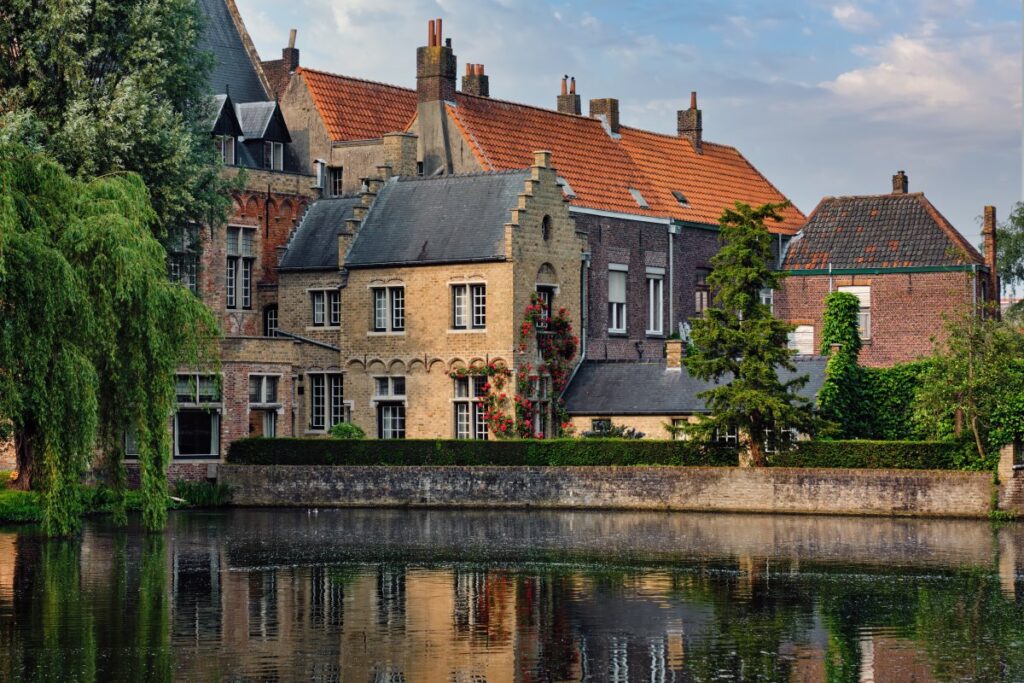
Historic canal-side houses in Bruges with stepped gables, red-tiled roofs and reflections in the water

Practical Planning for a Comfortable Visit

Compact distances do not guarantee an effortless walk. Historic paving, bridge approaches and individual building entrances deserve attention if you use a wheelchair or have limited mobility. The tower climb is a separate physical commitment, and canal-boat access should be checked with the operator rather than assumed. Brugge’s official accessibility resource helps with more detailed planning.

Watching the film before travelling can make familiar corners more rewarding, although its violence and strong language will not suit everyone. You can also enjoy the locations simply as a way to explore the city. For wider trip planning, our Belgium travel guide connects Bruges with other destinations, food and cultural experiences across the country.

Related posts

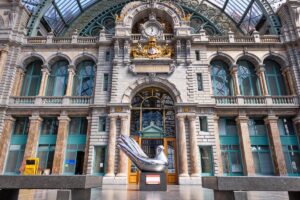
Ornate interior façade of Antwerp Central Station, with a clock, gilded decorations and a bird sculpture beneath the glass roof.

Antwerp Central Station

Antwerp Central Station combines monumental architecture with an engineering transformation beneath the city. Explore its historic halls, steel and glass roof, stacked railway levels and modern atrium, then discover how a former terminus became a through station. Our guide highlights what to notice during an unhurried visit.
Read More »
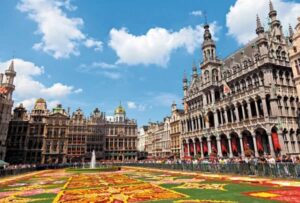
Colourful flower carpet in Brussels’ Grand Place, surrounded by ornate historic buildings

Belgium: Beyond the Postcard

Belgium brings together canal cities, chocolate traditions, wooded valleys and unexpected engineering heritage. From Brussels and Bruges to Antwerp and the Ardennes, our guide covers local flavours, train travel, accessibility and choosing a comfortable base.

Read More »
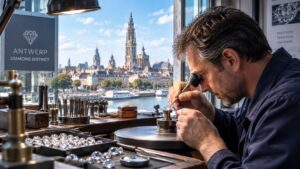
Diamond craftsman working in a workshop with Antwerp in the background

Antwerp Diamonds

Antwerp’s Diamond District has a long trading history, but its working spaces are not all open to visitors. Learn what the DIVA museum explains, where you can realistically encounter the craft, and how the trade shaped the district.

Read More »

Bridgerton Filming Locations

Discover the real places behind Bridgerton, from Bath’s elegant Georgian streets to grand country estates and royal palaces across England. These filming locations are more than beautiful backdrops: they reveal centuries of architecture, aristocratic life and social history, making them fascinating destinations even for travellers unfamiliar with the Netflix series.

Read More »
Stanley Dock Tobacco Warehouse in Liverpool, a House of Guinness filming location

House of Guinness Filming Locations

Step beyond the screen to discover the real places behind House of Guinness. From Liverpool’s Victorian architecture and industrial docks to grand estates in North Wales, these filming locations reveal the history behind the scenery and show how real buildings and streets were transformed into 19th-century Dublin and New York.

Read More »
Scroll to Top