
Bridgerton Filming Locations You Can Visit in Real Life

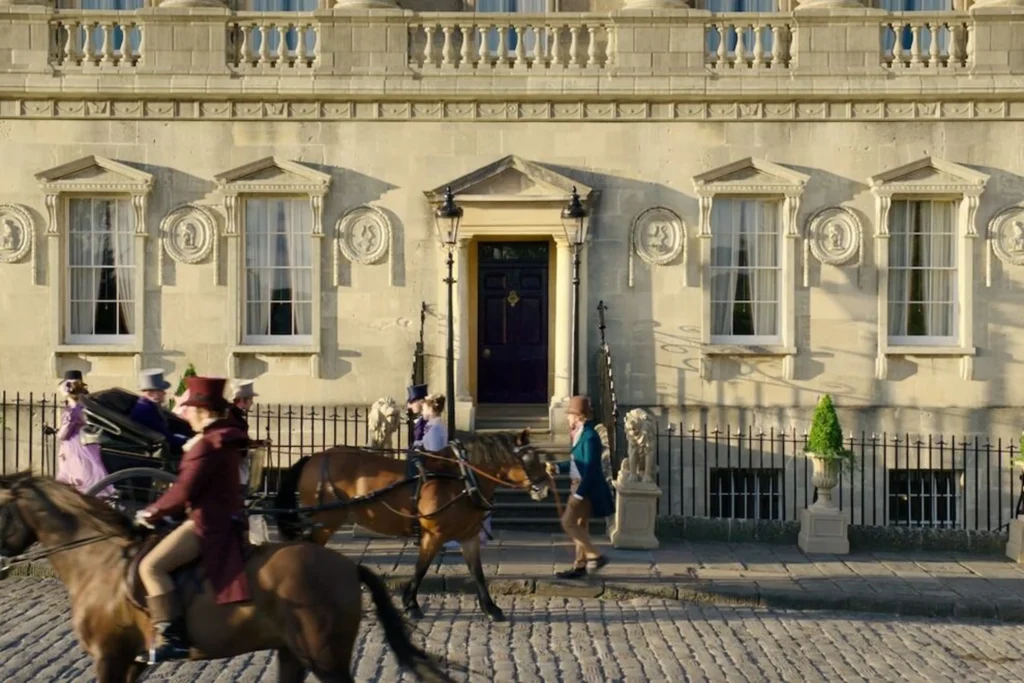
Bridgerton filming location in Bath with Regency carriages

Few television series have turned historic England into travel inspiration quite like Bridgerton. Its world of grand houses, elaborate balls, formal gardens and elegant streets may represent Regency London, but many of the places seen on screen are real historic buildings and neighborhoods scattered across England. The interesting part is that these are not simply film sets. Many have histories stretching back centuries and are worth visiting even if you have never watched an episode of Bridgerton. Here are some of the places where the fictional world and the real destination meet.

Bath – Regency London Without London

Bath seems almost made for a period drama. Its sweeping terraces, Georgian squares and honey-colored Bath stone allow filmmakers to create Regency London without constructing an entire city on a studio lot.

  • Royal Crescent and No.1 Royal Crescent: The Royal Crescent is one of Bath’s defining architectural landmarks: a sweeping curve of 30 Georgian terraced houses overlooking Royal Victoria Park. In Bridgerton, the exterior of No.1 Royal Crescent becomes the Featherington family home. Today, it is a museum furnished to show how a wealthy Georgian household and its servants might have lived during the late 18th century.
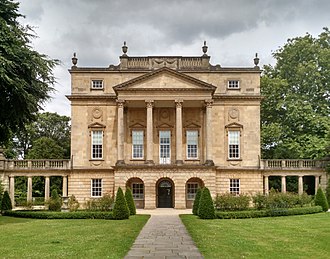
Holburne Museum in Bath, a Bridgerton filming location
  • Holburne Museum: At the opposite end of Great Pulteney Street, the Holburne Museum provides the exterior of Lady Danbury’s residence. Inside, it operates as a genuine art museum. The walk towards it along Great Pulteney Street is also one of Bath’s most impressive Georgian approaches.
  • Abbey Green and the Modiste: The Abbey Deli on Abbey Green was transformed into the Modiste dress shop during the first two seasons. Filming took place both inside and outside the building, while another part of Abbey Green stood in for Covent Garden. Unlike grander locations, this one remains a lively part of everyday Bath.
  • Bath Street: With its colonnades and restrained Georgian architecture, this elegant street was used for several outdoor scenes and carriage rides.
  • The Bath Assembly Rooms: This location provided interiors suitable for the elaborate balls and social gatherings that are central to the Bridgerton world. Historically, that role is particularly appropriate, as the Assembly Rooms were themselves a center of fashionable Georgian social life.

Beyond Bath: London and the Great Estates

  • Ranger’s House (London) – The Bridgerton Family Home: The elegant red-brick façade viewers know as the Bridgerton family home is Ranger’s House, on the boundary of Greenwich Park and Blackheath in London. Inside, it contains the Wernher Collection, with hundreds of works including paintings, sculpture, jewellery and decorative arts. During the Regency era, it was home to Augusta, Dowager Duchess of Brunswick, whose daughter Caroline became Princess of Wales.
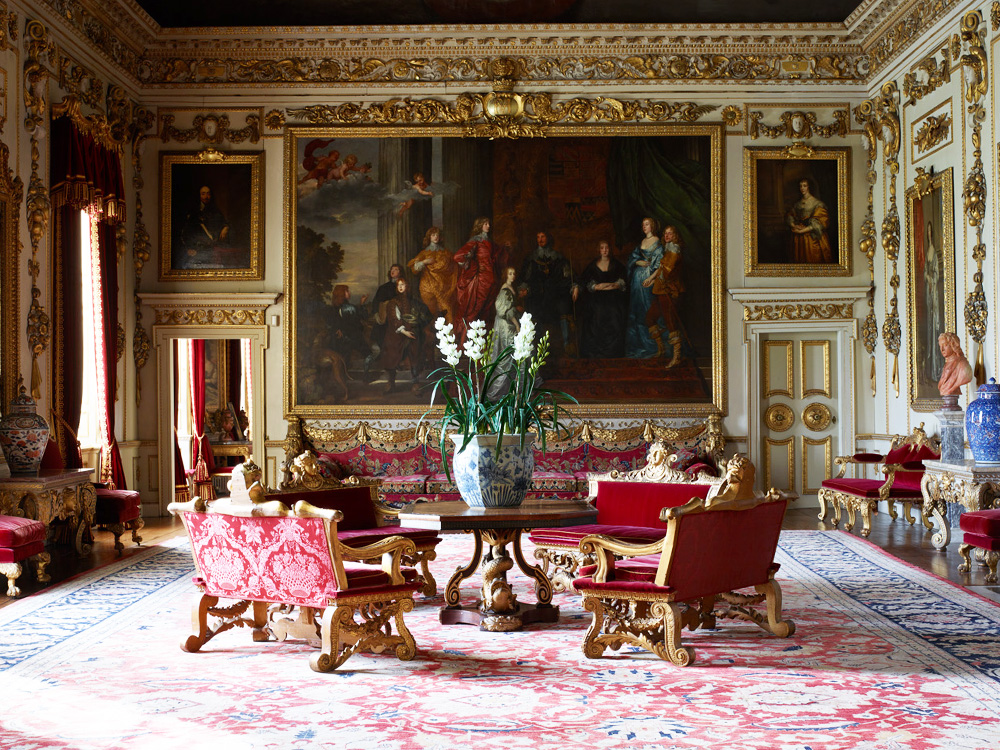
  • Wilton House (Salisbury) – Aristocratic Grandeur: Near Salisbury, Wilton House has supplied some of the grandest interiors seen in Bridgerton, including its famous Double Cube Room, which often stands in for royal spaces. It has been the country seat of the Earls of Pembroke for centuries.
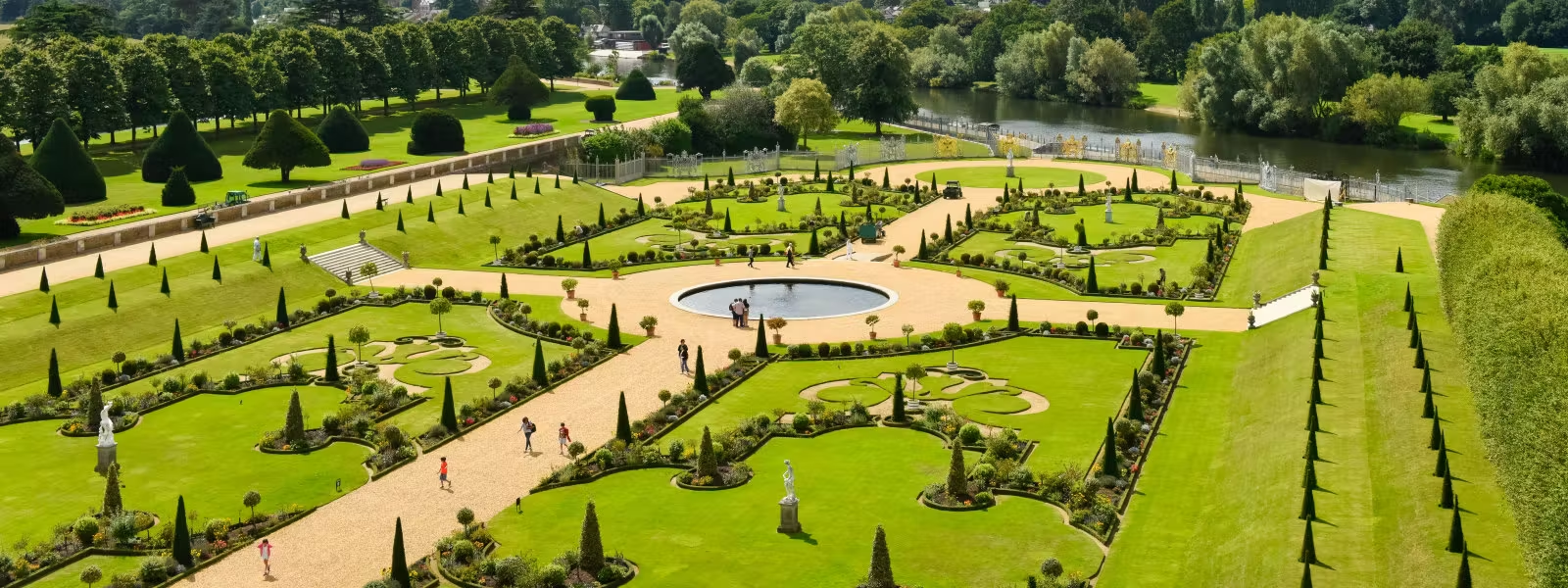
Formal gardens at Hampton Court Palace, a Bridgerton filming location
  • Castle Howard (North Yorkshire) – Drama on a Grand Scale: This monumental Baroque estate became Clyvedon Castle, the country residence of Simon Basset, Duke of Hastings, and Daphne after their marriage. Its central dome, formal architecture and surrounding landscape already possess the scale required for a grand period drama.
  • Hampton Court Palace – Much More Than a Screen Location: Closely associated with Henry VIII and later monarchs, Hampton Court Palace and its grounds frequently appear as Queen Charlotte’s royal residence. Visitors can explore Tudor and Baroque spaces, historic kitchens, royal apartments and extensive gardens.

Planning Your Bridgerton Journey

Trying to visit all these places in one short trip would miss much of the point. They are spread across different parts of England, and several deserve considerably more than a quick photograph.

Bath is the easiest place to experience several filming locations together, as much of the historic center is walkable. Ranger’s House and Hampton Court Palace fit naturally into a stay in London, although they lie in different directions and are better treated as separate outings. Wilton House works well as part of a Wiltshire itinerary, while Castle Howard belongs naturally in a Yorkshire trip, particularly if you are already visiting York.

Always check current opening days and visitor arrangements before travelling. Historic houses often operate seasonally, and conservation work, private events or ongoing filming can occasionally affect access. For instance, visitor access to the Bath Assembly Rooms may change while the National Trust develops its new Georgian experience.

Ornate State Room at Wilton House, a Bridgerton filming location

Is a Bridgerton Filming Locations Trip Worth It?

The strongest reason to visit these places is that Bridgerton does not have to carry the entire experience. Bath reveals a real Georgian city, Ranger’s House leads to an unexpected art collection, Wilton House and Castle Howard open doors to centuries of country-house history, and Hampton Court takes the story much further back into England’s royal past.

Recognizing a familiar location from the series is part of the fun, but there is no need to turn the journey into a checklist. Choose the places that fit naturally into your trip and give yourself time to discover the genuine history behind the fiction.

For more places where film and television lead to real-world discoveries, explore our Cinematic Destinations collection.

Related posts

Channel Tunnel illustration showing Eurostar and LeShuttle trains beneath the English Channel, with Folkestone and Coquelles marked above.

London–Paris via the Channel Tunnel

Travel beneath the English Channel and discover the engineering behind the Channel Tunnel. Explore its three-tunnel design, meet the construction story at Coquelles’ heritage centre, and visit Samphire Hoe’s reclaimed coastline. Then consider how this remarkable connection changed the London–Paris journey — and the choice between taking a train and flying.


Read More »
Wheelchair user boarding an accessible black cab in London

The Accessible UK

Plan wheelchair travel across the UK with guidance on transport, attractions and historic places. From London and the rail network to countryside visits, this guide covers accessibility resources, Changing Places toilets and practical steps that can make a trip easier to organise.

Read More »
Exterior of Old Trafford with Manchester United signage

Old Trafford Stadion Tour

At Old Trafford, a guided tour and the Manchester United Museum take you beyond matchday. Walk through areas including the dressing room, players’ tunnel and dugouts, discover the club’s history, and find practical information on accessibility, transport and planning your visit to Manchester’s famous football ground.

Read More »
Stanley Dock Tobacco Warehouse in Liverpool, a House of Guinness filming location

House of Guinness Filming Locations

Step beyond the screen to discover the real places behind House of Guinness. From Liverpool’s Victorian architecture and industrial docks to grand estates in North Wales, these filming locations reveal the history behind the scenery and show how real buildings and streets were transformed into 19th-century Dublin and New York.

Read More »
Exterior of Wembley Stadium with its iconic arch

Wembley Stadium Tour

Step inside Wembley Stadium, one of Britain’s most recognisable sporting landmarks. Visit the England dressing room, players’ tunnel, pitchside areas and Royal Box while discovering the history behind this iconic venue. From its famous arch to unforgettable football moments, the tour offers a fascinating look behind the scenes.

Read More »

Silverstone Circuit Tour

Silverstone is the historic home of the British Grand Prix, with more to see than the circuit itself. Compare the tour, Silverstone Museum and Heritage Track Trail, then find out which areas visitors can access, what activities are available and what to check before planning your trip.

Read More »
Scroll to Top