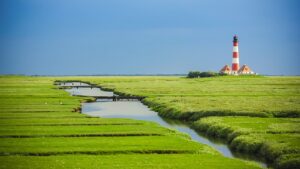
The Wadden Sea
The Wadden Sea changes with every tide, revealing broad mudflats that support migratory birds and coastal wildlife. Discover why this North Sea landscape is protected and what visitors should understand before exploring it.

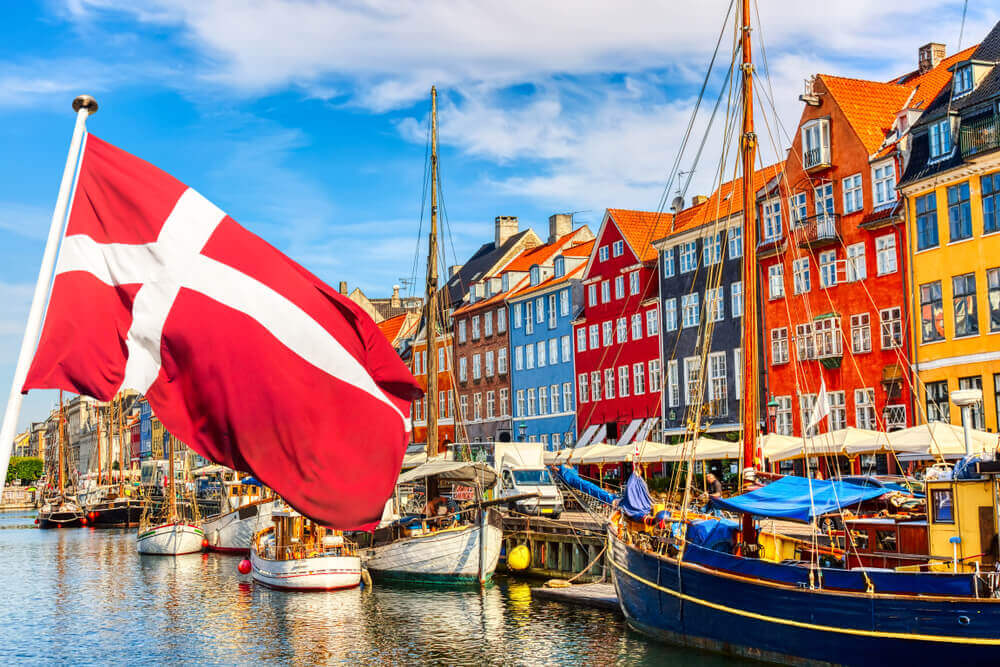
Denmark combines historic towns, contemporary design and coastal landscapes with a strong culture of everyday enjoyment. Copenhagen introduces the country through its neighbourhoods, museums and waterfront, while travelling beyond the capital reveals distinct regional experiences: Hans Christian Andersen’s Odense on Fyn, Aarhus in eastern Jutland, and the beaches, dunes and tidal landscapes farther west and north.
This Denmark travel guide brings those possibilities together with practical information on seasons, transport, safety and accessibility. Whether you prefer art museums, maritime history or an island holiday, choosing a few complementary destinations will help you experience more than Denmark’s familiar postcard scenes.
Denmark consists of the Jutland peninsula and more than 400 islands, including Zealand, where Copenhagen is located, and Fyn, also known as Funen. Greenland and the Faroe Islands belong to the Kingdom of Denmark, but their geography and travel conditions require separate planning. This guide focuses on Denmark itself.
English is widely spoken, particularly in visitor-facing businesses. Although Denmark is an EU member, it uses the krone rather than the euro, so check the currency when comparing accommodation and other bookings.
May to September suits a trip combining cities, gardens, islands and coastal activities. Summer brings long daylight hours, but rain, wind and cool evenings remain possible. Layers and a waterproof jacket are useful even when the forecast looks promising.
Spring and early autumn offer alternatives to the busiest summer weeks. Winter provides a different experience, with short days, indoor cultural activities and seasonal celebrations. Check operating calendars when planning around amusement parks, island attractions or boat excursions, as availability can change outside the main season.
For a mixed itinerary, alternate outdoor visits with museums or other indoor attractions. This makes it easier to adjust your plans without losing an entire sightseeing day to unsuitable weather.
Copenhagen brings together royal palaces, colourful harbour houses and contemporary waterfront architecture. Nyhavn introduces the city’s maritime past, while a walk beyond the historic centre reveals former harbour areas transformed into residential neighbourhoods, cultural venues and public spaces. The contrast between older streets and newer buildings makes architecture part of the sightseeing experience. Tivoli adds another side of the capital, combining landscaped gardens, entertainment and historic surroundings; check its seasonal opening calendar before planning a visit.
For modern and contemporary art, consider an excursion to the Louisiana Museum of Modern Art in Humlebæk, north of Copenhagen. Here, galleries, sculpture gardens and views across the Øresund form a connected experience. The relationship between the buildings, artworks and landscape gives the museum an appeal beyond any individual exhibition, while its changing programme offers a reason to return.
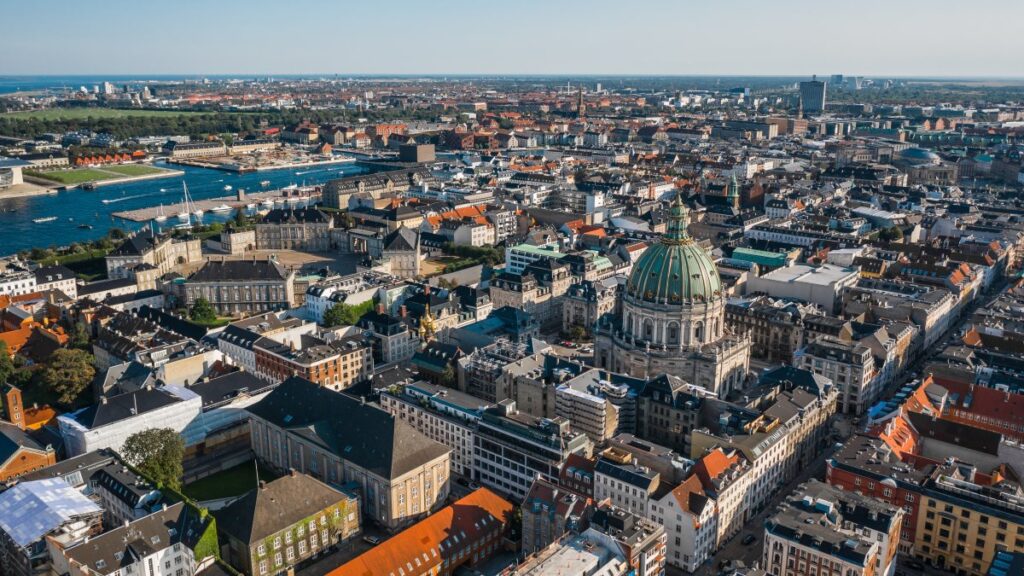
Odense, on the island of Fyn, connects Denmark’s literary heritage with contemporary museum design. The H.C. Andersen House explores the writer’s imaginative world through storytelling, exhibitions and gardens. Combine it with the older streets around his birthplace to see how the city presents a familiar historical figure through both preserved surroundings and a modern cultural attraction.
Aarhus offers another combination of historic streets, contemporary architecture and an active arts scene. Its redeveloped waterfront provides a different perspective from the older city centre, while ARoS makes visual art a substantial part of a visit. James Turrell’s As Seen Below – The Dome, which opened in June 2026, uses a domed architectural space, light and an opening to the sky to explore how we perceive colour and space. Check the museum’s programme when choosing between the installation’s different experiences.
For a stronger historical focus, Roskilde combines its cathedral with the maritime heritage explored at the Viking Ship Museum. Ribe offers a smaller setting, where older streets and the cathedral can anchor a town visit before travelling towards the southwest coast. Denmark’s UNESCO-listed places also connect with themes explored in our World Heritage collection, from historic architecture to cultural landscapes.
Beyond museums, look at local concert halls, galleries and performance programmes for your travel dates. An evening event can bring a different dimension to a city stay, complementing the buildings and historic places visited during the day.
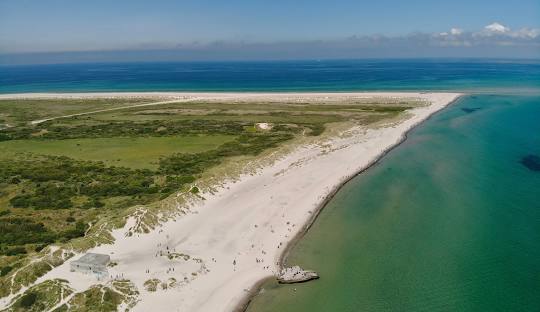
Jutland’s west coast has broad beaches, dunes and an exposed North Sea setting, while other parts of Denmark offer sheltered harbours and smaller seaside settlements. The character of a coastal holiday depends on the location: beach access, available activities and the surrounding town matter as much as the view.
At Grenen, near Skagen, the waters of the Skagerrak and Kattegat meet at the northern tip of Jutland. The changing waves and sandy landscape make it a distinctive place to observe the coast. Allow for wind, soft sand and the distance from your arrival point when deciding how to visit.
On Møn, the chalk cliffs of Møns Klint, inscribed on the UNESCO World Heritage List in 2025, reveal another side of Denmark’s geology. Exploring the area can involve woodland paths, viewpoints and substantial stair climbing to reach the beach. The descent is optional; choose a route that matches your mobility and interests.
In southwest Jutland, the Wadden Sea changes with the tides, exposing mudflats that support birds and coastal wildlife. A guided excursion explains the landscape while helping visitors navigate its changing conditions. Do not venture onto unfamiliar tidal flats without appropriate local guidance.
For an island stay, Bornholm combines sandy beaches, rocky coastlines and historic sites in the Baltic Sea. Smaller islands such as Ærø offer harbour towns and a more compact setting. Give an island enough time to become part of the holiday rather than spending most of the visit in transit.
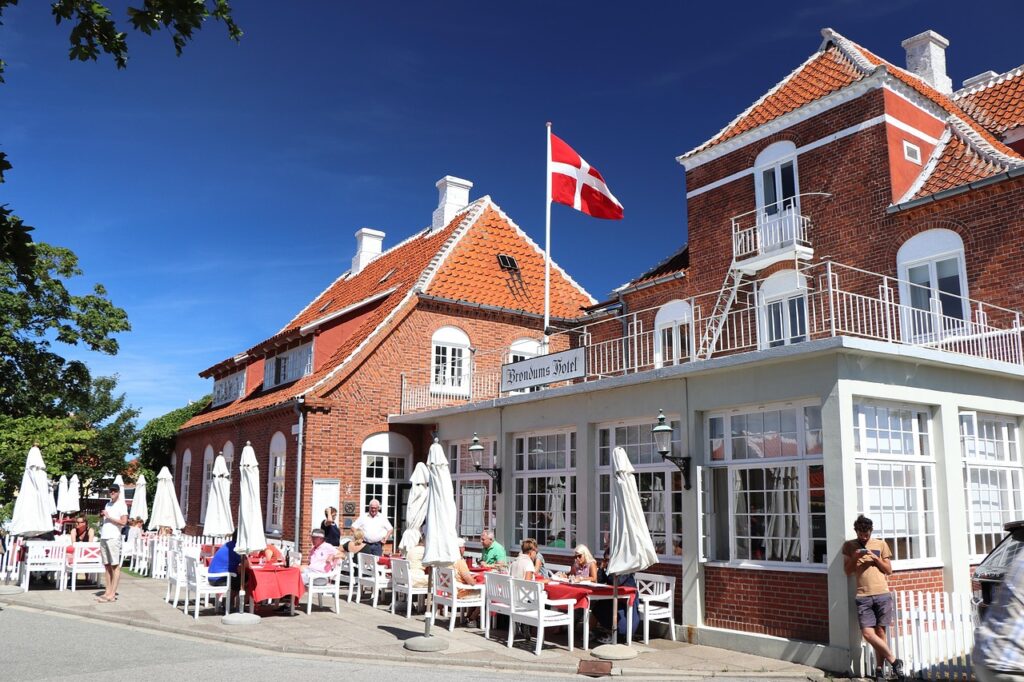
Hygge is an important part of Danish culture, shaping how people enjoy everyday life and spend time together. It describes a feeling of comfort, ease and togetherness, often found in simple moments such as sharing a meal, talking over coffee or spending a quiet evening with friends.
Smørrebrød, Denmark’s open-faced sandwich, introduces the country’s food traditions through rye bread and toppings such as herring, egg, fish or meat. Preparations range from straightforward lunches to carefully composed restaurant dishes. Other familiar foods include frikadeller, Danish meatballs, and stegt flæsk, crispy pork with parsley sauce. Bakeries offer another way to encounter local food, including wienerbrød, the pastries known internationally as Danish pastries. Denmark also helped establish the New Nordic approach to cooking, which emphasises seasonal ingredients and regional produce. A food-focused visit can combine neighbourhood cafés, markets and restaurants without depending on fine dining.
Trains connect Copenhagen, Odense and major cities in Jutland, while buses and ferries extend the public transport network. Use Rejseplanen to compare the complete journey, including local connections and the final distance to an attraction. Reaching a city centre and reaching a rural museum or coastal site can require very different arrangements.
For city stays, public transport often makes a rental car unnecessary. Copenhagen has metro, S-train and bus services, while other cities operate their own local networks. Check ticket coverage and reservation options, particularly when an intercity journey is an important part of your day.
A car becomes more useful for scattered countryside stops or accommodation with limited public transport. For island journeys, confirm ferry schedules and whether vehicle reservations are needed. Distance alone is a poor guide to travel time when a crossing or infrequent connection is involved.
Cycling is an important part of Danish daily life, but visitors should choose routes that suit their confidence and experience. Urban cycle lanes can be busy, while rural rides may involve strong wind. Pedestrians should keep cycle lanes clear and look carefully before crossing them.
Denmark offers many accessible visitor services, but historic buildings and outdoor landscapes can still present barriers. Cobbled streets, entrance steps and sandy paths may create difficulties even where the terrain is relatively gentle. Assess the approach to an attraction as well as the facilities inside it.
The official VisitDenmark accessibility guide directs travellers to resources including Access Denmark, also known as God Adgang. For accommodation, confirm entrances, lift dimensions and bathroom arrangements. Photographs and measurements can clarify whether a room will meet your specific needs.
Rail passengers requiring help boarding should consult DSB’s assistance information. Requirements vary by journey, and wheelchair spaces on InterCity services need separate attention. Confirm assistance and suitable connections before arranging activities around a particular arrival time.
A visitor centre may be accessible while an associated beach, cliff path or nature excursion is physically demanding. For travellers who can walk but tire easily, shorter routes and convenient transport between attractions can make a considerable difference. Include the return journey when assessing an activity.
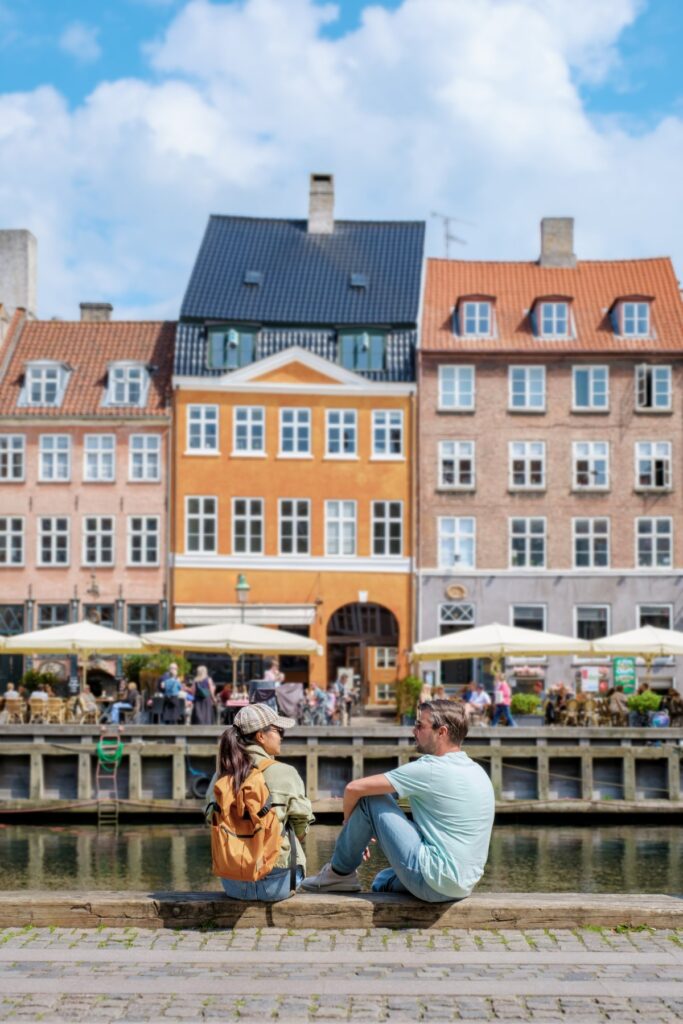
For a first visit, Copenhagen with one or two excursions is a manageable option. A longer itinerary could add Odense or Aarhus, while a nature-focused holiday might concentrate on a coastal region or island. Trying to include Skagen, Bornholm and the Wadden Sea within a short trip would involve substantial travel between widely separated destinations.
Accommodation and dining can account for a significant share of the budget. Compare the total cost of a stay, including daily transport, rather than judging value by the room rate alone. Reserve important visits and connections where necessary, then allow time to explore the surroundings between scheduled activities.
Crime levels are generally low, but pickpocketing and bag theft occur in crowded places, particularly in Copenhagen. Keep belongings secure at stations, on public transport and around sightseeing areas, and watch luggage on airport trains. The British government’s Denmark safety advice also recommends extra care in Christiania and Nørrebro late at night following instances of gang violence.
If Denmark forms part of a wider Scandinavian journey, our Norwegian fjords cruise guide can help you compare routes and scenery. Check whether the sailing you choose includes a Danish departure or port call, and allow time for any onward connections.
Keep local tide, swimming and cliff-access guidance in mind during coastal visits. With a realistic route and activities suited to your interests, Denmark offers room for both substantial cultural visits and smaller discoveries, from a harbour-side lunch to an unexpected exhibition.
The Wadden Sea changes with every tide, revealing broad mudflats that support migratory birds and coastal wildlife. Discover why this North Sea landscape is protected and what visitors should understand before exploring it.