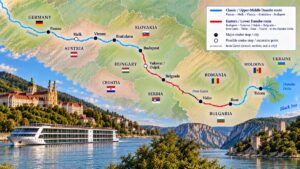
Danube River Cruise
A Danube cruise links historic cities with changing landscapes across Central and Eastern Europe. Compare route choices, including Budapest, Belgrade and the Iron Gates, and consider how much time each itinerary allows ashore.

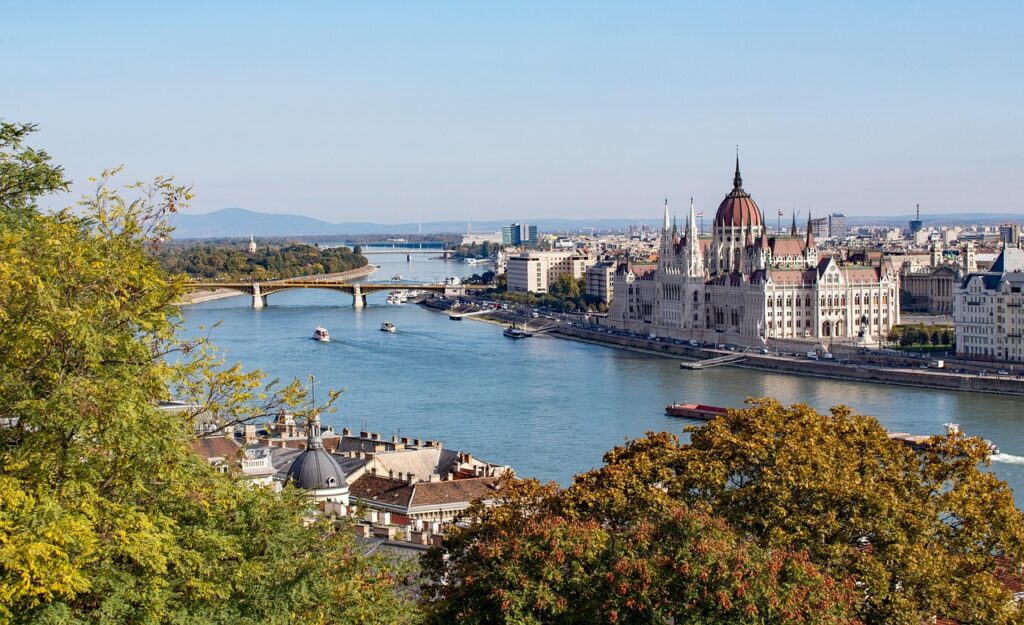
Hungary can take you from a grand Budapest café to a vineyard terrace, a castle courtyard or a steaming outdoor pool. The distances may be modest, but the experiences are far from interchangeable. Budapest’s busy boulevards, the open plains of Hortobágy and the towns around Lake Balaton each invite a different kind of day.
Part of the pleasure is leaving room for those changes of pace. Spend a morning exploring a historic town, pause over lunch, then choose between another sight and a longer soak in thermal water. This Hungary travel guide brings together places worth exploring, local food and traditions, and practical advice to help you build a trip around your own interests.
Hungarian has little resemblance to most neighbouring languages, which can make even familiar travel situations feel unfamiliar at first. English is commonly encountered in major tourist areas, but a saved address and a translation app can be useful elsewhere. Our guide to communication abroad offers practical ways to make those everyday exchanges easier.
Before adding a restaurant tip, check whether a service charge is already included in the bill. For destination ideas and regional information, the official Visit Hungary website is a useful starting point.
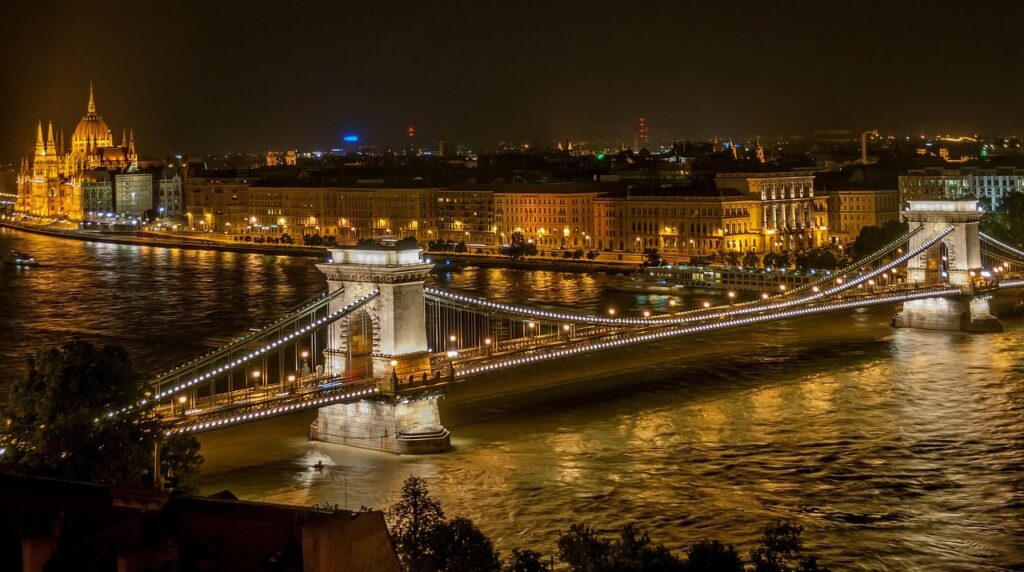
Budapest deserves more than a quick stop. The Danube separates hilly Buda from flatter Pest, with the Parliament, Buda Castle and the river’s bridges creating the city’s most recognisable views. There is plenty to explore away from the waterfront, too: market halls, museums, neighbourhood cafés and the Jewish Quarter’s historic sites all reveal different aspects of the capital.
The Széchenyi Chain Bridge, completed in 1849, was the first permanent bridge connecting Buda and Pest across the Danube. It is worth looking at as a piece of engineering as well as a familiar landmark. If arriving by water appeals to you, our Danube river cruise guide explains how Budapest fits into itineraries linking several countries.
Beyond the capital, Eger combines Baroque streets, a prominent castle and a strong wine tradition. Its historic centre gives a visit a manageable focus, while the surrounding wine region is particularly associated with Egri Bikavér, often called Bull’s Blood. Pairing the castle with time in the town offers a fuller experience than treating it as an isolated stop.
Pécs tells a different story through its Roman remains, Ottoman-era architecture and UNESCO-listed Early Christian Necropolis. Szeged, close to Hungary’s southern border, offers broad squares and distinctive Art Nouveau buildings. These cities reward travellers interested in architecture and history without expecting them to repeat a smaller version of Budapest.
Thermal bathing is woven into Hungarian life, but “a day at the baths” can mean quite different things. A historic city bath, a modern wellness complex and a natural thermal lake offer different surroundings and facilities. Think about whether you want architecture, outdoor pools, swimming or simply somewhere to spend a restful afternoon.
In Budapest, Széchenyi is known for its grand yellow buildings and outdoor pools. A visit can provide a welcome change from museums and sightseeing, though a large, popular bath is not necessarily a quiet retreat. Check the available pools, changing arrangements and current visitor rules before choosing your bath.
Near the western end of Balaton, Lake Hévíz offers bathing in a natural thermal lake. At the time of this update in October 2026, the central bath building and its adjoining “B” terrace remain closed, and lake bathing is outdoors. Check the official Hévíz visitor information for the facilities and entrances operating during your visit.
Bring swimwear, suitable footwear for wet surfaces and anything else required by your chosen venue. Swimming pools and thermal pools may have different rules, including swimming-cap requirements. Reading those details beforehand is easier than discovering them at the changing-room door.
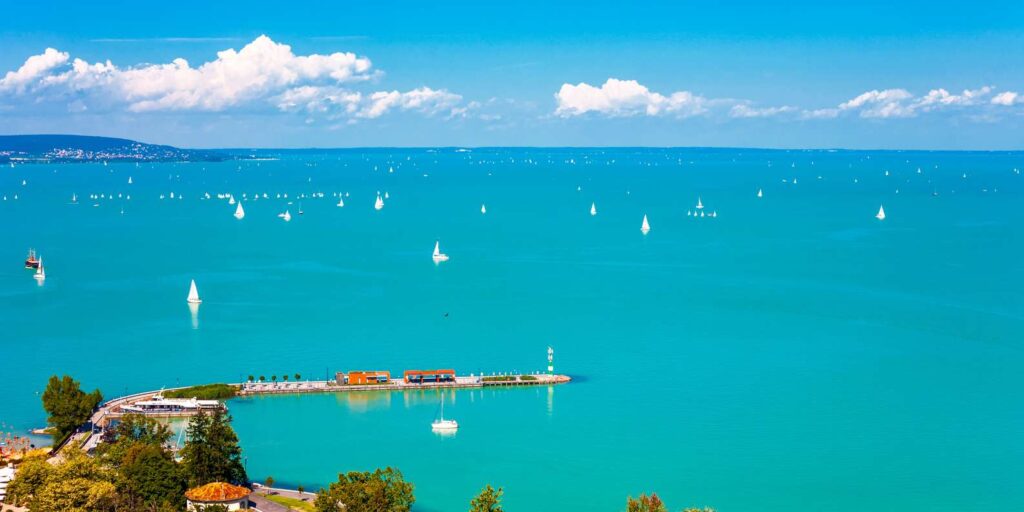
Lake Balaton is Central Europe’s largest lake and one of Hungary’s classic summer destinations. Swimming and sailing are part of its appeal, but the surrounding area also includes vineyards, cycling routes and historic towns. Around the lake, it is possible to build a holiday that alternates time by the water with visits inland.
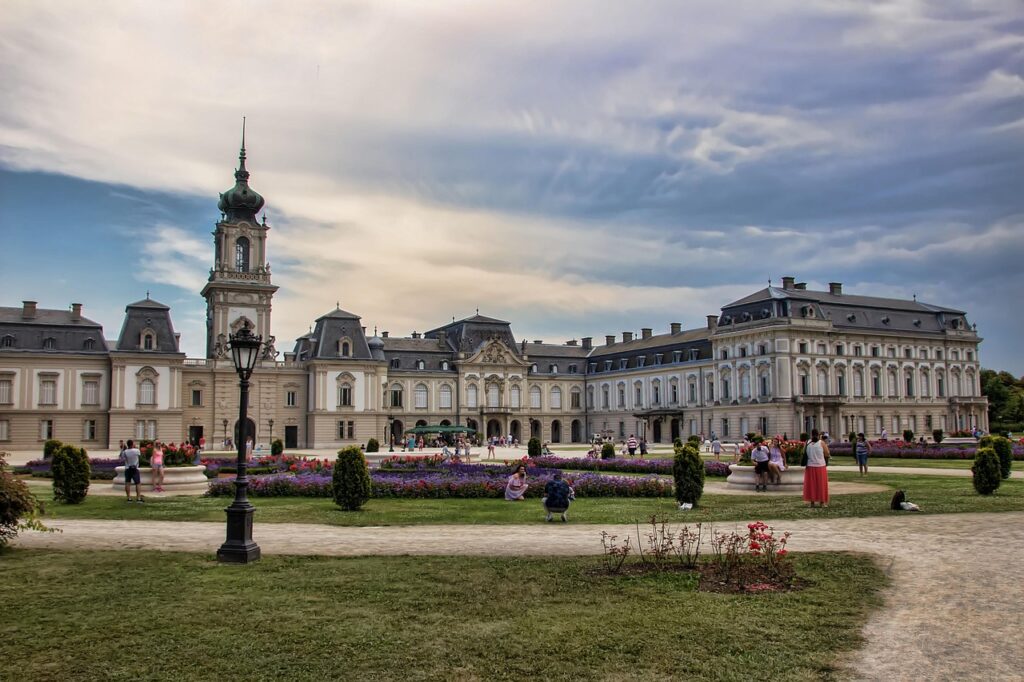
The northern shore offers places such as Tihany and the wine-growing landscapes around Badacsony, while Keszthely adds the Festetics Palace to a western Balaton itinerary. The south shore is particularly associated with summer resorts and beaches. Choosing a base according to the kind of holiday you want is more useful than treating the whole lake as a single destination.
Hortobágy introduces another landscape entirely. This UNESCO-listed part of the Hungarian puszta is shaped by open grasslands, traditional animal husbandry and shepherd culture. Its appeal lies in the scale of the plains, the birdlife and the relationship between people and the land.
In northern Hungary, the Bükk and Mátra ranges bring forests, walking routes and caves into the picture. The Mátra is home to Kékes, Hungary’s highest point. When choosing an outing, check the actual terrain and distance: a country without very high mountains can still offer demanding walks.
Hungarian culture extends well beyond the familiar images of paprika and folk costumes. Music, dance, embroidery and pottery have strong regional traditions, while contemporary concerts, exhibitions and performances form part of everyday city life. Matyó embroidery around Mezőkövesd and the colourful designs associated with Kalocsa show how local identity can remain visible in craft.
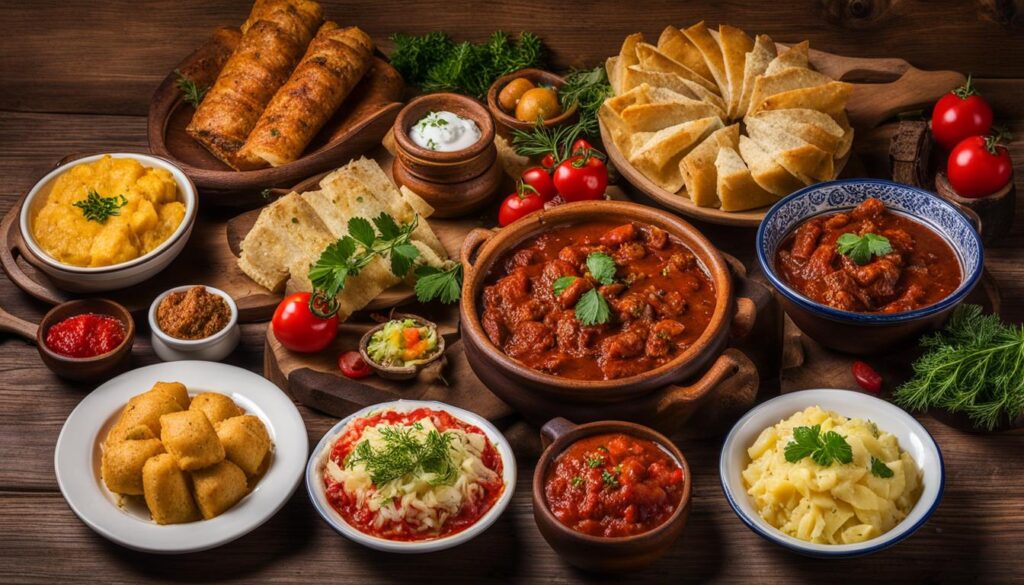
Food is another way to notice those differences. Gulyás is traditionally a soup, rather than the thick stew often served under that name abroad. Chicken paprikash with nokedli dumplings, töltött káposzta — stuffed cabbage — and freshly fried lángos are other familiar dishes. A market visit or an ordinary lunch menu can be as revealing as a carefully planned restaurant meal.
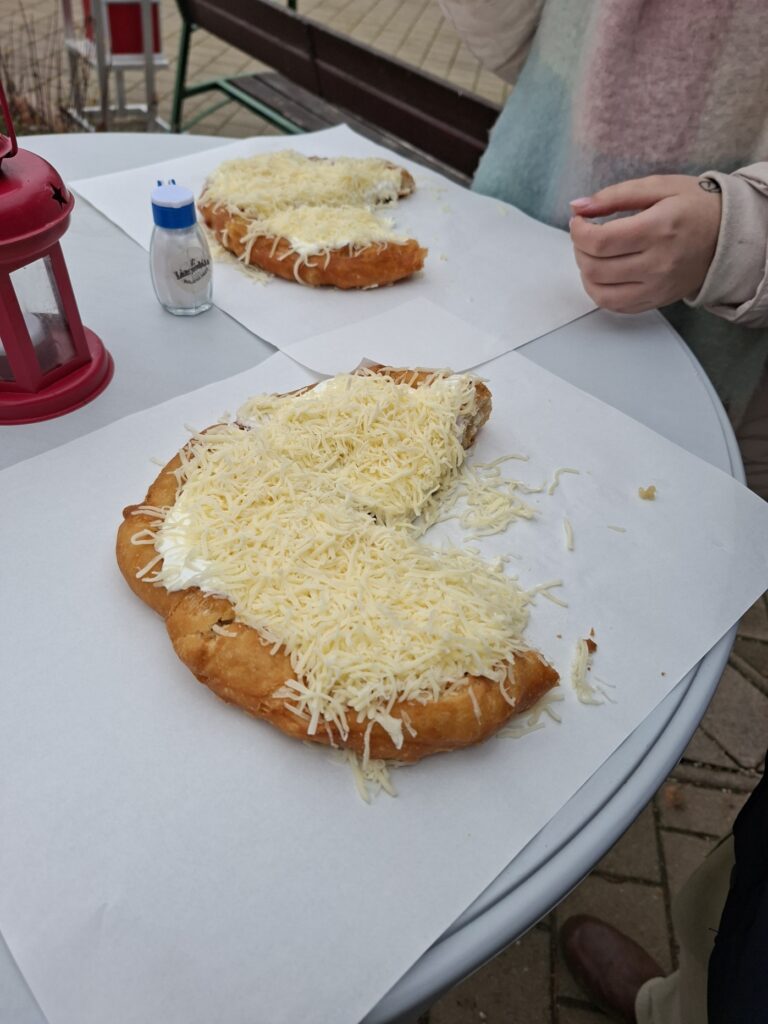
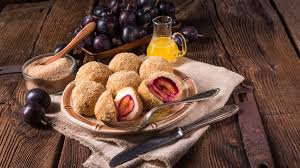
Leave room for the sweeter side of the table. Cakes, pastries and dishes such as szilvás gombóc, plum-filled potato dumplings, belong to the country’s food traditions too. For visitors, a café stop can become a small part of the day’s exploration rather than just a break between attractions.
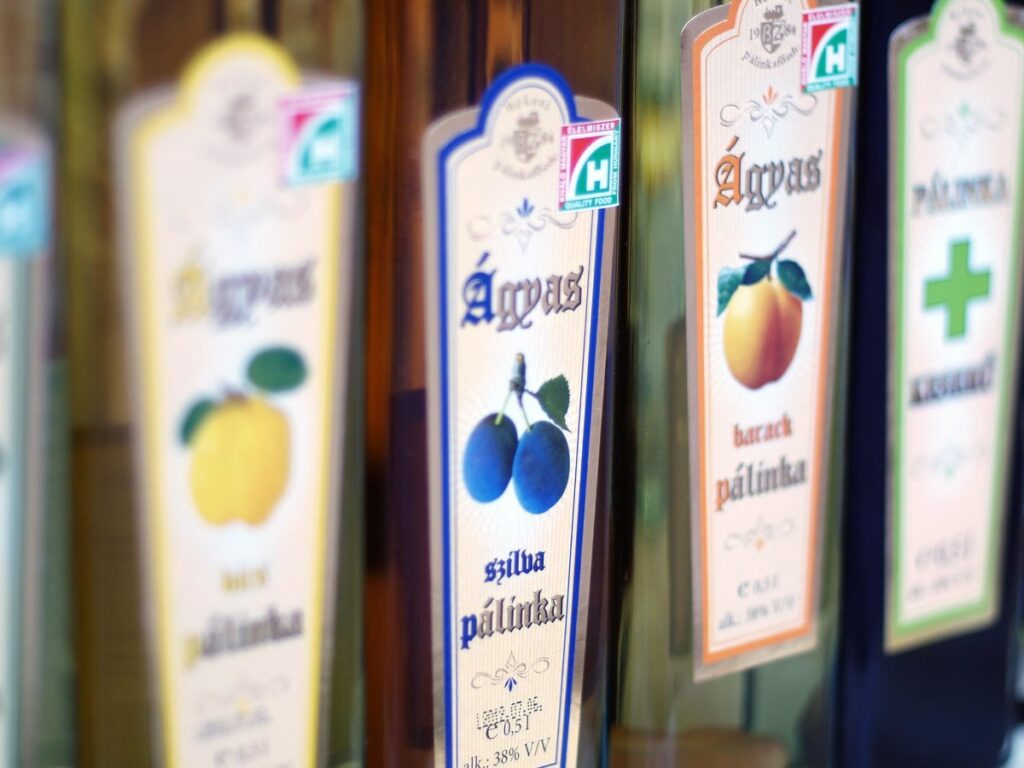
Hungarian wine also deserves attention beyond a single famous label. Tokaj is internationally known for sweet wines, but dry Furmint offers another reason to explore the region. Eger, Villány and the Balaton area introduce different styles and settings. Pálinka, a traditional fruit spirit, is another speciality, with plum and apricot among the familiar varieties.
Spring and early autumn are often comfortable seasons for sightseeing, walking and exploring towns. Gardens, terraces and countryside excursions can all fit into a trip, although weather remains changeable. These seasons are particularly appealing when your plans involve spending much of the day outdoors without making swimming the main priority.
Summer brings lake holidays, festivals and long evenings, but also hot weather and busier resorts. In Budapest, a schedule that leaves room for indoor visits or a break during the hottest part of the day can feel more comfortable. Around Balaton, the summer atmosphere is part of the attraction, so quieter travel and peak-season resort life call for different expectations.
Winter offers shorter days, colder conditions and a stronger emphasis on indoor attractions. Museums, cafés and seasonal markets can work well together, while outdoor thermal bathing has its own atmosphere. Check seasonal opening arrangements for countryside sights rather than assuming the same options will be available throughout the year.
Budapest’s metro, tram, bus and trolleybus networks make public transport a practical choice for most city visits. The official BudapestGO app combines journey planning, real-time information and ticket purchasing. Follow the validation instructions for the ticket you choose; buying a ticket and validating it are not always the same step.
Outside Budapest, trains connect the capital with many major destinations, while buses reach smaller towns and places that are less convenient by rail. Use the official MÁV Group website to check current services and journey options. Look at the complete route, including transfers and the distance from the arrival station to your accommodation or attraction.
A car becomes more useful for an itinerary involving several villages, rural sights or wine regions. For a city-based trip, however, parking and traffic may add work without adding much freedom. Choose transport around the places you actually plan to visit, and arrange an alternative to driving if wine tasting is part of the day.
Accessibility varies between cities, transport services and individual attractions. In Budapest, low-floor vehicles and step-free stations make many journeys possible, but not every route offers the same access. Consult BKK’s accessible transport information and check the relevant stops, vehicles and any service disruptions before setting out.
Historic districts, castles and older buildings can involve cobbles, slopes, stairs and uneven surfaces. When contacting an attraction, ask about the route through the visit, accessible toilets and seating, rather than only whether an accessible entrance exists. For rail travel, confirm boarding arrangements and any assistance requirements with the operator.
Thermal baths need equally specific checks. Széchenyi’s official guidance states that the building is not fully barrier-free; its visitor FAQ provides further information. Before booking any bath, ask about changing facilities, the route to the pools and how you would enter and leave the water.
Hungary works particularly well as a destination for travellers who want variety without covering huge distances.
Budapest can easily fill several days, but the country becomes more interesting when the journey continues beyond the capital. Wine regions, historic towns, lakes and rural landscapes can all be added without turning the trip into a constant race between destinations.
For us, comfortable planning also means leaving space between activities. A castle visit and an evening concert may fit together well; adding a long walk and a rushed transfer could change the whole day. As we discuss in Travelling Slower After 50, choosing what matters most leaves more room to enjoy it — whether that turns out to be a museum, a lakeside afternoon or a lunch worth lingering over.
Budapest is reason enough to come. The rest of Hungary is a good reason to stay longer.
A Danube cruise links historic cities with changing landscapes across Central and Eastern Europe. Compare route choices, including Budapest, Belgrade and the Iron Gates, and consider how much time each itinerary allows ashore.
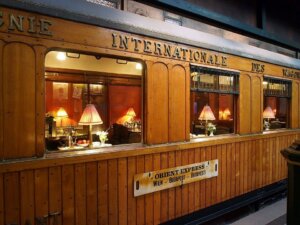
The Orient Express has defined luxury rail travel for more than a century. Discover its fascinating history, how the Venice Simplon-Orient-Express recreates the experience today, the classic routes from Paris to Venice and Istanbul, what life aboard is really like, current costs, and whether this legendary train journey is worth it.