Danube River Cruise: Routes, Itineraries and Highlights Through Eastern Europe

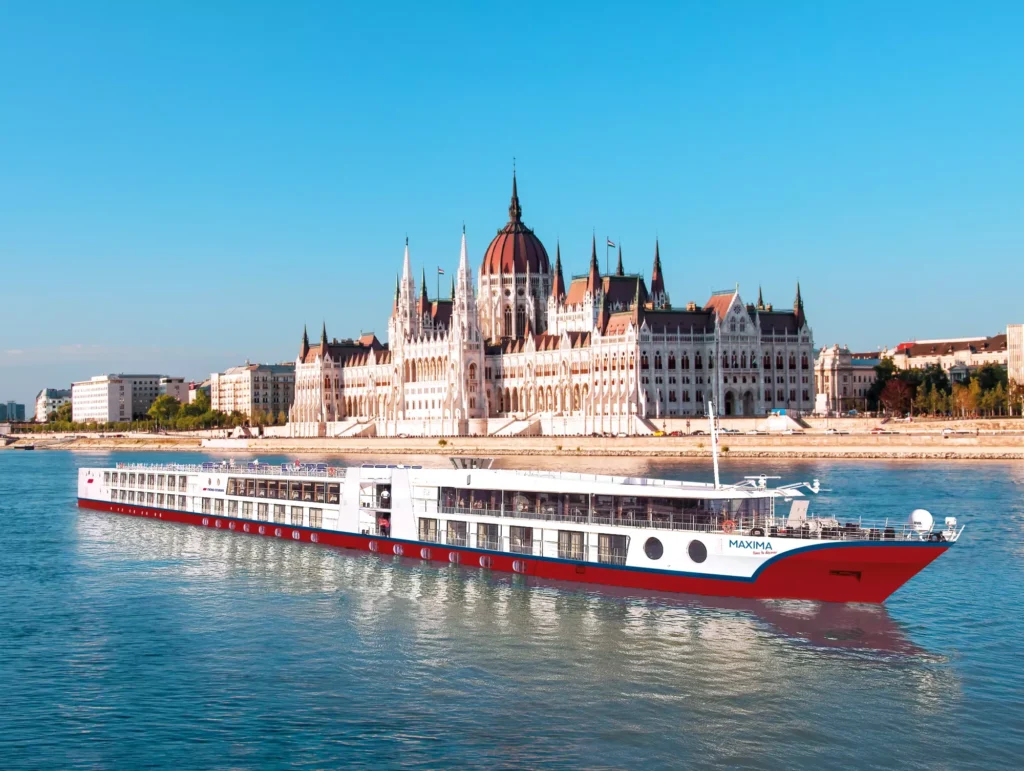
Danube river cruise ship passing the Hungarian Parliament in Budapest

A Danube river cruise offers something road trips and city breaks cannot: the landscape changes while your hotel travels with you. One day the river winds past Austrian vineyards and abbeys; a few days later it may pass fortress towns, broad plains and the dramatic cliffs of the Iron Gates.

The Danube runs for roughly 2,850 kilometres from Germany’s Black Forest towards the Black Sea and crosses or borders ten countries. Vienna, Bratislava, Budapest and Belgrade all stand directly on the river, making it possible to combine major European cities with stretches of countryside that look completely different from one another.

For first-time cruisers, however, choosing an itinerary can be confusing. A seven-night trip through Austria and Hungary is a very different experience from an eastern Danube route through Serbia, Bulgaria and Romania. Understanding those differences matters more than simply choosing the longest cruise.

Which Danube River Cruise Route Should You Choose?

Most itineraries concentrate on one section of the river rather than attempting to cover it from Germany to the Black Sea.

The best-known cruises follow the Upper and Middle Danube between Germany, Austria, Slovakia and Hungary. These routes are rich in imperial cities, historic towns, vineyards and monasteries, and they are often the easiest introduction to European river cruising.

Cruises continuing east from Budapest have a different character. Large capitals become less frequent, distances between stops feel broader, and Roman, Ottoman, Habsburg and 20th-century history overlap along the same river.

Current itineraries illustrate the difference clearly. A typical Budapest–Passau cruise can take around eight days, while a Budapest–Bucharest programme through Serbia and Bulgaria may take around eleven days including land-based time in Bucharest.

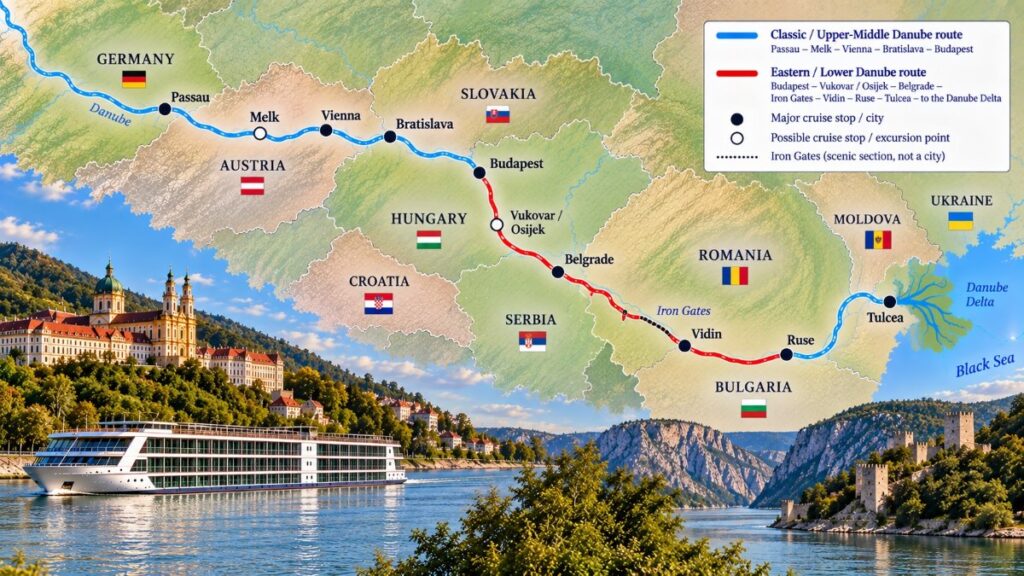
Danube river cruise routes from Passau through Vienna, Budapest and Belgrade to the Danube Delta

The Classic Upper Danube Route

For many travelers, the classic route between Passau and Budapest is what they picture when they hear “Danube river cruise.”

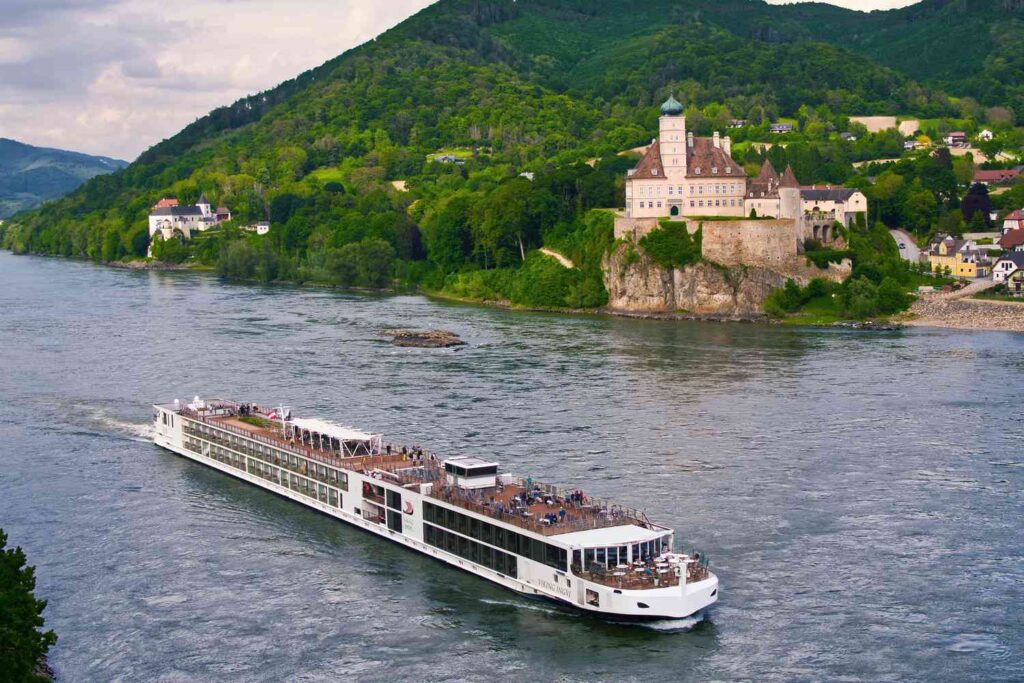
Passau, Vienna, Bratislava and Budapest are frequent stops, with the Wachau Valley providing one of the most scenic sailing sections. Between Melk and Krems, the river passes vineyard terraces, villages, monasteries, castles and ruins that form the UNESCO-listed Wachau Cultural Landscape.

Vienna brings imperial architecture, cafés and classical music into the itinerary. The Wachau Valley adds vineyards, monasteries and small riverside towns — just one part of what you can discover in our Austria travel guide.

This route works particularly well for travelers who want famous landmarks and a relatively compact introduction to Central Europe.


Eastern Danube River Cruise: Beyond Budapest

Continue downstream from Budapest and the atmosphere changes noticeably.

Eastern Danube river cruise itineraries may include Croatian stops such as Osijek or Vukovar, Belgrade in Serbia, Vidin and Ruse in Bulgaria, and Romanian connections towards Bucharest. Current Budapest–Bucharest routes also sail through the Iron Gates before continuing towards Bulgaria and Romania.

Belgrade is particularly interesting because the Danube meets the Sava beside the historic Kalemegdan fortress area. Farther downstream, medieval fortresses and smaller cities replace the sequence of imperial capitals found farther west.

This part of the Danube tends to suit travelers interested in layered history and places that receive fewer international visitors than Vienna or Budapest.

It is also worth noting one geographic detail that cruise brochures can sometimes make easy to overlook: Bucharest is not on the Danube. Cruises marketed as Budapest–Bucharest or Bucharest–Budapest normally include an overland transfer between the Romanian capital and a river port.

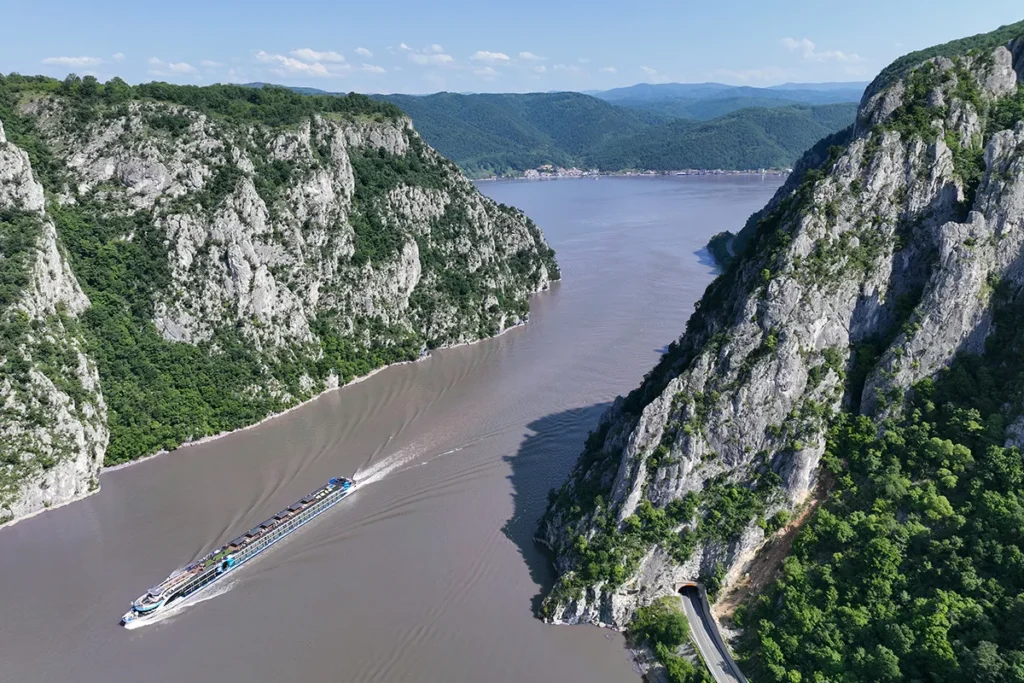
Cruise ship sailing through the Iron Gates gorge on the Danube between Serbia and Romania

The Iron Gates: The Danube at Its Most Dramatic

The Iron Gates are one of the strongest reasons to choose an eastern itinerary.

Here the Danube cuts through the mountain landscape along the Serbian–Romanian border. The wider Đerdap gorge system stretches for around 100 kilometres and contains some of the river’s most dramatic scenery.

From the ship, the attraction is not a single monument but the changing scale of the landscape: steep forested slopes, limestone cliffs, narrow passages and stretches where the river suddenly opens again.

It is one of those sections where staying on deck may be more rewarding than joining an excursion.

Lower Danube and the Danube Delta

The Lower Danube continues through and between Bulgaria, Romania, Moldova and Ukraine before reaching the Black Sea.

Not every cruise advertised as a Lower Danube itinerary reaches the Danube Delta. Many mainstream journeys finish farther upstream and use Bucharest as their final land destination, so travelers specifically wanting the delta should check the detailed itinerary rather than relying on the cruise title.

The delta itself is a very different experience from the urban stretches farther west. UNESCO describes it as the largest and best-preserved delta in Europe, with extensive lakes, marshes and channels supporting more than 300 bird species. Trips deep into this environment are generally better suited to smaller vessels and dedicated excursions than to standard river cruise ships.


Danube River Cruise Itineraries: How Many Days Do You Need?

There is no single ideal length because the route matters more than the number of nights.

Around 7–8 days works well for the classic Central European stretch linking places such as Budapest, Bratislava, Vienna and Passau.

Around 10–12 days allows more time for an eastern route between Budapest and Romania, with stops in Serbia and Bulgaria.

Two weeks or more can combine several regions or add pre- and post-cruise stays, but a longer itinerary does not necessarily mean sailing the entire Danube.

Current schedules show how varied the options are: Viking’s Budapest–Passau route runs for eight days, while its eastern itinerary between Budapest and Bucharest is eleven days. Before booking, compare the actual ports and time spent in each place rather than choosing by duration alone.


Highlights Worth Choosing a Route For

Some places are important enough to influence which section of the river you choose.

The Wachau Valley combines river scenery with vineyard terraces, villages, monasteries and historic architecture between Melk and Krems. Its cultural landscape has been on the UNESCO World Heritage List since 2000. If scenic journeys are what attract you to this part of Europe, you may also enjoy our Bernina Express guide.

Vienna is one of the strongest choices for art, architecture and imperial history.

Budapest offers one of the Danube’s most memorable cityscapes, with major landmarks rising directly above both riverbanks.

Belgrade gives an eastern itinerary a very different urban character and marks the meeting point of the Danube and Sava.

The Iron Gates provide the most dramatic natural scenery on many eastern routes.

The Danube Delta is the choice for wildlife and wetlands, but it should be sought out deliberately rather than assumed to be part of every Romanian itinerary.

Danube river cruise ship passing a historic castle in Austria's Wachau Valley

When Is the Best Time for a Danube River Cruise?

Spring and early autumn are attractive for travelers who prefer milder temperatures and long days of sightseeing without the peak heat of midsummer.

Summer provides the widest choice of departures, but popular cities can be crowded and temperatures may become uncomfortable during walking tours.

Late November and December bring a completely different type of trip, with Christmas-market itineraries concentrating particularly on Austrian, German, Slovak and Hungarian cities.

Weather on the Danube can change quickly even within the same journey, so layers and a light waterproof jacket are more useful than planning for one fixed climate.


Danube Water Levels: What Cruise Travelers Should Know

River cruises depend on conditions that ocean cruises largely avoid.

Periods of unusually low water can prevent ships from passing particular stretches safely, while very high water can occasionally create problems with bridges, locks or port access. When conditions interfere with navigation, cruise companies may alter the order of stops, use buses for part of the journey or transfer passengers between ships.

This does not mean travelers should avoid the Danube. It simply means an exact river itinerary can never be guaranteed in the same way as a railway timetable. Even current cruise operators state that itineraries and shore excursions may change.

For anyone booking primarily to see one particular destination, it is worth allowing some flexibility before and after the cruise.


Practical Tips Before Booking

Look closely at what the fare actually includes. River cruise packages vary in their approach to excursions, drinks, airport transfers, gratuities and optional activities, so two similar-looking prices may cover very different things.

Comfortable walking shoes matter more than formal clothes. Many historic European centres have cobbled streets, steps and uneven surfaces, while sightseeing days can involve several hours on foot.

Travelers with reduced mobility should check both the ship and individual excursions before booking. Our Wheeling Abroad accessible travel guides can also help with planning individual destinations. A vessel may have lifts and accessible cabins while a medieval town, fortress or steep riverbank excursion remains difficult.

Cabin location also deserves attention. Balcony cabins can be attractive, but ships sometimes dock alongside one another, temporarily blocking the view. Spending more does not guarantee a private panorama at every port.

Finally, study the day-by-day route. A cruise advertised with a famous city in its name may include only a short visit, while a lesser-known stop could turn out to be one of the highlights.

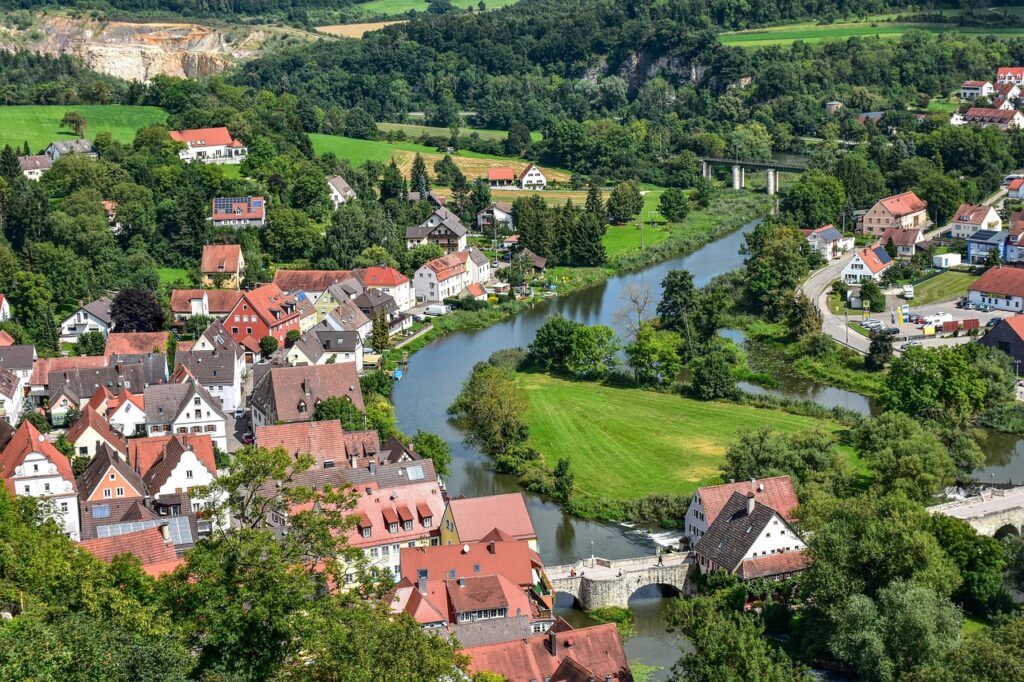
Danube River winding through a green European village landscape

Is a Danube River Cruise Worth It?

A Danube cruise makes most sense for travelers who enjoy changing scenery but dislike repeatedly packing, changing hotels and organising transport between cities.

The classic western route offers the strongest concentration of famous architecture and major capitals. The eastern Danube provides something less familiar: fortress towns, broader landscapes, Balkan history and the extraordinary passage through the Iron Gates.

It is not the best choice for travelers who want complete independence or several days in each destination. Port visits inevitably give only a sample of a city.

But as a way of seeing how Central and Southeast Europe connect through one river, the Danube is difficult to match.

For us, that is the real attraction: the journey between the destinations is not dead travel time. It is part of the experience.

Related posts

Cruise ships sailing through a protected Norwegian World Heritage fjord

Norwegian Fjords Cruise

Norway’s fjord routes explore western inlets, while northern itineraries reach Arctic landscapes. Compare Geiranger, Flåm, Lofoten and Tromsø, including seasonal light, shore excursions and rules in protected fjords.

Read More »
Traditional Amazon River cruise boat sailing through the rainforest

Amazon River Cruise

An Amazon cruise changes with the water levels and the region you choose. Compare routes around Iquitos and Manaus, the wildlife and riverside communities you may encounter, and the practical demands of small-boat excursions.
Read More »
Mediterranean cruise ships docked along the Croatian coast

Mediterranean Cruise

Mediterranean cruises can follow Western or Eastern routes, each with different ports and travel rhythms. Compare city visits, island stops and time ashore so the itinerary matches your interests and the amount of walking you enjoy.
Read More »

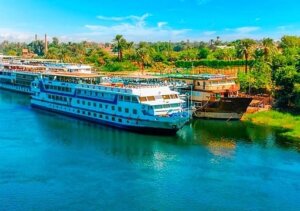
Nile River Cruise

A Nile cruise links Luxor and Aswan through temple visits and river landscapes. See how the classic route works, what changes on longer itineraries and how to plan for heat, shore excursions and archaeological sites.
Read More »

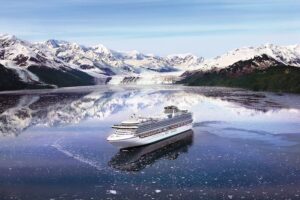
Alaska Cruise

Alaska cruises range from Inside Passage round trips to one-way Gulf of Alaska voyages. Compare ports, glaciers and inland connections, with practical advice on seasons, wildlife viewing and choosing excursions that suit your pace.
Read More »

Caribbean Cruises

Eastern, Western and Southern Caribbean routes offer different islands, ports and days at sea. Compare their landscapes and cultural stops, then choose an itinerary that fits the places you most want to visit.

Read More »
Scroll to Top