Austria: Imperial Cities and Alpine Landscapes

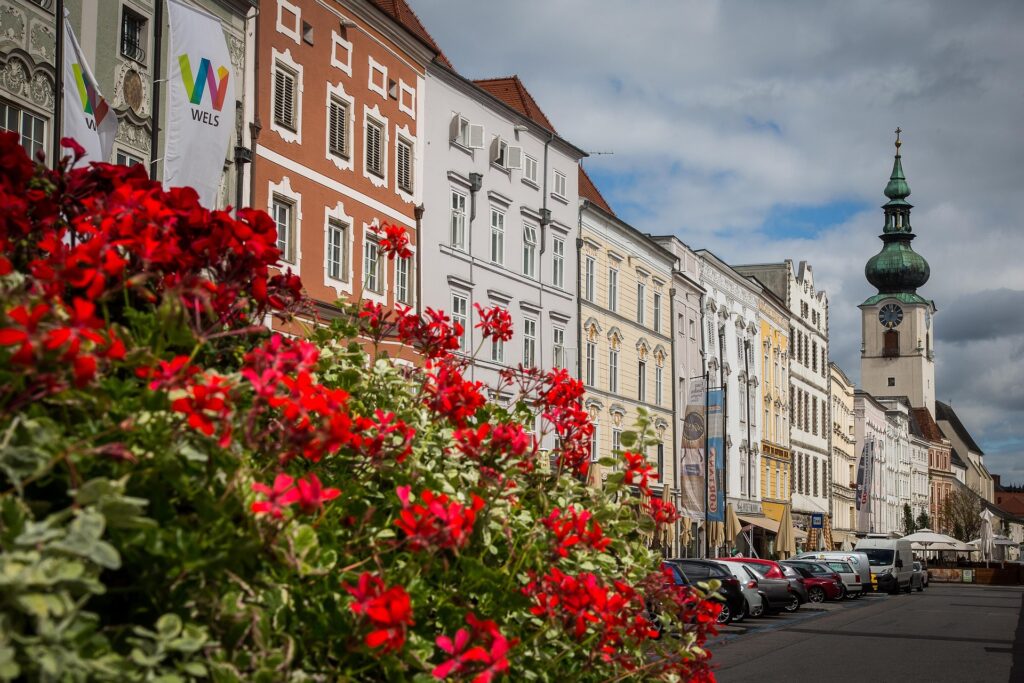
Red flowers, historic façades and a clock tower in Wels, Austria

Austria brings together experiences that suit very different travel interests: an afternoon among Vienna’s imperial collections, a lakeside stay in the Salzkammergut, or a train journey through mountain valleys. Its relatively compact size makes combining culture and scenery tempting, but choosing a few bases gives each place time to reveal its character.

The differences between regions are part of the appeal. Vienna reflects centuries as a Habsburg capital, Salzburg has a strong musical identity, and Tyrol’s towns are shaped by their mountain surroundings. Farther east, vineyards and gentler landscapes offer another side of Austria, while contemporary galleries and inventive architecture keep its cultural life firmly connected to the present.

Basic Facts at a Glance

  • Capital: Vienna
  • Region: Central Europe
  • Official language: German
  • Currency: Euro (EUR)
  • Time zone: Central European Time, UTC+1; UTC+2 during daylight saving time
  • Political structure: Federal republic with nine states
  • Power sockets: Types C and F, 230 V
  • Emergency number: 112

English is commonly used in major tourist destinations, although a few German greetings are useful in smaller towns. Austria belongs to the European Union and the Schengen Area; check the entry requirements that apply to your passport before travelling.

When to Visit Austria

Spring and early autumn are good choices for city sightseeing, gardens and wine-country visits. Summer offers longer days for lakeside holidays and mountain excursions, although popular destinations can be busy and thunderstorms can affect outdoor plans. 

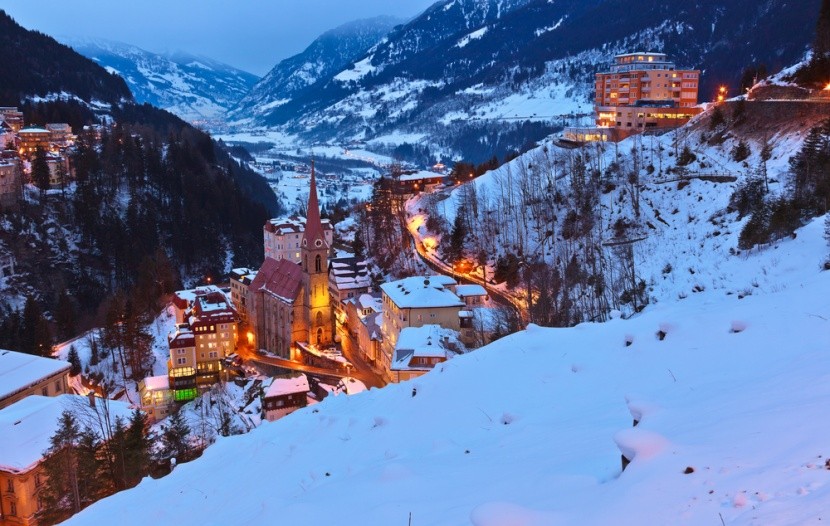
For higher-altitude hiking, summer into early autumn is generally more practical than spring, when snow may remain on trails. Conditions depend on elevation and the year, so check individual routes and lift operations before setting out. Winter suits skiing and seasonal markets, but snow conditions vary between resorts. The Grossglockner High Alpine Road normally operates from early May to early November, subject to conditions. Treat it as a seasonal excursion and check its current status before including it in a driving itinerary.

Cities and Towns Worth Your Time

Vienna rewards a stay that balances major sights with everyday pleasures. Schönbrunn and the Hofburg introduce imperial history, while museums, neighbourhood markets and coffeehouses make it easy to build a varied itinerary. For an unusual example of how the city has adapted its past, Haus des Meeres occupies a former Second World War flak tower.

Salzburg combines a baroque old town, Mozart’s legacy and the fortress above the Salzach River. Its compact centre encourages exploration on foot, with time for courtyards, churches and riverside views. Summer festival periods deserve advance planning for accommodation and performances.

 Innsbruck places a historic city centre close to mountain excursions. The Golden Roof and old-town streets provide an introduction to Tyrol, while nearby lifts offer opportunities to reach higher viewpoints. Check the weather before making the mountain portion of your visit the day’s main event.

Graz deserves attention for its old town, courtyards and distinctive architecture. Hallstatt, meanwhile, has a memorable lakeside setting but attracts heavy visitor traffic. Consider staying in the wider Salzkammergut region so that the village becomes one part of a lake holiday.

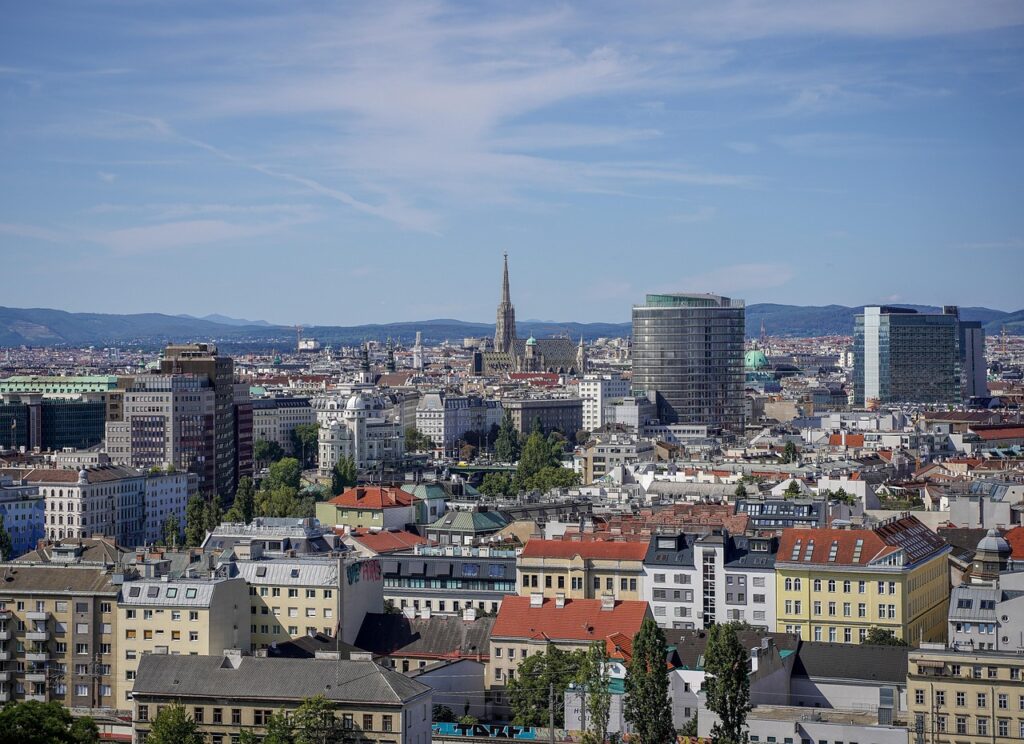
Vienna skyline with St Stephen’s Cathedral, historic rooftops and modern buildings in Austria

Lakes, Mountains and the Danube

The Salzkammergut offers several ways to enjoy Austria’s lake scenery. Wolfgangsee, Hallstätter See and Attersee have different settings and surrounding communities; choose a base according to the walks, boat services and excursions you want to combine. A lakeside stay can work well for travellers who prefer shorter outings and time to linger.

 The Alps offer everything from valley walks to demanding mountain routes. Cable cars can make some viewpoints easier to reach, but an accessible lift does not guarantee a level path at the top. Check terrain, gradients and return transport as carefully as the ascent.

For a gentler landscape, the Wachau stretches along the Danube between Melk and Krems, with vineyards, villages and historic buildings. It can form part of a land-based itinerary or a river journey; our Danube River Cruise guide explains how different routes connect the region with other European destinations.

Music, Contemporary Art and Film

Classical music remains a strong reason to visit Austria, from Vienna’s concert halls to Salzburg’s performance traditions. Choose a concert for its programme and setting, and check the organiser’s information before booking. Major festivals can also shape accommodation availability and the atmosphere of a city.

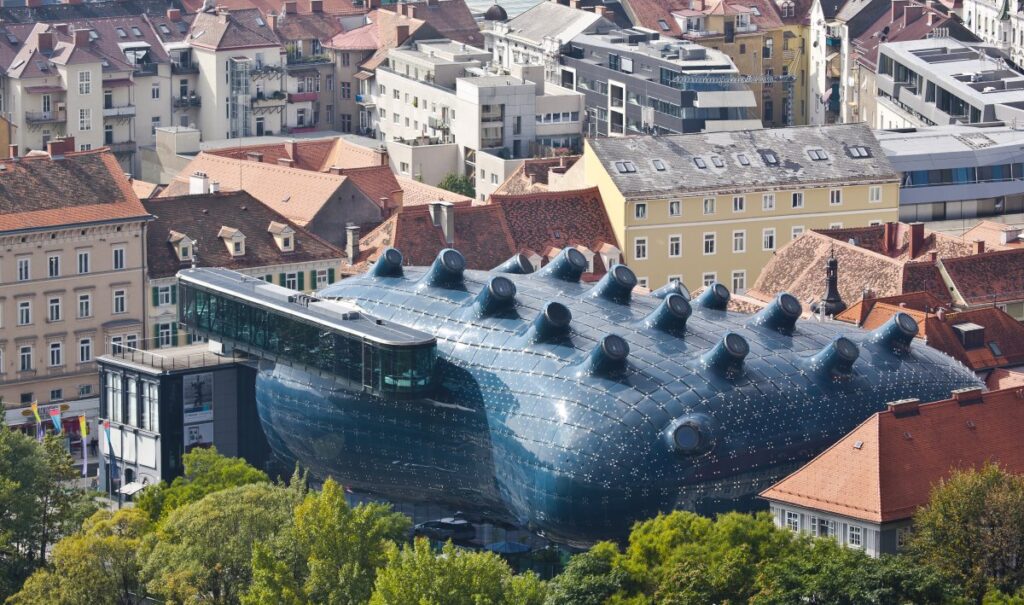
 Austria’s museums and galleries offer a broader cultural picture. Vienna’s MuseumsQuartier includes modern and contemporary art, while Kunsthaus Graz brings a striking architectural presence to the city. Kunsthaus Bregenz is another option for travellers interested in contemporary exhibitions.

Cinema provides an easy connection with Salzburg through The Sound of Music. Mirabell Gardens and other filming locations can add a familiar thread to a city walk, although the film’s story and the real von Trapp family history differ. For a change of pace, motorsport enthusiasts can consider the Red Bull Ring in Spielberg, where visits depend on the circuit’s operating calendar.

Kunsthaus Graz Ariel picture
Kunsthaus Graz Foto: Christian Plach

Food, Coffeehouses and Regional Flavours

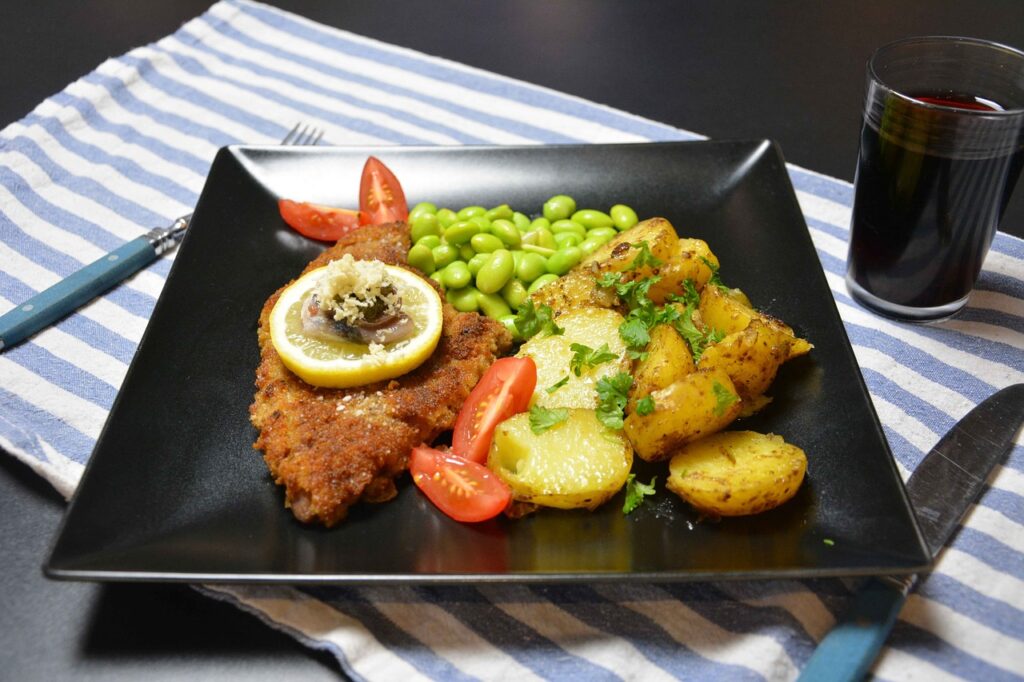
Austrian food reflects regional traditions and connections with neighbouring countries. Wiener Schnitzel is traditionally made with veal, while similar breaded dishes may use pork or chicken. Tafelspitz, served with accompaniments such as horseradish and apple sauce, offers another introduction to Viennese cooking.

Mountain regions have their own hearty dishes, including Tiroler Gröstl, a potato-and-meat skillet dish, and Käsespätzle, soft egg noodles with cheese. In Carinthia, Kärntner Kasnudeln are filled pasta parcels whose ingredients vary. Looking for regional dishes makes meals part of discovering the country.

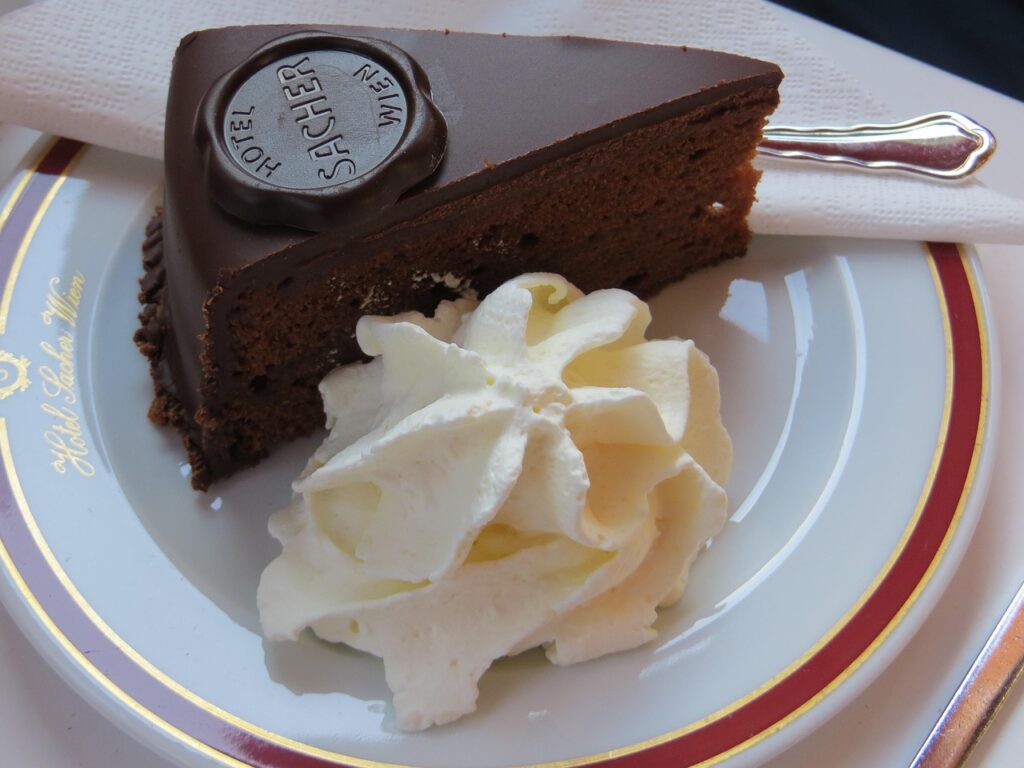
Coffeehouses invite a slower stop over a Melange, apple strudel or Sachertorte. In wine-growing areas, a Heuriger offers another local tradition: wine served with simple food in an informal setting. Check opening days before making a special trip to a particular tavern.

Slice of Sachertorte with chocolate icing and whipped cream on a plate
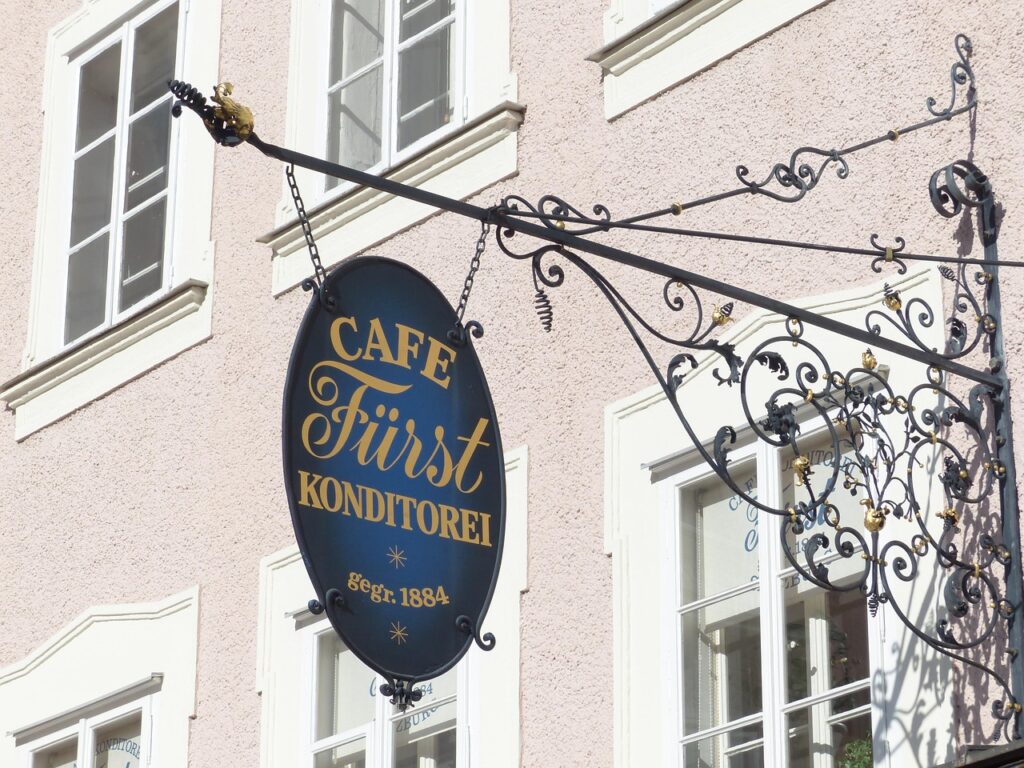
Ornate Café Fürst confectionery sign on a historic building in Salzburg, Austria
Breaded schnitzel served with potatoes, peas, tomatoes and a lemon slice

Getting Around Austria

Trains are a practical starting point for an itinerary linking Vienna, Salzburg, Innsbruck and other major cities. Compare connections through ÖBB, and allow time for local transport at either end. Lakeside villages and mountain destinations may require additional bus, boat or lift connections.

A car can help when visiting scattered rural sights, but parking and road conditions need planning. Most motorways and expressways require a vignette, and some routes have separate tolls. Check the official ASFINAG guidance before purchasing: certain digital products bought online by private consumers have a waiting period, while one-day and ten-day vignettes are exempt from that delay.

Avoid measuring an itinerary only by distance. Mountain roads, transfers and sightseeing stops can turn a short journey into a substantial part of the day.

Practical Advice and Accessibility

For a manageable first visit, consider one city base and one lake or mountain base. Vienna with Salzburg and the surrounding lake region creates a varied route; Innsbruck makes more sense when Tyrol is a priority. Leave space for weather changes instead of assigning every day a fixed outdoor activity.

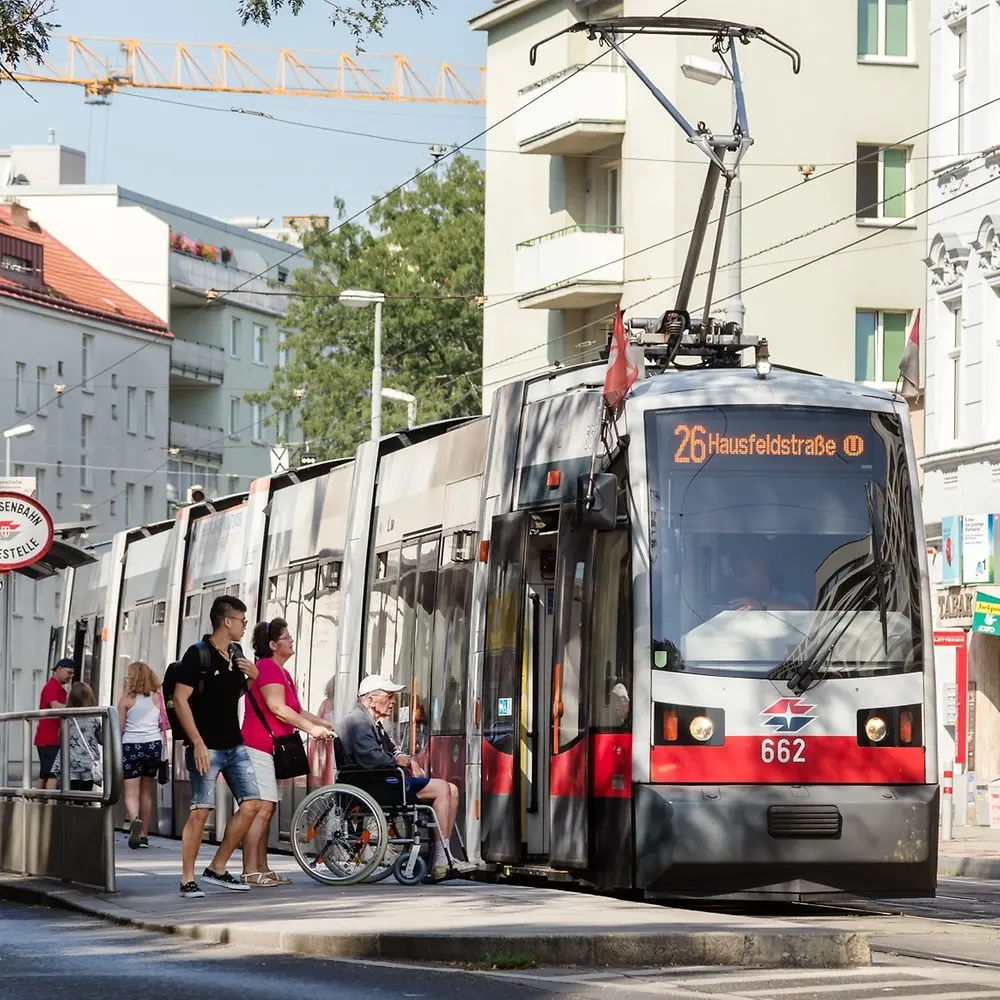
Travellers with limited mobility should check the details of each attraction, hotel and transport connection. Historic streets, slopes and older buildings can present obstacles, while many museums and visitor facilities offer useful adaptations. Austria’s official accessible-travel information is a starting point for identifying suitable options.

If you need help boarding trains, arrange it through the ÖBB Mobility Service and check the notice required for your journey. Confirm hotel access directly, including entrance steps, lift dimensions and bathroom arrangements. These details make it easier to choose a comfortable base and enjoy Austria at your own pace.

Wheelchair user beside a tram at a stop in Vienna, Austria

Related posts

Unlocking the Red Bull Ring Spielberg

Spielberg’s Red Bull Ring offers more than the Austrian Grand Prix. This guide covers the official circuit tour, Welcome Center and driving experiences, along with accessibility and tips for planning a visit. See what makes the venue worth a stop even when no major race is on the calendar.

Read More »
Swarovski crystals being applied by hand during a decorative design process

The Magic of Swarovski

Swarovski Crystal Worlds in Wattens is built around art and design, while the separate Manufaktur experience focuses more closely on production. Compare the two before planning a visit, so you know what each includes.

Read More »
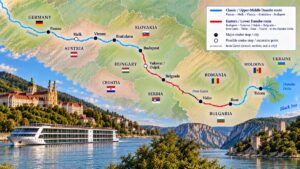
Danube river cruise routes from Passau through Vienna, Budapest and Belgrade to the Danube Delta

Danube River Cruise

A Danube cruise links historic cities with changing landscapes across Central and Eastern Europe. Compare route choices, including Budapest, Belgrade and the Iron Gates, and consider how much time each itinerary allows ashore.

Read More »
Child watching fish at Haus des Meeres aquarium in Vienna

Haus des Meeres, Vienna

Discover Haus des Meeres in Vienna, where a massive WWII flak tower has been transformed into a remarkable vertical zoo and aquarium. Explore tropical habitats, marine life, wartime history and panoramic city views while discovering how one of Vienna’s most imposing military structures found an extraordinary second life.

Read More »
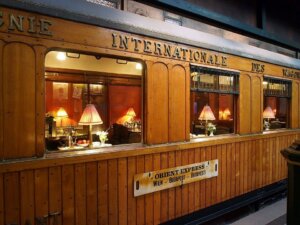
Historic Orient Express dining car with original wooden interior

Orient Express

The Orient Express has defined luxury rail travel for more than a century. Discover its fascinating history, how the Venice Simplon-Orient-Express recreates the experience today, the classic routes from Paris to Venice and Istanbul, what life aboard is really like, current costs, and whether this legendary train journey is worth it.

Read More »
Scroll to Top