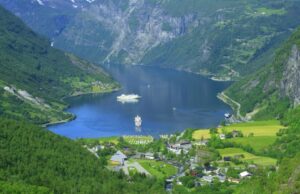
Norwegian Fjords Cruise
Norway’s fjord routes explore western inlets, while northern itineraries reach Arctic landscapes. Compare Geiranger, Flåm, Lofoten and Tromsø, including seasonal light, shore excursions and rules in protected fjords.

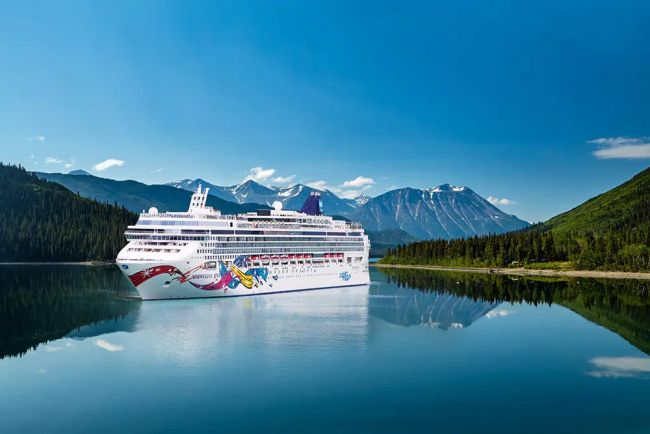
An Alaska cruise combines coastal landscapes, glaciers and wildlife with access to communities that can be difficult to include in a conventional road trip. The Inside Passage winds through islands and narrow waterways, while longer routes continue across the Gulf of Alaska towards Southcentral Alaska.
But not every Alaska cruise follows the same route. Some make a convenient round trip from Vancouver or Seattle, while others travel one way between the Pacific Northwest and Alaska, creating opportunities to continue exploring the state by land.
Choosing the right itinerary therefore starts with understanding where the ship actually goes.
Most first-time travellers will encounter two broad types of itinerary.
The Inside Passage runs through protected coastal waterways between islands, forested mountains and narrow channels in Southeast Alaska. Cruise itineraries commonly visit ports such as Ketchikan, Juneau and Skagway, although the exact combination varies. Round-trip cruises usually begin and end in the same city, commonly Vancouver or Seattle. This makes them relatively straightforward to organise, particularly for travellers who want to concentrate on Southeast Alaska without adding a separate land journey.
Gulf of Alaska and One-Way Cruises travel farther north, usually connecting Vancouver with Seward or Whittier in Southcentral Alaska, or operating the same route in reverse. These journeys are particularly useful for travellers who want to combine a cruise with time on land. From Seward or Whittier, it is possible to continue towards Anchorage and farther into Alaska rather than immediately flying home. A one-way itinerary therefore requires slightly more travel planning, but it can turn the cruise into one part of a longer Alaska journey. For an overview of the different possibilities, the official Travel Alaska cruise guide provides a useful introduction.
When comparing Alaska cruises, look beyond the list of ports. The scenic cruising days can be among the most important parts of the itinerary. Glacier Bay National Park is one of the best-known examples, but it should never be assumed that an Alaska cruise will visit it. Cruise ship access to Glacier Bay is regulated, and only permitted vessels can enter the park.
Ships visiting Glacier Bay do not dock within the national park. Instead, the journey itself becomes the visit, typically taking much of the day as the ship travels through a landscape of mountains and tidewater glaciers. National Park Service rangers board cruise ships visiting Glacier Bay to provide interpretation, presentations and information about the park. You can check what to expect on the official Glacier Bay National Park cruise page.
Glacier Bay is not the only possibility. Depending on the itinerary, ships may visit or cruise near other glacier areas, including Hubbard Glacier, College Fjord or Endicott Arm. Rather than choosing a cruise simply because it advertises “glacier viewing,” check the detailed itinerary and identify exactly which glacier or fjord is included.
The major Inside Passage ports offer very different experiences, which makes the combination of stops almost as important as their number.
Juneau, Alaska’s capital combines mountain scenery with easy access to outdoor experiences. The Mendenhall Glacier area is one of its best-known attractions, while boat excursions from Juneau offer opportunities for whale and wildlife watching. Juneau is unusual among American state capitals because there is no road connecting it to the rest of the continental road network. For cruise passengers, its position between mountains and water is part of its appeal.
Skagway‘s identity is closely connected with the Klondike Gold Rush. Thousands of prospectors passed through this region on their way towards the Yukon goldfields at the end of the 19th century. Much of that history is preserved in the Klondike Gold Rush National Historical Park. Another way to explore the landscape and history is the White Pass & Yukon Route Railway, a narrow-gauge railway built during the Klondike Gold Rush era. From Skagway, trains climb into the mountains along a route originally constructed to connect the coast with the interior.
Ketchikan offers a different introduction to Southeast Alaska. The town is surrounded by the vast Tongass National Forest and has strong connections with Alaska Native culture. Totem poles can be seen in and around the city, including collections at Totem Bight State Historical Park and the Totem Heritage Center. Ketchikan is also a gateway for excursions into the surrounding coastal landscape, including Misty Fjords National Monument.
Wildlife is one of the great attractions of cruising Alaska, but sightings depend on location, season, weather and luck.
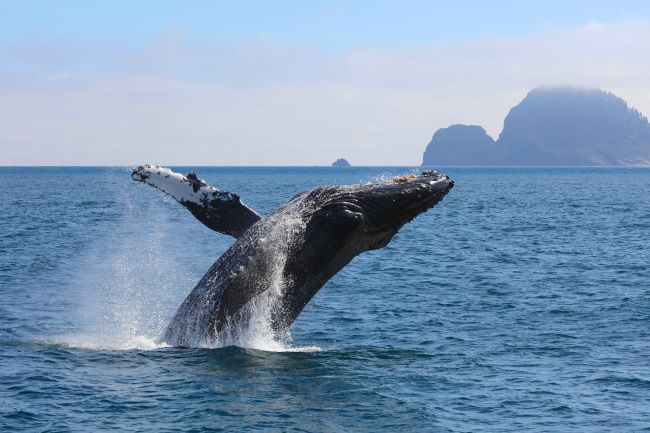
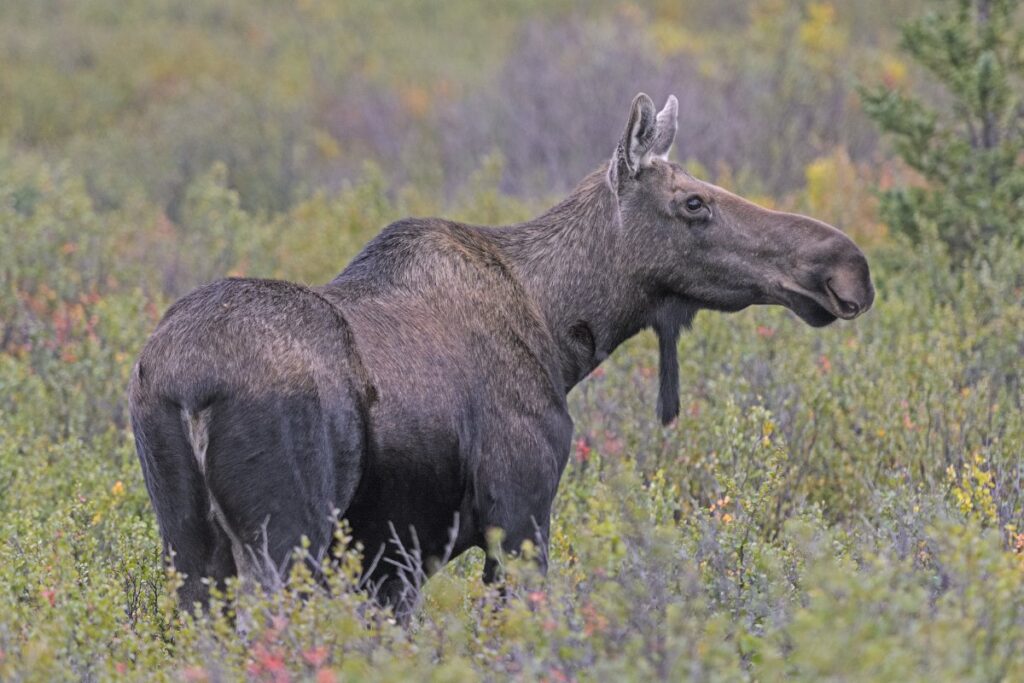
The coastal waters support humpback whales, orcas, sea otters, seals and sea lions, while bald eagles are frequently seen around Southeast Alaska. Bears, mountain goats and other land animals may occasionally be spotted from ships or during excursions.
Glacier Bay supports a particularly diverse range of wildlife, with opportunities to see animals including humpback whales, sea otters, brown bears and seabirds.
However, an Alaska cruise should not be treated as a guaranteed wildlife checklist. Animals move freely across enormous habitats, and a dedicated wildlife excursion can provide a very different experience from watching from the deck of a large ship.
The main Alaska cruise season runs through the warmer months, with most cruises operating between May and September, although some sailings extend beyond this period. There is no universally best month. Early-season voyages can bring snow-covered mountains and fewer summer visitors, while the long daylight hours around midsummer provide more time to enjoy the scenery. Later in the season, landscapes and weather conditions change again. Rain is possible throughout the cruise season, particularly in Southeast Alaska, and conditions can vary considerably between ports on the same journey.
Wildlife patterns also change through the season. If seeing a particular species or natural event is especially important to you, research that specific experience rather than choosing a month based on a general promise of “the best wildlife.”
Variable weather makes layers more useful than one very heavy item of clothing.
The goal is flexibility. A sunny afternoon in port and a cold, windy morning near a glacier can occur during the same journey.
Before booking, check how long the vessel spends in each port and whether that gives you enough time to experience the places that matter most to you.
If you plan to extend your journey on land, look carefully at the distances involved. Denali National Park is a popular addition to an Alaska trip, but reaching it requires additional travel time.
Allow enough time between the cruise and any land-based plans. Alaska’s distances are considerable, and journeys that appear short on a map can take much of the day. Building some flexibility into your schedule can make the transition from ship to road or rail considerably easier.

Norway’s fjord routes explore western inlets, while northern itineraries reach Arctic landscapes. Compare Geiranger, Flåm, Lofoten and Tromsø, including seasonal light, shore excursions and rules in protected fjords.

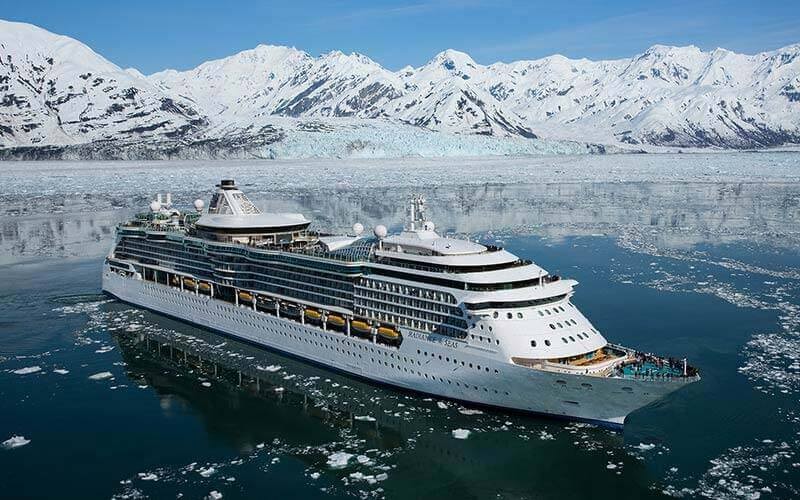
A Danube cruise links historic cities with changing landscapes across Central and Eastern Europe. Compare route choices, including Budapest, Belgrade and the Iron Gates, and consider how much time each itinerary allows ashore.
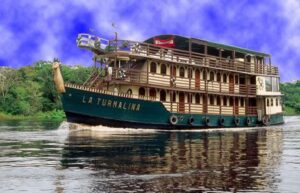
An Amazon cruise changes with the water levels and the region you choose. Compare routes around Iquitos and Manaus, the wildlife and riverside communities you may encounter, and the practical demands of small-boat excursions.
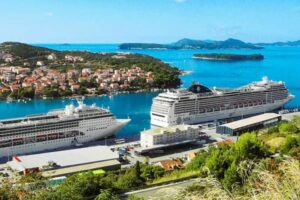
Mediterranean cruises can follow Western or Eastern routes, each with different ports and travel rhythms. Compare city visits, island stops and time ashore so the itinerary matches your interests and the amount of walking you enjoy.
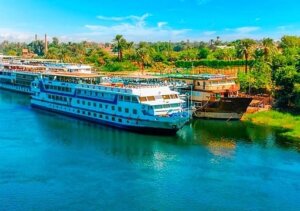
A Nile cruise links Luxor and Aswan through temple visits and river landscapes. See how the classic route works, what changes on longer itineraries and how to plan for heat, shore excursions and archaeological sites.
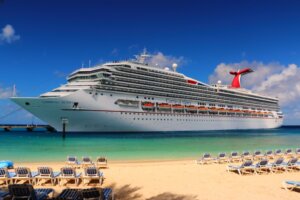
Eastern, Western and Southern Caribbean routes offer different islands, ports and days at sea. Compare their landscapes and cultural stops, then choose an itinerary that fits the places you most want to visit.