



Spain Travel Guide – Culture, Cities, Food and Mediterranean Escapes

Barcelona city view featured in our Spain Travel Guide

Why Visit Spain?

Spain is far more than sunshine, beaches and a handful of famous cities. This Spain Travel Guide explores a country where each region brings something different: Barcelona and Catalonia, Madrid and its great museums, the Moorish heritage of Andalusia, the green Atlantic landscapes of Galicia and the distinctive culture and cuisine of the Basque Country.

History and architecture are among Spain’s greatest attractions. You can move from the Alhambra’s Islamic architecture in Granada to medieval streets, Gothic cathedrals and royal palaces, or discover the extraordinary modernist buildings of Antoni Gaudí in Barcelona.

Food is just as regional. Tapas may be Spain’s best-known dining tradition, but travel around the country introduces you to Valencian rice dishes, Basque pintxos, Andalusian gazpacho, Galician seafood, Iberian ham and wines from Rioja and Ribera del Duero.

And Spain’s natural attractions extend far beyond its Mediterranean beaches. The Pyrenees, Picos de Europa, Atlantic coast, volcanic Canary Islands and quieter rural landscapes make the country equally rewarding for road trips, walking holidays and slower journeys.

Travel tip: Spain is difficult to appreciate properly if you try to see too much in one trip. For a first visit, choosing one or two regions often creates a better experience than racing between Barcelona, Madrid, Andalusia and the islands.

Basic Facts at a Glance

  • Capital: Madrid
  • Region: Southwestern Europe / Iberian Peninsula
  • Population: About 49.8 million
  • Official language: Spanish; several regional languages also have official status in their respective autonomous communities
  • Currency: Euro (EUR)
  • Time zone: CET (UTC+1) / CEST (UTC+2) in summer; the Canary Islands are one hour behind mainland Spain

Fun fact: Spain is the world’s largest producer of olive oil, with Andalusia at the heart of the country’s olive-growing industry.

Climate and Best Time to Visit Spain

Spain’s climate varies significantly by region. Mediterranean areas generally have hot, dry summers and mild winters, while central Spain experiences greater temperature extremes. Northern Atlantic regions tend to be cooler and wetter, and the Canary Islands enjoy a mild subtropical climate.

For many travellers, the best time to visit Spain is spring or autumn, particularly from April to June and September to October. Temperatures are usually more comfortable for sightseeing, while many destinations are less crowded than during July and August. Spring is especially appealing for exploring historic cities, enjoying outdoor cafés and seeing the countryside at its greenest before the intense summer heat arrives.

Summer can be extremely hot in inland and southern cities. Temperatures above 40°C (104°F) are possible during heatwaves, particularly in Andalusia and central Spain.

Winter should not automatically be ruled out. Madrid and northern Spain can be cold, but southern destinations and the Canary Islands can offer attractive alternatives to the peak summer season.

If you prefer travelling once the busiest summer period has passed, our Europe in September After 50 guide explains why early autumn can be one of the most comfortable times to explore destinations including Spain.

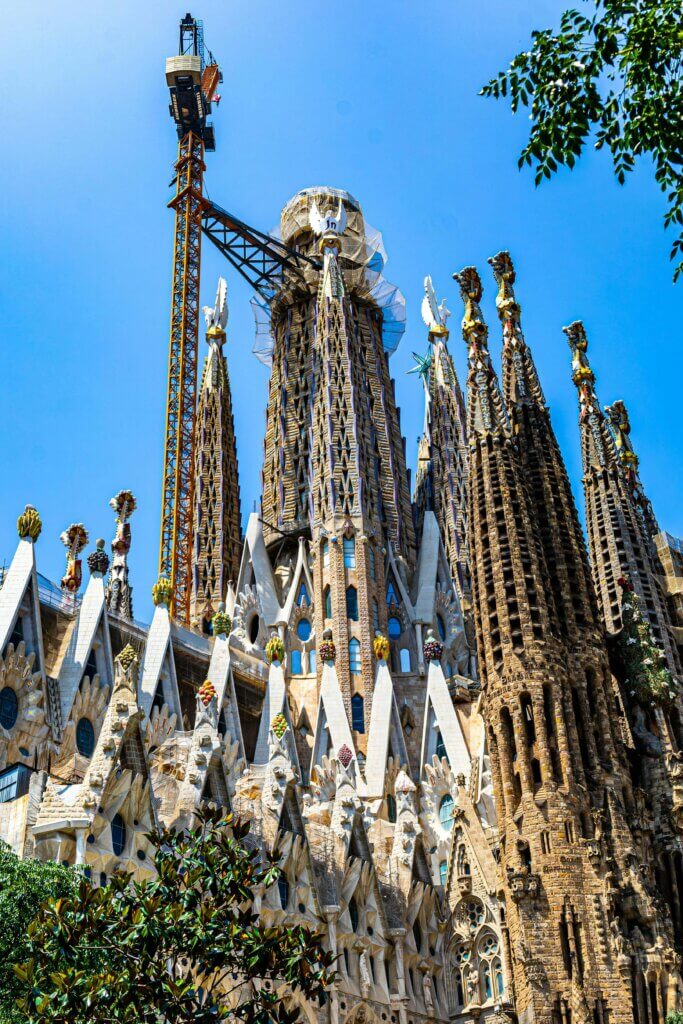
Sagrada Família basilica under construction in Barcelona, Spain

Best Places to Visit in Spain

Cities & Towns

  • Madrid: Spain’s capital combines the Royal Palace, Prado Museum, Retiro Park, historic neighbourhoods and an energetic food scene.
  • Barcelona: Famous for Gaudí’s architecture, the Gothic Quarter, Mediterranean waterfront and one of Europe’s most distinctive cityscapes.
  • Seville: One of the best places to experience Andalusian architecture, flamenco culture and landmarks including the Royal Alcázar.
  • Granada: Best known for the Alhambra, with the Sierra Nevada creating a spectacular backdrop.
  • Valencia: A fascinating combination of historic streets, beaches, the futuristic City of Arts and Sciences and the birthplace of paella.
  • Córdoba: Its extraordinary Mosque-Cathedral and historic centre make it one of Andalusia’s most rewarding cultural stops.
  • San Sebastián: A beautiful northern coastal city particularly famous for Basque cuisine and pintxos.

Sagrada Família update: Construction of Barcelona’s Sagrada Família began in 1882. The exterior of the central Tower of Jesus Christ was completed in 2026 and the tower was inaugurated in June, marking a major milestone in the project. However, work on other elements of the basilica, including parts of the Glory Façade, continues.

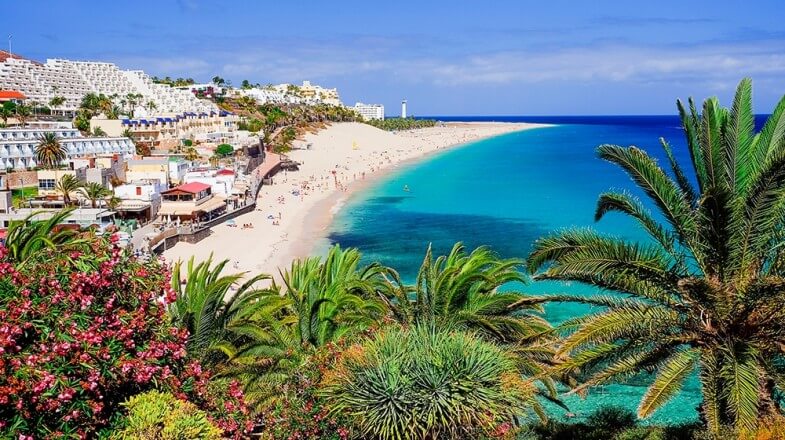
Sandy beach and turquoise Atlantic Ocean in the Canary Islands, Spain

Natural Wonders and Coastal Escapes

Spain’s landscape changes dramatically from region to region, making it worth looking beyond the major cities.

  • Costa Brava: Rocky coves, Mediterranean beaches, coastal villages and scenic driving routes north of Barcelona.
  • Costa del Sol: A popular southern coastline combining beaches and resorts with easy access to Andalusian towns and cities.
  • Picos de Europa: Dramatic limestone mountains, valleys and walking routes in northern Spain.
  • Pyrenees: Mountain scenery, hiking and small villages along Spain’s border with France.
  • Canary Islands: Volcanic landscapes and a subtropical climate that make the islands particularly attractive during the European winter.
  • Balearic Islands: Mallorca, Menorca, Ibiza and Formentera offer very different combinations of beaches, villages, landscapes and nightlife.

Travel tip: Do not assume Spain is hot everywhere. Northern Spain can be green, rainy and considerably cooler than Andalusia or the Mediterranean coast.

Spanish Food and Drink

Food is one of the strongest reasons to explore Spain region by region. At the heart of Spanish social dining is tapas: small dishes designed for sharing, ranging from patatas bravas and gambas al ajillo to olives, cheeses and tortilla española. In the Basque Country, the related tradition of pintxos turns bar-hopping into a culinary experience of its own.

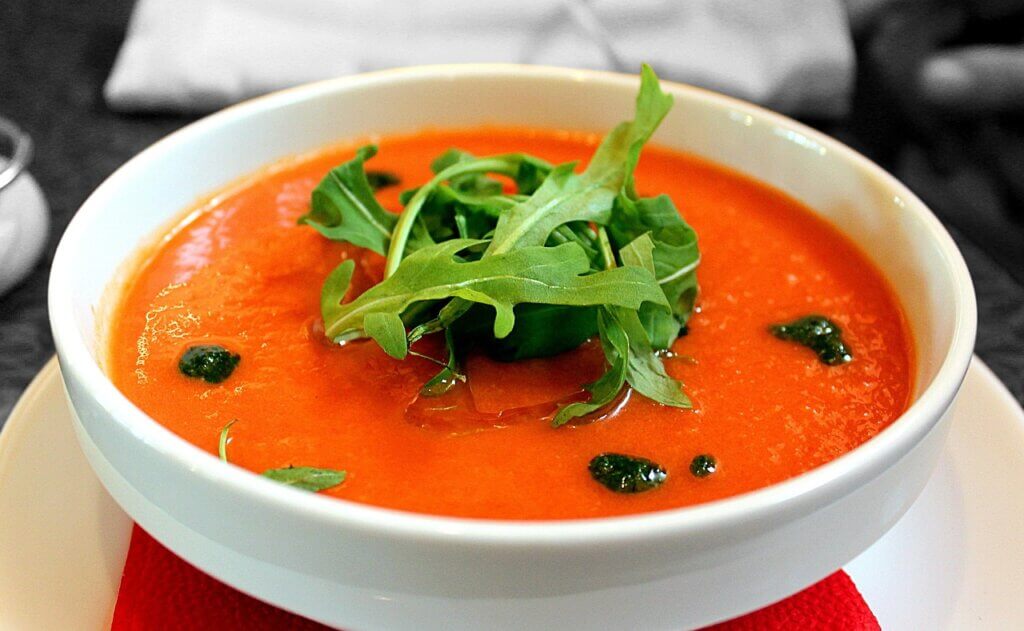
Paella originated in Valencia, and traditional Valencian paella is very different from many seafood versions served in tourist areas. Other classics worth trying include Jamón Ibérico, Galician-style octopus, Andalusian gazpacho and salmorejo, and regional cheeses and seafood.

Spain is also one of Europe’s great wine-producing countries. Rioja and Ribera del Duero are famous for red wines, while Cava is Spain’s best-known sparkling wine. On hot days, tinto de verano – red wine mixed with a lemon-flavoured soft drink – is a simple and very popular alternative to sangria.

Fun fact: The word tapa means “cover” or “lid”. Several stories attempt to explain how the tapas tradition began, including the famous tale of food being placed over drinking glasses, although the precise historical origin remains uncertain.

Spanish Tapas
Glass of Spanish sangria with fresh fruit
Bowl of traditional Spanish gazpacho topped with fresh greens

Spanish Culture and Traditions

Spanish culture is strongly regional, and many traditions visitors associate with the whole country actually have specific geographic roots. Flamenco, for example, is particularly associated with Andalusia, while festivals vary enormously between regions. Famous celebrations include Valencia’s Las Fallas, Seville’s Feria de Abril, Pamplona’s San Fermín festival and Buñol’s La Tomatina.

Bullfighting remains part of Spanish cultural history but is increasingly controversial and is restricted or prohibited in some parts of the country.

The traditional siesta is another custom often associated with Spain. While long midday breaks still exist in some smaller towns and businesses, the classic daily siesta is far less universal in modern urban Spain than the stereotype suggests.

Getting Around Spain

For anyone using this Spain Travel Guide to plan an independent trip, Spain has one of Europe’s most useful transport networks.

High-speed trains connect major destinations including Madrid, Barcelona, Valencia, Seville, Málaga and other cities. For many city-to-city itineraries, travelling by train is easier than renting a car because it avoids airport transfers, city traffic and parking.

Public transport in major cities is generally excellent. Madrid and Barcelona have extensive metro systems, while buses, trams and local trains cover many other urban areas.

A rental car becomes much more useful when exploring smaller towns, rural areas, mountain regions or stretches of coastline where public transport is limited.

Spain travel tip: Do not rent a car automatically for an entire trip. A combination of high-speed rail between major cities and a short-term rental for countryside exploration can be cheaper and considerably less stressful.

Travellers with reduced mobility should check individual attractions and historic centres in advance. Spain’s modern transport infrastructure is generally good, but cobblestones, steep streets and steps can still make older neighbourhoods challenging.

Planning tip: For current train connections, journey times and other transport options, check the official Spanish tourism website when planning your route.

Safety and Practical Spain Travel Tips

Spain is generally a safe destination for travellers. The most common tourist-related problem is petty theft, particularly pickpocketing in crowded areas, on public transport and around major attractions.

Keep phones, wallets and passports secure in busy tourist districts and avoid leaving valuables unattended on café tables or beaches.

Pharmacies are easy to find in Spanish cities and towns, and many display a green cross outside. Tap water is generally safe to drink, although its taste varies by region. During summer, carrying water and planning around midday heat is sensible.

  • Power sockets: Type C and F
  • Voltage: 230 V
  • Internet: Widely available
  • Emergency number:  112. Calls are free throughout Spain, and the emergency service offers telephone translation in several languages, which can be especially useful for international travellers.
  • Tipping: Appreciated but generally less formal and less substantial than in countries such as the United States
  • Language: Spanish is spoken nationwide, alongside regional languages including Catalan/Valencian, Galician and Basque. English is commonly encountered in major tourist destinations, but less reliably in smaller towns.

Things to Do in Spain Beyond the Usual City Break

Spain works particularly well for travellers who like to build trips around specific interests rather than simply collecting famous landmarks.

Motorsport fans can visit the Circuit de Barcelona-Catalunya, while football stadiums, UNESCO World Heritage sites, scenic rail journeys, historic roads, markets and industrial heritage can all become part of a more unusual Spanish itinerary.

This is also where Spain rewards repeat visits. Once Barcelona, Madrid or Andalusia are familiar, regions such as Asturias, Galicia, the Basque Country, Extremadura and northern Castilla y León offer a slower and often less crowded perspective on the country.

Is Spain Worth Visiting?

Pros

  • Exceptional cultural and architectural heritage
  • Very different regions within one country
  • Excellent food and wine
  • Strong high-speed rail network
  • Beaches, mountains, islands and historic cities
  • Suitable for everything from short city breaks to longer road trips

Cons

  • Major destinations can become extremely crowded in peak season
  • Summer heat can make sightseeing uncomfortable
  • Famous attractions often require advance booking
  • Some historic centres can be demanding for travellers with limited mobility

Final Verdict

As this Spain Travel Guide shows, the country deserves more than a checklist trip through Barcelona, Madrid and a Mediterranean beach resort. Its greatest strength is variety. One journey might revolve around Gaudí and Catalonia, another around the Moorish heritage of Andalusia, and another around food, mountains and Atlantic landscapes in the north. They can feel like completely different holidays.

For first-time visitors, we would resist the temptation to see everything. Pick the part of Spain that interests you most, give yourself enough time to explore it properly, and leave something for the next trip.

Slow down, explore beyond the obvious attractions, and Spain will reward you with experiences that often become the most memorable ones.

Because Spain is one of those countries where there is almost always a good reason to come back.

Related posts

Europe in September After 50

September may be one of the best times to explore Europe after 50. Milder weather, fewer peak-season crowds and lingering summer warmth can make travelling more comfortable and rewarding. From Mediterranean coastlines to historic cities, discover why September deserves a place in your travel plans — and where we’d go.

Read More »
Visitors on a guided tour of the Circuit de Barcelona-Catalunya pit lane

Circuit de Barcelona-Catalunya Tour

A guided tour takes visitors behind the scenes at the Circuit de Barcelona-Catalunya. See normally restricted areas and learn how the venue operates outside race weekends. The guide also covers booking, transport, accessibility and planning a trip from Barcelona.

Read More »
Scroll to Top