

Travelling Slower After 50: Making More Time for a Place

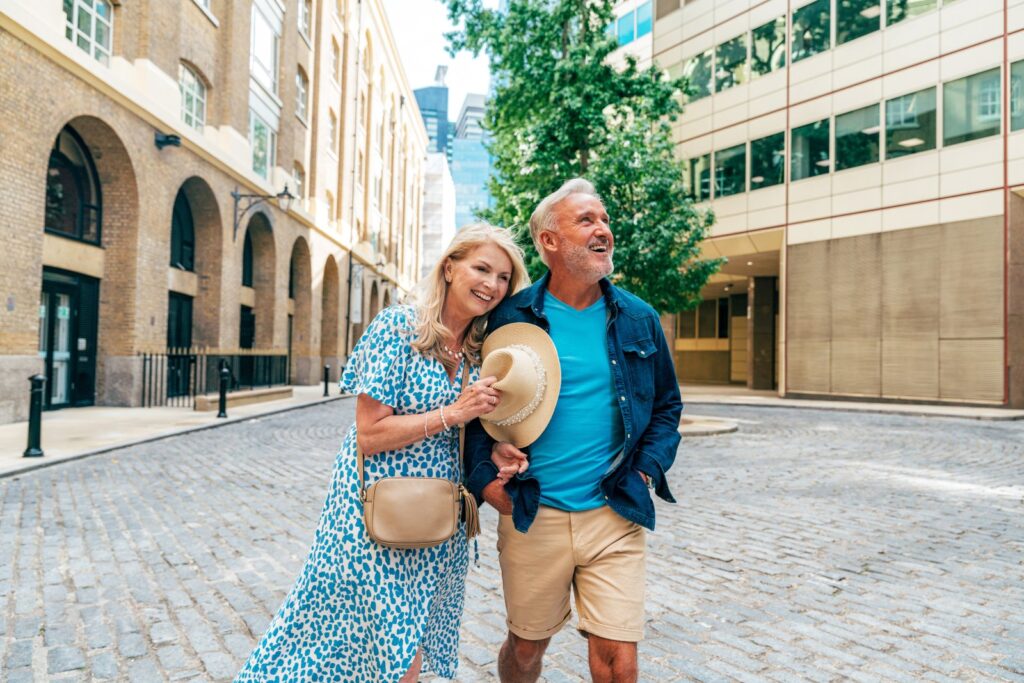
Couple walking together along a quiet cobblestone street while travelling slower after 50

We used to judge an itinerary by how much we could fit into it. Three cities sounded more exciting than two, and an empty afternoon looked like a missed opportunity. Yet some of our clearest travel memories come from the hours we did not plan: finding a street worth following, returning to a café, or staying longer somewhere than we expected. Travelling slower after 50 has changed how we build a trip. We still want to explore, but we leave enough time to enjoy a place without watching the clock throughout the day.

Choose Priorities, Then Leave Space Around Them

A slower trip still needs planning. We identify the places that matter most to us and check practical details such as opening days, reservations and travel time. That gives the day a shape without filling every hour.

We try to avoid placing several demanding visits back to back. A large museum, a long walk and an evening event may each be enjoyable on their own; together, they can become a timetable to survive. Leaving space between plans also makes it easier to respond when a visit takes longer than expected or something nearby catches our interest.

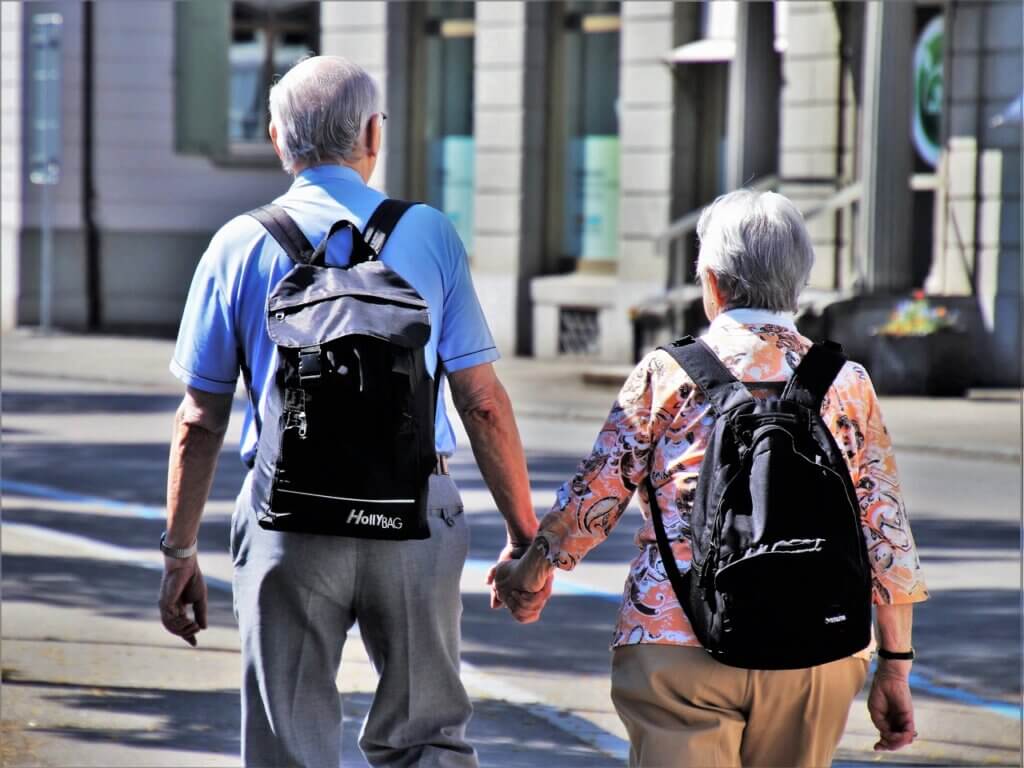
Older couple with backpacks walking together along a city street.

Make the Daily Route Easier

Where we stay affects how a trip feels. Accommodation near the area we want to explore, or close to useful transport, can reduce the time spent crossing a city. A quieter location may be worth more to us than a room beside the busiest attractions.

We also look at the route for each day. Grouping nearby places makes more sense than travelling repeatedly from one side of a city to the other. If a visit involves extensive walking or standing, knowing where we can sit down or take a break helps us enjoy it. These are planning choices, not rules tied to an age: they simply make the time we have more comfortable to use.

Stay Long Enough to Settle In

Changing cities can be exciting, but every move takes more time than the journey itself. We have to pack, check out, reach the station or airport, find the next accommodation and get our bearings again. Several short stays can leave surprisingly little time for the places we came to see. When the itinerary allows it, we choose a base for a few nights and explore from there. Staying put makes a second visit possible: we can return to a museum we rushed through or spend an evening in a neighbourhood we discovered that morning. Familiarity gives us a different view of a city than a single busy day can.

Let the Journey Fit the Stay

The way we arrive can affect the first day. A late arrival followed by an early departure leaves little room to discover anywhere, however appealing the destination looked when we booked it. We now consider the full journey and the time available after arrival before adding another stop.

Sometimes a longer stay makes a slower route worthwhile; sometimes a flight gives us more time in the place we want to visit. We look at those choices separately in our comparison of train journeys and flying. Here, the question is what kind of pace the whole itinerary allows once we reach our destination.

To compare the full journey, we sometimes start with Rome2Rio’s route planner, then check the current timetable with the transport operator before booking.

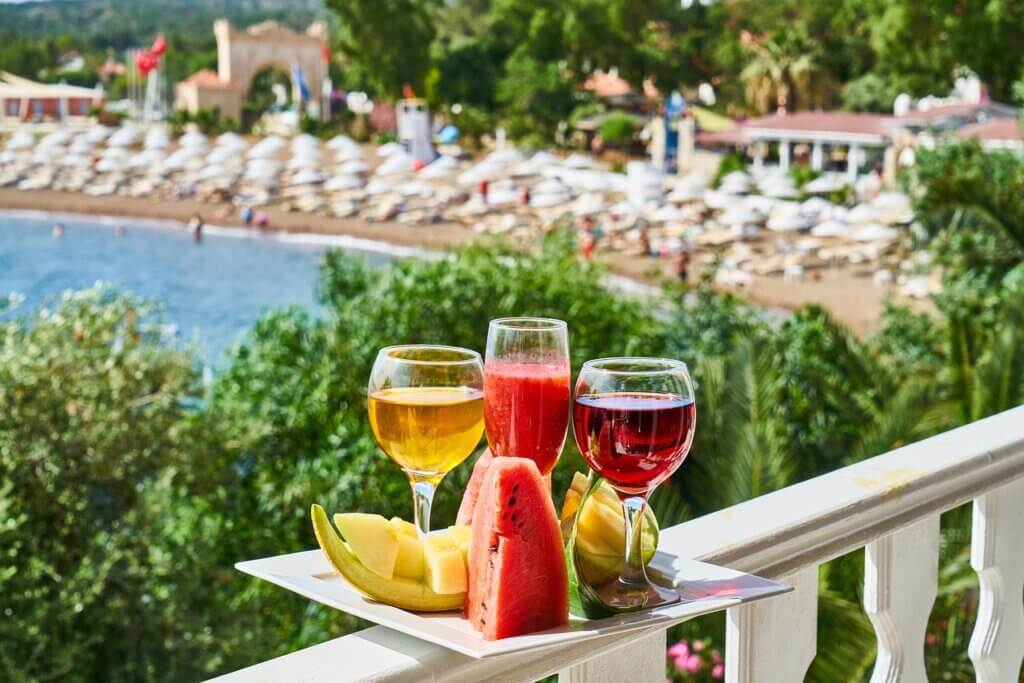
Fruit and drinks on a seaside terrace overlooking a beach.

Return Without Trying to Repeat the First Visit

Going back to a familiar place does not mean taking the same trip twice. We may have missed a district, visited in a different season or simply become interested in something we overlooked before. Because we already know a little about the place, we can spend less time finding our way and more time following that interest.

Returning also takes pressure off a first visit. We do not need to see every landmark before leaving. Some places reward another day, and others give us a reason to come back.

Quiet winding road through a forest in warm sunlight.

What Slowing Down Gives Us

Travelling slower after 50 does not mean travelling without ambition. We can still plan a full day when there is something we particularly want to do. The difference is that we no longer expect every day to be full.

A little more time in one place lets us notice how it changes from morning to evening, follow a recommendation and sometimes change our minds. We come home remembering more than the list of places we visited. We remember what it felt like to be there.

Related posts

Two green frog figurines carrying travel bags, one pulling a small wheeled suitcase.

Packing Less and Smarter

Carrying less saves time at the baggage carousel and makes cobbled streets or train stations easier to navigate. Rather than packing for every “what-if”, we choose what earns a place in our bags. It’s a practical way to travel with less weight and more comfort, especially when a trip involves several trains and hotels.


Read More »

Communication Abroad

Communication abroad can feel daunting when you do not speak the local language. We share what helps us prepare, ask clearer questions, use translation tools and check that important details are understood. Small conversations do not have to be perfect to be useful, and a little patience can make them easier for everyone.

Read More »
Hero alt: Illustration of a high-speed train and an aeroplane approaching a city at dusk

Train Journeys vs. Flying

After 50, travel shifts from racing time to respecting it. Choosing trains honors this transition, offering a grounded, human connection to the world. When the journey becomes as enjoyable as the destination, arrival feels more meaningful. This intentional pace creates lasting memories that resonate long after the trip concludes.

Read More »

Travel with Purpose

Travel with purpose begins with choices you can make before and during a trip. Learn how to look beyond attractive claims, support locally led businesses and heritage projects, and decide whether volunteering fits your skills and time. A thoughtful visit can benefit a place while still being an enjoyable holiday.

Read More »
Taj Mahal seen across its gardens, with the central dome and four minarets visible

World Heritage Lessons

Visiting World Heritage sites has taught us that a famous designation does not guarantee a perfect visit. Crowds, accessibility, interpretation and our own expectations all shape what we take away. These are the lessons that help us plan more thoughtfully, look beyond the obvious sights and connect with a place.

Read More »

Secondary Airports Explained

Secondary airports can offer lower fares, simpler terminals and useful routes, but the cheapest ticket does not always mean the cheapest journey. Transfer costs, distance, flight frequency and transport options can all change the calculation. Here’s what to consider before choosing a secondary airport for your next trip.

Read More »
Traveller considering a Paris must-see list with the Eiffel Tower in the background

The Must See Trap

Famous attractions often land on an itinerary before we ask whether they suit us. Drawing on our experiences at the Great Wall and Forbidden City, we look at the time, effort and personal interest behind a “must-see.” A few practical questions can help you decide which celebrated sights deserve a place in your trip.

Read More »

Europe in September After 50

September may be one of the best times to explore Europe after 50. Milder weather, fewer peak-season crowds and lingering summer warmth can make travelling more comfortable and rewarding. From Mediterranean coastlines to historic cities, discover why September deserves a place in your travel plans — and where we’d go.

Read More »
Two toy frogs with luggage beside a globe, illustrating comfortable travel choices

The Shift from Budget to Quality

Comfortable travel means recognising that your wellbeing matters as much as the destination. If you are stressed or exhausted, even beautiful places can be hard to appreciate. Prioritising comfort over cost can protect your experience and help keep your journeys meaningful, vibrant and enjoyable.

Read More »
Fork of Vevey standing in Lake Geneva with the Swiss Alps in the background

Maison Cailler vs Alimentarium

Maison Cailler and the Alimentarium offer two very different ways to explore Switzerland’s relationship with food. One focuses on chocolate, its history, production and tasting, while the other examines food through science, culture and society. We compare both experiences to help you decide which one better suits your interests.

Read More »
Scroll to Top