


What We’ve Learned From Train Journeys vs. Flying

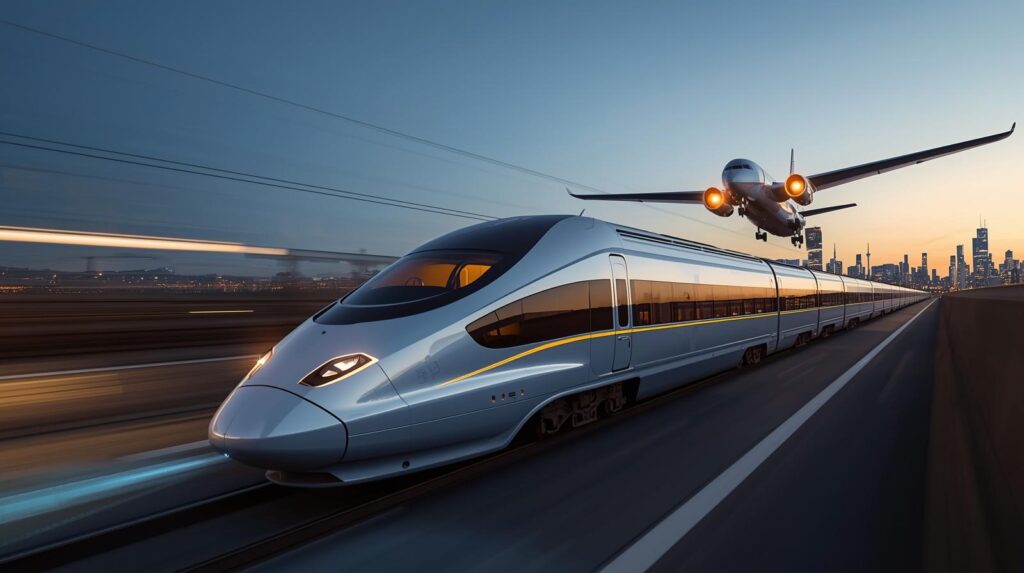
For years, flying was the default for efficiency, yet experience reveals a more nuanced truth. While planes prioritize raw speed, they often sacrifice the soul of travel, isolating passengers at 35,000 feet. In contrast, rail journeys redefine efficiency through comfort, space, and environmental connectivity.
Moving by train fosters a deeper relationship with the shifting landscape, transforming transit into an immersive experience where cities and nature blend seamlessly. You avoid the sterile stress of airport security, gaining the freedom to move and reflect. Choosing the train is a deliberate decision to value the quality of time over mere arrival. Ultimately, rail travel proves that the journey isn’t just a gap between destinations—it is a vital, scenic part of the adventure itself.

Time Is More Than Flight Duration

One of the biggest misconceptions about flying is how much time it actually saves. While flight times may be short, the total travel window often tells a different story. Getting to the airport, security checks, waiting at gates, boarding delays, and baggage claim add layers of friction that are easy to underestimate.

Train travel compresses those layers. Stations are usually central, boarding is simpler, and arrival places you directly inside the city rather than miles away. When measured door to door, trains often compete surprisingly well—especially on short and medium-distance routes.

The Physical Experience Matters

After 50, how your body feels during and after a journey becomes more noticeable. Flying is physically demanding in subtle ways: cramped seating, limited movement, pressure changes, dry air, and long periods of enforced stillness. Even short flights can leave you tired or stiff.

Trains offer a different physical rhythm. Seats are generally more spacious, aisles allow free movement, and standing up doesn’t require permission. Walking to a café car, stretching by the door, or simply shifting positions reduces fatigue. Arriving by train often feels calmer, with energy still intact for the day ahead.


Luggage Becomes Less of a Battle

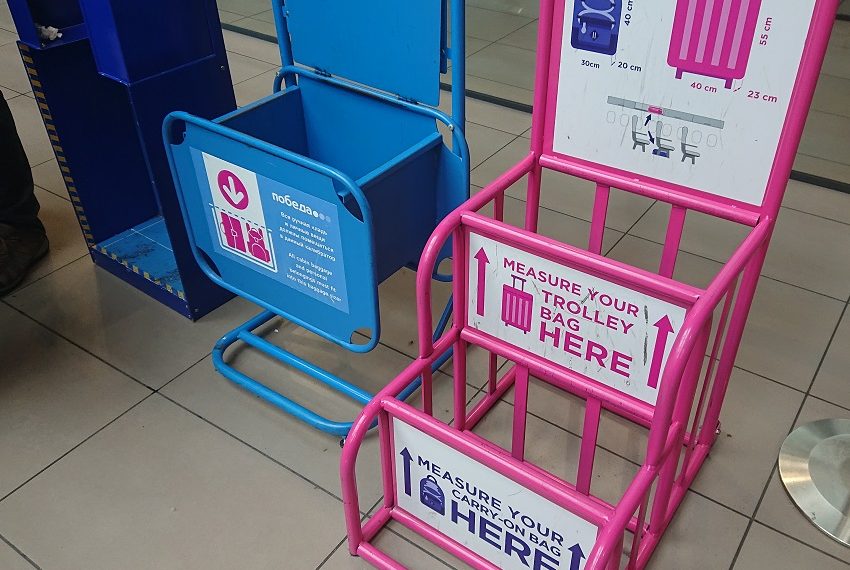
Air travel has turned luggage into a negotiation. Weight limits, liquid rules, overhead bin competition, and unpredictable baggage handling create stress before the journey even begins. Packing becomes an exercise in restriction.

Trains are more forgiving. Bags stay with you, liquids are not an issue, and access is immediate. This simplicity reduces anxiety and allows more realistic packing—especially helpful for longer trips or travelers with specific needs. The ability to reach your belongings at any time adds a sense of control that flying rarely offers.

The Journey vs. the Transfer

Flying treats travel as a transfer between points. The goal is arrival, and everything in between is something to endure. Trains, by contrast, integrate the journey into the experience. Landscapes unfold gradually. Cities fade into countryside, and geography becomes visible rather than abstract. This change in perspective is subtle but powerful. Train travel reconnects distance with meaning. Watching the world pass by restores a sense of scale and continuity that flying removes. The journey itself becomes part of the story, not a blank space between destinations.

Reliability and Disruption Feel Different

Both trains and planes experience delays. The difference lies in how those disruptions feel. Airport delays often trap passengers in controlled environments with limited options. Uncertainty builds quickly when gates change or information is scarce.

Train delays, while frustrating, tend to feel more transparent and manageable. Stations are easier to navigate, alternatives may be visible, and the atmosphere is generally less tense. When disruptions happen, trains often preserve a sense of agency that air travel strips away.

Accessibility and Ease of Movement

Accessibility considerations highlight the contrast even further. Airports are large, complex spaces that require long walks, multiple levels, and strict processes. Assistance exists, but it often comes with waiting and dependency.

Train stations, especially in Europe and parts of Asia, are typically more intuitive. Step-free boarding, level platforms, and shorter distances between services make navigation easier. Movement feels natural rather than procedural. This ease benefits not only travelers with mobility needs but anyone who values clarity and autonomy.

Environmental Awareness Changes Perspective

While sustainability may not be the primary reason people choose trains, awareness grows with experience. Trains generally have a lower environmental impact than flying, especially on regional routes. Choosing rail over air can align travel habits with broader values without sacrificing comfort or enjoyment.

This awareness adds another layer to decision-making. Travel becomes not just about personal convenience but about responsible choices that still deliver rich experiences.

When Flying Still Makes Sense

None of this means flying has no place. Long-distance travel, limited rail networks, or time-critical trips often make flights unavoidable. Flying can be practical, even necessary. The lesson is not to reject flying, but to question automatic choices.

We’ve learned to evaluate routes individually rather than defaulting to air travel. Sometimes flying is the right tool. Other times, it’s simply the familiar one.

Choosing the Right Journey

The most important insight from comparing train journeys and flying is this: travel quality is shaped by how you move, not just where you go. Trains invite presence, movement, and continuity. Flights prioritize speed at the cost of experience.

After 50, travel becomes less about racing time and more about respecting it. Choosing trains when possible aligns with that shift. The journey feels grounded, human, and connected to the world outside the window.

We’ve learned that when the journey itself becomes enjoyable, arrival feels different too. And that difference stays with you long after the trip is over.

Related posts

Land of Fjords

Norway offers a breathtaking escape into nature, from majestic fjords and dramatic mountains to the enchanting Northern Lights. It’s a paradise for hikers and photographers seeking serenity. Beyond the scenery, you’ll experience high-quality living, safe cities, and a unique culture that perfectly balances modern innovation with ancient Viking history.

Read More »

High Mountains, Black Sea Beaches

Bulgaria is a captivating blend of ancient history and diverse landscapes. From Sofia’s vibrant streets to the sun-soaked Black Sea coast and rugged Balkan peaks, it offers an authentic European experience. With affordable public transport and rich traditions, it’s a hidden gem perfect for travelers seeking both adventure and value.

Read More »

The Art of Living Well

Italy is a timeless destination that rewards travellers with unforgettable experiences, rich culture, and exceptional cuisine. Whether visiting for the first time or returning again, it remains one of the most satisfying countries to explore in the world. From high-speed rail to coastal drives, every journey reveals breathtaking, historic wonders.

Read More »

Land of Stunning Coastlines

Croatia is a Mediterranean gem offering over 1,000 islands, crystal-clear waters, and ancient Roman history. From the breathtaking Plitvice waterfalls to the iconic walls of Dubrovnik, it blends natural beauty with vibrant culture. Whether sailing the Adriatic or exploring medieval towns, Croatia provides an unforgettable and diverse European escape.

Read More »

Land of Futuristic Skylines and Tropical Gardens

Singapore is a breathtaking blend of futuristic architecture, lush greenery, and world-class cuisine. This safe, ultra-clean city-state offers a harmonious mix of modern skyscrapers and vibrant cultural heritage. From the iconic Gardens by the Bay to legendary hawker centers, discover why this Asian gem is a must-visit destination.

Read More »

From Fairytale Castles to Modern Marvels

Germany offers a perfect mix of historic charm and modern efficiency. You can explore fairytale castles, world-class museums, and vibrant beer gardens while enjoying a highly reliable transport system. Whether you seek the scenic beauty of the Bavarian Alps or the creative energy of Berlin, Germany delivers a truly diverse European experience.

Read More »
Scroll to Top