Travel with Purpose: How Your Choices Can Support Local Places

We no longer ask only, “Where can I go?” When planning a trip, we also ask, “How might my visit affect the place and the people who live there?” That question can lead us towards local businesses, heritage projects or opportunities to learn from the community. It also makes us look more carefully at promises that a holiday will “give back”: who benefits, and how can we tell?


Look Beyond the Label

Terms such as regenerative, sustainable and community-based can point to useful ideas, but a label alone tells us little about the results. Sustainable tourism is sometimes described as merely reducing harm. In fact, the Global Sustainable Tourism Council’s explanation includes positive effects on communities and environments too.

A more revealing question is whether local people have a say in the activity and its benefits. Their priorities may differ from the experience a visitor expects. Keeping that distinction in mind helps us evaluate the specific choices we make during a trip.


Ask Who Benefits from Your Spending

Choosing a locally owned business can help keep more of your spending in the area, but ownership alone does not tell the whole story. Does a guide work with local partners? Does a workshop pay its makers fairly? These details are often more useful than a broad claim that an activity “supports the community”.

It can also be rewarding to look beyond the busiest stop. Our Cologne World Heritage guide includes sites in nearby Brühl as well as Cologne. Spending time in a smaller town creates opportunities to use its cafés, guides and other services, though simply visiting does not guarantee a benefit. What matters is how you spend your time and money once you arrive.

See Heritage Preservation in Progress

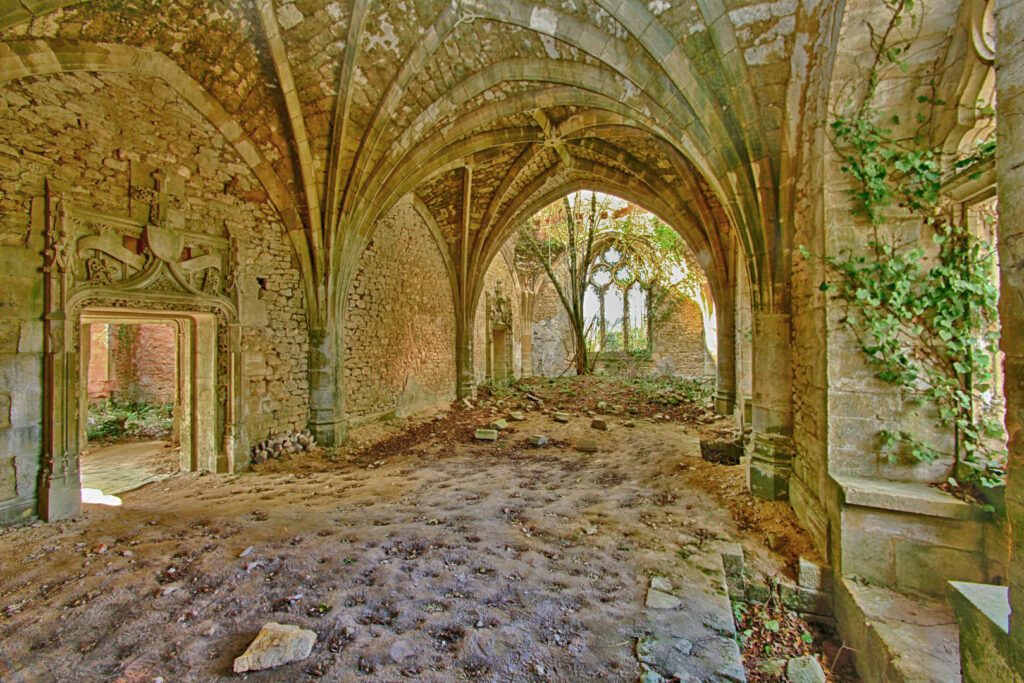
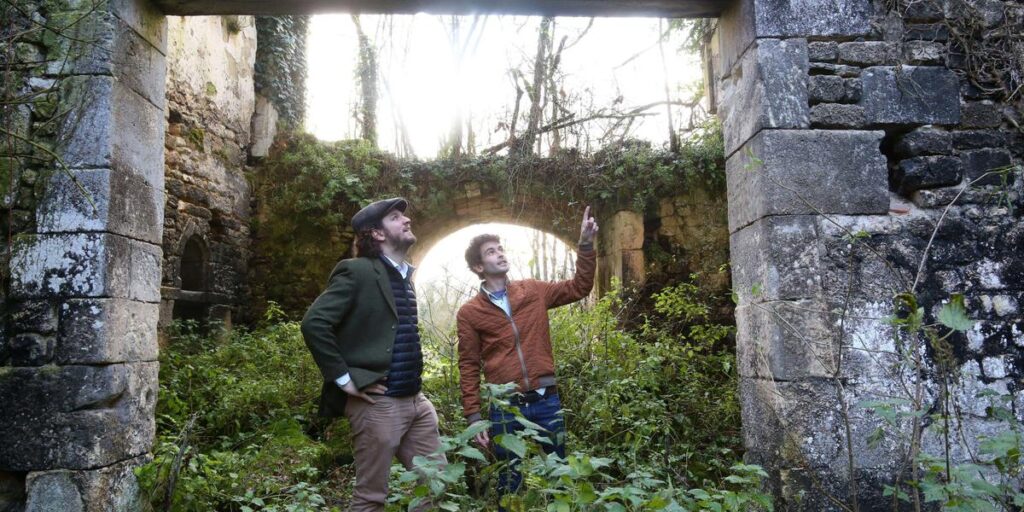
The French Château de la Mothe Chandeniers offers a way to encounter an ongoing preservation project. A collective purchase campaign helped save the ruined castle, which now welcomes visitors while restoration continues. Its visitor information describes the available ways to explore the site.

Buying a ticket, making a donation and purchasing a share are different kinds of support. Before contributing money, check how it will be used and what, if anything, the contribution gives you in return. You can also visit simply to learn about the castle and the work ahead. An unfinished restoration can tell a more interesting story than a monument presented as complete.


Volunteer Where Your Help Is Wanted

Volunteering can bring you closer to the work behind a historic site, but restoration needs planning, supervision and appropriate skills. Enthusiasm alone is not a reason to start repairing an old wall. France’s REMPART heritage projects show what organised participation looks like. Individual listings set out the work, dates and entry conditions. Before signing up, check the physical demands, supervision, insurance, accommodation and time commitment. If a placement does not fit your trip, visiting a project or supporting one financially may suit you better.

Leave Room to Learn

A purposeful trip does not have to be built around volunteering or donations. Listening to a local guide, respecting the rules at a fragile site and taking time to understand what you see can all change the way you travel. Those choices begin with curiosity, followed by a willingness to hear perspectives that differ from your own.

We would start modestly: choose one activity that genuinely interests you, find out who runs it and allow enough time to pay attention. Travel with purpose works best when respect for the place and the people who live there is part of the experience, rather than an extra promise attached to it.

Related posts

Couple walking together along a quiet cobblestone street while travelling slower after 50

Travelling Slower After 50

Travelling slower after 50 has changed the way we plan a trip. We stay longer in fewer places, choose the visits that matter most and leave room to explore beyond the itinerary. Here is how a more comfortable daily pace helps us get to know a destination.


Read More »
Two green frog figurines carrying travel bags, one pulling a small wheeled suitcase.

Packing Less and Smarter

Carrying less saves time at the baggage carousel and makes cobbled streets or train stations easier to navigate. Rather than packing for every “what-if”, we choose what earns a place in our bags. It’s a practical way to travel with less weight and more comfort, especially when a trip involves several trains and hotels.

Read More »

Communication Abroad

Communication abroad can feel daunting when you do not speak the local language. We share what helps us prepare, ask clearer questions, use translation tools and check that important details are understood. Small conversations do not have to be perfect to be useful, and a little patience can make them easier for everyone.

Read More »
Hero alt: Illustration of a high-speed train and an aeroplane approaching a city at dusk

Train Journeys vs. Flying

After 50, travel shifts from racing time to respecting it. Choosing trains honors this transition, offering a grounded, human connection to the world. When the journey becomes as enjoyable as the destination, arrival feels more meaningful. This intentional pace creates lasting memories that resonate long after the trip concludes.

Read More »
Taj Mahal seen across its gardens, with the central dome and four minarets visible

World Heritage Lessons

Visiting World Heritage sites has taught us that a famous designation does not guarantee a perfect visit. Crowds, accessibility, interpretation and our own expectations all shape what we take away. These are the lessons that help us plan more thoughtfully, look beyond the obvious sights and connect with a place.

Read More »

Secondary Airports Explained

Secondary airports can offer lower fares, simpler terminals and useful routes, but the cheapest ticket does not always mean the cheapest journey. Transfer costs, distance, flight frequency and transport options can all change the calculation. Here’s what to consider before choosing a secondary airport for your next trip.

Read More »
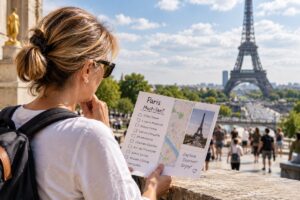
Traveller considering a Paris must-see list with the Eiffel Tower in the background

The Must See Trap

Famous attractions often land on an itinerary before we ask whether they suit us. Drawing on our experiences at the Great Wall and Forbidden City, we look at the time, effort and personal interest behind a “must-see.” A few practical questions can help you decide which celebrated sights deserve a place in your trip.

Read More »

Europe in September After 50

September may be one of the best times to explore Europe after 50. Milder weather, fewer peak-season crowds and lingering summer warmth can make travelling more comfortable and rewarding. From Mediterranean coastlines to historic cities, discover why September deserves a place in your travel plans — and where we’d go.

Read More »
Two toy frogs with luggage beside a globe, illustrating comfortable travel choices

The Shift from Budget to Quality

Comfortable travel means recognising that your wellbeing matters as much as the destination. If you are stressed or exhausted, even beautiful places can be hard to appreciate. Prioritising comfort over cost can protect your experience and help keep your journeys meaningful, vibrant and enjoyable.

Read More »
Fork of Vevey standing in Lake Geneva with the Swiss Alps in the background

Maison Cailler vs Alimentarium

Maison Cailler and the Alimentarium offer two very different ways to explore Switzerland’s relationship with food. One focuses on chocolate, its history, production and tasting, while the other examines food through science, culture and society. We compare both experiences to help you decide which one better suits your interests.

Read More »
Scroll to Top