
Packing Less and Smarter: What We’ve Learned

Two green frog figurines carrying travel bags, one pulling a small wheeled suitcase.

We used to pack for the trip we had planned and several unlikely versions of it. An extra pair of shoes, clothes for an occasion that might never happen, and duplicates of things we already had all seemed reassuring when we put them in the suitcase. They felt less useful when we had to carry them up stairs or across a station. Packing less and smarter has become a way to make travel easier to manage. We still bring what we need, but we ask more carefully what each item is for and whether we can comfortably handle the bag when it is full.

Choose for the Trip You Are Taking

Before packing, we look at the actual itinerary: the weather, the activities we have booked, the places we will stay and how often we will move between them. This gives us a better starting point than asking what we might possibly need. A planned dinner calls for different clothes from a hypothetical invitation to a formal event.

The “just in case” items deserve a second look. If something is essential, difficult to replace or specific to our needs, it belongs in the bag. If it is easy to find at the destination, we can decide whether carrying it for the whole trip is worthwhile. Shops are useful when plans change, but they are no substitute for bringing medication or other essentials we rely on.


Build Outfits That Work Together

A small group of clothes is more useful when the pieces can be worn in different combinations. We choose layers for changing temperatures and clothes that suit more than one part of the day. Repeating an outfit is rarely a problem; spending valuable suitcase space on something we wear only once often is.

Shoes take up room and add weight, so we start with the pair we expect to walk in most. A second pair earns its place when it serves a clear purpose. We also consider how easily clothes can be cleaned and dried, especially on trips with several stops. These choices matter more to us than having a different outfit for every day.

Plan Laundry Instead of Extra Outfits

On a longer journey, washing a few clothes can be simpler than carrying enough for the entire trip. Depending on where we stay, that might mean a hotel laundry service, a laundrette or a quick wash of small items. We check what is available before assuming that laundry will be easy to arrange.

This does not mean scheduling chores into every day of a holiday. It means knowing when we might have a chance to refresh what we have packed. A slower day or a longer stay in one place can make that practical, and it lets us travel with a bag we can manage more comfortably.

Choose a Bag You Can Manage

The size of a suitcase matters less than what happens when we have to move it ourselves. Can we lift it when necessary? Pull it along uneven pavement? Get it onto a train or through a hotel entrance? We have learned to think about those moments before filling every available space. Travelling with hand luggage alone can make some trips easier, but it is not a rule we follow at any cost. Carry-on allowances vary between airlines and tickets, so before choosing a smaller bag, check your airline’s rules. The IATA guide to passenger baggage explains what to check, but your own airline’s allowance is the one that matters.A manageable checked bag may be the better choice for a longer stay or for equipment we need to bring. Good wheels, sensible weight distribution and a bag suited to the journey can make as much difference as removing another shirt.

Leave Room for Imperfection

We have never packed a bag in which every item was used and nothing was missed. After each trip, though, we remember what worked: the shoes we wore every day, the extra layer that proved useful, or the item that travelled the whole way untouched. Those observations help more than a universal packing list.

Packing less and smarter is an ongoing adjustment, shaped by the destination and by what we can comfortably carry. A lighter bag gives us one less thing to manage when we arrive. That is also part of what we have learned about travelling more slowly after 50: making room in a journey for the place itself.

Related posts

Angel of Independence monument on Paseo de la Reforma in Mexico City, Mexico, surrounded by modern skyscrapers and trees.

Mexico: Beyond the Beaches

Mexico offers far more than beach holidays. Explore ancient Maya cities, colonial streets, regional food and living traditions, from Mexico City and Puebla to jungle ruins and protected lagoons. Our country guide brings together cultural highlights, remarkable landscapes and practical transport advice to help you plan a varied, manageable journey.


Read More »
Scotty’s Castle in Death Valley, California, with red-tiled roofs and a tower surrounded by desert hills.

Scotty’s Castle: Desert Secrets

Discover Scotty’s Castle, an unexpected desert retreat in California’s Death Valley. Explore the unlikely friendship behind its name, distinctive architecture and ongoing flood recovery. Our guide explains the limited exterior tours currently available, what remains closed, and the practical questions to ask before planning a visit to this Hidden Gem.

Read More »
Channel Tunnel illustration showing Eurostar and LeShuttle trains beneath the English Channel, with Folkestone and Coquelles marked above.

London–Paris via the Channel Tunnel

Discover the engineering behind the Channel Tunnel, from its three-tunnel design to the exhibition in Coquelles and Samphire Hoe’s reclaimed coastline. Explore the story beneath the sea, meet its builders, and see how this connection transformed train travel between London and Paris.

Read More »
Ornate interior façade of Antwerp Central Station, with a clock, gilded decorations and a bird sculpture beneath the glass roof.

Antwerp Central Station

Antwerp Central Station combines monumental architecture with an engineering transformation beneath the city. Explore its historic halls, steel and glass roof, stacked railway levels and modern atrium, then discover how a former terminus became a through station. Our guide highlights what to notice during an unhurried visit.

Read More »
Bruges canal at dusk with boats, a stone bridge and illuminated buildings, setting the scene for an In Bruges film locations guide

In Bruges Film Locations

Bruges becomes part of the story in Martin McDonagh’s dark comedy In Bruges. Follow its filming locations from Markt and the Belfry to canal-side views and the Jerusalem Chapel, with a flexible walking route and practical advice for enjoying the city at your own pace.

Read More »

Spain: Culture and Growth

Spain offers distinctive regional cultures, historic cities and landscapes ranging from mountains to Mediterranean shores. Our guide introduces architecture, food and cultural experiences, with practical considerations for choosing destinations and building a journey around your interests.

Read More »
Florence Cathedral dome and Giotto’s Bell Tower viewed through a historic window

Italy: Art and Regional Flavours

Italy combines historic cities, remarkable art and regional cooking with varied coastlines and mountain landscapes. Our guide connects Rome, Florence and Venice with wider travel possibilities, including practical advice on seasons, transport, accessibility and choosing destinations.

Read More »

Singapore: Gardens and Culture

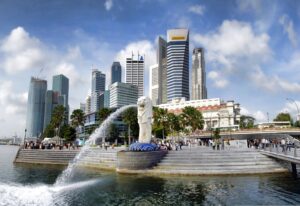
Singapore combines gardens, distinctive neighbourhoods and communal dining with an easy-to-explore urban setting. Our guide shares discoveries from our visit, including orchids and Gardens by the Bay, alongside practical advice for arrival, transport and planning your stay.

Read More »

Croatia: Coast and Historic Towns

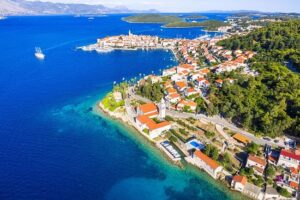
Croatia combines Adriatic islands and coastal towns with Zagreb’s city life and inland scenery. Our guide connects Dubrovnik, Split and Plitvice Lakes with regional food, seasonal choices, transport and accessibility, helping you shape a manageable itinerary.

Read More »

Germany: Cities and Heritage

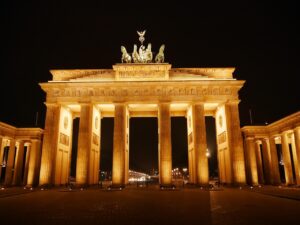
Germany connects historic cities, castles and river valleys with contemporary culture and engineering heritage. Our guide introduces Berlin, Bavaria and regional discoveries, alongside practical advice on food, transport, seasons and accessibility for a varied journey.

Read More »
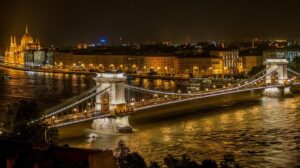
Széchenyi Chain Bridge illuminated at night over the Danube in Budapest

Hungary: Baths and the Danube

Hungary combines Budapest’s architecture and thermal baths with Danube landscapes, historic towns and wine regions. Our guide introduces cultural highlights and local food, with practical considerations for transport, seasons and choosing destinations that suit your interests.

Read More »

Portugal: Cities and Atlantic Shores

Portugal offers historic cities, Atlantic coastlines, vineyard landscapes and distinctive islands. From Lisbon and Porto to Madeira and the Azores, our guide covers regional food, contemporary culture, seasons, transport and accessibility for a thoughtfully paced journey.

Read More »

Denmark: Cities, Coasts and Hygge

Denmark combines Copenhagen’s waterfront, Odense’s literary connections and Aarhus’s art with island towns and coastal landscapes. Our guide introduces food and hygge, alongside advice on transport, accessibility, seasons and choosing a comfortable travel pace.

Read More »

Israel: Resilience and Innovation

Israel connects Jerusalem’s historic quarters, Tel Aviv’s urban culture and the landscapes around the Dead Sea. Our guide covers food, regional highlights, transport and accessibility, alongside practical planning considerations and the importance of checking current conditions.

Read More »
Chongqing skyline at night in China, with an illuminated bridge, waterfront buildings and reflections on the river

China: Beyond the Famous Sights

China’s imperial landmarks, contemporary cities and regional traditions offer contrasting journeys. Our guide introduces Beijing, Shanghai, Chengdu and Yangshuo, with practical considerations for train travel, digital payments, accessibility and choosing a route that feels manageable.

Read More »
Scroll to Top