Scotty’s Castle: A Desert Retreat with an Unlikely Story

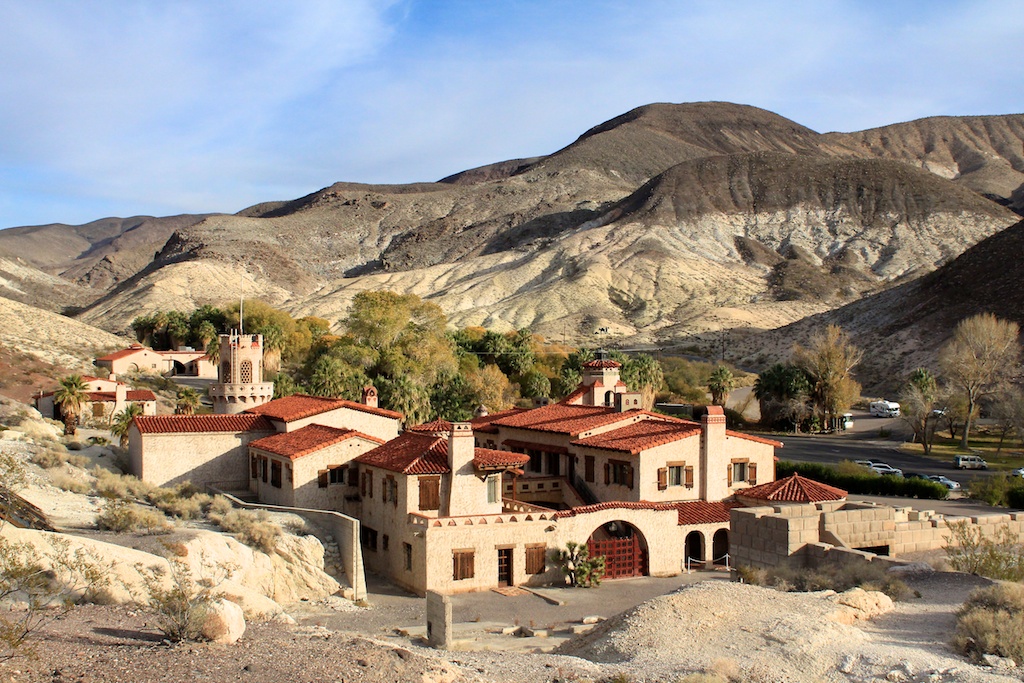
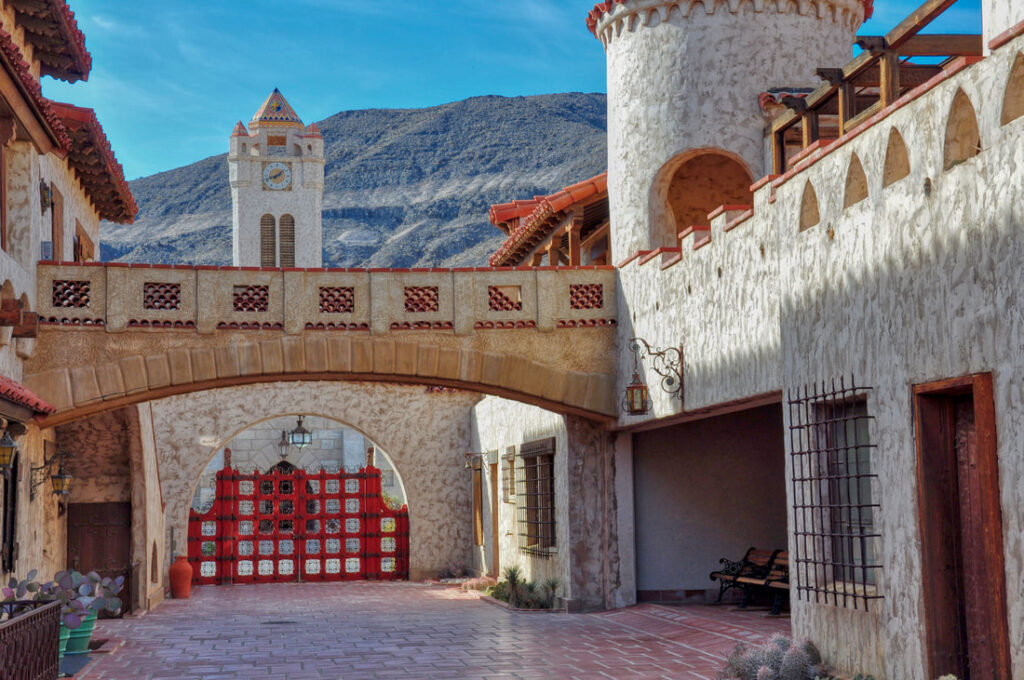
Scotty’s Castle in Death Valley, California, with red-tiled roofs and a tower surrounded by desert hills.

Death Valley’s landscapes usually draw attention to what nature has created: salt flats, dunes, mountains and vast stretches of open desert. In Grapevine Canyon, however, an unexpected human story takes centre stage. Scotty’s Castle is a Spanish Revival estate whose name owes more to a gifted storyteller than to the people who paid for it.

Limited guided exterior tours for the 2026–2027 season offer a chance to explore the grounds while restoration continues. For travellers interested in unusual architecture, colourful characters and the work involved in preserving a remote historic place, this is a different way to experience Death Valley.

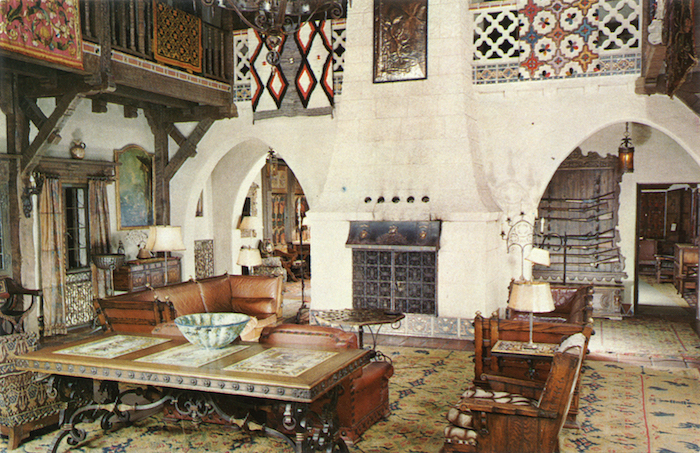
Historic interior of Scotty’s Castle, with arched doorways, decorative tiles, a wooden balcony and leather seating.

What Can You Visit at Scotty’s Castle Now?

The important distinction is between access to the grounds and access to the house. The current tours are guided exterior visits, offering an introduction to the estate and its restoration. They do not provide the historic interior experience that visitors may remember from before the closure.

The National Park Service’s October 2026 announcement lists tours on most Saturdays and Sundays from October 10 through April 17, with private weekday visits for small groups available by request. Check the official seasonal tour announcement when planning, as availability can change.

The wider Castle and Grapevine Canyon area remains restricted outside authorised visits. Treat this as a booked destination, rather than somewhere to drive into spontaneously during a park road trip.

Scotty’s Castle: The People Behind the Legend

Walter Scott, better known as Death Valley Scotty, had a talent for attracting attention. Before becoming associated with the estate, he worked as a horseman in Buffalo Bill’s Wild West Show. Later, he persuaded investors that he had discovered a rich gold mine in Death Valley.

One of those investors was Albert Mussey Johnson, a wealthy Chicago insurance businessman. When the promised returns failed to appear, Johnson travelled to Death Valley to investigate. What followed was an unlikely friendship: Johnson developed an affection for the desert and continued returning, even though Scotty’s supposed mine never delivered the promised fortune.

Scotty became the public personality associated with the house, allowing tales of hidden gold to surround it. The National Park Service’s account of Walter Scott helps separate his entertaining reputation from his actual role in the estate.

The estate was built for Albert and his wife, Bessie Johnson, as a more comfortable base for their desert visits. Construction in the 1920s gradually transformed modest early structures into a substantial retreat with Spanish-Mediterranean architectural influences.

Its formal name, Death Valley Ranch, is less dramatic than Scotty’s Castle, but better describes its origins. This was a holiday home, shaped by the Johnsons’ resources and their attachment to the setting.

The building also has a history of unfinished ambition. According to the official construction history, work stopped in 1931 after a surveying error revealed that construction had extended onto federal land. The Great Depression added to the difficulties, and the project was never completed as originally intended.

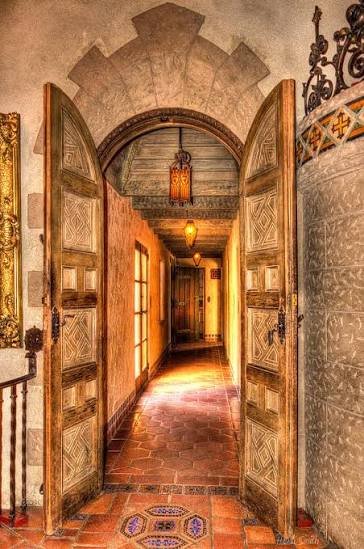
Carved wooden doors opening into a historic corridor at Scotty’s Castle, with hanging lanterns, a wooden ceiling and tiled floor.

An Unexpected Architectural Encounter

Part of the estate’s appeal is the contrast between its architecture and its surroundings. A substantial, decorative retreat in a desert canyon raises questions that a grand house in a city might not: why here, how was it supported, and what did comfortable living mean in such a remote setting?

On an exterior tour, look at the relationship between the buildings and the landscape. Rather than concentrating only on a photograph of the main house, consider the wider estate and the practical demands behind its appearance.

The distinction between appearance and infrastructure is particularly interesting here. A remote retreat needs water, power, access and maintenance. The Castle’s history includes a powerhouse with diesel generators and Pelton waterwheels, although these should not be assumed to form part of the current tour. The visible buildings are only one part of the story.

The Flood That Changed the Estate

On October 18, 2015, intense rainfall sent a flash flood through Grapevine Canyon. Roads, utilities and parts of the historic landscape suffered extensive damage. The event closed the estate and began a recovery process that has proved far more complicated than repairing a single building.

Further setbacks included additional flooding and a fire. Restoration has also involved protecting historic objects, rebuilding infrastructure and preparing the site to withstand future hazards. The National Park Service’s flood recovery account explains why the work has taken so long.

The earliest anticipated full reopening is November 2028, rather than a confirmed opening date. For now, the restoration itself forms part of the visitor story: an opportunity to understand what keeping a historic place accessible actually requires.


Planning a Comfortable Visit

Begin with the Death Valley Natural History Association, which handles tour bookings. Use the instructions supplied for your particular visit to confirm the meeting point, permitted approach and arrival time. Restricted access makes these details especially important.

If you use a wheelchair, cannot manage steps easily or need regular opportunities to sit, contact the organisers before booking. Ask about walking distance, surfaces, gradients, seating and toilets on the actual tour route. The current announcements do not establish enough detail to describe these exterior tours as fully wheelchair accessible.

Bring water, sun protection and comfortable footwear. Check the park’s current conditions and road information before travelling, and leave breathing room in your itinerary. A booked tour is easier to enjoy when it is not squeezed between several distant stops.

For a broader look at travelling in the state with mobility needs, see our California on Wheels guide. Use it alongside the tour organiser’s current information when deciding whether a visit to Scotty’s Castle suits you.

Courtyard at Scotty’s Castle, with an arched bridge, red gates and towers against the desert mountains of Death Valley.

Why Scotty’s Castle is  a Hidden Gem

Scotty’s Castle offers more than an unusual building to photograph. Its story brings together a showman, a wealthy couple, an improbable friendship and the challenges of maintaining a home in the desert. It also encourages a different kind of visit. The house’s interiors remain unavailable, but a guided exterior tour can still reveal the people and practical decisions behind the place. Whether that suits your trip depends on what you hope to see. For us, that combination makes it an appealing Hidden Gem: a destination where the setting catches your attention, but the human story gives you a reason to look more closely.

Related posts

California on Wheels

Travel through California by wheelchair, from San Francisco and Los Angeles to San Diego and Yosemite. This guide looks at accessible transport, accommodation, attractions and terrain, with planning advice to help you assess each destination before setting out.

Read More »
Race car in front of crowded grandstands at Circuit of the Americas

Circuit of the Americas

Austin’s Circuit of the Americas is home to the United States Grand Prix, but race weekends are only part of its story. This guide covers COTA Tower, driving experiences, Bike Nights and other ways to visit, with practical advice for planning time at this Texas motorsport destination.

Read More »

Grand Central Terminal: New York Icon

Grand Central Terminal combines a monumental public space with a working railway. Its electric tracks, two underground platform levels and hidden systems explain how the station keeps New York moving. Follow the engineering story, then look up at the Main Concourse ceiling and discover the details you can still see during a visit.

Read More »

Alaska Cruise

Alaska cruises range from Inside Passage round trips to one-way Gulf of Alaska voyages. Compare ports, glaciers and inland connections, with practical advice on seasons, wildlife viewing and choosing excursions that suit your pace.

Read More »

The Ultimate American Road Trip

Route 66 is America’s legendary road trip, stretching from Chicago to California through eight states. Discover historic towns, desert landscapes, classic roadside landmarks and surviving sections of the Mother Road, plus practical tips for planning the journey and experiencing the Route 66 centennial in 2026.

Read More »
Grand Central Madison concourse with curved arches, track signs and a mosaic artwork.

Grand Central Madison New York

Explore Grand Central Madison beneath Manhattan, from its deep platforms and long escalators to the engineering that made the station possible. Discover the contemporary mosaics and digital art that make the journey through New York’s newest rail terminal an experience in itself.

Read More »
Scroll to Top