Portugal Travel Guide: Historic Cities, Atlantic Coast & Local Traditions

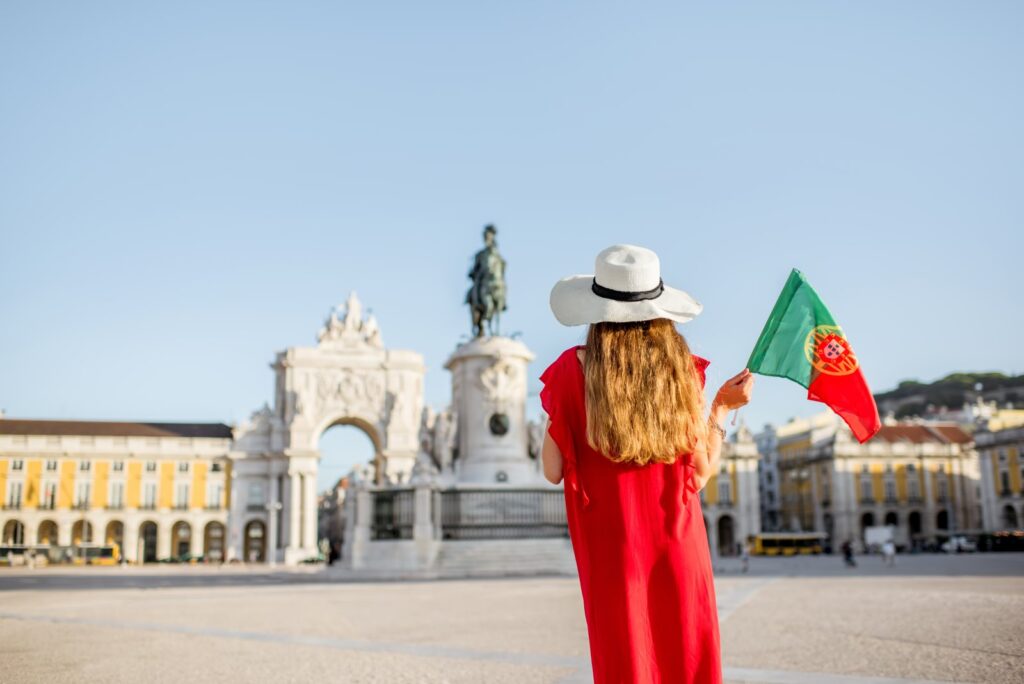
Portugal travel guide – woman holding a Portuguese flag in Praça do Comércio, Lisbon

Portugal offers several quite different journeys within one country. Lisbon and Porto suit travellers drawn to neighbourhoods, architecture and cultural life, while the Alentejo invites a slower journey through historic towns and open countryside. The Algarve brings coastal scenery into focus, and Madeira and the Azores offer island landscapes that deserve time of their own.

This Portugal travel guide helps you choose between those experiences and combine them realistically. Regional differences matter: a northern city break, a summer stay inland and an Atlantic island holiday involve different weather, transport and walking conditions. Choosing a manageable area can leave more room for the details that make a trip memorable, from a tiled railway station to an evening of live music.

Portuguese is distinct from Spanish, even though the languages share Latin roots. English is widely used in major tourist areas, but learning a few Portuguese greetings is helpful when visiting smaller towns, markets and local cafés.

Basic Facts at a Glance

  • Capital: Lisbon
  • Region: Southwestern Europe, on the Iberian Peninsula, with the Madeira and Azores archipelagos in the Atlantic
  • Population: Approximately 11.4 million, according to Portugal’s national statistics institute’s estimate for the end of 2025
  • Official language: Portuguese
  • Currency: Euro (€)
  • Time zone: Mainland Portugal and Madeira use UTC+0 in winter and UTC+1 in summer. The Azores are one hour behind.
  • Electricity: Type C and F sockets

When to Visit Portugal

For a trip centred on cities, historic sites and countryside, April to June and September to October are useful starting points. These months often make sightseeing more comfortable than midsummer, although rain remains possible and popular destinations can still be busy. Plan around the region and the activities you want, rather than assuming the same conditions across the country.

Northern Portugal generally has wetter winters, while inland areas can experience colder weather than the coast. Summer heat can be intense in the Alentejo and the interior of the Douro region, making early starts and a break during the hottest part of the day worthwhile. Coastal breezes may bring relief, but an Atlantic beach holiday does not guarantee warm water.

Madeira and the Azores need separate consideration. Both have maritime climates, and conditions can differ between the coast and higher ground. For a nature-focused island trip, leave flexibility in your itinerary so that a cloudy or wet day does not decide whether you see the landscape you came for.

Historic Cities and Cultural Heritage

Lisbon brings together hillside neighbourhoods, riverfront spaces and layers of architectural history. Alfama offers narrow lanes and intimate streetscapes, while Baixa has a more regular street layout shaped by rebuilding after the 1755 earthquake. Belém adds monuments connected with Portugal’s maritime expansion, a history that includes exploration and trade alongside colonialism and slavery. Nearby Sintra has a different character, with wooded hills, palace grounds and elaborate architecture. Its cultural landscape is recognised by UNESCO, but the attractions are spread out and can involve substantial walking. Give a palace and its grounds enough time rather than trying to fit every major site into one rushed visit.


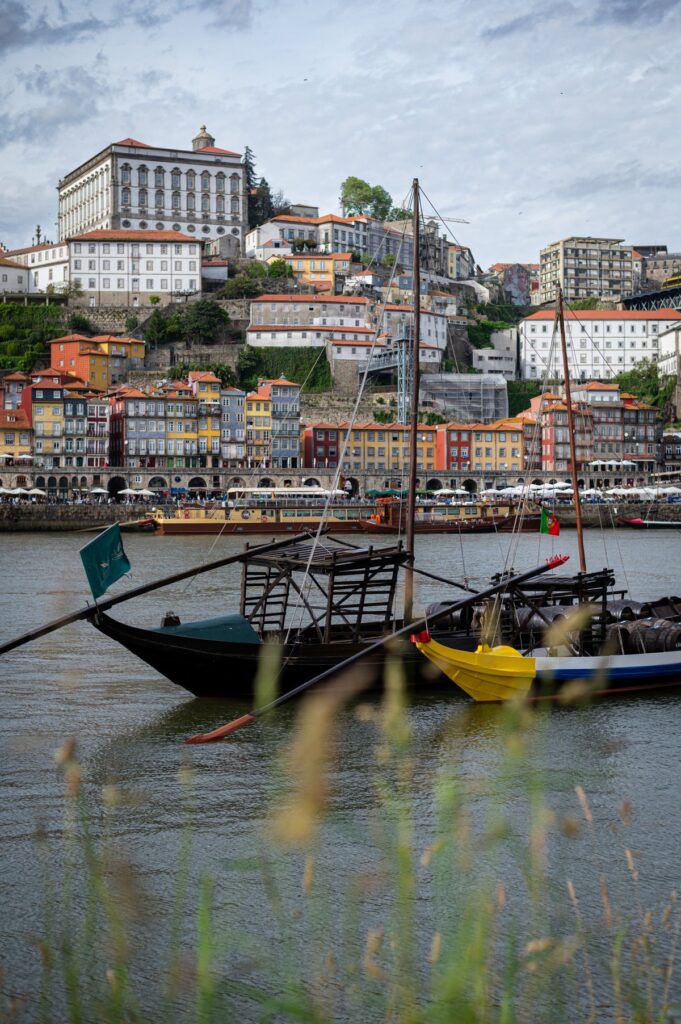
Traditional rabelo boats on the Douro River with Porto’s colourful Ribeira waterfront in the background

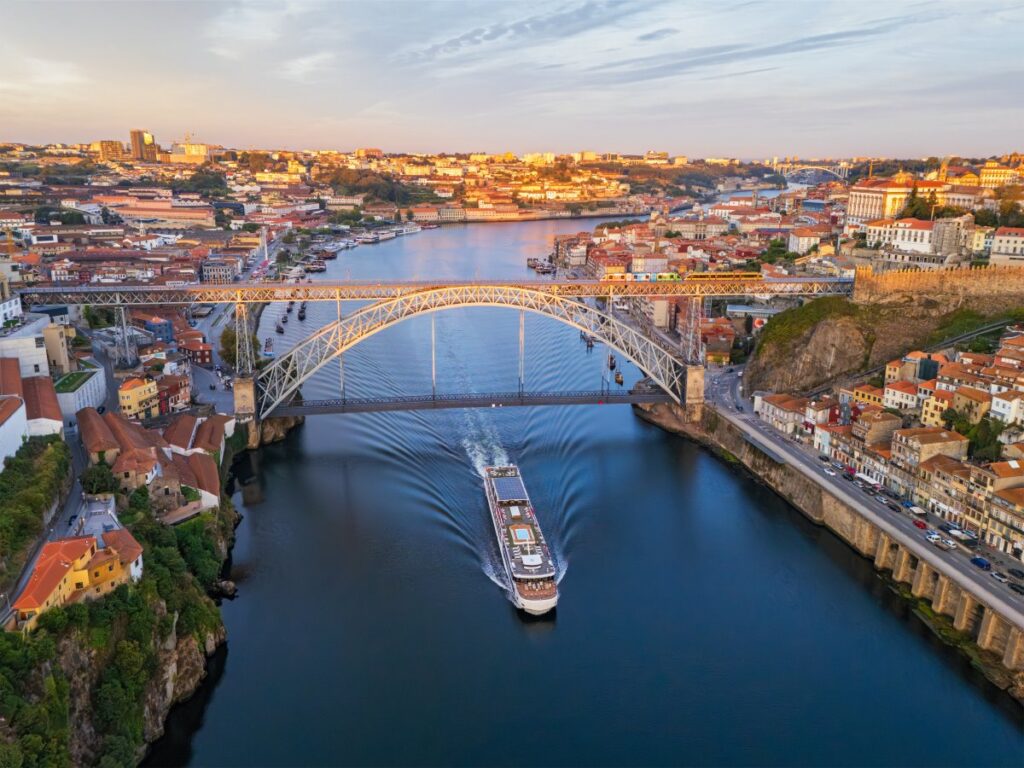
Porto rewards attention to both the city and the river. Explore the historic streets above the Douro, then cross to Vila Nova de Gaia, where many of the port wine lodges are located. The Dom Luís I Bridge also provides a natural introduction to the engineering that shaped movement between the two banks.

Beyond the two largest cities, Coimbra centres on its university heritage, Guimarães offers a historic urban setting associated with Portugal’s early kingdom, and Braga combines a living city with important religious monuments. Farther south, Évora brings Roman remains, churches and traditional streets into the same compact centre. These places offer different historical perspectives and work best as deliberate stops rather than additions to an already full itinerary.

The official UNESCO overview of Portugal explains the significance of its listed sites. Our World Heritage collection offers further ideas for travellers who enjoy exploring places through their history.

Coastlines, Countryside and Atlantic Islands

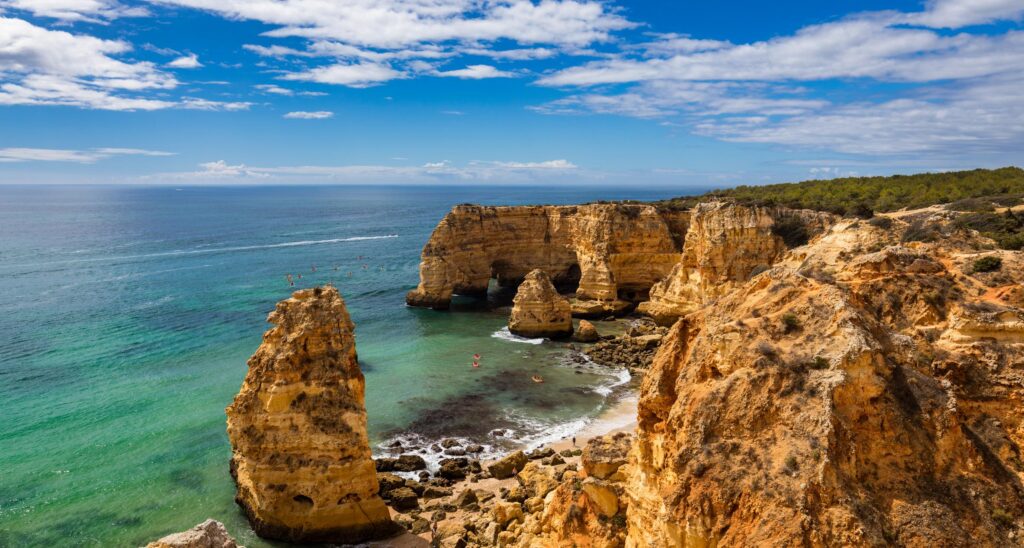
The Algarve varies considerably along its coast. Around Lagos and the central Algarve, cliffs and sheltered beaches create the familiar postcard scenery; farther east, the Ria Formosa area offers lagoons, barrier islands and a different coastal landscape. Choose a base according to how you want to spend your days, including how much walking or driving you are comfortable with.

The Douro Valley combines river scenery with a working wine landscape. Terraced slopes and vineyard estates reflect generations of cultivation, while a railway journey or boat excursion offers another perspective from travelling by road. If you want to visit a particular estate, arrange the visit and onward transport in advance instead of assuming it will be easily reached from a station.

Golden limestone cliffs, sea arches and turquoise Atlantic waters on Portugal’s Algarve coast

For a quieter inland journey, the Alentejo offers cork oak country, agricultural landscapes and historic towns. Serra da Estrela provides mountain scenery, while Peneda-Gerês in the north is another option for travellers interested in nature. Choose routes individually: a scenic viewpoint and a long mountain walk can have very different physical demands.

Madeira combines Funchal, gardens, steep terrain and walking routes beside its levadas, the island’s water channels. The Azores consist of nine islands, with experiences ranging from volcanic lakes to coastal settlements and vineyard landscapes. Treat either archipelago as a destination in its own right; adding islands to a short mainland holiday can consume a disproportionate amount of time in transfers.

Portuguese Food, Traditions and Contemporary Culture

Portuguese cooking changes with the landscape. Along the coast, grilled fish, octopus and seafood dishes feature prominently, while inland menus often include meat, beans, bread and regional cheeses. Bacalhau, or salt cod, appears in numerous preparations, making it worth asking how a particular dish is cooked rather than expecting one standard version. For something sweet, a pastel de nata pairs naturally with a coffee stop, but local bakeries offer much more than the country’s best-known custard tart. Many traditional sweets use egg yolks, reflecting the influence of convent baking. Regional wines add another layer: Vinho Verde, Douro wines, Alentejo wines and fortified port are different styles, not interchangeable labels for the same experience.

Food is only one way to encounter Portuguese culture. Fado brings voice and instrumental accompaniment into an intimate performance setting, especially associated with Lisbon, while Coimbra has its own tradition. Choose a venue where listening is central, and allow the performance to be part of the evening rather than background music during a hurried meal.

Azulejos, Portugal’s decorative tiles, turn stations, churches and ordinary façades into places worth studying. At Pinhão railway station, tile panels depict vineyard work and local landscapes, connecting a transport stop with the life of the Douro.

Contemporary culture also deserves a place in a Portugal itinerary. In Lisbon, MAAT — the Museum of Art, Architecture and Technology brings these three fields together on the Belém waterfront, making it a natural addition to a day in the area. In Porto, Serralves combines contemporary art exhibitions with gardens, outdoor sculpture and spaces devoted to cinema. Both offer opportunities to discover Portuguese artists alongside international work.

For a musical evening beyond fado, Porto’s Casa da Música is worth checking before your trip. Its programme ranges from orchestral performances to contemporary composition, jazz and other genres, depending on the date. Choosing an exhibition or concert that interests you adds another dimension to a visit: a chance to encounter the country’s current creative life alongside its historic landmarks.

River cruise boat passing beneath the Dom Luís I Bridge on the Douro River in Porto

Getting Around Portugal

For journeys between major mainland cities, trains can be a practical starting point. Check routes, stations, reservations and service notices with CP — Comboios de Portugal, especially when planning connections. When choosing between train journeys and flying, compare the complete journey, including transfers and waiting time. Coaches can fill gaps in the rail network, but a town having public transport does not necessarily mean frequent departures throughout the day.

A car becomes more useful when your plans centre on villages, countryside accommodation or several scattered stops. It can be less convenient during a city stay, where parking and access to historic streets may complicate the journey. One workable approach is to use public transport in Lisbon or Porto and collect a rental car only for the rural part of the trip.

On city sightseeing days, consider the route as well as the distance. A short journey on a map may include steep slopes, steps or an awkward connection. Historic trams can be part of the experience, but they should not be the only transport option in a plan that depends on comfortable boarding or a guaranteed seat.

Flights are the usual way to connect the mainland with Madeira or the Azores. When visiting several Azorean islands, check the actual flight and ferry options for your dates before choosing accommodation. Leave some space around connections rather than building an itinerary that depends on every transfer running exactly as planned.

Accessibility and Travelling with Limited Mobility

Portugal offers accessible attractions, accommodation and transport services, but conditions vary considerably. Lisbon and Porto can be demanding because of slopes, steps and uneven paving, while traditional stone pavements may become slippery when wet. A description such as “central” or “within walking distance” says little about whether the route will suit your needs.

For accommodation, ask about the entire journey from the street to the room. Check entrance steps, lift dimensions, bathroom layout and the space around the bed, as well as whether an accessible vehicle can stop nearby. Recent photographs and specific measurements are more useful than a general assurance that a property is accessible.

Rail passengers who need help boarding or leaving trains should consult CP’s information for travellers with specific mobility needs. Confirm the assistance arrangements for the particular stations and services you intend to use. Do not assume that every train, platform or interchange offers the same facilities.

The official Visit Portugal accessibility guide provides information on transport, accommodation and beaches. At the seaside, check whether access extends only to the promenade or also includes routes across the sand and equipment for entering the water. For travellers who can walk but tire easily, a well-positioned base, transport between neighbourhoods and fewer daily stops can make a substantial difference.

Portugal Travel Guide: Practical Planning Tips

For a first visit of about a week, we would choose either two main city bases or one region with a few manageable excursions. Lisbon and Porto can form a city-focused trip; Porto and the Douro suit a northern itinerary; Lisbon and part of the Alentejo offer another combination. Adding the Algarve and an island stay to the same short visit would leave much less time in the places themselves.

Choose accommodation according to your evenings as well as your daytime plans. A lively street can be convenient for restaurants but less suitable for an early night, while a scenic rural property may require driving for every meal. Check the immediate surroundings, access and transport before letting a beautiful room decide the whole itinerary.

Portugal is generally a safe destination, but visitors should take practical precautions against theft. Keep bags closed and valuables secure on busy public transport, at tram stops and in crowded sightseeing areas, where thieves may use distraction techniques. Take extra care around nightlife venues late at night, keep drinks in sight and arrange a reliable way back to your accommodation. Before travelling, check the latest official safety advice for Portugal, and call 112 in an emergency.

Useful small preparations include keeping some cash for minor purchases, downloading directions and saving booking details offline. Most of all, leave time between your scheduled visits. Portugal rewards the unplanned coffee stop, a closer look at a tiled façade and the chance to stay a little longer somewhere that interests you.

Related posts

United Arab Emirates Travel Guide

The United Arab Emirates is more than futuristic skylines and luxury hotels. This UAE travel guide explores Dubai, Abu Dhabi and Sharjah alongside desert landscapes, mountain roads, traditional neighbourhoods and local food, helping travellers discover a more varied side of the country and plan a trip beyond its headline attractions.
Read More »
Brazil travel guide: Christ the Redeemer overlooking Rio de Janeiro and Sugarloaf Mountain

Brazil: Beyond Carnival

Brazil offers far more than one famous festival or beach. Explore the different experiences of Rio de Janeiro, Salvador, São Paulo, the Pantanal, the Amazon and Iguaçu Falls, with practical guidance on regional seasons, transport, accessibility and planning a first trip that fits your interests.

Read More »
Norwegian flag overlooking Bergen harbour and Bryggen

Norway – Land of Fjords

Discover Norway’s dramatic fjords, Arctic landscapes and distinctive cities. Explore the best fjords to visit, where to go, when to travel, how to get around and what to know about accessibility, food and everyday culture when planning a journey through the Land of Fjords.

Read More »
Aerial view of the Dormition of the Mother of God Cathedral with golden domes in Varna, Bulgaria

High Mountains, Black Sea Beaches

Explore Bulgaria through historic cities, mountain landscapes and the Black Sea coast. From Plovdiv’s Roman theatre and Rila Monastery to Nessebar and Danube ports, this guide helps you plan a rewarding journey, with practical advice on seasons, transport, Bulgarian food and accessibility for travellers with limited mobility and varied interests.

Read More »
Florence Cathedral dome and Giotto’s Bell Tower viewed through a historic window

Italy – Art, Landscapes and La Dolce Vita

Italy rewards travellers with extraordinary history, regional cuisine and remarkably varied landscapes. From Rome, Florence and Venice to the Alps and southern Italy, this Italy travel guide covers where to go, when to visit, transport and accessibility – and why the country is worth exploring more than once.

Read More »

Land of Stunning Coastlines

Explore Croatia’s historic towns, Adriatic islands and inland landscapes. From Dubrovnik’s city walls and Split’s Roman heritage to Zagreb and Plitvice Lakes, this guide brings together cultural highlights, regional food and practical advice on transport, seasons and accessibility to help you plan a varied journey at your own comfortable pace.

Read More »

Singapore: Gardens, Food & Neighbourhoods

Explore Singapore beyond its famous skyline: the Supertrees and conservatories of Gardens by the Bay, orchids with a place in the city-state’s culture, lively neighbourhoods and communal dining. This guide combines practical arrival and transport tips with a few memorable discoveries from our visit.

Read More »

From Fairytale Castles to Modern Marvels

Explore Germany through historic cities, fairytale castles, river valleys and contemporary culture. From Berlin’s complex history to Bavaria’s traditions and the country’s engineering heritage, this guide combines distinctive regional cultural highlights with practical advice on transport, seasons, food and accessibility, helping you plan a varied journey at your own pace.

Read More »
Széchenyi Chain Bridge illuminated at night over the Danube in Budapest

Hungary – Thermal Baths, Castles & the Danube

Hungary is a captivating blend of history, culture, and natural beauty. From the dramatic Danube River and historic castles to vibrant cities and wine regions, it offers something for every traveler. Budapest, the “Paris of the East,” provides stunning architecture and river views, making it a premier European destination.

Read More »

Denmark: Land of Fairy Tales, Hygge, and Coastal Charm

Explore Denmark through Copenhagen’s waterfront, Odense’s literary heritage and Aarhus’s contemporary art. Beyond the cities, discover sandy coastlines, island towns and tidal landscapes. This Denmark travel guide introduces local food and hygge, alongside practical advice on transport, accessibility, safety and choosing destinations that fit your interests and preferred travel pace.

Read More »

Israel: Resilience and Innovation

Traveling in Israel in 2026 offers a unique blend of ancient spirituality and high-tech urban life. Visitors can explore Jerusalem’s sacred sites, float in the Dead Sea, and enjoy Tel Aviv’s vibrant beaches. With an efficient, cashless public transport system and world-class culinary experiences, it remains a top-tier Mediterranean destination.

Read More »

China: Global Power Dynamics

China offers a profound travel experience where ancient history meets futuristic innovation. In 2026, visitors can explore diverse landscapes, sample the “Eight Great Cuisines,” and travel efficiently using the world’s largest high-speed rail network. It remains an affordable destination, promising unforgettable experiences from the Great Wall to the Shanghai skyline.

Read More »

Spain: Culture and Growth

Spain is a transcontinental cultural powerhouse renowned for its diverse landscapes, from the Pyrenees to Mediterranean beaches. In 2026, it will reach an architectural milestone with the long-awaited completion of La Sagrada Família. Beyond landmarks like the Alhambra, Spain captivates visitors with its world-class gastronomy, flamenco rhythms, and sun-soaked archipelagos.

Read More »

Japan: Tradition and Innovation

Japan offers a captivating blend of ancient tradition and futuristic innovation. Visitors in 2026 can speed across the country on Shinkansen bullet trains, exploring neon-lit Tokyo, serene Kyoto temples, and the natural beauty of Mount Fuji. Travel planning should include securing a Japan Rail (JR) Pass for cost-effective transit.

Read More »

Belgium: Crossroads of Europe

Belgium is a premier European destination renowned for its medieval architecture and world-class culinary scene. Visitors can explore Brussels’ Grand Place, the canals of Bruges, and enjoy iconic exports like chocolate, waffles, and artisanal beers. Efficient rail links make visiting the diamond district in Antwerp exceptionally easy.

Read More »

The Bahamas: Caribbean Jewel

The Bahamas is a stunning archipelago of 700 islands known for crystal-clear turquoise waters and vibrant coral reefs. Visitors can swim with the famous pigs in Exuma, explore Nassau’s historic colonial charm, or relax on the secluded Pink Sands Beach, making it a premier destination for sun and relaxation.

Read More »

Austria: Europe’s Cultural Heartland

Austria is a breathtaking Alpine nation renowned for its imperial history and musical heritage. Visitors can marvel at Vienna’s opulent palaces, explore the baroque charm of Salzburg, or ski in the world-class resorts of Tyrol. With its stunning mountain landscapes and rich coffee house culture, it offers timeless European elegance.

Read More »

Australia: The Vast Southern Giant

Australia is a vast continent renowned for its breathtaking natural diversity and vibrant cities. Travelers can explore the iconic Great Barrier Reef, the sacred monolith of Uluru, and Sydney’s world-famous Opera House. From rugged outback adventures to pristine white beaches, it offers an unparalleled blend of wilderness and modern culture.

Read More »
névtelen terv (1)

Argentina: The Latin Powerhouse

Argentina is a land of dramatic contrasts, stretching from the bustling tango halls of Buenos Aires to the thundering Iguazu Falls. Travelers can explore the rugged peaks of Patagonia, tour the high-altitude vineyards of Mendoza, or visit the “End of the World” in Ushuaia for an unforgettable South American adventure.

Read More »
Scroll to Top