Brazil Travel Guide: Cities, Culture and Wild Landscapes

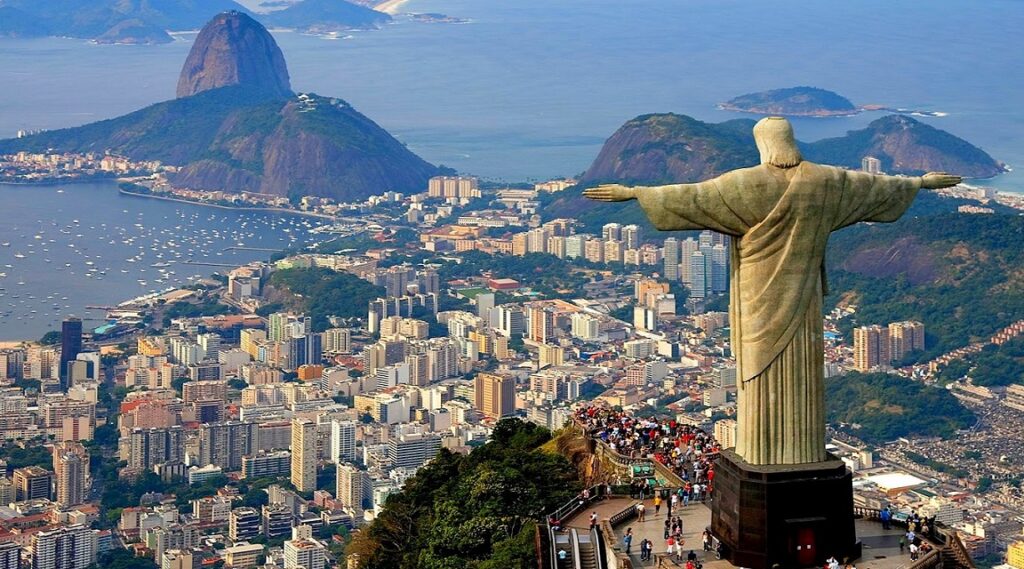
Brazil travel guide: Christ the Redeemer overlooking Rio de Janeiro and Sugarloaf Mountain

Brazil is difficult to fit into a single itinerary. Rio de Janeiro’s beaches and mountain views, Salvador’s Afro-Brazilian heritage, the wildlife of the Pantanal and the waterways of the Amazon offer very different journeys. Together, they show why there is no single way to experience the country. A rewarding first visit starts with a choice: which part of Brazil do you most want to understand?

Cities with Different Stories

Rio de Janeiro brings together urban life and a striking natural setting. Copacabana and Ipanema, Sugarloaf Mountain and Christ the Redeemer are familiar starting points, but museums, neighbourhoods and music venues add other perspectives. Carnival is an extraordinary expression of the city’s creativity, yet Rio has cultural life throughout the year.

Salvador, in Bahia, offers a different introduction to Brazil. Its historic centre, music, food and religious traditions reflect a deep Afro-Brazilian heritage. Take time to understand that history rather than treating the colourful streets as a backdrop for photographs.

Brasília provides another contrast. Lúcio Costa’s Plano Piloto arranged the new capital around two intersecting axes, with government buildings along the Monumental Axis and residential areas organised into planned superblocks. Nearby Lake Paranoá was created by damming the river as the city was built. Brasília is therefore worth seeing as an entire urban design project, not only as a collection of Oscar Niemeyer’s buildings.

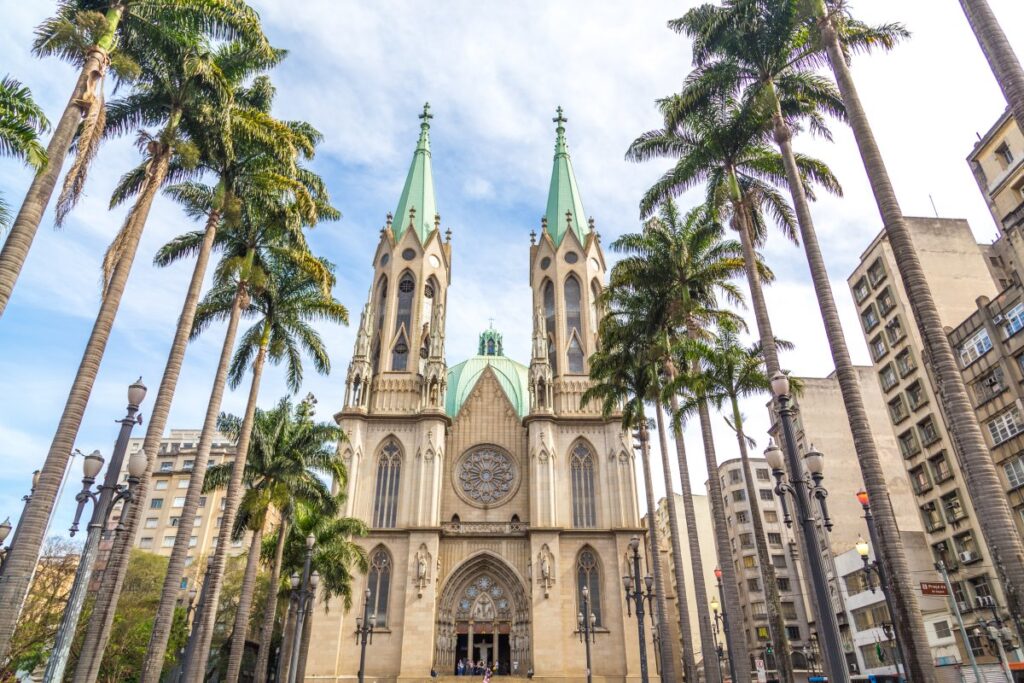
São Paulo rewards visitors who enjoy museums, galleries, food and the energy of a large city. It is a useful reminder that Brazil’s culture cannot be represented by  one beach or one festival.

São Paulo Cathedral with twin spires and palm trees in Praça da Sé, Brazil

Basic Facts at a Glance

  • Capital: Brasília
  • Region: South America
  • Population: Approximately 213.4 million (2025 IBGE estimate)
  • Official language: Portuguese
  • Currency: Brazilian real (BRL)
  • Time zone: UTC−2 to UTC−5, depending on the region; Brasília, Rio de Janeiro and São Paulo use UTC−3

Rainforest, Wetlands and Waterfalls

For many travellers, Brazil’s landscapes are the main reason to go. The Pantanal is a strong choice for wildlife watching, with boat trips and guided outings offering opportunities to see birds, capybaras and other animals. A jaguar sighting is possible on some trips, but it should never be treated as a guarantee.

The Amazon offers a very different experience, shaped by rivers, forest and the communities who live there. A trip needs more thought than choosing a lodge from a photograph: consider the departure point, travel time, activities and the role of local guides. Our Amazon River cruise guide looks more closely at the choices involved in travelling by water.

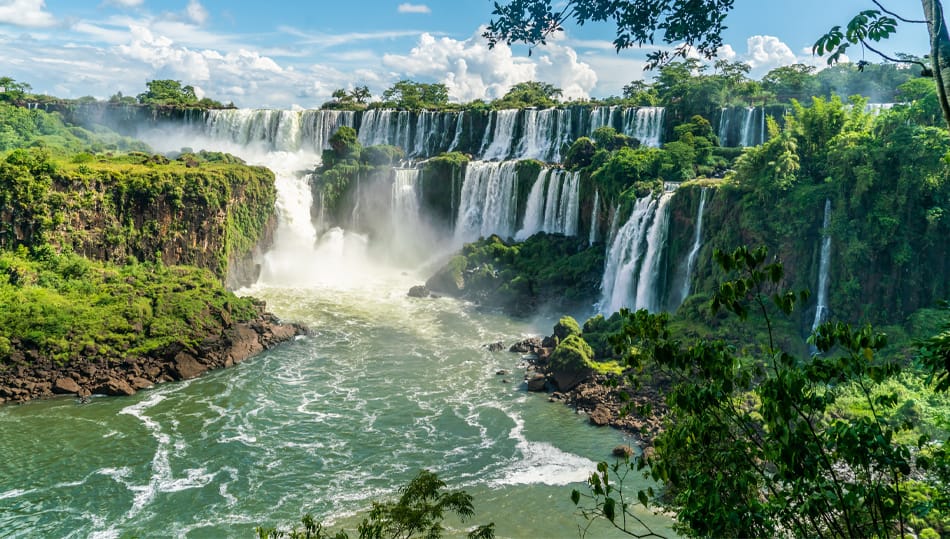
At Iguaçu Falls, the waterfalls and surrounding Atlantic Forest make a compelling stop near the Argentine border. Farther north, Lençóis Maranhenses combines sweeping dunes with seasonal freshwater lagoons. Both are memorable landscapes, but they call for different routes and different timing.

Iguaçu Falls cascading through the forest on the Brazil–Argentina border

When Should You Visit Brazil?

There is no single best month for the whole country. Brazil covers several climate regions, so the right season depends on whether your priority is a city, beach, wildlife trip or particular landscape.

The Pantanal’s drier period can make wildlife easier to observe. In the Amazon, changing water levels alter what a river journey feels like. At Lençóis Maranhenses, rainfall fills the lagoons, which change as the dry season progresses. Before fixing dates, check the conditions for your chosen region through Visit Brasil’s climate guide and current local information.

Brazil Travel Guide: Getting Around

Brazil’s size makes the choice of transport part of the itinerary. Domestic flights can save substantial time between distant regions, while intercity coaches may work well for shorter connections. Compare the entire journey, including airport transfers or the time needed to reach a bus terminal, before deciding which option fits your trip.

Within cities, transport differs by destination. São Paulo and Rio de Janeiro have metro networks, while buses and booked car journeys can help with routes the metro does not cover. In Amazonian areas, boats may be essential rather than an optional excursion. Check each connection separately; a route that looks straightforward on a map may involve several stages.

Culture Beyond Carnival

Samba and Carnival deserve their fame, but Brazilian culture extends far beyond them. Music changes from region to region, as do architecture, celebrations and everyday customs. A visit to a museum, a neighbourhood market or a live performance can reveal more about a place than its most familiar image.

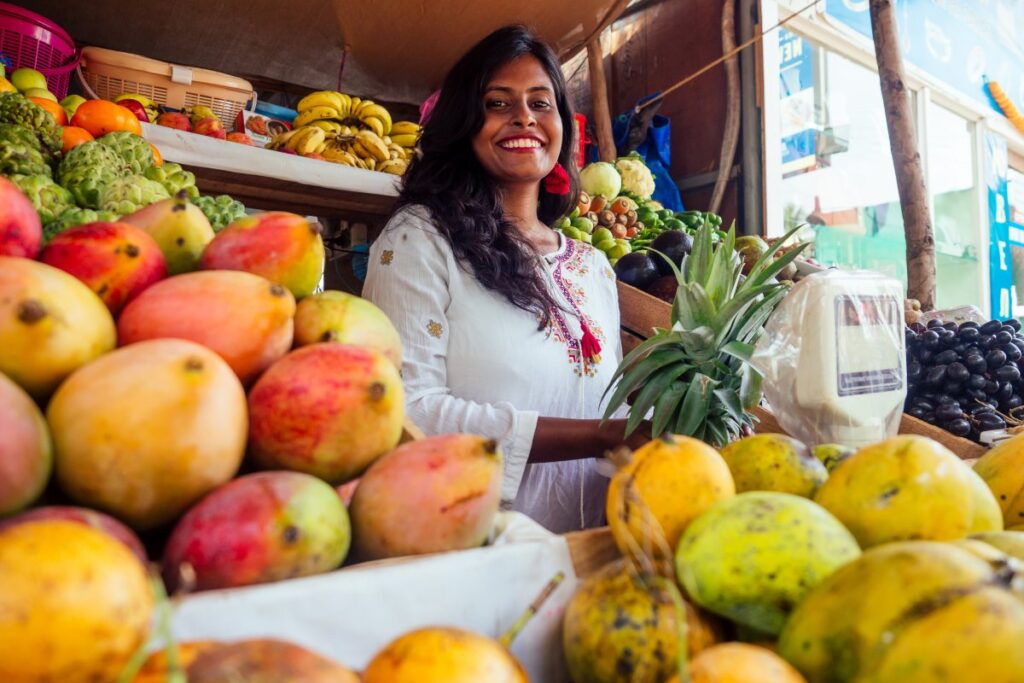
Food offers another way to notice those differences. Feijoada, pão de queijo and caipirinhas may be familiar names, while dishes such as Bahia’s acarajé and moqueca point to distinct regional traditions. Choose local markets and restaurants when you can, and let the place you are visiting guide what you try.

Woman standing among mangoes and other fresh fruit at a market stall

Accessibility

Accessibility varies considerably between cities, transport services and natural attractions. Major airports provide assistance for passengers who need it, but arrange the specific help you require with the airline before travelling. Brazil’s aviation regulator, ANAC, explains special assistance for air passengers.

For each destination, check the full route rather than only the attraction’s accessibility label: vehicle boarding, station lifts, pavements, entrances, toilets and the distance between them all matter. São Paulo’s metro publishes accessibility information, but conditions at a particular station or connection should be confirmed before the visit. Beaches, historic streets, dunes and rainforest excursions need individual checks with the operator; they cannot be described as accessible as a group.


Safety and First Impressions

Brazil’s contrasts can be more striking in person than in travel photographs. In a city such as Rio, celebrated beaches and viewpoints can be close to neighbourhoods with very different living conditions. That contrast deserves attention and respect, not a quick explanation based on a few days as a visitor. The pace and sound of a busy city may also take adjustment, especially during a major celebration. Portuguese is the language of everyday life; although English is spoken in some tourist settings, learning a few useful phrases and keeping an offline translation tool can make ordinary encounters easier.

Safety conditions vary by city, neighbourhood and route. In busy places, take care with phones and valuables, plan how you will return after dark, and check a route before following a navigation app into an unfamiliar area. Large celebrations require particular attention to belongings and surroundings. Before departure, read current travel safety advice for Brazil alongside advice issued for your own nationality. Check entry requirements and health guidance close to travel, as these depend on your passport and itinerary.

Is Brazil Right for Your Trip?

Brazil can suit travellers drawn to cities, music, food, wildlife or remarkable natural settings. These interests lead to different kinds of trips, and knowing which matters most to you makes the choices easier.

You do not need to see every famous place on a first visit. Choose the part of Brazil that interests you most, give it enough time, and let that experience be the beginning of your understanding of the country.

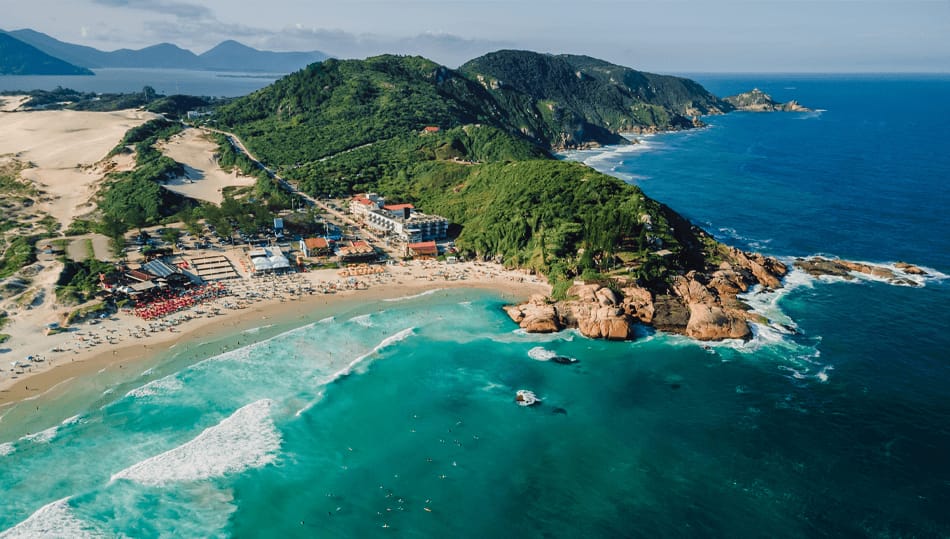
Aerial view of a beach, green hills and turquoise water in Brazil

Related posts

Angel of Independence monument on Paseo de la Reforma in Mexico City, Mexico, surrounded by modern skyscrapers and trees.

Mexico: Beyond the Beaches

Mexico offers far more than beach holidays. Explore ancient Maya cities, colonial streets, regional food and living traditions, from Mexico City and Puebla to jungle ruins and protected lagoons. Our country guide brings together cultural highlights, remarkable landscapes and practical transport advice to help you plan a varied, manageable journey.
Read More »

Spain: Culture and Growth

Spain offers distinctive regional cultures, historic cities and landscapes ranging from mountains to Mediterranean shores. Our guide introduces architecture, food and cultural experiences, with practical considerations for choosing destinations and building a journey around your interests.

Read More »
Florence Cathedral dome and Giotto’s Bell Tower viewed through a historic window

Italy: Art and Regional Flavours

Italy combines historic cities, remarkable art and regional cooking with varied coastlines and mountain landscapes. Our guide connects Rome, Florence and Venice with wider travel possibilities, including practical advice on seasons, transport, accessibility and choosing destinations.

Read More »

Singapore: Gardens and Culture

Singapore combines gardens, distinctive neighbourhoods and communal dining with an easy-to-explore urban setting. Our guide shares discoveries from our visit, including orchids and Gardens by the Bay, alongside practical advice for arrival, transport and planning your stay.

Read More »

Croatia: Coast and Historic Towns

Croatia combines Adriatic islands and coastal towns with Zagreb’s city life and inland scenery. Our guide connects Dubrovnik, Split and Plitvice Lakes with regional food, seasonal choices, transport and accessibility, helping you shape a manageable itinerary.

Read More »

Germany: Cities and Heritage

Germany connects historic cities, castles and river valleys with contemporary culture and engineering heritage. Our guide introduces Berlin, Bavaria and regional discoveries, alongside practical advice on food, transport, seasons and accessibility for a varied journey.

Read More »
Széchenyi Chain Bridge illuminated at night over the Danube in Budapest

Hungary: Baths and the Danube

Hungary combines Budapest’s architecture and thermal baths with Danube landscapes, historic towns and wine regions. Our guide introduces cultural highlights and local food, with practical considerations for transport, seasons and choosing destinations that suit your interests.

Read More »

Portugal: Cities and Atlantic Shores

Portugal offers historic cities, Atlantic coastlines, vineyard landscapes and distinctive islands. From Lisbon and Porto to Madeira and the Azores, our guide covers regional food, contemporary culture, seasons, transport and accessibility for a thoughtfully paced journey.

Read More »

Denmark: Cities, Coasts and Hygge

Denmark combines Copenhagen’s waterfront, Odense’s literary connections and Aarhus’s art with island towns and coastal landscapes. Our guide introduces food and hygge, alongside advice on transport, accessibility, seasons and choosing a comfortable travel pace.

Read More »

Israel: Resilience and Innovation

Israel connects Jerusalem’s historic quarters, Tel Aviv’s urban culture and the landscapes around the Dead Sea. Our guide covers food, regional highlights, transport and accessibility, alongside practical planning considerations and the importance of checking current conditions.

Read More »
Chongqing skyline at night in China, with an illuminated bridge, waterfront buildings and reflections on the river

China: Beyond the Famous Sights

China’s imperial landmarks, contemporary cities and regional traditions offer contrasting journeys. Our guide introduces Beijing, Shanghai, Chengdu and Yangshuo, with practical considerations for train travel, digital payments, accessibility and choosing a route that feels manageable.

Read More »

Japan: Cities, Crafts and Seasons

Japan rewards curiosity through city neighbourhoods, temples, craft traditions and regional food. Our guide connects Tokyo, Kyoto and experiences beyond the familiar sights, with practical advice on seasons, rail travel, cultural customs, accessibility and accommodation.

Read More »
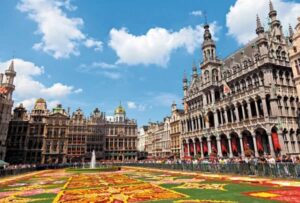
Colourful flower carpet in Brussels’ Grand Place, surrounded by ornate historic buildings

Belgium: Beyond the Postcard

Belgium brings together canal cities, chocolate traditions, wooded valleys and unexpected engineering heritage. From Brussels and Bruges to Antwerp and the Ardennes, our guide covers local flavours, train travel, accessibility and choosing a comfortable base.

Read More »

Bahamas: Beyond the Beach

The Bahamas offers historic Nassau, Exuma’s island landscapes and beaches with very different settings. Our guide introduces Bahamian food, Junkanoo and contemporary art, alongside practical considerations for island transfers, seasons and choosing where to stay.

Read More »

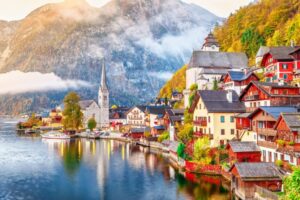
Austria: Europe’s Cultural Heartland

Austria pairs Vienna’s imperial architecture with Alpine scenery, lakeside towns and contemporary art. Our guide introduces highlights, regional food and practical considerations for transport, seasons and accessibility, helping you combine city discoveries with mountain landscapes.

Read More »

Australia: The Vast Southern Giant

Australia combines coastal cities, tropical reefs and ancient inland landscapes. From Melbourne to Uluru and the Great Ocean Road, our guide covers cultural experiences, regional food, seasons, transport, beach safety and accessibility for a manageable journey.

Read More »
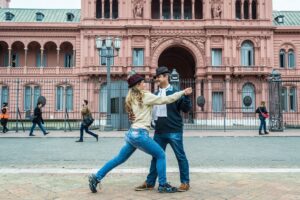
Couple dancing tango in front of the Casa Rosada on Plaza de Mayo in Buenos Aires, Argentina

Argentina: Tango and Patagonia

Buenos Aires’ cafés and tango, Mendoza’s vineyards and Patagonia’s glaciers reveal different sides of Argentina. Our guide connects regional highlights with food, culture, seasons, transport and accessibility, helping you plan realistic distances and rewarding stays.

Read More »

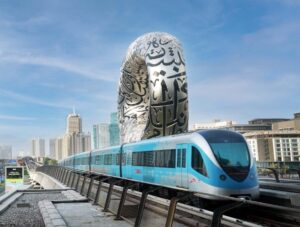
United Arab Emirates Travel Guide

The United Arab Emirates combines Dubai’s skyline with Abu Dhabi’s cultural attractions, Sharjah’s heritage and landscapes beyond the cities. Our guide introduces neighbourhoods, food, desert scenery and mountain roads to help shape a more varied journey.

Read More »
Aerial view of the Dormition of the Mother of God Cathedral with golden domes in Varna, Bulgaria

Bulgaria: Mountains and Black Sea

Bulgaria links historic cities and mountain monasteries with towns along the Black Sea. Our guide introduces Plovdiv, Rila and Nessebar, alongside regional food, seasons, transport and accessibility considerations for travellers with different interests and mobility needs.

Read More »
Norwegian flag overlooking Bergen harbour and Bryggen

Norway – Land of Fjords

Norway brings together western fjords, Arctic landscapes and distinctive cities. Our guide helps you compare regions and seasonal experiences, with advice on transport, food, accessibility and choosing activities that suit your interests and preferred travel pace.

Read More »
Scroll to Top